

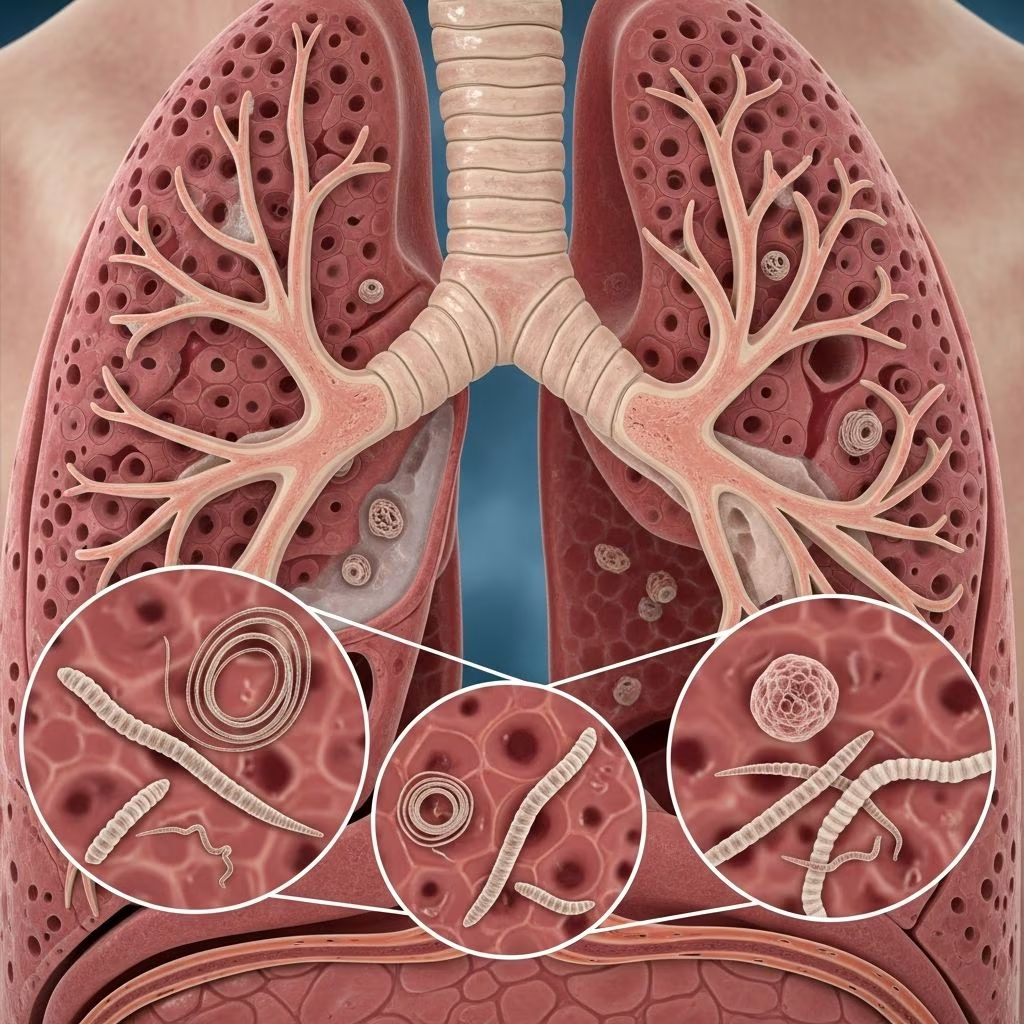
Understanding Lungworm Infection in Equines
Lungworm infection represents a parasitic respiratory condition that affects horses and donkeys, caused primarily by the nematode species Dictyocaulus arnfieldi. This internal parasite colonizes the lungs and airways of equine hosts, disrupting normal respiratory function and potentially leading to significant health complications if left untreated. Unlike many other equine parasites that primarily affect the gastrointestinal tract, lungworms establish themselves within the pulmonary system, creating a unique set of clinical manifestations and diagnostic challenges.
The infection spreads through direct contact with contaminated pastures and represents a genuine concern for horse owners maintaining animals in grazing environments. The parasitic lifecycle involves a complex transmission pattern that varies depending on the species involved and environmental conditions. Understanding this lifecycle is fundamental to implementing effective management and prevention protocols on equine properties.
Recognizing Clinical Manifestations
The presentation of lungworm infection in horses spans a broad spectrum of severity. Some animals demonstrate minimal observable symptoms, while others exhibit pronounced respiratory distress. The severity of clinical signs generally correlates with the parasitic burden and the individual horse’s immune response to infection.
Mild to Moderate Presentations
Horses with lighter infections frequently display intermittent coughing, particularly when moving or during exercise. The cough may be dry or productive, and affected animals may show only slightly elevated respiratory rates. Many of these horses maintain relatively normal appetite and body condition, making diagnosis more challenging for owners who might attribute symptoms to minor respiratory irritation rather than parasitic infection.
Severe Manifestations
Heavily infected animals present with more dramatic clinical signs. Persistent, deep coughing becomes evident even during rest periods, accompanied by labored breathing patterns. Severely affected horses frequently adopt a characteristic posture with extended heads and necks in an attempt to maximize airway opening. Loss of appetite and rapid weight loss accompany these respiratory symptoms, resulting in the condition known as unthriftiness—a general state of poor health and diminished vigor.
In extreme cases, secondary complications develop. Bacterial pneumonia may occur as a secondary infection, pulmonary edema can accumulate within lung tissue, and bronchitis intensifies the inflammatory response. Young foals represent a particularly vulnerable population, as heavy parasitic loads can block small airways, potentially resulting in fatal outcomes without prompt intervention.
Donkey Considerations
Donkeys frequently harbor lungworm infections with minimal or entirely absent clinical signs. This asymptomatic carrier status makes donkeys particularly problematic in mixed-species grazing situations, as they shed infectious larvae continuously without displaying obvious illness. Owners may unknowingly maintain infected donkeys on the same pastures as horses, creating a persistent infection source that perpetuates transmission cycles.
Diagnostic Approaches and Identification
Establishing a definitive lungworm diagnosis requires a multifaceted approach combining clinical observation, history analysis, and laboratory confirmation.
Fecal Examination Methodology
The primary diagnostic tool involves examination of fecal samples to detect first-stage larvae. Veterinarians employ specialized techniques such as the Baermann method to concentrate and identify lungworm larvae from equine feces. A fresh fecal sample typically yields results within 24 hours, making this an accessible and relatively rapid diagnostic option. However, the test’s sensitivity depends on adequate parasitic burden and proper sample collection and handling procedures.
Respiratory Tract Visualization
Endoscopic examination of the airways provides direct visualization of the respiratory tract, revealing inflammation, mucus accumulation, and other pathological changes consistent with lungworm infection. This diagnostic approach proves particularly valuable when fecal examinations prove inconclusive or when clinical signs suggest parasitic infection despite negative fecal results. Endoscopy also allows collection of tracheal wash samples, which can be cultured and examined for evidence of parasitic infection or secondary bacterial involvement.
Radiographic Imaging
Thoracic radiographs may reveal characteristic patterns of lung involvement, including bronchial patterns and areas of consolidation. While radiographic findings alone cannot definitively confirm lungworm infection, they support the diagnostic assessment when combined with clinical signs and history.
Historical and Epidemiological Clues
A thorough history focusing on pasture management, herd composition, and animal contacts provides crucial diagnostic information. Horses that graze with donkeys or utilize pastures previously occupied by donkeys face significantly elevated infection risk. The absence of response to standard antibiotic or anti-inflammatory treatments often signals the presence of parasitic rather than bacterial or inflammatory respiratory disease, serving as an important diagnostic red flag for veterinarians.
Treatment Protocols and Antiparasitic Options
Modern antiparasitic therapy has made lungworm treatment highly effective and straightforward. Two primary drug classes dominate equine lungworm management.
Macrocyclic Lactone Compounds
Ivermectin represents the most widely available and recognized lungworm treatment option. Administered orally as a single dose, ivermectin demonstrates high efficacy against both adult parasites and migrating larval stages. The drug’s broad-spectrum activity extends beyond lungworms to encompass numerous gastrointestinal parasites, making it a practical choice for comprehensive parasite management.
Moxidectin offers an alternative macrocyclic lactone with comparable efficacy to ivermectin. An important distinction between these agents lies in moxidectin’s extended persistence within the equine system, providing prolonged protection against reinfection. This extended activity proves particularly advantageous in herd situations where eliminating the infection source remains challenging.
Treatment Considerations for Donkeys
While ivermectin and moxidectin prove effective in horses, licensing and availability restrictions may apply to donkey populations depending on geographic location and product formulation. Epirinomectin represents an alternative parasiticide available for donkey treatment in certain regions. Owners must consult with veterinarians regarding product-specific licensing for their particular animal species and location, as applying unlicensed products to donkeys constitutes a significant legal and ethical concern.
Supportive Care During Treatment
While antiparasitic medication kills the parasites, symptomatic management accelerates recovery and improves patient comfort. Stall confinement reduces respiratory strain on compromised lungs, allowing healing without the additional oxygen demand imposed by exercise. Anti-inflammatory medications, such as phenylbutazone or flunixin meglumine, reduce pulmonary inflammation and alleviate discomfort associated with airways irritation.
Bronchodilators may be necessary in severely affected animals to facilitate airway opening and improve oxygen exchange. Mucolytic agents help mobilize and clear excessive mucus accumulation within airways. Should secondary bacterial pneumonia develop, appropriate antimicrobial therapy becomes essential to address the complicating infection.
Treatment Timeline and Recovery Expectations
Most horses demonstrate noticeable clinical improvement within 7 to 10 days following antiparasitic treatment initiation. The persistent cough typically begins resolving within this window, respiratory rates normalize, and appetite generally improves. Complete resolution of all clinical signs may require additional weeks, particularly in cases involving secondary complications or extensive lung damage.
The relatively rapid response to treatment reflects the high efficacy of modern antiparasitic compounds against lungworm parasites. However, individual variation exists, and some horses may require extended recovery periods depending on disease severity and presence of complications.
Prevention and Management Strategies
Pasture Management Techniques
Strategic pasture utilization represents an underutilized yet highly effective prevention approach. Moving horses to fresh pastures eliminates exposure to contaminated grazing areas. Rotating pastures on a seasonal basis, particularly avoiding use by susceptible horses during periods when infected animals previously grazed, significantly reduces infection pressure.
Species Separation Protocols
The single most effective prevention measure involves eliminating concurrent grazing of horses with donkeys. Since donkeys frequently harbor asymptomatic infections, segregating species eliminates the primary infection source for horses in most situations. Properties maintaining multiple species should implement feeding and pasturing arrangements that prevent cross-species contact.
Periodic Deworming Programs
Strategic deworming of donkey populations at regular intervals, utilizing ivermectin or other effective antiparasitic agents, reduces larval shedding and infection transmission. Periodic testing through fecal examination helps identify infection presence in asymptomatic donkeys, allowing targeted treatment before contamination of shared environments occurs.
New Animal Quarantine Procedures
Implementing quarantine periods for newly introduced horses and donkeys allows identification of parasitic infections before exposure to resident herd members. Fecal testing and appropriate antiparasitic treatment during quarantine prevents introduction of lungworm and other parasites into uninfected populations.
Special Populations and Considerations
| Animal Category | Clinical Presentation | Management Consideration |
|---|---|---|
| Young Foals | Severe disease with respiratory distress potential | Requires aggressive treatment and close monitoring |
| Adult Horses | Variable severity from subclinical to severe | Standard treatment protocols typically effective |
| Donkeys | Minimal to absent clinical signs | Requires periodic testing despite lack of symptoms |
| Mules | Similar to donkey populations | Treat following donkey management recommendations |
Frequently Asked Questions
Can lungworm infection be prevented entirely?
Complete prevention requires eliminating exposure to contaminated pastures and infected animals. Species separation and rigorous quarantine protocols substantially reduce infection risk, though eliminating all exposure remains challenging in multi-species operations or properties with previous contamination history.
Is lungworm contagious between horses directly?
Horses do not transmit infection directly to one another. Transmission occurs exclusively through ingestion of contaminated pasture forage containing infective larvae. This transmission pattern makes pasture management and species separation particularly important control measures.
What happens if lungworm infection goes untreated?
Untreated infections can progress to severe respiratory disease with complications including secondary bacterial pneumonia, pulmonary edema, and chronic respiratory dysfunction. Foals and heavily infected adults may experience life-threatening airway obstruction. Chronic infections result in persistent poor condition and reduced performance capacity.
How long does treatment take to eliminate infection?
A single dose of ivermectin or moxidectin effectively eliminates parasites, though clinical sign resolution requires additional time for lung tissue healing. Most horses show substantial improvement within one to two weeks of treatment initiation.
Are certain seasons more problematic for lungworm?
Transmission patterns vary geographically and depend on local environmental conditions. Grazing season typically presents the greatest exposure risk, though infection can occur year-round in appropriate conditions. Consulting local veterinary professionals helps identify region-specific transmission patterns.
Conclusion and Management Outlook
Lungworm infection in horses represents a manageable parasitic disease when recognized promptly and treated appropriately. Modern antiparasitic medications provide highly effective therapeutic options, while supportive care addresses secondary complications and accelerates recovery. The key to successful outcomes lies in early diagnosis through clinical awareness and appropriate diagnostic testing, combined with comprehensive management addressing both infected individuals and herd-level infection sources.
For horse owners maintaining animals on pasture, particularly those with donkey populations, proactive disease prevention through strategic management practices offers the most cost-effective long-term approach. Understanding the unique transmission patterns involving donkey carriers and implementing appropriate species separation significantly reduces infection occurrence. Regular veterinary consultation ensures timely recognition of clinical signs and prompt implementation of evidence-based treatment protocols, maximizing the likelihood of complete recovery and return to normal function.
References
- Lungworm Infection in Horses — Merck Veterinary Manual. 2025. https://www.merckvetmanual.com/horse-owners/lung-and-airway-disorders-of-horses/lungworm-infection-in-horses
- Lungworm in Horses: Causes, Signs, Diagnosis & Treatment — Pet Care Partners. August 25, 2025. https://www.youtube.com/watch?v=8ibLK4XTYCs
- Lungworm Infection in Animals: Respiratory System — MSD Veterinary Manual. https://www.msdvetmanual.com/respiratory-system/lungworm-infection/lungworm-infection-in-animals
- Lungworm: Life Cycle, Symptoms and Treatment — Worm&Co. https://wormenco.nl/en/manure-testing/horses/worms/lungworm
- Lungworm in Horses: Signs, Treatment & Prevention — HorseDVM. https://horsedvm.com/disease/lungworm



