
Equine Liver Disorders: A Complete Guide For Owners
Comprehensive guide to recognizing, diagnosing, and managing liver problems in horses for optimal health and recovery.
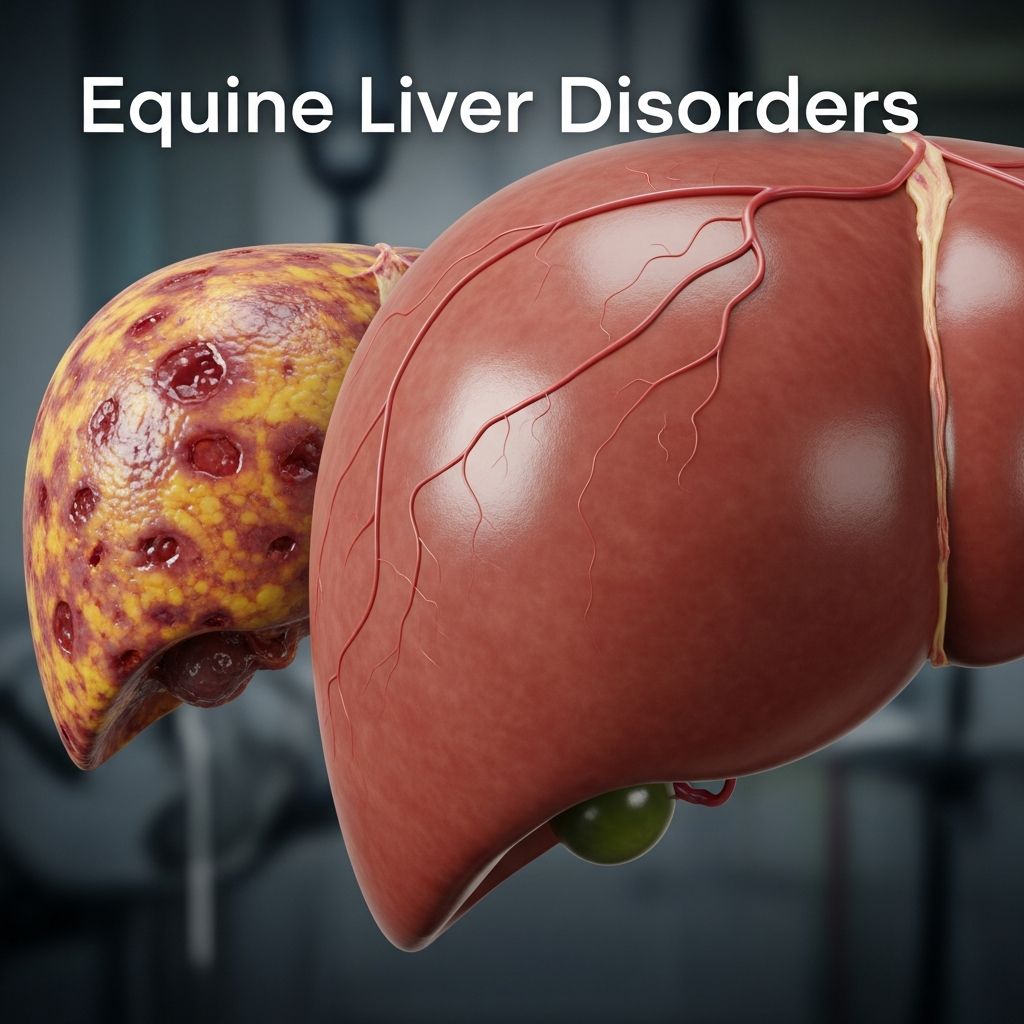
The liver plays a pivotal role in a horse’s overall well-being, handling critical tasks like detoxification, nutrient processing, and bile production. When this vital organ falters, it can lead to a cascade of health issues that demand prompt attention from owners and veterinarians alike. Understanding the nuances of liver conditions in horses empowers proactive care and better outcomes.
Critical Functions of the Equine Liver
The equine liver is a multitasking powerhouse, essential for maintaining homeostasis. It filters toxins from the bloodstream, metabolizes nutrients from feed, stores vitamins and minerals, and produces bile to aid digestion. In horses, the liver’s capacity to regenerate is remarkable, but significant damage—often over 80%—is typically required before overt symptoms emerge.
Key responsibilities include breaking down proteins into amino acids, regulating blood sugar levels through glycogen storage, and synthesizing clotting factors to prevent hemorrhage. Disruptions in these processes can manifest as systemic problems, underscoring the liver’s interconnectedness with other bodily systems.
Common Triggers of Liver Dysfunction
Liver issues in horses arise from diverse origins, broadly categorized into toxic, infectious, and metabolic factors. Toxins top the list, with plants containing pyrrolizidine alkaloids—such as ragwort or groundsel—posing a major risk, especially when horses graze sparse pastures or consume contaminated hay. These substances cause insidious, progressive damage, with signs appearing weeks or months post-exposure.
Infectious agents like equine hepacivirus (EqHV) and bacteria contribute to cholangiohepatitis, an inflammation of bile ducts and liver tissue. This condition often presents with fever, weight loss, and colic, sometimes escalating to severe sepsis. Metabolic overloads, including hyperlipemia in ponies and miniatures, exacerbate liver strain during stress, pregnancy, or illness, leading to fat accumulation that impairs function.
Other culprits include chronic inflammation, bile duct obstructions from stones, and secondary effects from conditions like colic or parasitism. Identifying the root cause is crucial, as it dictates treatment efficacy.
Recognizing Early Warning Signs
Subtle indicators often precede dramatic symptoms, making vigilance key. Initial clues include lethargy, reduced feed intake, and gradual weight loss, which owners might attribute to age or training demands. As damage progresses, jaundice—a yellowish tint to mucous membranes—becomes evident, stemming from bilirubin buildup.
- Behavioral shifts: Dullness, aimless wandering, or head pressing against surfaces signal hepatic encephalopathy (HE), where toxins like ammonia affect the brain.
- Skin and coat changes: Photosensitization causes sunburn-like lesions on white areas, while hepatocutaneous syndrome leads to crusty, ulcerated skin.
- Digestive disturbances: Alternating diarrhea and constipation, colic, or poor appetite reflect impaired bile flow and nutrient absorption.
In advanced stages, edema (swelling), bleeding tendencies, and laminitis may occur, particularly in ponies with hyperlipemia. Owners should monitor for yawning, circling, or fever as red flags warranting immediate veterinary consultation.
Diagnostic Approaches for Accurate Assessment
Diagnosis begins with bloodwork to evaluate liver enzymes (AST, GGT, SDH) and function markers like bile acids and albumin. Elevated enzymes indicate damage, while low albumin or prolonged clotting times suggest failure. Ultrasonography reveals structural abnormalities, such as bile duct stones or fibrosis, guiding further steps.
The gold standard, liver biopsy, assesses tissue changes, fibrosis extent, and regeneration potential. Performed under ultrasound guidance, it informs prognosis—minimal scarring correlates with better recovery odds. Additional tests rule out systemic issues, ensuring targeted intervention.
| Test Type | What It Detects | Key Indicators |
|---|---|---|
| Blood Serum Analysis | Enzyme leaks, function | High GGT/AST, low albumin |
| Ultrasound Imaging | Structural anomalies | Enlarged liver, duct obstructions |
| Liver Biopsy | Tissue pathology | Fibrosis degree, cell regeneration |
Comprehensive Treatment Strategies
Treatment prioritizes stabilizing the horse, addressing the cause, and fostering regeneration. Supportive care forms the cornerstone: intravenous fluids with glucose, potassium, and vitamins combat dehydration, electrolyte imbalances, and energy deficits. For HE, therapies reduce ammonia absorption using lactulose, antibiotics like metronidazole, or rumen protectants.
Antimicrobials target infections in cholangiohepatitis, often for 4-6 weeks, with broad-spectrum options if specifics are unknown. Pain management employs judicious NSAIDs, while antioxidants (e.g., vitamin E) and ursodiol support chronic cases. Horses with photosensitivity need shaded stabling and protective rugs.
Dietary overhaul is non-negotiable. Shift to frequent, small meals rich in digestible fibers and moderate carbs, low in protein and fats to ease liver workload. Branched-chain amino acids help counter HE, and tube feeding ensures intake if voluntary eating fails. In hyperlipemia, insulin or heparin may be necessary.
Nutritional Management for Recovery
Post-crisis nutrition sustains healing. Prioritize high-quality hay, beet pulp, and complete feeds formulated for liver support—low protein (10-12%), high in omega-3s and antioxidants. Avoid lush grass, which spikes energy and fat mobilization.
- Frequent feeding (every 2-4 hours) prevents overload.
- Supplements: Silymarin, SAMe, or milk thistle derivatives show promise in regeneration.
- Monitor weight and BCS to adjust calories without excess.
Ponies require vigilant feeding during stress to avert hyperlipemia recurrence.
Prevention Tactics for Long-Term Liver Health
Proactive measures minimize risks. Scout pastures for toxic weeds, especially post-mowing when palatability increases. Regular deworming curbs parasite migration to the liver, and vaccinations protect against viral threats.
Maintain balanced diets, avoiding overfeeding concentrates. Annual blood panels catch elevations early, particularly in at-risk breeds like Arabians or during foaling seasons. Stress reduction—stable routines, gradual weaning—bolsters resilience.
Prognosis and Monitoring Progress
Outcomes hinge on early detection and fibrosis extent. Acute cases with regeneration potential often recover fully within days to weeks, while chronic fibrosis limits success. Serial biopsies and enzyme tests track improvement; persistent HE or severe scarring may necessitate humane euthanasia.
Owners play a vital role in monitoring: daily checks for jaundice, appetite, and demeanor ensure timely adjustments.
Frequently Asked Questions (FAQs)
What causes yellow gums in my horse?
Jaundice from bilirubin accumulation signals liver compromise, often toxin or infection-related. Seek vet evaluation promptly.
Can horses recover from liver failure?
Yes, with early supportive care and minimal fibrosis; regeneration is possible up to 80% damage.
Is special feed needed for liver issues?
Absolutely—low-protein, high-fiber diets fed frequently support recovery without overburdening the liver.
How do I prevent toxic plant exposure?
Inspect hay and pastures regularly, fence off suspect areas, and educate on common offenders like ragwort.
What’s hepatic encephalopathy?
Brain dysfunction from liver failure toxins like ammonia, causing behavior changes treatable with fluids and meds.
References
- Liver Disease in Horses: Signs, Causes, Treatment & Prevention — Mad Barn. 2023. https://madbarn.com/liver-disease-in-horses/
- Disorders of the Liver in Horses — Merck Veterinary Manual. 2023-10-18. https://www.merckvetmanual.com/horse-owners/digestive-disorders-of-horses/disorders-of-the-liver-in-horses
- Liver Disease and Failure in Horses — Virginia Tech Veterinary Medicine. 2022. https://www.vtvets.org/assets/docs/Liver%20Disease%202022.pdf
- Gastroenterology 2. Hepatic and intestinal disorders — PMC/NIH. 2020-03-25. https://pmc.ncbi.nlm.nih.gov/articles/PMC7150257/
- Equine Liver Diseases: Early Diagnosis – Correct Treatment — Laboklin. 2023. https://laboklin.com/en/equine-liver-diseases-early-diagnosis-correct-treatment/
Similar Articles








Read full bio of medha deb


