

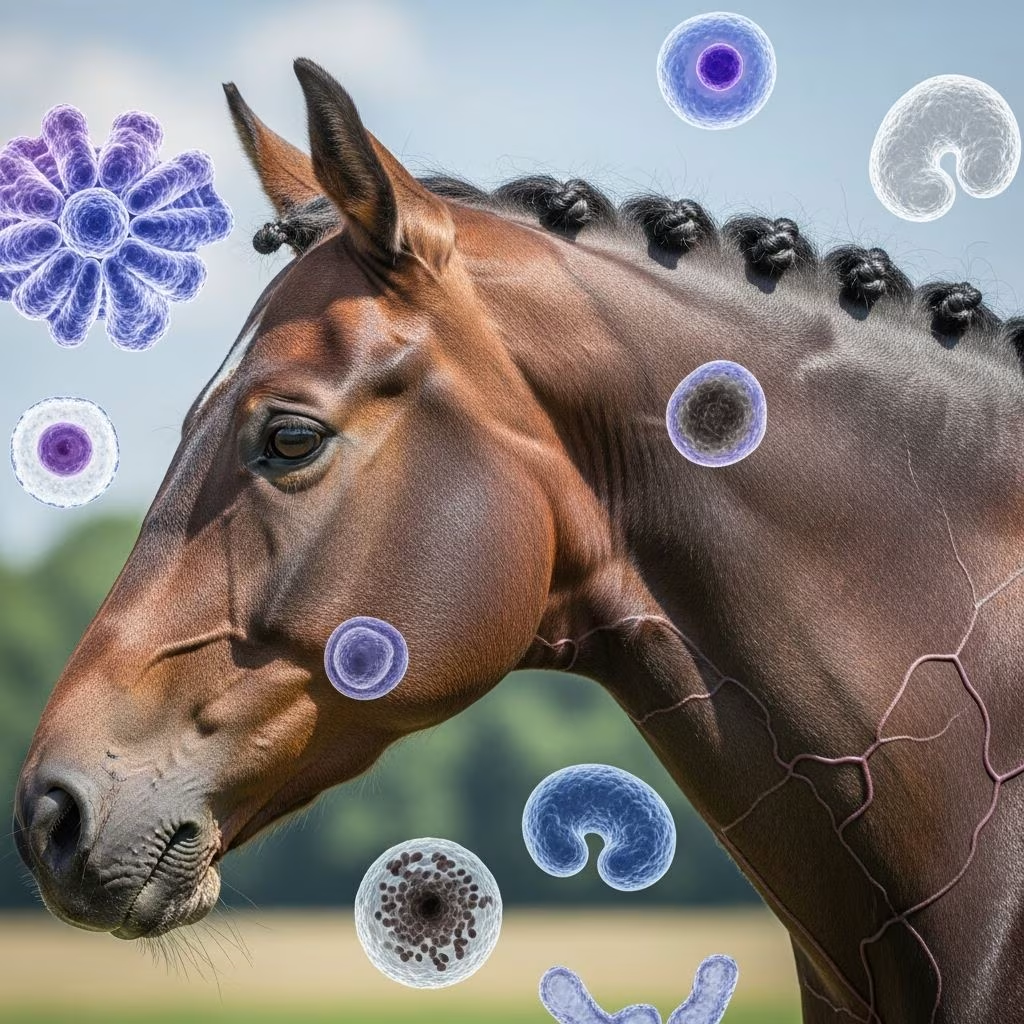
The **equine immune system** relies on a complex network of circulating cells, defensive mechanisms, and tissue-based responses to maintain health and combat disease. Among these protective elements, white blood cells (leukocytes) serve as the body’s primary line of mobile defense, continuously patrolling the bloodstream and tissues for signs of infection, inflammation, or abnormal cellular activity. Understanding the role and behavior of these cells provides horse owners and veterinarians with valuable diagnostic information and insight into their animal’s overall health status.
The Cellular Foundation of Equine Immunity
White blood cells originate in the **bone marrow**, where hematopoietic stem cells differentiate into various leukocyte types. These cells are produced continuously throughout a horse’s life, with different cell types required in varying quantities depending on the animal’s current immune demands. The distribution and total count of white blood cells in circulation fluctuate based on infection, stress, exercise, age, and underlying disease conditions.
The primary function of white blood cells involves recognizing and eliminating pathogens such as bacteria, viruses, fungi, and parasites. However, their roles extend far beyond simple destruction; these cells also coordinate immune responses through chemical signaling, remove cellular debris, regulate inflammation, and establish immunological memory for future pathogen encounters.
Major Categories of Equine White Blood Cells
Equine blood contains five primary types of leukocytes, each with specialized functions within the immune system. The relative proportions and absolute numbers of these cells provide clinically relevant information about health status and disease processes.
Neutrophils: The Rapid-Response Infantry
Neutrophils represent the most abundant white blood cell type in healthy horses, constituting approximately 50-80% of the total leukocyte population. These cells function as the body’s first-line responders to acute infections and inflammatory challenges. Upon detecting infection or tissue damage, neutrophils rapidly migrate from the bloodstream to affected tissues, where they engulf and destroy bacteria and other foreign materials through a process called phagocytosis.
The recruitment of neutrophils to infection sites occurs quickly, often within minutes of microbial invasion. However, this deployment creates a characteristic pattern in blood work: during active infection, circulating neutrophil numbers may initially appear normal or even elevated, but prolonged or severe infections can deplete the available pool faster than bone marrow production can replace them, resulting in reduced neutrophil counts (neutropenia).
Lymphocytes: The Adaptive Immune Coordinators
Lymphocytes represent the second most abundant leukocyte type and bear primary responsibility for adaptive immunity and immune regulation. These cells exist in two major categories: B lymphocytes and T lymphocytes, each with distinct immunological roles.
B lymphocytes produce antibodies (immunoglobulins) that circulate through the bloodstream and tissues, coating pathogens to prevent infection of healthy cells and marking invaders for destruction by other immune cells. This antibody-mediated defense becomes increasingly important during chronic infections and following vaccination exposure.
T lymphocytes coordinate the broader immune response through several mechanisms: helper T cells direct other immune cells toward appropriate responses, cytotoxic T cells directly kill infected or abnormal cells, and regulatory T cells prevent excessive inflammation and autoimmune reactions. The balance between different T cell subtypes influences whether an immune response resolves appropriately or becomes pathologically excessive.
Elevated lymphocyte counts (lymphocytosis) may indicate excitement, vigorous exercise, chronic viral infections, or neoplastic disease. Conversely, reduced lymphocyte numbers typically result from acute stress, severe infections, or immunosuppressive conditions.
Monocytes: The Tissue Cleanup and Immune Organizers
Monocytes circulate as immature precursors that develop into macrophages upon entering tissue compartments. These larger phagocytic cells remove bacteria, dead cells, cellular debris, and foreign materials from tissue spaces. Beyond their scavenging function, monocytes and their derived macrophages play crucial roles in regulating immune responses by processing antigens and presenting pathogen-derived information to lymphocytes.
The monocyte-macrophage system also participates in healing and resolution of inflammation, helping tissues return to normal function after infection or injury.
Eosinophils: Specialists in Parasitic and Allergic Responses
Eosinophils compose a small percentage of the normal equine leukocyte population but become prominently elevated in specific disease conditions. These cells contain granules filled with potent chemical mediators effective against large parasites that cannot be engulfed by phagocytosis. Additionally, eosinophils participate in allergic responses and hypersensitivity reactions.
Elevated eosinophil counts (eosinophilia) commonly signal parasitic infection or allergic disease. Seasonal eosinophilia may correlate with pasture turnout and increased parasite exposure, while year-round elevation might indicate chronic allergic airway disease or other atopic conditions.
Basophils: Rare but Important Mediators
Basophils represent the rarest white blood cell type in equine circulation and are rarely observed during routine blood analysis. These cells release histamine and other inflammatory mediators during allergic reactions and parasitic infections. Their relative scarcity in blood samples reflects their tissue-based distribution, where they reside in greater concentrations near epithelial surfaces and potential pathogen entry points.
Interpreting White Blood Cell Counts in Clinical Practice
Total White Blood Cell Count Variations
The absolute number of white blood cells in circulation (white blood cell count or WCC) fluctuates based on numerous factors. Elevated counts (leucocytosis) typically result from bacterial infections, viral infections, stress responses, or immune-mediated diseases. The timing and magnitude of elevation provide diagnostic clues: acute bacterial infections often cause dramatic increases, while chronic conditions may produce modest elevations.
Reduced counts (leucopenia) develop when circulating cells are depleted faster than bone marrow production can replenish them, or when bone marrow itself is suppressed. Low white blood cell counts may indicate recent infection (where cells were consumed during immune response but replacement hasn’t occurred), severe bone marrow disease, or certain medications that suppress leukocyte production.
Differential Cell Type Analysis
Modern veterinary diagnostics evaluate not only total white blood cell numbers but also the percentages and absolute counts of each cell type. This differential analysis reveals the specific nature of immune activation or suppression.
| Cell Type | Normal Function | Elevation Significance | Reduction Significance |
|---|---|---|---|
| Neutrophils | Acute infection response | Active bacterial/fungal infection | Bone marrow failure or chronic depletion |
| Lymphocytes | Adaptive immunity coordination | Viral infection or excitement | Acute stress or severe infection |
| Monocytes | Tissue cleanup and antigen presentation | Chronic infection or tissue damage | Bone marrow suppression |
| Eosinophils | Parasitic response and allergic reactions | Parasitism or allergy | Acute stress or corticosteroid administration |
| Basophils | Allergic response mediation | Allergic or parasitic conditions | Rare and of uncertain significance |
Environmental and Physiological Factors Affecting Leukocyte Populations
White blood cell counts reflect not only disease status but also numerous environmental and physiological variables. Stress triggers cortisol release, which suppresses lymphocyte numbers while potentially increasing neutrophil counts. Housing changes, transport, social disruptions, or training intensity can all produce measurable leukocyte alterations.
Exercise and excitement rapidly mobilize lymphocytes from tissue reservoirs into the bloodstream, temporarily elevating counts. This stress-related lymphocytosis resolves within hours of activity cessation.
Age influences leukocyte profiles, with young horses frequently displaying elevated lymphocyte counts as an incidental finding. As horses mature, cell count patterns stabilize into adult reference ranges.
Circadian rhythms may produce minor fluctuations in cell counts, though this effect is less pronounced in horses than in some other species.
Specific Disease Associations and Clinical Interpretation
Infectious Disease Patterns
Different pathogen types produce characteristic leukocyte response patterns. Bacterial infections typically elicit marked neutrophilia with potential left shift (increased immature neutrophil release), while viral infections more commonly produce lymphocytosis or lymphopenia depending on disease severity and stage.
Parasitic infections produce prominent eosinophilia and may also increase total leukocyte counts. The severity of eosinophil elevation often correlates with parasite burden.
Allergic and Inflammatory Conditions
Horses with allergic airway disease or other chronic allergic conditions frequently display elevated eosinophil counts. However, eosinophilia alone lacks specificity; parasitism must be ruled out before attributing elevation solely to allergy.
Bone Marrow Disorders
Diseases affecting bone marrow production reduce all or selective cell line production, resulting in pancytopenia (reduction in all cell types) or selective cytopenias. Diagnosis typically requires bone marrow sampling when clinical signs and blood work suggest primary bone marrow dysfunction.
Clinical Applications and Diagnostic Value
White blood cell analysis provides veterinarians with objective evidence of immune activation, infection severity, and treatment response. Serial blood work monitoring documents whether leukocyte counts trend toward normalization during treatment, indicating appropriate therapeutic response.
Abnormal leukocyte patterns may direct further diagnostic investigation: eosinophilia might prompt fecal examination for parasites, lymphocytosis during apparent health might raise suspicion of early viral infection, and neutropenia in a systemically ill horse demands investigation for sepsis or bone marrow disease.
The integration of leukocyte findings with clinical signs, physical examination findings, and other laboratory parameters creates a comprehensive diagnostic picture. A horse with fever and elevated neutrophils might have bacterial infection, while a febrile horse with lymphocytosis and normal neutrophils might have viral disease.
Summary of Key Points
- White blood cells originate in bone marrow and circulate continuously to defend against pathogens and abnormal cells
- Five major leukocyte types exist, each with specialized immune functions and diagnostic significance
- Neutrophils respond acutely to infection; lymphocytes coordinate adaptive immunity
- Monocytes remove cellular debris; eosinophils target parasites and allergic responses
- Total and differential white blood cell counts provide diagnostic information about infection, inflammation, stress, and bone marrow function
- Environmental factors including stress, exercise, and age influence leukocyte patterns
- Serial monitoring of white blood cell changes tracks disease progression and treatment response
- Abnormal leukocyte patterns guide veterinarians toward appropriate diagnostic procedures
Frequently Asked Questions
What does elevated white blood cell count mean in horses?
Elevated total white blood cell count (leucocytosis) typically indicates the body is mounting an immune response to infection, inflammation, stress, or immune-mediated disease. The specific cell types elevated help determine the underlying cause.
Can stress affect my horse’s white blood cell count?
Yes, stress significantly alters leukocyte patterns by increasing cortisol, which suppresses lymphocytes and can affect overall immune function. Housing changes, transport, or training intensity can all produce measurable effects.
What does low white blood cell count indicate?
Low white blood cell count may indicate the body has recently fought infection and hasn’t replenished cell supplies, bone marrow dysfunction, or certain disease conditions. Veterinary investigation is warranted if counts remain persistently low.
Why are my horse’s eosinophils elevated?
Elevated eosinophils most commonly indicate parasitic infection or allergic disease. Fecal examination can help rule out parasitism before attributing elevation to allergy.
How often should white blood cell counts be monitored?
Monitoring frequency depends on clinical circumstances. Acutely ill horses may require several blood draws during treatment, while chronically ill horses might have counts rechecked weekly or monthly depending on disease progression.
References
- White Blood Cells in Horses – Equine Research Database — Mad Barn. Accessed 2026. https://madbarn.com/research-topics/white-blood-cells/
- What Can Your Horse’s Blood Tell You? — WestVETS Animal Hospital. Accessed 2026. https://www.westvets.com.au/what-can-your-horses-blood-tell-you/
- Your Horse’s Blood Work & What It Means for Gut Health — Succeed Equine. Accessed 2026. https://www.succeed-equine.com/expertise/blog/gi-treatment-management/your-horses-blood-work-and-what-it-means-for-gut-health/
- Understanding Bloodwork — Guasco and Associates Equine Veterinarians. Accessed 2026. https://www.guascoandassociates.com/news/understanding-bloodwork/
- The Immune System of Horses — MSD Veterinary Manual. Accessed 2026. https://www.msdvetmanual.com/horse-owners/immune-disorders-of-horses/the-immune-system-of-horses
- Understanding Your Horse’s Clinical Laboratory Results — Alpine Equine. Accessed 2026. https://alpineequine.net/blog/867620-understanding-your-horses-clinical-laboratory-results



