
Equine Leukocyte Abnormalities: Diagnosis And Treatment Guide
Explore the critical role of white blood cells in horses, common disorders, diagnostic approaches, and management strategies for optimal equine health.
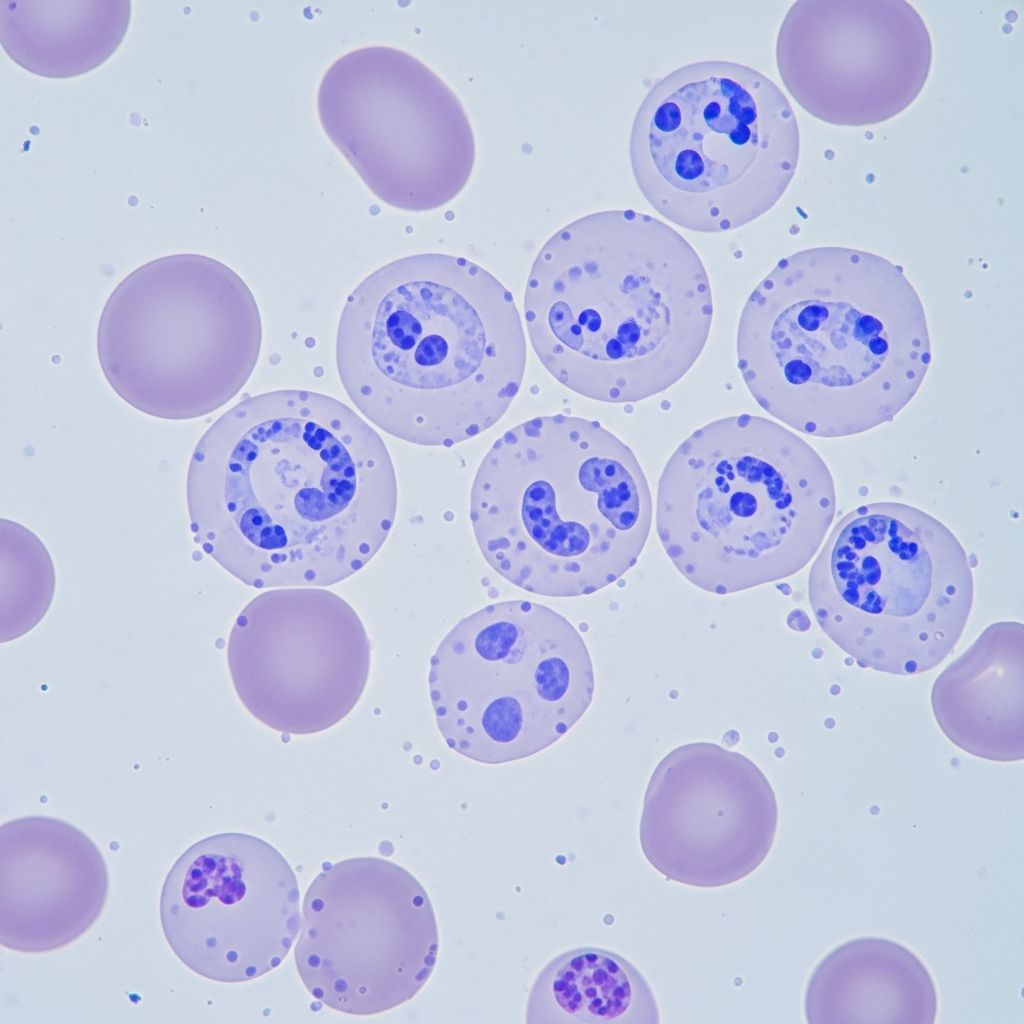
White blood cells, or leukocytes, serve as the cornerstone of a horse’s immune defense system, circulating through the bloodstream to combat infections, inflammation, and other threats. Disruptions in their numbers or functions can signal underlying health issues ranging from mild stress responses to severe diseases. Understanding these abnormalities empowers horse owners and veterinarians to detect problems early and implement timely interventions.
The Fundamentals of Leukocytes in Horses
Leukocytes in equines are produced primarily in the bone marrow and include several key types: neutrophils, lymphocytes, monocytes, eosinophils, and basophils. Neutrophils act as first responders to bacterial invasions, rapidly migrating to infection sites. Lymphocytes orchestrate long-term immunity, while eosinophils target parasites and allergens. Normal leukocyte counts vary by age, activity level, and physiological state, typically ranging from 5,000 to 12,000 per microliter of blood.
Deviations from these norms—either elevations (leukocytosis) or reductions (leukopenia)—provide vital diagnostic clues. For instance, strenuous exercise or excitement can transiently boost lymphocyte numbers in young horses, while overwhelming infections deplete neutrophils. Monitoring these shifts through routine blood work is essential for performance horses and those in high-risk environments like tick-infested pastures.
Common Leukocyte Elevations and Their Implications
Leukocytosis often reflects the body’s active response to challenges. Neutrophilia, an increase in neutrophils, commonly arises from bacterial infections, inflammation, or stress-induced corticosteroid release. Horses under acute stress from trauma, intense training, or viral onset may show marked elevations, aiding veterinarians in pinpointing systemic inflammation.
Lymphocytosis, particularly prevalent in foals and young stock, can stem from viral exposures, vaccinations, or simply youthful vigor. Eosinophilia points toward parasitic burdens or hypersensitivity reactions, such as those from insect bites or allergies, urging deworming protocols or environmental adjustments. Basophilia, though rarer, accompanies eosinophilia in chronic parasitic cases.
| Leukocyte Type | Common Elevation Causes | Associated Horse Conditions |
|---|---|---|
| Neutrophils | Bacterial infection, stress, inflammation | Abscesses, colic, training stress |
| Lymphocytes | Viral infection, exercise, youth | Equine influenza, routine vaccination |
| Eosinophils | Parasites, allergies | Strongyle infestations, hypersensitivity |
Leukocyte Depletions: Red Flags for Serious Issues
Leukopenia signals potential crises, where white cell counts drop below normal thresholds. Neutropenia, a profound neutrophil shortage, frequently results from viral onslaughts, endotoxemia, or bone marrow suppression by toxins or drugs. In severe bacterial sepsis, the demand outstrips supply, leaving horses vulnerable to secondary infections.
Lymphopenia often follows stress, corticosteroids, or acute viral attacks like equine herpesvirus. Combined with thrombocytopenia, it heightens bleeding risks. Eosinopenia, conversely, appears in hyperadrenocorticism or overwhelming inflammation, masking allergic responses. These reductions demand immediate veterinary scrutiny, as they correlate with poor prognosis if untreated.
Tick-Borne Threats to Equine Leukocytes
Vector-borne diseases profoundly impact leukocyte profiles. Equine granulocytic anaplasmosis, caused by Anaplasma phagocytophilum, invades neutrophils via tick bites, leading to morulae inclusions visible on blood smears. Affected horses, especially adults, exhibit high fevers exceeding 103°F, limb swelling, ataxia, anemia, and jaundice due to vasculitis. Incubation spans 1-3 weeks, complicating tick detection.
Lyme disease, from Borrelia burgdorferi, similarly depresses white cells and platelets, with signs like fever, depression, edema, and neurological issues including stiffness, hyperesthesia, muscle wasting, and ataxia. Co-infections with anaplasmosis amplify severity, as ticks harbor both pathogens. Diagnosis hinges on seasonal presentation, clinical triad of fever-edema-leukopenia, and PCR or serology.
- Fever persistence: Untreated cases prolong high temperatures, risking organ damage.
- Neurological deficits: Facial paralysis, narcolepsy-like episodes, or swallowing issues in advanced Lyme.
- Hematological hallmarks: Morulae in neutrophils for anaplasmosis; low WBC/platelets for both.
Diagnostic Approaches for Leukocyte Disorders
Veterinarians rely on complete blood counts (CBC) to quantify leukocytes and differentials. Automated analyzers flag abnormalities, but manual smears confirm inclusions like anaplasma morulae or atypical lymphocytes. Inflammatory markers like fibrinogen rise alongside neutrophilia, while chemistry panels assess organ involvement via elevated GGT or creatinine.
For tick diseases, buffy coat smears reveal pathogens within days of infection, outperforming serology’s delayed positivity. Advanced tests like flow cytometry evaluate lymphocyte subsets in chronic cases. Sequential monitoring tracks response to therapy, with rebounding counts indicating recovery.
Treatment and Management Strategies
Addressing leukocyte disorders targets underlying causes. Oxytetracycline effectively clears anaplasmosis, resolving fever and cytopenias within days, often alongside supportive fluids and anti-inflammatories. Lyme management employs doxycycline, with prolonged courses for neurological involvement.
Broad-spectrum antibiotics combat bacterial triggers of neutrophilia, while antiparasitics normalize eosinophilia. Stress reduction via rest, proper nutrition, and turnout mitigates corticosteroid-induced lymphopenia. Bone marrow stimulants like liFSH are experimental for severe aplasia. Prognosis excels with early detection; delays in tick diseases can yield 30% fatality.
Preventive Measures for Healthy Leukocyte Function
Proactive strategies preserve leukocyte integrity. Tick control through pyrethrin sprays, pasture management, and prompt removal reduces vector risks. Routine deworming based on fecal egg counts curbs eosinophilia. Balanced diets rich in omega-3s bolster immunity, minimizing exercise-induced shifts.
Annual CBCs for at-risk horses—endurance athletes, those in endemic areas—enable baseline establishment. Vaccinations prevent viral leukopenias, and biosecurity limits herd exposures. Monitoring for subtle signs like shifting lameness or behavioral changes catches subclinical issues early.
FAQs on Equine Leukocyte Health
What causes sudden drops in my horse’s white blood cell count?
Common culprits include viral infections, endotoxemia from colic, or tick-borne illnesses like anaplasmosis, depleting neutrophils rapidly.
Can exercise affect leukocyte numbers?
Yes, intense rides elevate neutrophils and lymphocytes temporarily due to stress hormones, normalizing post-recovery.
How do I differentiate allergy from parasite-related eosinophilia?
Fecal exams confirm parasites; skin tests or history of seasonal itching suggest allergies.
Is Lyme disease common in all regions?
Prevalent in tick-heavy Northeast U.S., less so in arid Southwest; check local veterinary reports.
When should I call the vet for blood abnormalities?
Immediately for fever with leukopenia, edema, or ataxia, as these signal treatable but time-sensitive conditions.
Advanced Insights: Leukocytes in Performance Horses
Endurance competitors face unique leukocyte stresses. Post-162km rides, neutrophil function wanes, heightening infection susceptibility. MPXI indices drop in systemic inflammatory response syndrome (SIRS), distinguishing it from localized issues. Tailored recovery—electrolytes, rest—restores profiles swiftly.
Babesiosis, a tick-borne hemolytic disease, induces intermittent fever, icterus, and anemia alongside leukopenia, prevalent in regions like Pakistan. Global travel necessitates vigilance for emerging pathogens.
References
- Equine Granulocytic Ehrlichiosis — Century Equine Clinic. Accessed 2026. https://centuryequine.com/equine-granulocytic-ehrlichiosis/
- Lyme Disease in Horses — Cornell University College of Veterinary Medicine. 2023-07-03. https://www.vet.cornell.edu/about-us/news/20230703/lyme-disease-horses
- White Blood Cells of Horses — MSD Veterinary Manual. Accessed 2026. https://www.msdvetmanual.com/horse-owners/blood-disorders-of-horses/white-blood-cells-of-horses
- White Blood Cells in Horses — Mad Barn Equine Research Database. Accessed 2026. https://madbarn.com/research-topics/white-blood-cells/page/8/
- Understanding Your Horse’s Clinical Laboratory Results — Alpine Equine. Accessed 2026. https://alpineequine.net/blog/867620-understanding-your-horses-clinical-laboratory-results
- What Can Your Horse’s Blood Tell You? — WestVETS Animal Hospital. Accessed 2026. https://www.westvets.com.au/what-can-your-horses-blood-tell-you/
Similar Articles








Read full bio of Sneha Tete


