

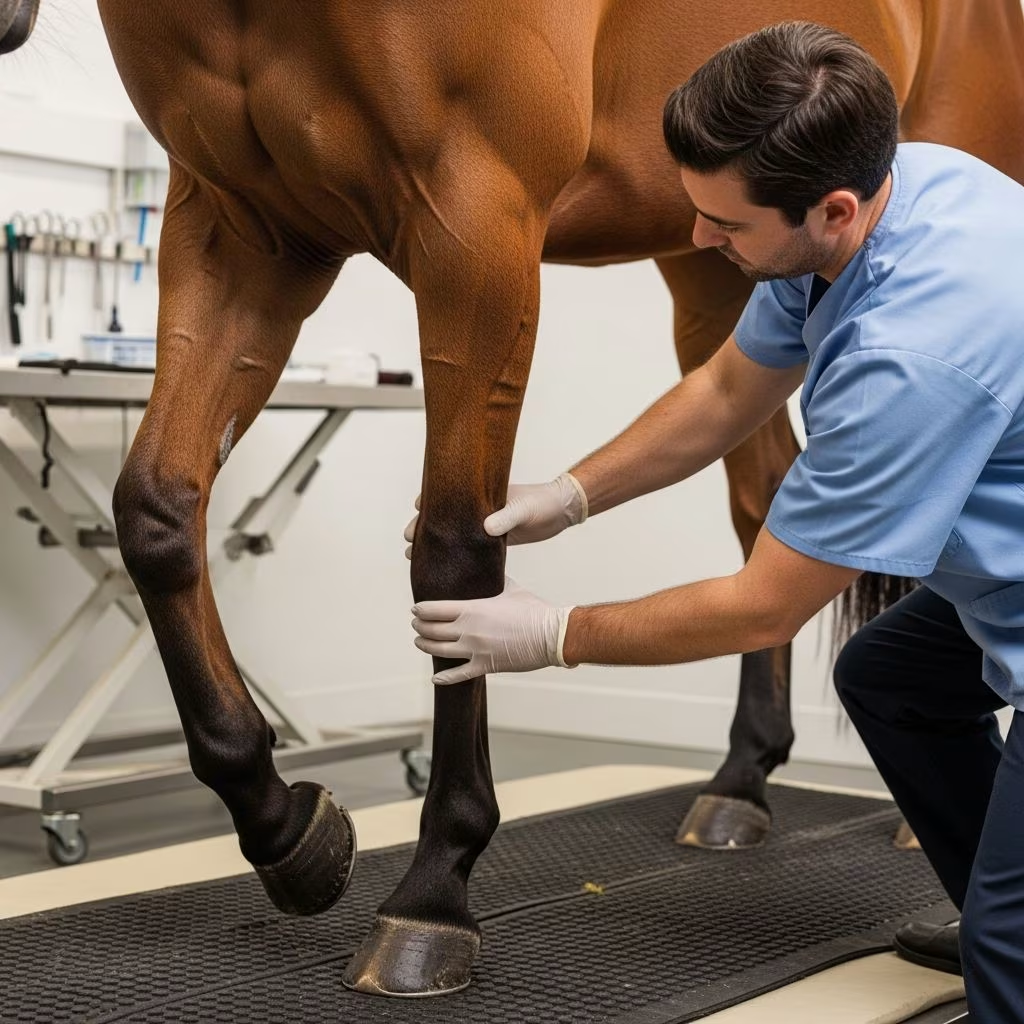
Lameness in horses represents an abnormal gait stemming from musculoskeletal dysfunction, making it the primary reason for reduced performance in athletic equines. This condition arises from pain, mechanical limitations, or neurological issues, demanding prompt veterinary attention to prevent long-term damage.
Recognizing the Signs of Lameness
Early detection of lameness is crucial for horse owners and trainers. Visible indicators include a pronounced head nod during movement, where the horse’s head drops when the affected limb bears weight, and a hip hike on the opposite side. Other signs encompass reluctance to load a specific leg, toe dragging, stiffness upon starting movement, and overall poor performance even in familiar routines.
- Head bobbing: Rhythmically lowers head on the painful limb’s impact.
- Hip elevation: Raises hip of the sound leg higher than usual.
- Limping: Shortened stride or uneven steps.
- Swelling or heat: Localized inflammation in joints, tendons, or hooves.
- Behavioral changes: Irritability, unwillingness to turn, or lying down excessively.
Horses may mask subtle lameness during rest, so observation during trot or under saddle reveals asymmetries better. Acute cases show sudden non-weight bearing, while chronic ones develop gradually with muscle wasting.
Primary Causes Behind Equine Lameness
Lameness originates from diverse sources affecting bones, joints, soft tissues, or nerves. Acute lameness often results from trauma like fractures, abscesses, or laminitis, presenting severely and suddenly. Chronic forms, such as osteoarthritis or tendon degeneration, build over time from repetitive stress.
| Type | Examples | Common in |
|---|---|---|
| Acute | Fractures, infections, laminitis, penetrating wounds | All breeds, post-trauma |
| Chronic | Osteoarthritis, navicular syndrome, suspensory ligament issues | Performance horses, older equines |
| Neurological/Mechanical | Stringhalt, conformation flaws, nerve damage | Young or poorly conditioned horses |
Specific disciplines influence prevalence: racehorses suffer knee arthritis from high-speed impacts, while dressage equines face hindlimb suspensory strains from precise movements. Poor footing, inadequate shoeing, or overtraining exacerbate risks.
Step-by-Step Diagnostic Approach
Veterinarians follow a systematic process to pinpoint lameness sources, starting with history and physical exams. Observing the horse at walk, trot, and lunge—often on varied surfaces—highlights gait flaws. Lameness grading from 0 (normal) to 5 (non-weight bearing) standardizes assessment.
- Static exam: Palpate limbs for heat, swelling, or pain; use hoof testers.
- Dynamic exam: Watch movement straight and circles; note forelimb vs. hindlimb signs.
- Flexion tests: Hyperflex joints briefly, then trot to provoke pain.
- Blocks: Inject local anesthetics to numb regions, isolating the site.
Once localized, imaging confirms diagnoses: radiographs detect bone changes, ultrasound evaluates soft tissues, and advanced tools like MRI or scintigraphy reveal subtle issues.
Treatment Strategies for Recovery
Tailored treatments address root causes, combining rest, medications, and therapies. Initial management often involves stall confinement to reduce inflammation, followed by controlled exercise.
- Medications: NSAIDs like phenylbutazone for short-term pain relief, avoiding prolonged use due to gastric risks.
- Injections: Corticosteroids or hyaluronic acid into joints for arthritis.
- Regenerative therapies: Stem cells, PRP, or shockwave to promote healing in tendons.
- Surgery: Arthroscopy for chip fragments or debridement.
- Rehabilitation: Acupuncture, chiropractic, or underwater treadmill work.
Farriery adjustments, such as corrective shoeing, support hoof balance. Prognosis varies: acute injuries often resolve fully with prompt care, while chronic conditions may require ongoing management.
Preventing Lameness in Your Horse
Proactive measures minimize risks. Regular farrier visits ensure proper hoof angles, while balanced nutrition prevents developmental issues in foals. Gradual conditioning builds resilience against repetitive strains.
- Monitor footing quality during exercise.
- Schedule routine veterinary lameness checks for performance horses.
- Maintain ideal body weight to lessen joint stress.
- Incorporate warm-ups and cooldowns in training.
For aging horses, daily turnout aids joint mobility, countering stiffness.
Advanced Therapies and Future Directions
Emerging options like IRAP (interleukin-1 receptor antagonist protein) and biologics target inflammation precisely. Stem cell therapy shows promise for ligament repairs, with studies indicating faster return to work.
Equine sports medicine integrates technology, such as inertial sensors for objective gait analysis, enhancing diagnosis accuracy.
Frequently Asked Questions
What is the most common cause of lameness in horses?
Pain from musculoskeletal issues like tendon injuries or joint inflammation tops the list, particularly in performance breeds.
How long does lameness recovery take?
Timelines range from weeks for abscesses to months for tendon repairs, depending on severity and treatment compliance.
Can lameness affect both front and hind legs?
Yes, though forelimbs are more prone; bilateral cases often signal systemic issues like laminitis.
Is surgery always needed for severe lameness?
No, conservative approaches succeed in many cases; surgery reserves for structural problems.
How can I tell if my horse is lame at rest?
Look for toe pointing, shifting weight, or limb asymmetry; dynamic tests confirm.
References
- Lameness in Horses – Causes, Treatment and Associated Symptoms — Vetster. Accessed 2026. https://vetster.com/en/symptoms/horse/lameness-in-horses
- Equine Lameness Diagnosis & Treatment in Lebanon — Lebanon Equine Clinic. Accessed 2026. https://lebanonequineclinic.com/services/lameness-diagnosis-treatment/
- Lameness in Horses — PetMD. Accessed 2026. https://www.petmd.com/horse/conditions/musculoskeletal/lameness-horses
- Understanding Lameness in Horses: Causes, Diagnosis, and … — Bluegrass Equine. 2023-09-15. https://www.bluegrassequine.com/site/blog/2023/09/15/understanding-lameness-horses
- Equine Lameness — Texas A&M University College of Veterinary Medicine & Biomedical Sciences. Accessed 2026. https://vetmed.tamu.edu/news/pet-talk/equine-lameness-2/
- Lameness in Horses – Horse Owners — MSD Veterinary Manual. Accessed 2026. https://www.msdvetmanual.com/horse-owners/bone-joint-and-muscle-disorders-in-horses/lameness-in-horses



