

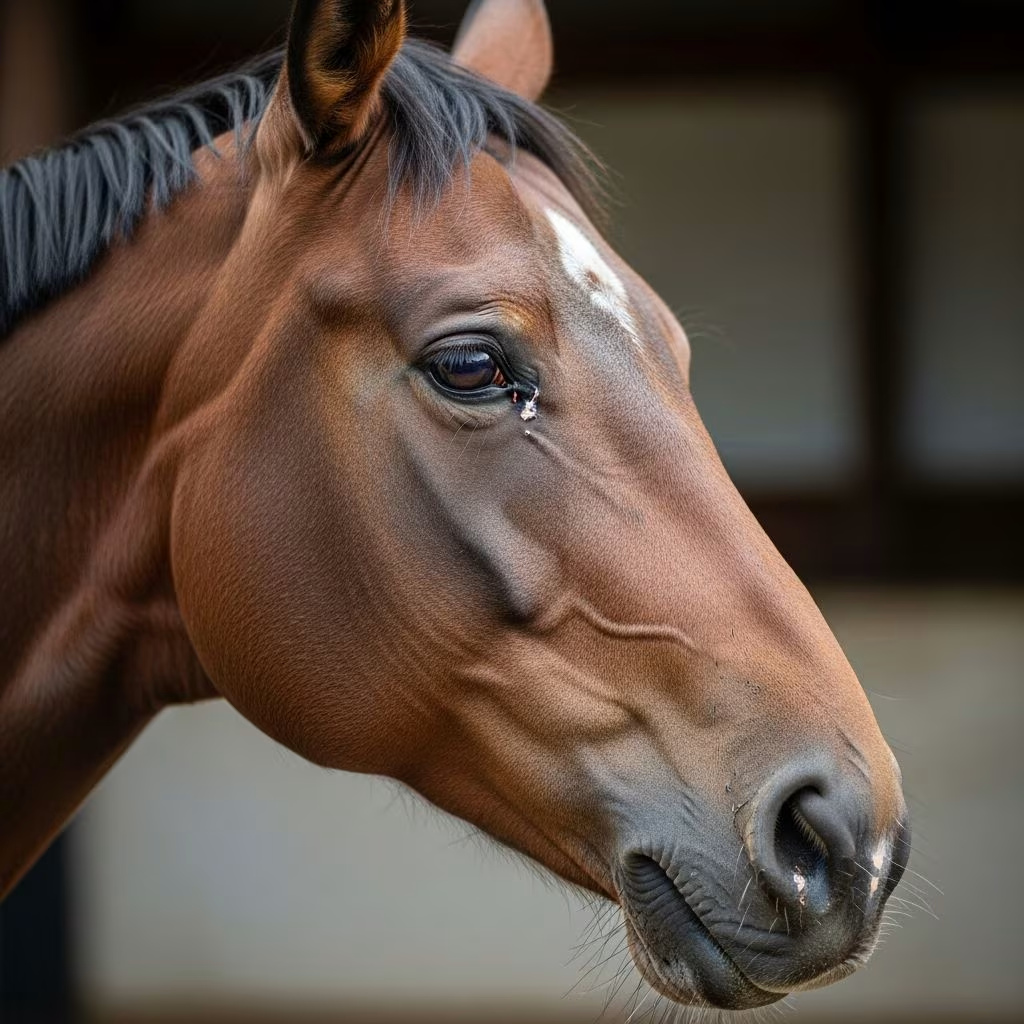
Equine influenza, commonly known as horse flu, represents one of the most prevalent viral respiratory infections in equines, capable of sparking rapid outbreaks in stables, training facilities, and competition venues. This Orthomyxovirus infection primarily targets the upper respiratory tract, leading to significant morbidity but rarely direct mortality unless complicated by secondary issues.
Understanding the Viral Culprit Behind Horse Flu
The disease stems from two primary subtypes of the equine influenza virus (EIV): A/equine-2 (H3N8) and, less commonly, A/equine-1 (H7N7). These viruses exhibit rapid antigenic drift, mutating to evade immunity, which challenges vaccine efficacy over time. EIV spreads efficiently through large respiratory droplets from coughing horses, as well as via contaminated fomites like tack, grooming tools, and trailers. The incubation period spans 1-5 days, enabling swift transmission in dense horse populations such as racetracks or shows.
Global surveillance by organizations like the World Organisation for Animal Health (WOAH) tracks clade evolutions, notably the Florida lineage clades 1 and 2, which dominate current strains. This evolution underscores the need for updated vaccines to match circulating variants. Donkeys and mules may experience more severe symptoms compared to horses, highlighting species-specific variations in susceptibility.
Recognizing Clinical Manifestations Early
Initial signs often emerge abruptly, starting with a spike in body temperature exceeding 38.5°C (101.3°F), sometimes reaching 41°C (106°F). Affected horses display profound lethargy, depression, and anorexia, refusing feed and appearing weak.
- A harsh, dry, nonproductive cough that precedes fever and persists for weeks, distinguishing it from other equine herpesviruses.
- Bilateral serous nasal discharge that progresses to mucopurulent if bacterial superinfections occur.
- Mild lymphadenopathy under the jaw or in retropharyngeal regions, with occasional gagging during eating.
- Secondary signs like limb edema, myositis, or vasculitis in rare cases.
Foals, seniors, and horses with preexisting conditions face heightened risks of complications such as pneumonia or chronic obstructive pulmonary disease. Coughing can endure up to 6 weeks post-recovery, delaying return to performance.
Diagnostic Approaches for Accurate Confirmation
Distinguishing EIV from equine herpesvirus, rhinovirus, or strangles requires prompt veterinary intervention. Nasopharyngeal swabs for PCR testing during the acute phase offer the gold standard for viral detection, boasting high sensitivity. Viral isolation or paired serology provides confirmatory evidence, especially in subclinical cases.
Blood tests and endoscopy may reveal epithelial damage or secondary bacterial involvement. Early diagnosis facilitates isolation, curbing outbreaks.
Management Strategies During Active Infection
No antiviral cures exist; management centers on supportive measures to foster recovery and avert complications. Stall rest is paramount—one week per fever day, minimum 3 weeks to regenerate respiratory cilia.
| Symptom | Management Approach |
|---|---|
| Fever >40°C | NSAIDs like flunixin meglumine for pyrexia control |
| Cough/Nasal Discharge | Dust-free environment, steam inhalation, mucolytics if needed |
| Secondary Bacterial Infection | Targeted antibiotics (e.g., for pneumonia) |
| General Support | Hydration, nutrition via soaked hay, ample ventilation |
Gradual reintroduction to exercise prevents relapse or myocardial damage. Monitor for persistent fever or purulent discharge signaling pneumonia. Full convalescence may span 4-6 weeks.
Prevention: The Cornerstone of Outbreak Control
Vaccination forms the bedrock of prophylaxis, with inactivated intramuscular formulations targeting Florida clades 1 and 2 recommended biannually or per manufacturer guidelines. Intranasal live vaccines enhance mucosal immunity for naive horses. Even vaccinated animals experience milder illness and shed less virus.
Biosecurity protocols are equally vital:
- Quarantine new arrivals for 14-21 days with health checks.
- Disinfect shared equipment, trailers, and facilities using virucidal agents.
- Limit horse commingling during shows; enforce vaccination mandates.
- Maintain low stocking densities and superior stable hygiene.
Outbreak response includes immediate isolation of index cases, movement restrictions, and veterinary notification.
Long-Term Respiratory Health Post-Infection
Post-recovery, horses remain vulnerable to recurrent issues like exercise-induced pulmonary hemorrhage or chronic cough if rushed back to work. Implement a phased conditioning program: light walking escalating to trot over weeks. Regular veterinary exams ensure ciliary regeneration and rule out subclinical damage.
Nutritional support with omega-3 supplements may aid anti-inflammatory recovery, though evidence is anecdotal. Environmental management—clipped hay, dust-suppressed bedding—sustains lung health.
Zoonotic Risks and Global Impact
EIV poses negligible zoonotic threat to humans, unlike avian or swine flu strains, but incurs massive economic losses via canceled events and treatment costs. Historical outbreaks, like the 2007 Australian epidemic, underscore vaccination gaps’ consequences.
International bodies advocate genomic surveillance for vaccine strain selection, ensuring cross-protection against emerging clades.
Frequently Asked Questions (FAQs)
Can vaccinated horses still contract equine influenza?
Yes, breakthrough infections occur due to antigenic drift, but symptoms are milder with shorter shedding periods.
How long does the cough last after horse flu?
Typically 3-6 weeks, as epithelium regenerates.
Is equine influenza fatal?
Rarely; mortality arises from secondary pneumonia in vulnerable horses.
When should I vaccinate my horse against flu?
Primary series at 6 months, boosters every 6-12 months, especially pre-travel.
Can donkeys get horse flu?
Yes, often more severely.
References
- Horse Flu: Equine Influenza Signs & Treatment — British Horse Society. Accessed 2026. https://www.bhs.org.uk/horse-care-and-welfare/health-care-management/horse-health/equine-diseases/equine-influenza/
- Equine influenza (flu) — University of California, Davis School of Veterinary Medicine. Accessed 2026. https://ceh.vetmed.ucdavis.edu/health-topics/equine-influenza-flu
- Equine Influenza – Respiratory System — Merck Veterinary Manual. Accessed 2026. https://www.merckvetmanual.com/respiratory-system/respiratory-diseases-of-horses/equine-influenza
- Equine Influenza: Symptoms & Treatment of the Flu in Horses — PetVet Care Centers. 2022-09-15. https://www.petvetcarecenters.com/site/blog/2022/09/15/equine-influenza
- Equine Influenza — Equine Disease Communication Center. Accessed 2026. https://www.equinediseasecc.org/equine-influenza
- Equine influenza — World Organisation for Animal Health (WOAH). Accessed 2026. https://www.woah.org/en/disease/equine-influenza-2/
- Equine Influenza: Epidemiology, Pathogenesis, and Strategies — PMC (PubMed Central). Accessed 2026. https://pmc.ncbi.nlm.nih.gov/articles/PMC11946173/



