
Understanding Equine Influenza: Symptoms, Care, and Prevention
Complete guide to recognizing, treating, and preventing flu in horses
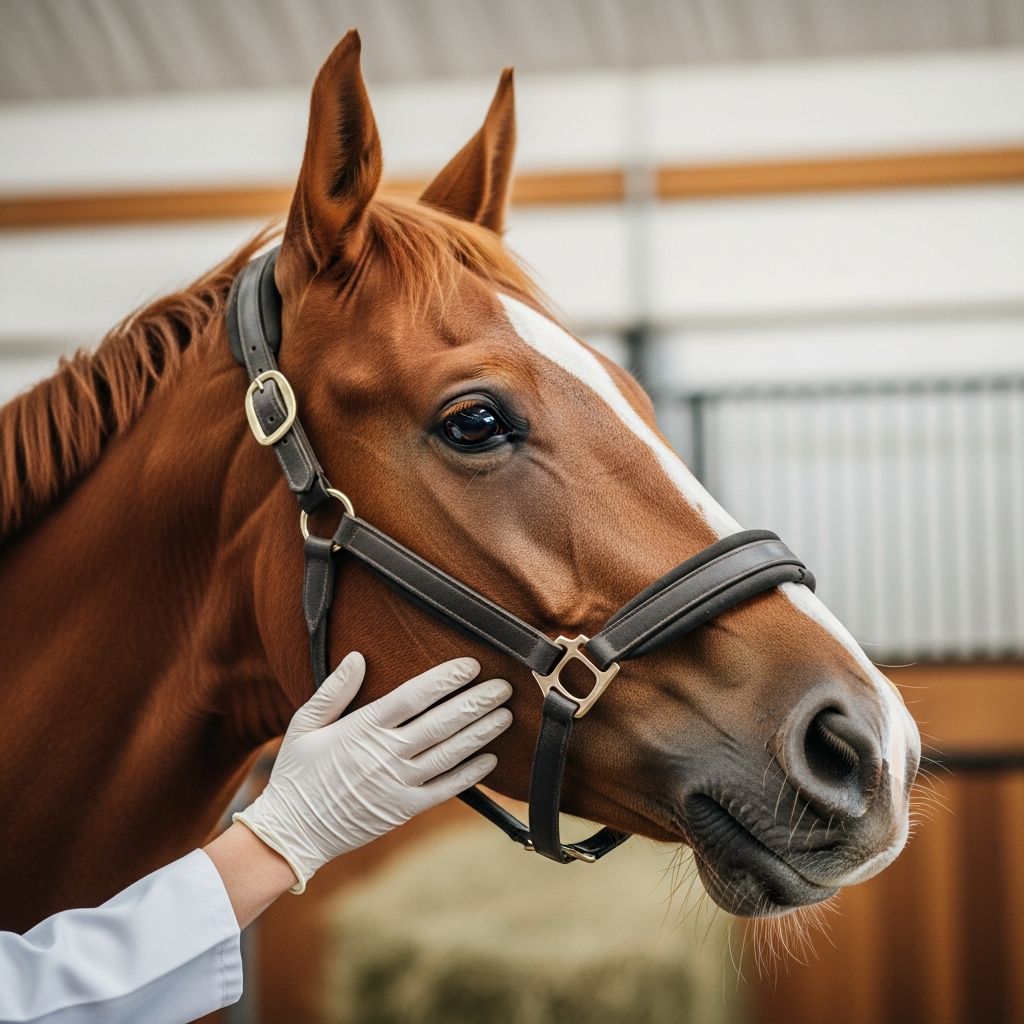
Equine influenza remains one of the most common infectious respiratory diseases affecting horses worldwide. This viral infection spreads rapidly through horse populations and can significantly impact an animal’s health and performance. Understanding the disease, recognizing its signs early, and implementing proper management strategies are essential for any horse owner concerned with their animal’s wellbeing.
What Causes Equine Influenza and How Does It Spread
Equine influenza virus (EIV) is the causative agent behind this highly contagious respiratory disease. The virus transmits between horses through multiple pathways, making containment challenging in shared facilities. Direct contact between infected and healthy horses represents the primary transmission route, but the virus also spreads indirectly through contaminated surfaces and equipment.
Handlers, stable equipment, feed buckets, horse transportation vehicles, and insufficiently cleaned stalls all serve as potential transmission vectors. This indirect transmission method means that even careful horse owners can inadvertently introduce the virus to their herds if proper biosecurity measures are not maintained. The incubation period—the time between exposure and symptom development—typically ranges from one to five days. This relatively short timeframe explains why influenza outbreaks can spread rapidly through unvaccinated horse populations.
Recognizing the Clinical Presentation
Early detection of equine influenza depends on recognizing the characteristic signs of infection. The disease manifests through a constellation of symptoms that typically appear in a predictable sequence:
- Elevated body temperature: Horses develop fever ranging from 101.3°F to 106°F (38.5°C to 41.1°C), often persisting for one to five days.
- Respiratory symptoms: A dry, harsh cough develops early in the infection and represents one of the most distinctive clinical signs of influenza compared to other equine viral respiratory infections.
- Nasal discharge: Initially clear and watery, the discharge may progress to thick, yellow, or greenish coloration within several days as secondary bacterial infections develop.
- Systemic signs: Loss of appetite, lethargy, muscle pain, and general weakness are common accompanying symptoms.
- Lymph node enlargement: Swollen and tender lymph nodes beneath and around the jaw develop, occasionally causing horses to gag when eating.
The cough warrants particular attention because it can persist for six weeks or longer, continuing even after other clinical signs resolve. This prolonged coughing occurs because the influenza virus destroys the respiratory epithelium lining the trachea and bronchi. The mucociliary apparatus—the protective clearing mechanism of the respiratory tract—requires approximately 21 days to regenerate fully.
Understanding Disease Progression and Complications
While many horses recover from uncomplicated equine influenza within two weeks, the recovery trajectory varies significantly based on individual factors and management practices. Young foals, elderly animals, and horses with pre-existing respiratory conditions face heightened risk for severe disease manifestations.
Secondary bacterial infections represent the most concerning complication of equine influenza. These opportunistic infections develop because the damaged respiratory lining cannot effectively defend against bacteria. Common secondary complications include:
- Pneumonia and pleuropneumonia
- Chronic bronchitis
- Myositis (muscle inflammation)
- Myocarditis (heart muscle inflammation)
- Distal limb edema (lower leg swelling)
In serious cases, particularly when secondary bacterial pneumonia develops, equine influenza can prove fatal. Inadequate rest and continued stress during the acute infection phase significantly increase the risk of complications and may result in permanent organ damage.
Diagnostic Approaches for Confirmation
When influenza is suspected, veterinary confirmation is essential for proper management and outbreak control. Diagnosis relies primarily on polymerase chain reaction (PCR) testing of nasopharyngeal swabs collected during the acute phase of illness. Veterinarians may also collect blood samples for serologic testing, which detects antibody responses to the virus.
The diagnostic process confirms the diagnosis but also guides treatment decisions and helps prevent disease spread to other horses. When flu is suspected, isolation of the affected horse should begin immediately, even before diagnostic confirmation.
Treatment Strategies and Management Protocols
Unlike some infectious diseases, equine influenza lacks specific antiviral medications. Treatment focuses entirely on supportive care and creating conditions that allow natural recovery. This approach mirrors human influenza management, emphasizing rest, comfort, and prevention of complications.
Rest Requirements and Activity Restrictions
Rest forms the cornerstone of influenza recovery. The general recovery guideline stipulates one week of stall rest for every day of fever. For horses maintaining normal body temperature, a minimum of three weeks rest is required to allow respiratory epithelium regeneration. This extended rest period applies even to horses without fever, as the respiratory system requires time to heal regardless of temperature normalization.
Returning to work too quickly leads to prolonged illness, relapse, or permanent respiratory damage. Horses should return to exercise gradually under veterinary supervision, with owners refraining from riding or training until the veterinarian approves resumption of activity.
Environmental Management and Supportive Care
The stable environment plays a crucial role in recovery outcomes. Dust levels should be minimized throughout the horse’s environment to prevent additional respiratory irritation. Improved ventilation helps reduce airborne pathogens and irritants. High-quality hay and feed support nutritional needs during recovery, while fresh water should remain constantly available.
Veterinarians may administer non-steroidal anti-inflammatory drugs (NSAIDs) when fever exceeds 104°F (40°C) to manage discomfort and reduce inflammation. Antimicrobial therapy becomes necessary only when secondary bacterial pneumonia develops or when purulent (pus-containing) nasal discharge indicates bacterial superinfection.
Recovery Timeline and Long-Term Outcomes
While initial clinical signs often resolve within several days, complete recovery extends far longer. Horses may require four to six weeks of rest before returning to work. In some cases, full respiratory recovery may take six months or longer. This extended timeline reflects the biological reality of respiratory epithelial regeneration and restoration of normal respiratory function.
Prevention Through Vaccination Strategy
Vaccination remains the most effective tool for preventing equine influenza transmission and reducing disease severity among vaccinated populations. Understanding vaccination options and protocols helps horse owners make informed decisions about their animals’ health.
Vaccine Types and Mechanisms
Two primary vaccine formulations exist for equine influenza protection. Most commercial vaccines are inactivated, adjuvanted vaccines administered via intramuscular injection. These systemic vaccines stimulate antibody production throughout the body. An alternative intranasal modified-live vaccine induces mucosal (local) antibody protection within the respiratory tract. Modified-live intranasal vaccines can achieve protection within five days of administration.
Current Vaccine Strain Recommendations
Modern recommendations specify that equine influenza vaccines should provide protection against clade 1 and clade 2 strains of the Florida lineage. This targeting reflects the viral evolution of equine influenza, as the virus adapts over time. Because influenza is an adaptive virus that changes genetically, maintaining full immunity against all circulating strains proves difficult.
Booster Vaccination Protocols
The immunological response to equine influenza vaccination is temporary, necessitating regular booster doses. All horses require annual vaccinations at minimum, administered no more than one year apart. Six-month booster intervals represent an enhanced protection option that maintains higher antibody levels and provides greater defense against infection.
Before vaccination, veterinarians should assess the horse’s health status. If a horse appears lethargic, shows reduced appetite, or displays other signs of illness, vaccination should be postponed, as the animal may be incubating disease. Vaccinating a horse already infected or incubating infection may trigger adverse reactions.
Vaccine Limitations and Breakthrough Infections
Despite vaccination, breakthrough infections can occur in vaccinated horses due to viral strain variation. However, vaccinated horses experience significantly milder disease and recover more quickly than unvaccinated animals. Importantly, vaccinated horses shed less virus, reducing transmission risk to other animals.
Biosecurity and Outbreak Control Measures
Beyond vaccination, implementing robust biosecurity practices prevents or limits equine influenza spread within facilities. Horses showing respiratory illness should be isolated immediately for a minimum of 14 days after clinical signs resolve. This extended isolation period accounts for potential continued viral shedding.
Stables housing previously infected horses require thorough cleaning and disinfection before housing new animals. Equipment, feed buckets, and other shared materials should be cleaned between horses. Hand hygiene for handlers prevents indirect transmission. When transporting horses, vehicles should be cleaned if they previously housed potentially infected animals.
Frequently Asked Questions About Equine Influenza
Can vaccinated horses get equine influenza?
Yes, vaccinated horses can contract influenza due to viral strain variation, but their illness is typically less severe and shorter in duration than unvaccinated horses. Vaccination significantly reduces disease severity and transmission risk.
How long does recovery take after the fever subsides?
Recovery extends well beyond fever resolution. Horses require one week of rest per day of fever, with a minimum three-week rest period. Full respiratory recovery may take several weeks to months depending on infection severity and management quality.
What should I feed a horse recovering from influenza?
Offer palatable, easily digestible feeds in small frequent meals. High-quality hay supports nutrition while minimizing dust exposure. Fresh water must be constantly available. Consult your veterinarian regarding appropriate nutrition for your specific horse.
Are certain horses at higher risk for severe disease?
Young foals, elderly horses, and animals with pre-existing respiratory conditions face elevated risk for complications. Additionally, pregnant mares or horses in poor condition experience more severe disease manifestations.
References
- Horse Flu: Equine Influenza Signs & Treatment — British Horse Society. 2024. https://www.bhs.org.uk/horse-care-and-welfare/health-care-management/horse-health/equine-diseases/equine-influenza/
- Equine Influenza (Flu) — School of Veterinary Medicine, University of California Davis. 2024. https://ceh.vetmed.ucdavis.edu/health-topics/equine-influenza-flu
- Equine Influenza – Respiratory System — Merck Veterinary Manual. 2024. https://www.merckvetmanual.com/respiratory-system/respiratory-diseases-of-horses/equine-influenza
- Equine Influenza — Equine Disease Communication Center. 2024. https://www.equinediseasecc.org/equine-influenza
- Equine Influenza — World Organisation for Animal Health (WOAH). 2024. https://www.woah.org/en/disease/equine-influenza-2/
- About Horse Flu — Centers for Disease Control and Prevention (CDC). 2024. https://www.cdc.gov/flu-in-animals/about/horse-flu.html
- Equine Influenza — Wisconsin Department of Agriculture, Trade and Consumer Protection (DATCP). 2024. https://datcp.wi.gov/Pages/Programs_Services/EquineInfluenza.aspx
Similar Articles








Read full bio of Sneha Tete


