

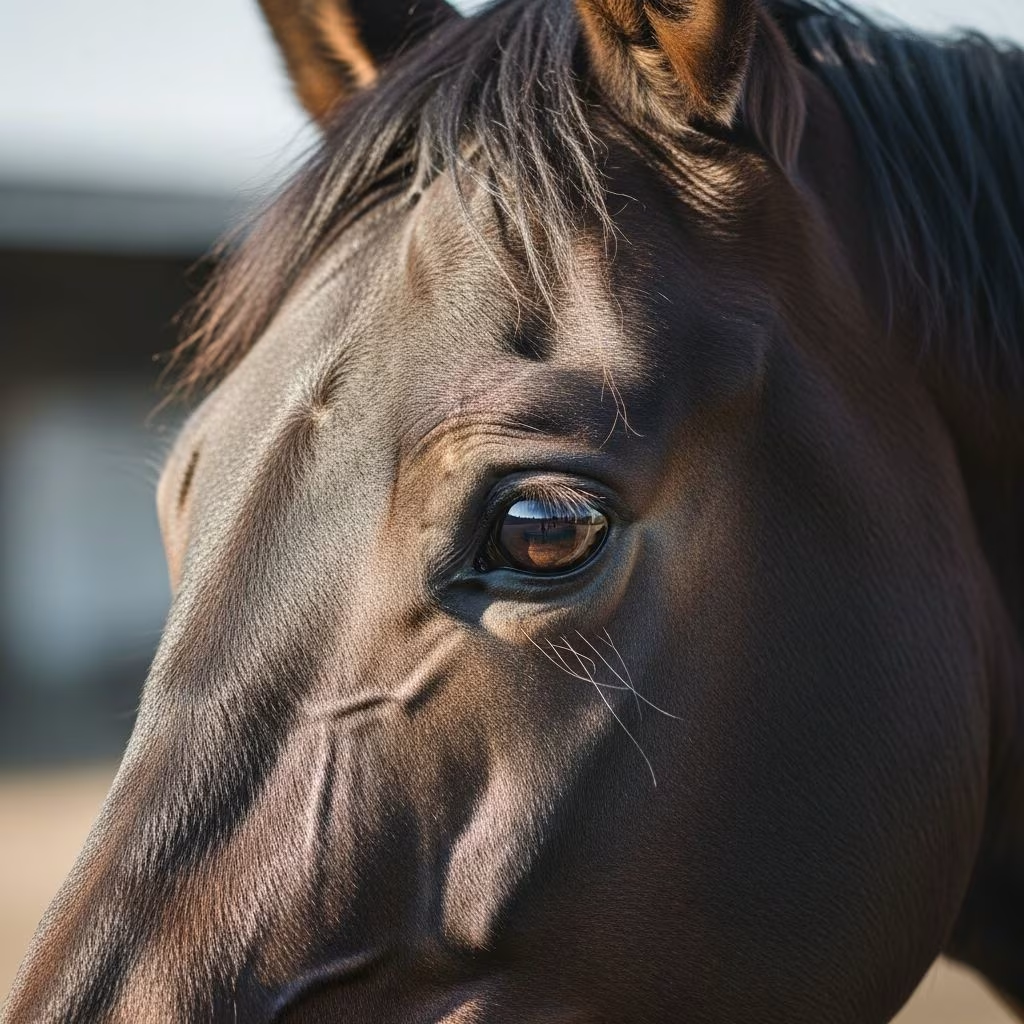
Horses with weakened immune systems face heightened risks of infections that can severely impact their health and longevity. These conditions, known as equine immune deficiencies, disrupt the body’s natural defenses, leading to recurrent illnesses primarily in foals and adult horses. Understanding these disorders is crucial for early detection and intervention.
Understanding the Horse Immune System
The equine immune system comprises innate and adaptive components that protect against pathogens. Innate immunity provides immediate barriers like skin and mucous membranes, while adaptive immunity involves B cells producing antibodies and T cells targeting infected cells. Deficiencies occur when these components fail, either genetically (primary) or due to external factors (secondary).
Primary deficiencies are congenital, affecting young horses as maternal antibodies from colostrum fade. Secondary ones develop later from infections, malnutrition, or stress. Both result in opportunistic infections by bacteria, viruses, fungi, and parasites.
Primary Immune Deficiencies in Foals
Primary disorders manifest shortly after birth when colostral protection wanes, typically around 1-3 months. Foals appear normal initially but soon show signs of severe infections.
Severe Combined Immunodeficiency (SCID)
SCID is the most prevalent genetic immune disorder in horses, caused by a mutation in the DNA protein kinase gene, leading to absent or dysfunctional lymphocytes. Affected foals have profoundly low T and B cell counts, impairing pathogen response.
Clinical signs emerge at 2-3 months: persistent nasal discharge, coughing, fever, diarrhea, lameness from joint infections, and failure to thrive. Common pathogens include equine adenovirus, Rhodococcus equi, Pneumocystis, and Cryptosporidium, often causing fatal pneumonia.
- Respiratory issues: Coughing, nasal discharge, increased lung sounds.
- Gastrointestinal problems: Diarrhea, colic.
- Other signs: Weight loss, swollen joints, skin infections.
Diagnosis involves genetic testing for the Arabian breed-linked mutation, lymphocyte counts, and serum immunoglobulin levels. Prognosis is poor; euthanasia is common to prevent suffering, as no cure exists.
Foal Immunodeficiency Syndrome (FIS)
FIS, identified in Fell ponies, stems from a genetic defect causing low immunoglobulin levels and lymph node abnormalities. Symptoms appear around two months: rough coat, lethargy, chronic diarrhea, nasal discharge, poor nursing, pale mucous membranes, and stunted growth.
Infections drive the clinical picture, with bacterial and parasitic invasions leading to rapid decline. Genetic testing confirms FIS; affected foals rarely survive past weaning without intensive care.
Selective IgM Deficiency (SIgMD)
SIgMD features isolated low IgM antibodies, crucial for mucosal immunity. Foals develop symptoms between 2-8 months: poor growth, respiratory distress, nasal discharge, swollen joints, lameness, and diarrhea.
Unlike SCID, B cells function but IgM production fails, heightening bacterial infection risk. Blood tests reveal low IgM with normal other immunoglobulins.
Agammaglobulinemia
This rare condition involves total antibody absence due to B cell failure. Horses suffer pneumonia, joint sepsis, laminitis, dermatitis, and gut infections, often fatal in youth.
Common Variable Immunodeficiency (CVID) in Adult Horses
CVID, a late-onset disorder, affects mature horses (median age 12 years) with B cell dysfunction and hypogammaglobulinemia. It presents with recurrent fevers, infections, and poor condition.
Primary signs include upper/lower respiratory infections (rhinitis, sinusitis, pneumonia from Streptococcus equi zooepidemicus), meningitis, ataxia, cholangiohepatitis, colitis, dermatitis, and severe parasitism. Weight loss and muscle wasting are common.
| Common CVID Presentations | Description | Frequency |
|---|---|---|
| Respiratory Infections | Rhinitis, pharyngitis, pneumonia | Most common |
| Neurologic Issues | Meningitis, ataxia | Frequent |
| Gastrointestinal | Colitis, parasitism, ulcers | Common |
| Skin Disorders | Dermatitis, vasculitis | Occasional |
| Autoimmune | Uveitis, urticaria | 10-27% |
CVID also links to autoimmune diseases like uveitis and inflammatory bowel disease, plus rare lymphoproliferative issues. CD4 T cell lymphopenia contributes to fungal and opportunistic infections.
Secondary Immune Deficiencies
These arise from non-genetic causes like viral infections (e.g., equine viral arteritis), malnutrition, stressors, or drugs. Symptoms mimic primary ones: recurrent pneumonia, abscesses, poor growth, osteomyelitis.
Horses experience multi-site infections, organ abscesses, and weight loss. Diagnosis differentiates via history and ruling out primaries.
Recognizing Symptoms Across Disorders
- Recurrent pneumonia or respiratory infections (2+ episodes/year).
- Opportunistic pathogens or multi-organ involvement.
- Failure to gain weight despite good feed.
- Chronic diarrhea, joint swelling, fever.
- Poor response to standard treatments.
Early vigilance saves lives, especially in foals post-colostrum.
Diagnostic Approaches
Veterinarians use:
- Bloodwork: Immunoglobulin levels (IgG, IgA, IgM), lymphocyte subsets via flow cytometry.
- Genetic Tests: PCR for SCID/FIS mutations.
- Imaging/Cultures: X-rays, ultrasound, pathogen identification.
- Biopsies: Lymph node analysis for hypoplasia.
For CVID, repeated low gammaglobulins post-vaccination confirm dysfunction.
Management and Treatment Strategies
No cures exist for primary deficiencies; management is supportive:
- Plasma Transfusions: Temporary antibodies for foals.
- Antibiotics/Antifungals: Aggressive against infections.
- Parasite Control: Strict deworming.
- Isolation: Prevent spread.
For CVID, monthly plasma infusions, prophylactic antibiotics, and vaccination monitoring help some horses live longer. Nutritional support aids secondary cases.
Prevention Through Breeding and Care
Genetic screening in breeds like Arabians (SCID) and Fell ponies (FIS) prevents carrier matings. Ensure colostrum intake (IgG >800 mg/dL at 24 hours). Maintain hygiene, vaccination, and stress reduction.
Frequently Asked Questions (FAQs)
What causes immune deficiencies in horses?
Primaries are genetic (e.g., SCID mutation); secondaries from viruses, poor nutrition, or age.
Can horses with SCID survive?
Rarely; most euthanized due to untreatable infections.
How is CVID diagnosed in adults?
Via hypogammaglobulinemia, infection history, and exclusion of other causes.
Is there a vaccine for these disorders?
No; they impair vaccine response. Focus on prevention.
What breeds are at risk for primary immunodeficiencies?
Arabians (SCID), Fell ponies (FIS); others sporadically.
Long-Term Outlook and Research Directions
Primary cases have dismal prognoses, with survival under one year. CVID horses may persist with care but face chronic issues. Ongoing research explores gene therapies and immunomodulators.
Horse owners should consult equine immunologists for tailored plans. Regular vet checks catch issues early.
References
- The main immune deficiencies in horses — ESC Laboratoire. 2023. https://www.esclaboratoire.com/en/deficiences-immunitaires-chez-le-cheval/
- Equine common variable immunodeficiency: lessons from 100 cases — PMC (Peer-reviewed). 2024-10-15. https://pmc.ncbi.nlm.nih.gov/articles/PMC11565712/
- Primary Immunodeficiency Disorders in Horses — Mad Barn (Veterinary resource). 2024. https://madbarn.com/immunodeficiency-disorders-in-horses/
- Severe Combined Immunodeficiency (SCID) — UC Davis Center for Equine Health (.edu). 2023-05-01. https://ceh.vetmed.ucdavis.edu/health-topics/severe-combined-immunodeficiency-scid
- Immunodeficiency Disorders — HAH Pets (Veterinary clinic). 2022. https://www.hahpets.com/articles/415741-immunodeficiency-disorders



