

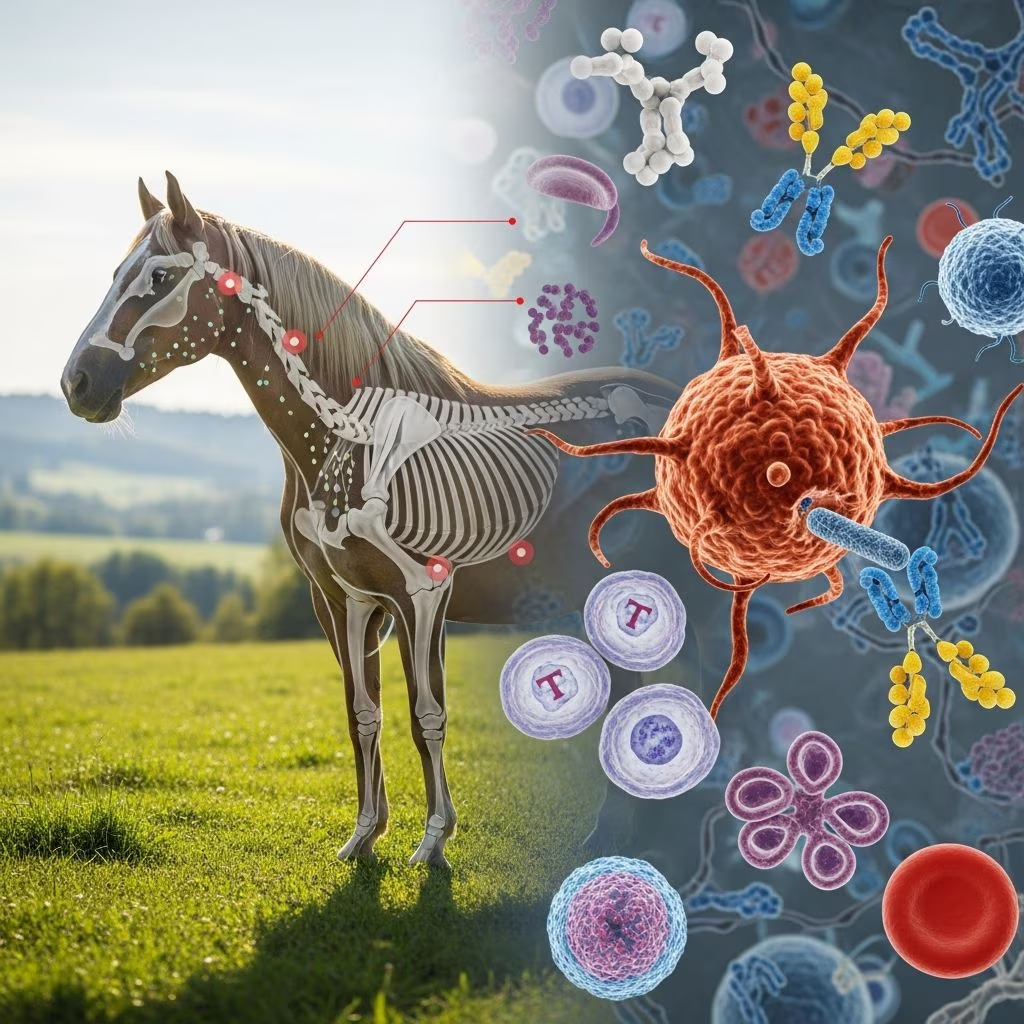
A horse’s immune system represents one of the most sophisticated biological defense mechanisms in nature. This intricate network of cells, tissues, and molecular signals works continuously to identify and neutralize threats ranging from bacterial infections to viral pathogens and parasitic invaders. Understanding how this system functions provides valuable insight into equine health management and disease prevention strategies.
The equine immune apparatus operates through a coordinated series of defensive layers, each with distinct mechanisms and response times. Rather than a single unified structure, the immune system comprises distributed components throughout the body that communicate and collaborate to maintain the horse’s health. This multi-layered approach ensures that even if one defense mechanism is compromised, others remain active to protect the animal.
The Foundation: Understanding Three Protective Layers
The equine immune system functions through three distinct but interconnected levels of defense. Each layer offers progressively more sophisticated and specialized protection, working sequentially to prevent disease establishment and progression. This hierarchical organization reflects millions of years of evolutionary refinement, creating a system that balances rapid response with targeted precision.
Physical Barriers: The First Line of Defense
Before any microscopic pathogen can cause harm, it must first breach the physical barriers that form the horse’s outer defensive wall. The skin represents the most obvious barrier, providing a continuous protective membrane that prevents pathogen entry while maintaining internal fluid balance. This barrier functions through multiple mechanisms including the acidic pH of the skin surface, which inhibits bacterial growth, and the constant shedding of outer skin cells that removes trapped microorganisms.
Beyond the skin, mucous membranes lining the respiratory, digestive, and urinary systems create additional protective boundaries. These specialized tissues produce mucus containing antimicrobial compounds that trap pathogens and prevent their attachment to underlying cells. The respiratory system further employs mechanical defenses through coughing and sneezing reflexes, which forcefully expel pathogen-laden mucus before invaders can penetrate deeper into the lungs.
The gastrointestinal tract deserves particular attention as a defensive frontier. Stomach acid creates an inhospitable environment for many pathogens, while the intestinal barrier maintains selective permeability that allows nutrient absorption while excluding harmful organisms. The sheer volume of beneficial bacteria colonizing the equine digestive system also plays a crucial role by occupying ecological niches and producing compounds that inhibit pathogenic competitors.
Innate Immunity: Rapid-Response Defense System
When pathogens breach physical barriers, the innate immune system activates its rapid-response mechanisms. Unlike the adaptive immune response, innate immunity does not require prior exposure to a pathogen or lengthy activation periods. Instead, it mobilizes within minutes to hours, deploying cells and molecules that non-specifically recognize and eliminate invaders.
The cellular foundation of innate immunity rests on specialized white blood cells called phagocytes. These cells, primarily neutrophils and macrophages, function as mobile security patrols throughout the body. Phagocytes recognize pathogens through toll-like receptors (TLRs) on their cell surface, which bind to characteristic structures found on bacterial, viral, and fungal surfaces. This recognition system enables rapid identification of numerous pathogen types despite their molecular diversity.
Once a phagocyte identifies a pathogen, it engulfs the invader through a process called phagocytosis, essentially surrounding and consuming the threat. Inside the phagocyte, specialized compartments release potent antimicrobial compounds that destroy the pathogen’s cellular machinery. This process occurs continuously throughout the horse’s body, with trillions of phagocytes maintaining constant vigilance.
Additional innate immune components include dendritic cells, which serve as reconnaissance units by detecting pathogens and transporting pathogen information to lymph nodes where adaptive immunity can be mobilized. Fibrocytes contribute complementary phagocytic mechanisms with different recognition and elimination strategies, enhancing the innate system’s overall effectiveness.
Adaptive Immunity: Precision-Targeted Defense
The adaptive immune system represents the horse’s sophisticated response to specific threats. Whereas innate immunity responds identically to all pathogens, adaptive immunity develops customized defenses against particular invaders. This specialization requires days to weeks for full activation but generates superior long-term protection.
Two primary cellular mechanisms drive adaptive immunity: humoral and cell-mediated responses. Humoral immunity centers on antibody production by B cells. When a foal is born, it possesses a diverse repertoire of B cells capable of producing antibodies against numerous potential pathogens. However, these antibodies remain low in diversity and affinity. Through exposure to pathogens or vaccines, specific B cell populations expand and undergo genetic modifications that improve antibody quality and specificity.
Antibodies function through multiple protective mechanisms. They neutralize pathogens by blocking attachment to healthy cells, preventing infection from spreading. Antibodies also coat pathogens, making them more recognizable and digestible to phagocytes—a process called opsonization. Additionally, antibodies activate the complement system, a cascade of plasma proteins that directly destroy pathogenic cell membranes.
Cell-mediated immunity employs T lymphocytes as its primary executors. Helper T cells (CD4+ cells) coordinate immune responses by releasing signaling molecules called cytokines that direct other immune cells. Killer T cells (CD8+ cells) identify and destroy infected cells, particularly those harboring viruses or intracellular bacteria. Specialized T cell subtypes including TH1, TH2, and TH17 cells provide distinct functional roles, from promoting antibody production to coordinating inflammatory responses.
Lymphoid Organs: The Control Centers
While immune cells circulate throughout the body, specialized lymphoid organs coordinate their activities through chemical signaling and cellular interactions. These control centers collect pathogen information and orchestrate appropriate immune responses across the entire organism.
Lymph Nodes function as regional filtering stations distributed throughout the body, concentrating immune cells in strategic locations. As lymphatic fluid flows through these nodes, pathogens and dendritic cells carrying pathogen information encounter lymphocytes in environments optimized for immune cell activation and proliferation. Enlarged lymph nodes during infection represent this activation process, as the nodes expand to accommodate increased immune cell populations.
The Spleen serves as a central processing hub where blood-borne pathogens are filtered, and circulating immune cells interact and coordinate responses. The spleen contains specialized compartments where antibody responses develop and where aged or damaged red blood cells are removed. During systemic infections, the spleen dramatically enlarges as it processes pathogenic material and mobilizes immune reserves.
Bone Marrow represents the birthplace of all blood cells, including the immune cells essential for both innate and adaptive responses. This tissue continuously generates new phagocytes to replace those consumed during pathogenic encounters, while also producing precursor cells that develop into lymphocytes capable of adaptive immune responses. The bone marrow’s constant production ensures the immune system maintains sufficient cell populations despite the constant demands of immune defense.
Supporting Immune Function Through Nutritional Foundations
The immune system’s capacity to generate rapid responses and maintain long-term surveillance depends fundamentally on adequate nutrition. Every immune process, from phagocytic cell division to antibody synthesis, requires specific nutrients functioning as cofactors and building blocks.
Energy Requirements: The immune system’s continuous operations demand substantial metabolic energy. Carbohydrates, fats, and proteins all contribute to meeting these energy needs through cellular metabolism. During infectious challenges, immune system activity increases dramatically, elevating total body energy requirements. Horses under immune stress require increased caloric intake to sustain both their basal metabolism and enhanced immune function.
Protein and Amino Acids: Antibody molecules are proteins, as are the regulatory cytokines that coordinate immune responses and the structural components of immune cells themselves. Adequate protein intake ensures the horse can synthesize these essential molecules. Horses with marginal protein status demonstrate reduced antibody production and impaired immune cell function, compromising both disease resistance and vaccine responsiveness.
Micronutrient Cofactors: Vitamins C, E, and A, along with minerals including zinc and selenium, function as essential cofactors for immune enzymes and signaling molecules. Vitamin E protects immune cells from oxidative damage, vitamin C supports immune cell function, and vitamin A maintains mucous membrane integrity. Zinc enables proper phagocyte function and T cell development, while selenium incorporation into selenoproteins protects against oxidative stress. Deficiencies in any of these nutrients impair immune responses and increase disease susceptibility.
Age-Related Changes in Immune Competence
The equine immune system evolves substantially throughout the horse’s lifespan. Young horses experience gradual immune maturation as their adaptive immune repertoire expands through exposure to environmental pathogens and vaccination. This developmental process explains why yearlings and young horses sometimes experience more respiratory infections than older individuals—their immune systems are still acquiring experience with common pathogens.
In mature horses, typically between ages 5 and 20, the immune system reaches peak efficiency. Immune memory becomes comprehensive as the horse encounters numerous pathogens and receives routine vaccinations. This experience enables rapid, effective responses to previously encountered threats. Mature horses generally exhibit superior disease resistance compared to younger or older individuals.
In horses exceeding 20 years of age, immune function begins declining through a process called immunosenescence. The thymus gland, where T cells develop, involutes with age, reducing T cell production. Antibody responses become less robust, and vaccine efficacy may diminish. Older horses also experience increased baseline inflammation, potentially contributing to chronic conditions and reduced recovery capacity from illness. These age-related changes vary substantially based on genetics, nutrition, lifetime stress exposure, and overall health status.
Frequently Asked Questions
How long does it take for a horse’s adaptive immunity to develop?
Adaptive immune responses typically develop over days to weeks following initial pathogen exposure or vaccination. The initial response remains relatively weak as B and T cells undergo expansion and refinement. Subsequent exposures produce stronger and faster responses due to immune memory, which is why vaccination boosters enhance long-term protection.
Can a horse’s innate immunity alone protect against all infections?
While innate immunity provides essential first-line defense, it has limitations against pathogens that have evolved evasion strategies. The adaptive immune system’s specificity and memory enhance protection against established pathogenic threats. The most effective disease resistance relies on coordinated function of both innate and adaptive components.
What immune organs can be palpated during a physical examination?
Lymph nodes represent the most accessible immune organs during routine examination. Enlarged submandibular, parotid, and prescapular lymph nodes indicate regional immune activation, typically in response to infections of the head, neck, or forelimbs. The spleen cannot be palpated in healthy horses but enlarges palpably during systemic infections.
How do vaccines enhance adaptive immunity?
Vaccines introduce pathogen components (antigens) in forms that stimulate adaptive immune development without causing disease. This artificial pathogen exposure allows B cells to develop antibodies and T cells to develop memory before natural infection occurs. Upon subsequent exposure to the actual pathogen, immune memory enables rapid, protective responses before disease symptoms develop.
Are there differences in immune function between horse breeds?
While all horses possess the same basic immune mechanisms, genetic variations among breeds may influence baseline immune competence and disease susceptibility. However, management factors including nutrition, stress, and infection exposure typically exert greater influences on immune function than breed genetics.
Stress, Exercise, and Immune Modulation
Physical and psychological stressors substantially influence equine immune function through multiple mechanisms. Intense training and competition can temporarily suppress immune responses, particularly through neutrophil function alterations. Chronically stressed horses demonstrate reduced vaccine responsiveness and increased susceptibility to respiratory infections. Conversely, appropriate exercise and training enhance immune function through improved cardiovascular circulation that facilitates immune cell distribution and enhanced lymphatic drainage that promotes lymph node processing of antigens.
Integration and Conclusion
The equine immune system exemplifies biological engineering excellence, integrating physical barriers, innate cellular responses, and sophisticated adaptive mechanisms into a coordinated defense apparatus. Understanding this system’s structure and function enables horse owners and veterinarians to support immune health through appropriate management, nutrition, and preventive medicine. Recognition that immune function varies with age, nutrition, stress, and training status allows customized approaches that optimize individual horse health and performance.
References
- Equine Immune System – How to Support Horse Immune Health — SmartPak Equine. Accessed February 2026. https://www.smartpakequine.com/learn-health/equine-immune-system
- Disease Du Jour: Equine Immune System Overview — Equi Management. Accessed February 2026. https://equimanagement.com/podcasts/disease-du-jour-podcast/disease-du-jour-equine-immune-system-overview/
- Immune Systems in Horses – Equine Research Database — Mad Barn. Accessed February 2026. https://madbarn.com/research-topics/immune-system/
- Equine Immunity From Birth to Old Age — The Horse. Accessed February 2026. https://thehorse.com/157320/equine-immunity-from-birth-to-old-age/
- Immune Functions Alterations Due to Racing Stress in Thoroughbreds — PubMed Central / National Center for Biotechnology Information. 2022. https://pmc.ncbi.nlm.nih.gov/articles/PMC9104563/



