

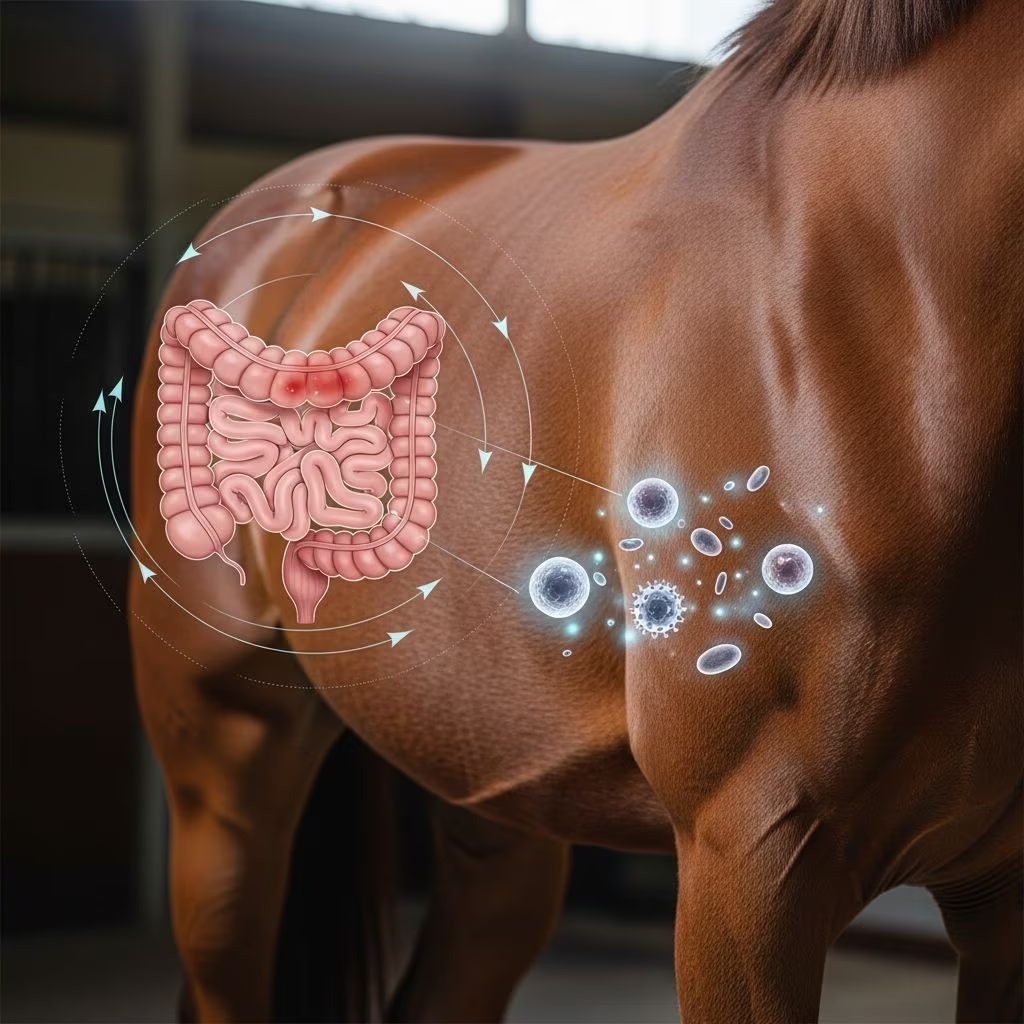
Inflammatory bowel disease (IBD) represents a challenging group of conditions affecting the equine gastrointestinal system, characterized by persistent inflammation that disrupts normal digestion and nutrient uptake. Horses battling IBD often face chronic issues that demand prompt veterinary intervention and careful management.
Recognizing the Signs of Gut Inflammation in Horses
Horses with IBD typically exhibit a range of nonspecific symptoms that can mimic other digestive disorders. The most prominent sign is progressive weight loss, even when the horse maintains a normal or increased appetite, signaling impaired absorption in the intestines.
- Chronic diarrhea, particularly if the large intestine is involved, leading to dehydration and electrolyte imbalances.
- Recurrent episodes of mild to moderate colic, caused by partial obstructions or discomfort from thickened intestinal walls.
- Ventral edema, or swelling along the abdomen, due to protein loss into the gut lumen.
- Lethargy, poor coat quality, and diminished performance levels, reflecting systemic effects of malnutrition.
- In certain forms, skin lesions or dermatitis on the face, legs, or belly, especially in multisystem variants.
These symptoms may wax and wane, with periods of apparent recovery followed by flare-ups, complicating early detection. Owners should monitor for persistent poor body condition despite optimal feeding.
Unraveling the Underlying Mechanisms
The precise triggers of equine IBD remain elusive, but evidence points to an aberrant immune response targeting the intestinal lining. Potential culprits include hypersensitivity to dietary antigens, bacterial overgrowth, or parasitic infestations that provoke ongoing inflammation.
Pathologically, IBD manifests as infiltration of inflammatory cells—such as lymphocytes, plasma cells, or eosinophils—into the gut wall, leading to thickening, ulceration, and fibrosis. This hampers motility and absorption, perpetuating a cycle of malnutrition.
Classifying the Variants of Equine IBD
Equine IBD encompasses several subtypes, each with distinct cellular profiles and clinical presentations. Understanding these helps tailor interventions.
| Subtype | Key Features | Common Sites | Prognosis |
|---|---|---|---|
| Granulomatous Enteritis | Lymphocyte and macrophage infiltration; severe malabsorption | Small intestine | Guarded |
| Lymphocytic-Plasmacytic Enterocolitis | Plasma cell dominance; chronic diarrhea | Small and large intestine | Fair with treatment |
| Multisystem Eosinophilic Enteritis (MEED) | Eosinophil-heavy; skin involvement, anemia | Multiple organs | Poor to fair |
| Idiopathic Focal Eosinophilic Enteritis (IFEE) | Focal bands of inflammation; acute colic | Small intestine | Good if surgical |
IFEE stands out for its localized nature, often amenable to resection, unlike the diffuse forms that resist simple fixes.
Diagnostic Approaches for Confirming IBD
Diagnosing IBD is often a process of exclusion, as no single test is definitive. Veterinarians start with a thorough history and physical exam, noting chronic weight loss or colic patterns.
Key diagnostics include:
- Bloodwork revealing hypoalbuminemia, anemia, or elevated globulins, indicative of protein-losing enteropathy.
- Abdominal ultrasound detecting thickened intestinal loops or fluid accumulation.
- Rectal palpation to assess bowel wall texture.
- Glucose or xylose absorption tests to quantify malabsorption.
- Rectal or duodenal biopsies for histopathological confirmation, though full-thickness samples via laparotomy provide the gold standard.
Parasite checks via fecal exams are crucial, as larval stages may contribute.
Core Treatment Strategies
Treatment hinges on immunosuppression, nutritional support, and addressing secondary issues. Corticosteroids like dexamethasone or prednisolone form the cornerstone, often administered long-term with gradual tapering.
- Immunosuppressants: Azathioprine or hydroxyurea for steroid-resistant cases; omega-3 supplements for anti-inflammatory effects.
- Parasite Control: Targeted deworming, especially for cyathostomins in MEED forms. A study of 20 horses showed 75% initial response to dewormers plus steroids, with 80% three-year survival among responders.
- Surgical Options: Resection for focal lesions in IFEE, yielding high success rates post-recovery.
Supportive care involves IV fluids for dehydrated patients, gastroprotectants like sucralfate, and anti-endotoxins to prevent laminitis.
Nutritional Management: Fueling Recovery
Diet plays a pivotal role in mitigating symptoms and enhancing drug efficacy. The goal is to maximize digestibility while minimizing immune triggers.
Recommended adjustments:
- Feed small, frequent meals (4-6 daily) to ease small intestine burden and improve uptake.
- Prioritize highly digestible forages like beet pulp or alfalfa, aiming for high fiber fermented in the hindgut.
- Use simple, low-antigen rations: rice bran with oils for calories; target 14%+ crude protein to combat hypoproteinemia.
- Avoid grains if hypersensitivity suspected; trial elimination diets under nutritionist guidance.
These strategies can significantly boost quality of life, though research on equine-specific diets lags behind.
Prognosis and Long-Term Outlook
Outcomes vary by subtype and response to therapy. Diffuse lymphocytic forms carry guarded prognoses, with many requiring lifelong low-dose steroids. Focal eosinophilic cases fare better, especially post-surgery.
Early intervention improves odds; monitor for relapse via weight tracking and serial bloodwork. Euthanasia may be considered in refractory cases with severe debilitation.
Frequently Asked Questions (FAQs)
What triggers IBD in horses?
Likely immune dysregulation against gut flora, diet, or parasites; exact cause unknown.
Can diet alone cure IBD?
No, but it supports medical therapy by optimizing absorption and reducing flares.
Is surgery always needed?
Only for focal lesions; most cases manage medically.
How long do treatments last?
Often months to lifelong, with tapering based on response.
Which breeds are at risk?
Standardbreds show predisposition; any horse possible.
Preventive Measures and Monitoring
While not fully preventable, routine deworming, quality forage, and prompt colic evaluation reduce risks. Annual vet checks for hard-keepers aid early detection.
References
- Inflammatory Bowel Disease in Horses — Merck Veterinary Manual. 2023. https://www.merckvetmanual.com/digestive-system/miscellaneous-intestinal-diseases-in-horses/inflammatory-bowel-disease-in-horses
- IBD in Horses – Signs, Causes, Treatment & Diet — Mad Barn. 2024. https://madbarn.com/inflammatory-bowel-disease-in-horses/
- Inflammatory Bowel Disease in Horses: What You Need to Know — Kentucky Equine Research. 2023. https://ker.com/equinews/inflammatory-bowel-disease-in-horses-what-you-need-to-know/
- Inflammatory Bowel Disease in Horses — South East Equine Hospital. 2024. https://seeh.com.au/inflammatory-bowel-disease-in-horses/
- Ep. 71 – Inflammatory Bowel Disease (IBD) in Horses — YouTube (Equine Veterinary Journal). 2023. https://www.youtube.com/watch?v=d-3m_lJ1Ths
- Colitis in Adult Horses — VetSpecialists.com. 2020-05-01. https://www.vetspecialists.com/vet-blog-landing/animal-health-articles/2020/04/01/colitis-in-adult-horses



