

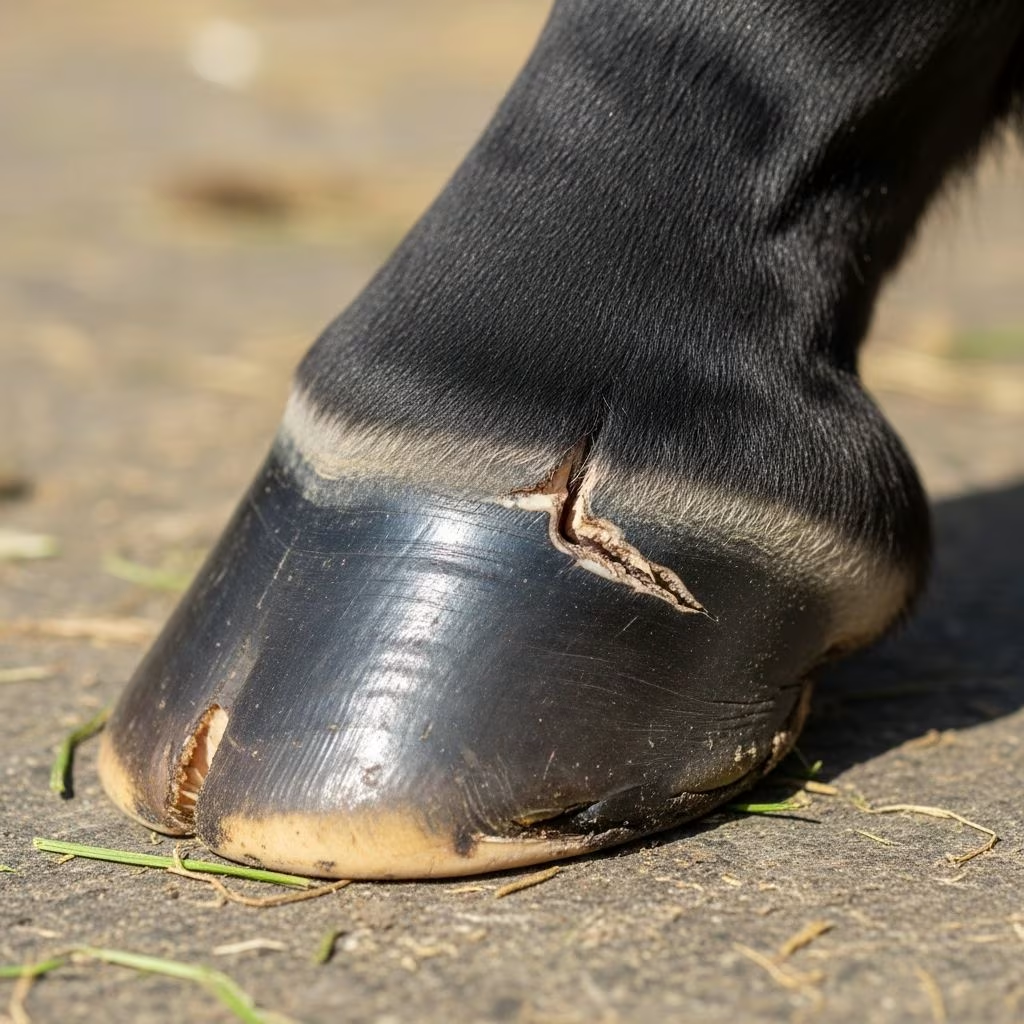
The white line represents a critical anatomical junction in the equine hoof structure, serving as the boundary where the hard outer hoof wall connects to the softer sole beneath. This delicate interface can become compromised by a serious infection known as white line disease, a condition that threatens both the structural integrity of the hoof and the overall soundness of affected horses. Understanding this disease—from its subtle beginnings to its severe manifestations—is essential for horse owners and equine care professionals who wish to maintain their animals in optimal condition.
Anatomical Significance and Disease Mechanics
White line disease, despite its name, does not primarily involve the white line itself. Instead, the infection targets the epidermal laminae, which are microscopic structures responsible for anchoring the coffin bone securely within the hoof capsule. When these laminae become compromised, the structural support system weakens, potentially leading to catastrophic consequences if left untreated. The disease characterizes itself through the separation of hoof wall layers, creating hollow cavities that can extend upward from the toe region toward the coronary band.
The infection manifests most frequently in the front feet, though it can develop in any hoof. The condition represents a complex interaction between environmental factors, microbial organisms, and the structural integrity of the hoof itself. Both fungal and bacterial pathogens have been identified in affected tissue, suggesting that multiple organisms may work synergistically to cause tissue degradation.
Underlying Causes and Risk Factors
The development of white line disease typically involves a combination of predisposing factors that compromise hoof integrity. Several stress-related conditions can initiate the cascade of laminar separation:
- Biomechanical imbalances: Faulty hoof conformation and improper hoof-ground interface mechanics
- Structural deformities: Flexor tendon deformities that alter weight distribution patterns
- Ground-related trauma: Concussive forces from prolonged contact with hard surfaces
- Hoof geometry problems: Excessively long toes that create unfavorable leverage and strain
- Body weight considerations: Overweight horses with proportionally small hooves experiencing excessive pressure
Environmental factors significantly influence disease progression. Prolonged contact with manure accelerates hoof tissue degradation, particularly when the hoof wall quality is already compromised. Extended exposure to wet conditions without adequate drainage contributes to tissue softening and bacterial proliferation. The combination of moisture, lack of air circulation, and bacterial or fungal activity creates an ideal environment for infection establishment and spread.
Clinical Recognition and Diagnostic Approaches
Early identification of white line disease presents a significant challenge, as the infection often progresses silently without obvious clinical signs in its initial stages. Most horses with developing white line disease do not exhibit lameness until the condition has become well-established. This hidden nature of the early disease makes routine professional hoof examination particularly valuable.
A farrier typically discovers white line disease during scheduled hoof care and maintenance. The diagnostic process involves visual and tactile examination:
- Observation of crumbly or powdery black or gray tissue at the white line junction
- Paring away damaged horn tissue to visualize the separation between hoof layers
- Tapping on the hoof wall over the affected area produces a characteristic hollow sound
- Detection of bulges or sunken areas in the hoof outline
- Visual identification of abnormally deep cavities within the inner hoof wall layer
Veterinary examination may include radiographic evaluation to assess the extent of structural damage and determine whether coffin bone rotation has occurred. X-rays help guide treatment planning and establish realistic recovery timelines. Early recognition is crucial because infection that spreads upward toward the coronary band becomes significantly more difficult to manage and may compromise more of the hoof wall structure.
Comprehensive Treatment Strategy
Effective management of white line disease requires coordinated effort between veterinarians and skilled farriers, following a multi-phase treatment approach.
Infected Tissue Removal
The foundation of successful treatment involves complete elimination of all diseased tissue. This debridement process begins at the ground level and proceeds upward, following the natural path of infection spread. In early cases, a hoof knife may be used to carefully scrape away infected material from hollow areas until healthy tissue is reached. More advanced infections may require removal of the outer hoof wall itself, significantly altering the hoof’s appearance temporarily.
Thorough debridement demands expertise and patience. A farrier may need to examine the affected foot every ten days to identify and remove newly exposed diseased tissue. Failure to remove every trace of infection represents a common reason why some cases prove resistant to treatment.
Antimicrobial and Antifungal Application
Following tissue removal, topical agents help control microbial growth. Multiple options have been employed with varying success rates:
- Iodine solutions
- Bleach solutions
- Hydrogen peroxide
- Copper sulfate
- Commercial hoof disinfectant products
- Methylene blue as a disease-marking dye
Research indicates that thorough mechanical cleaning and wire brushing of affected areas may provide superior results compared to topical medications alone, provided all diseased tissue has been removed. Veterinary guidance assists in selecting appropriate products that eliminate infection without damaging healthy tissue. Interestingly, evidence suggests that some cases resolve after thorough debridement without additional antimicrobial treatment.
Moisture Control and Exposure Management
The subsequent treatment phase emphasizes environmental modification to prevent reinfection. This stage involves a fundamental paradox in hoof care: while some practitioners advocate for packing medication into the affected cavity or applying acrylic patches to exclude dirt and moisture, these measures sometimes perpetuate the dark, damp conditions that allow infection to persist. Current evidence increasingly supports exposing the affected area to air circulation while maintaining strict dryness.
Environmental management strategies include:
- Preventing turnout in wet or dewy pastures
- Eliminating standing water in paddocks and pasture areas
- Providing clean, frequently changed bedding to minimize urine and manure contact
- Maintaining foot cleanliness through regular brushing
- Ensuring adequate drainage in all facilities
Therapeutic Shoeing and Load Management
The final treatment phase addresses hoof support during the extended regeneration period that spans several months to over a year. Strategic shoeing accomplishes multiple objectives: it maintains structural support, reduces pressure on the affected toe region, and protects the vulnerable new horn growth.
Depending on the location and extent of wall removal, specialized shoe designs may prove necessary:
- Egg-bar shoes that distribute pressure more evenly
- Heart-bar shoes that provide frog support and reduce toe loading
- Glue-on shoe systems for horses with compromised nail-hole areas
- Shoes with additional clips or screws for enhanced retention
Prevention: The Optimal Strategy
Preventing white line disease proves far more economical and less time-consuming than treating established infection. A comprehensive prevention program addresses multiple factors:
Routine Farrier Care
Regular hoof evaluation and trimming every five to six weeks provides multiple protective benefits. Frequent examinations allow early detection of disease before extensive tissue destruction occurs. Timely trimming addresses biomechanical imbalances and prevents the tissue strain caused by excessive hoof growth or long toes.
Environmental Management
Maintaining clean, dry living conditions prevents the perpetual moisture exposure that encourages microbial growth. Regular stall cleaning with bedding changes reduces manure contact, which research has demonstrated causes significant hoof tissue deterioration.
Nutritional Support
The dietary component of white line disease prevention involves providing balanced nutrition with special attention to hoof-supporting nutrients. Biotin, methionine, zinc, and iodine are essential minerals and amino acids for developing and maintaining strongly bonded hoof tissue layers. Quality forage and balanced feed formulations provide foundational nutrition, while targeted hoof supplements enhance these protective nutrients.
Prognosis and Long-Term Considerations
While early-stage white line disease responds reasonably well to aggressive treatment, the condition remains notoriously difficult to eliminate. Even horses that appear to recover completely frequently experience recurrence within a few years. This tendency toward re-infection underscores the importance of ongoing prevention strategies and continued vigilance by owners and farriers.
Severe cases may result in permanent structural changes, including rotation of the coffin bone due to widespread laminar damage. In these instances, the horse may experience chronic lameness and require ongoing management strategies to maintain functional soundness.
Key Takeaways for Horse Owners
White line disease demands early detection and aggressive treatment to prevent progression to severe stages. Success requires coordination between skilled farriers and veterinarians, thorough removal of infected tissue, environmental modifications, and patience during the extended healing period. Regular hoof care, clean facilities, balanced nutrition, and ongoing professional oversight offer the best protection against this serious condition. Understanding that no horse is immune to hoof problems reinforces the necessity of maintaining vigilant foot care as a cornerstone of equine health management.
References
- White Line Disease Requires Early Diagnosis and Aggressive Treatment — Kentucky Equine Research. 2024. https://ker.com/equinews/white-line-disease-requires-early-diagnosis-and-aggressive-treatment/
- 7 Common Hoof Problems in Horses – Signs & Treatment — Mad Barn. 2024. https://madbarn.com/hoof-problems-in-horses/
- Dealing with White Line Disease (WLD) — FormaHoof. 2024. https://formahoof.com/dealing-with-white-line-disease
- White Line Disease in Horses — EquiManagement. 2024. https://equimanagement.com/research-medical/white-line-disease-in-horses/
- White Line Disease in Horses: How to Help Treat & Prevent It — Tribute Equine Nutrition. 2024. https://tributeequinenutrition.com/blogs/news/white-line-disease-in-horses-causes-symptoms-support



