

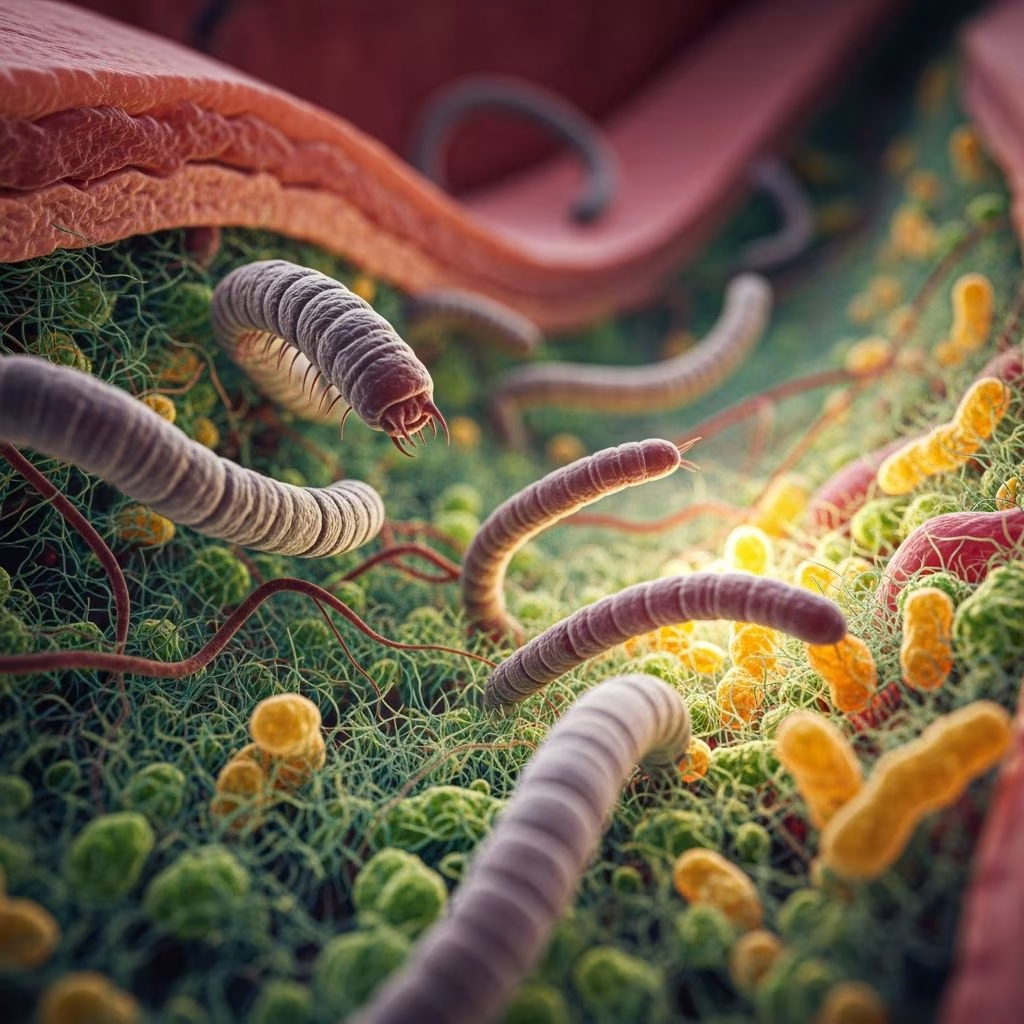
Intestinal parasites pose a significant threat to horse health, leading to issues like colic, poor growth, and even death if unmanaged. These organisms thrive in the digestive tract, disrupting nutrient absorption and causing inflammation.
Why Parasites Thrive in Horses
Horses graze close to the ground, ingesting parasite eggs and larvae from contaminated pastures. Factors like overcrowding, shared pastures with other species, and inconsistent deworming programs exacerbate infestations. Young horses and those under stress are particularly vulnerable.
Major Parasite Types Threatening Equine Digestion
Several worm species dominate equine parasitism, each with unique life cycles and impacts.
Strongyles: The Blood Vessel Raiders
Large strongyles, once the most dangerous, burrow into intestinal arteries, potentially causing blockages, tissue death, and severe colic. Though less common today due to dewormers, they still trigger weight loss, diarrhea, and peritonitis.
Small strongyles, or cyathostomins, are now prevalent. Their larvae encyst in the gut wall, emerging en masse in spring, damaging mucosa and causing protein loss, diarrhea, and life-threatening colic. Horses under six years old face the highest risk.
Ascarids: Foe of Foals and Yearlings
Parascaris equorum primarily affects young horses. Larvae migrate through lungs, inducing coughing, pneumonia, and poor growth. Adults block intestines, leading to rupture or fatal impactions. High burdens cause potbelly appearance and nasal discharge.
Tapeworms: Blockers at the Junction
Anoplocephala perfoliata attaches at the ileocecal junction, irritating tissues and causing impactions or spasms. Symptoms include unthriftiness, anemia, diarrhea, and colic. Eggs spread via forage mites.
Pinworms: The Itch Inducers
Oxyuris equi females lay eggs around the anus, prompting intense tail rubbing and skin sores. Though rarely systemic, heavy loads irritate and signal broader parasite issues.
Lesser-Known Invaders of the Equine Stomach
Beyond major worms, minor parasites contribute to gastric woes.
- Botflies (Gasterophilus spp.): Larvae attach to stomach lining, causing ulcers or rare perforations. Oral stages lead to salivation and chewing issues.
- Habronema and Draschia: Fly-transmitted stomach worms cause gastritis or summer sores on skin. Rarely symptomatic internally.
- Trichostrongylus axei (Small Stomach Worm): Common in mixed grazing with cattle, it inflames the stomach, leading to ulcers and weight loss.
Recognizing Signs of Parasitic Burden
Parasites often lurk silently, but heavy loads manifest clearly. Common indicators include:
- Weight loss or poor body condition despite ample feed.
- Frequent or severe colic episodes.
- Diarrhea, rough coat, and lethargy.
- Reduced performance, slow growth in juveniles, or potbellied foals.
- Tail rubbing, coughing, or anemia.
Symptom severity varies by parasite type, horse age, and burden level. Some horses show no signs yet harbor damaging loads.
How to Diagnose Intestinal Worms
Fecal egg counts (FEC) via flotation detect common nematodes like strongyles and ascarids. Results guide targeted treatment, identifying high shedders.
| Method | What It Detects | Limitations |
|---|---|---|
| Fecal Flotation | Strongyle/ascarid eggs | Misses larvae, tapeworms |
| Coproculture/Larval ID | Trichostrongylus, specifics | Time-intensive |
| Tape Test | Pinworm eggs | Surface only |
| Serology/PCR | Encysted larvae, tapeworms | Costly, not routine |
Bloodwork may reveal anemia or hypoalbuminemia from mucosal damage.
Effective Deworming Strategies
Modern control emphasizes resistance testing and fecal monitoring over blanket treatments.
- Key Anthelmintics: Ivermectin/moxidectin for bots/encysted larvae; fenbendazole/oxibendazole for ascarids; praziquantel for tapeworms.
- FEC-Directed: Treat only horses shedding >200 epg; double-dose resistant cases.
- Rotation: Alternate classes to delay resistance, but test efficacy annually.
Foals need aggressive protocols: deworm at 2, 6, 8 months, then quarterly.
Pasture and Management Best Practices
Deworming alone fails without hygiene.
- Remove manure daily; harrow/cross-graze with cattle.
- Rest pastures 6+ months or mow to expose larvae to UV.
- Quarantine new horses with FEC and double-deworm.
- Avoid overstocking; feed off ground.
Special Considerations for High-Risk Horses
Youngsters, seniors, and stressed horses demand vigilant monitoring. Pregnant mares pass ascarids to foals; deworm pre-foaling. Performance horses benefit from monthly FEC.
FAQs on Horse Parasite Control
How often should I deworm my horse?
Base on FEC, not calendar. Most adults need 2-4 treatments yearly; foals more frequently.
Can parasites cause colic?
Yes, strongyles, tapeworms, and ascarids commonly trigger it via blockages or inflammation.
Are natural dewormers effective?
Limited evidence; they supplement but don’t replace vet-approved drugs.
What if my horse rubs its tail a lot?
Likely pinworms; perform tape test and treat accordingly.
Do indoor horses need deworming?
Yes, via contaminated bedding or hay.
Long-Term Prevention Roadmap
Implement a year-round plan: spring moxidectin for encysted larvae, fall praziquantel combo, daily manure pickup, and annual vet consults. Track FEC trends to refine protocols. Consistent efforts minimize resistance and safeguard herd health.
References
- Intestinal Parasites in Horses — UC Davis Center for Equine Health. 2023. https://ceh.vetmed.ucdavis.edu/health-topics/intestinal-parasites-horses
- Worms Cause Problems for Horses — Veterinary Medicine at Illinois. 2018-08-09. https://vetmed.illinois.edu/2018/08/09/horse-worms-parasites/
- Gastrointestinal Parasites of Minor Clinical Importance in Horses — MSD Veterinary Manual. 2023. https://www.msdvetmanual.com/digestive-system/gastrointestinal-parasites-of-horses/gastrointestinal-parasites-of-minor-clinical-importance-in-horses
- Internal Parasites in Horses — Mad Barn. 2023. https://madbarn.com/internal-parasites-in-horses/
- Intestinal Parasites in Horses: Challenges and Considerations — SUCCEED Veterinary Products. 2023. https://www.succeed-vet.com/educational-resources/blog/equine-gi-management/intestinal-parasites-in-horses-challenges-and-considerations-in-modern-parasite-management/
- Types Of Worms Found In Horses — Blue Cross. 2023. https://www.bluecross.org.uk/advice/horse/health-and-injuries/types-of-worms-found-in-horses
- Gastrointestinal Parasites of Horses — Merck Veterinary Manual. 2023. https://www.merckvetmanual.com/horse-owners/digestive-disorders-of-horses/gastrointestinal-parasites-of-horses



