

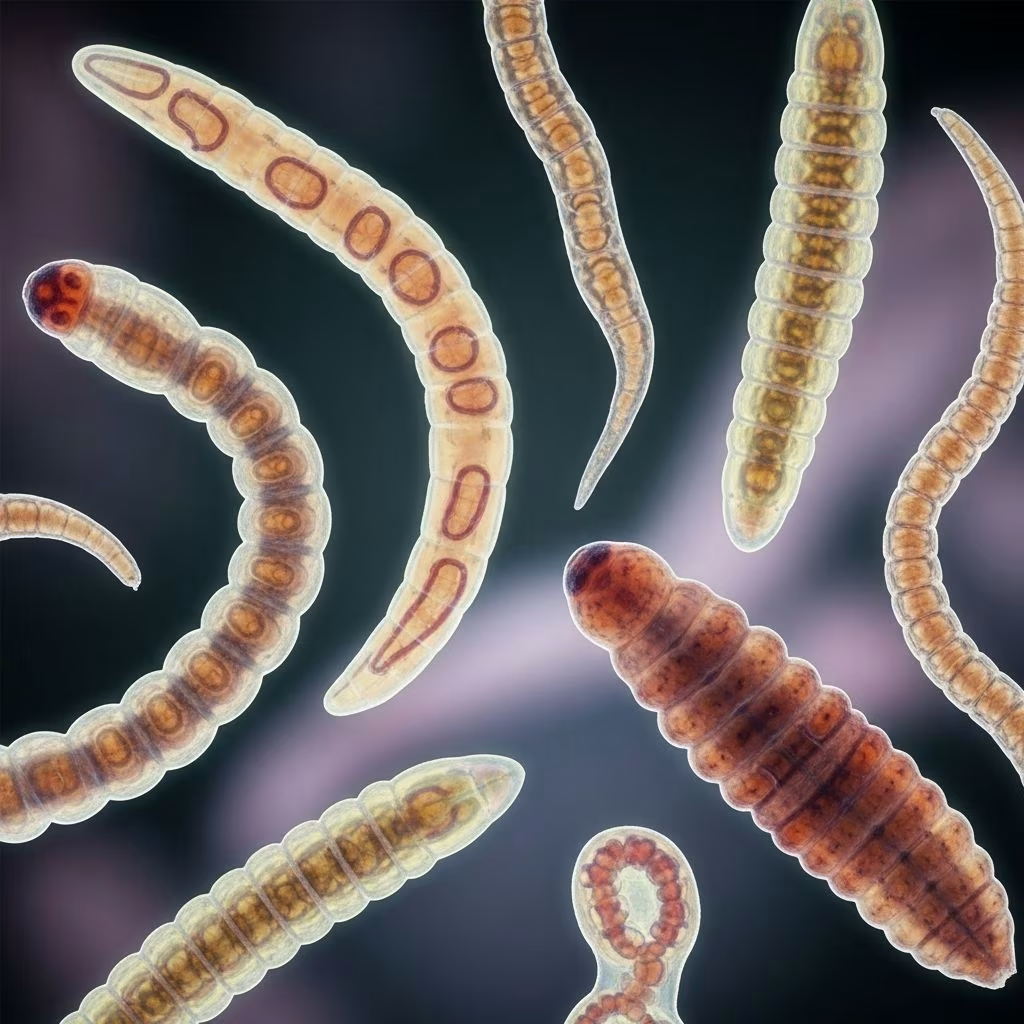
Intestinal parasites pose a persistent challenge to horse health worldwide, capable of triggering severe conditions from colic to chronic poor performance. These organisms thrive in the equine digestive tract, leading to issues like weight loss, diarrhea, and life-threatening blockages if unmanaged. Effective control hinges on understanding their biology, spotting early signs, and applying strategic deworming alongside pasture hygiene.
Why Parasites Thrive in Horses
Horses graze close to the ground, ingesting parasite larvae alongside grass, especially in shared pastures where contamination builds rapidly. Overgrazing, high stocking densities, and inconsistent deworming exacerbate infestations. Young horses, with immature immune systems, face heightened vulnerability, while adults may harbor low-level infections without obvious symptoms. Modern management practices, including frequent manure removal and fecal testing, significantly reduce risks.
Key Parasite Types Threatening Equine Health
Several worm species dominate equine parasitism, each with distinct life cycles and impacts. Large strongyles burrow into blood vessels, small strongyles encyst in gut walls, ascarids obstruct intestines in foals, tapeworms cause impactions, and pinworms irritate the hindquarters.
- Large Strongyles (Strongylus vulgaris): Known as bloodworms, their larvae migrate through arteries, potentially causing thromboembolism and infarction. Though less common today due to deworming, they remain deadly when present.
- Small Strongyles (Cyathostomes): The most prevalent, with larvae emerging en masse from intestinal walls, sparking acute cyathostominosis—a diarrhea syndrome with 50% mortality.
- Ascarids (Parascaris equorum): Roundworms plaguing foals, leading to small intestine impactions and colic, especially post-deworming when dead worms clump.
- Tapeworms (Anoplocephala perfoliata): Attach at the ileocecal junction, promoting impactions or intussusceptions with colic signs.
- Pinworms (Oxyuris equi): Cause tail-rubbing from anal irritation but rarely systemic harm.
Recognizing Parasite Infestation Signs
Clinical manifestations vary by parasite load and host age. Many horses show no symptoms despite heavy burdens, complicating detection without testing. Common indicators include:
- Gradual or sudden weight loss despite ample feed.
- Recurrent colic episodes, ranging from mild discomfort to surgical emergencies.
- Chronic diarrhea, pot-bellied appearance, or rough coat in young stock.
- Lethargy, reduced appetite, fever, or poor growth rates.
- Tail rubbing, coughing (ascarid larval migration), or abdominal distension.
Laboratory clues might reveal anemia, elevated white cells, or abnormal chemistry panels. Rectal palpation can detect gut masses in impaction cases.
| Symptom | Associated Parasites | Severity |
|---|---|---|
| Colic | Ascarids, large/small strongyles, tapeworms | High – may require surgery |
| Weight loss | All types | Moderate |
| Diarrhea | Small strongyles, ascarids | High in outbreaks |
| Tail rubbing | Pinworms | Low |
Life Cycles: Breaking the Infection Chain
Most equine parasites follow an environmental cycle: eggs or larvae shed in manure hatch on pasture, become infective within weeks, and are ingested during grazing. Ascarids uniquely involve lung migration in foals, heightening respiratory risks. Large strongyle larvae penetrate gut walls, travel via bloodstream for months before returning. Small strongyles encyst dormant in mucosa, emerging synchronously under stress. Disrupting this requires pasture rest (6-12 months for larvae die-off), harrowing to expose larvae to sunlight, and dragging manure daily.
Diagnostic Approaches for Accurate Detection
Routine fecal egg counts (FEC) via McMaster technique quantify eggs per gram (EPG), classifying horses as low (<200 EPG), moderate (200-500), or high (>500) shedders. This informs targeted selective therapy, avoiding blanket deworming that fosters resistance. Larval cultures differentiate strongyle types. Blood tests detect migrating larvae, while ultrasound or endoscopy visualizes encysted burdens or impactions in severe cases. Foals warrant monthly checks from 2 months old.
Treatment Strategies for Active Infestations
Prompt intervention combines anthelmintics, supportive care, and monitoring. Choice depends on parasite, resistance patterns, and case severity.
- Ascarid Impaction Colic: Benzimidazoles (e.g., fenbendazole 10 mg/kg daily for 5 days) kill slowly without paralysis, reducing clumping risk. Support with mineral oil lavage, fluids, spasmolytics; surgery for refractory cases removes worms via enterotomy.
- Cyathostominosis: Moxidectin (0.4 mg/kg PO) reduces mucosal larvae by 60-80%, paired with intensive fluids, anti-inflammatories, electrolytes. Mortality remains high; avoid fenbendazole due to poor larval efficacy.
- Strongyle Thromboembolism: Stabilize first with supportive care; post-recovery, larvicides like ivermectin (0.2 mg/kg) or moxidectin target L5 larvae.
- Tapeworm Colic: Post-stabilization, double-dose pyrantel (13.2 mg/kg) or praziquantel (1-2.5 mg/kg). Resolve impactions surgically if needed.
Post-deworming probiotics aid hindgut recovery by boosting fiber fermenters.
| Parasite | Primary Drug | Dose |
|---|---|---|
| Ascarids | Benzimidazoles | 10 mg/kg PO x5 days |
| Small Strongyles | Moxidectin | 0.4 mg/kg PO once |
| Tapeworms | Praziquantel | 1-2.5 mg/kg PO |
Prevention: Building a Parasite-Resistant Program
Shift from interval deworming to evidence-based protocols emphasizing FEC-guided treatment. Deworm high shedders 4-6 times yearly, low shedders once or twice. Foals: treat at 2 and 5 months with benzimidazoles, then quarterly FECs. Rotate classes judiciously but prioritize efficacy checks via fecal egg count reduction tests (FECRT).
- Strategic timing: Ivermectin/moxidectin spring/fall for strongyles; praziquantel winter for tapeworms.
- Pasture management: Rotate paddocks, avoid overstocking, remove manure weekly.
- Quarantine newcomers: Double-deworm (ivermectin + 10-14 days later fenbendazole) before integration.
Frequently Asked Questions (FAQs)
What is the best deworming schedule for adult horses?
Base it on twice-yearly FECs; treat moderates/highs individually, lows minimally to curb resistance.
Can parasites transmit to humans?
No zoonotic risk from common equine gut worms like strongyles or ascarids.
How soon after deworming should I recheck feces?
Perform FECRT 14 days post-treatment to confirm >90% efficacy.
Are natural remedies effective against horse worms?
Limited evidence; rely on vet-prescribed anthelmintics for reliable control.
Why do foals need special parasite attention?
Immune naivety and ascarid susceptibility demand targeted early treatments.
Emerging Challenges: Anthelmintic Resistance
Resistance plagues macrocyclic lactones (ivermectin, moxidectin) in ascarids and cyathostomes, with pyrantel failures in tapeworms. Monitor via FECRT; preserve benzimidazoles for ascarids due to lower resistance. Future tools may include new drug classes or vaccines. Integrated pest management—combining drugs, hygiene, and surveillance—sustains efficacy longest.
Maintaining vigilance through diagnostics and tailored interventions keeps equine guts parasite-free, ensuring peak vitality and longevity. Consult veterinarians for farm-specific plans.
References
- Diseases Resulting From Gastrointestinal Parasites in Horses — MSD Veterinary Manual. 2023. https://www.msdvetmanual.com/digestive-system/gastrointestinal-parasites-of-horses/diseases-resulting-from-gastrointestinal-parasites-in-horses
- Intestinal Parasites in Horses — UC Davis Center for Equine Health. 2023. https://ceh.vetmed.ucdavis.edu/health-topics/intestinal-parasites-horses
- Controlling Internal Parasites of the Horse — University of Kentucky Cooperative Extension. 2022. https://publications.mgcafe.uky.edu/sites/publications.ca.uky.edu/files/vet1.pdf
- Internal Parasites in Horses – Types, Symptoms, Treatment — Mad Barn (citing veterinary sources). 2024. https://madbarn.com/internal-parasites-in-horses/
- Intestinal Parasites in Horses: Challenges and Considerations — SUCCEED Veterinary. 2023. https://www.succeed-vet.com/educational-resources/blog/equine-gi-management/intestinal-parasites-in-horses-challenges-and-considerations-in-modern-parasite-management/



