

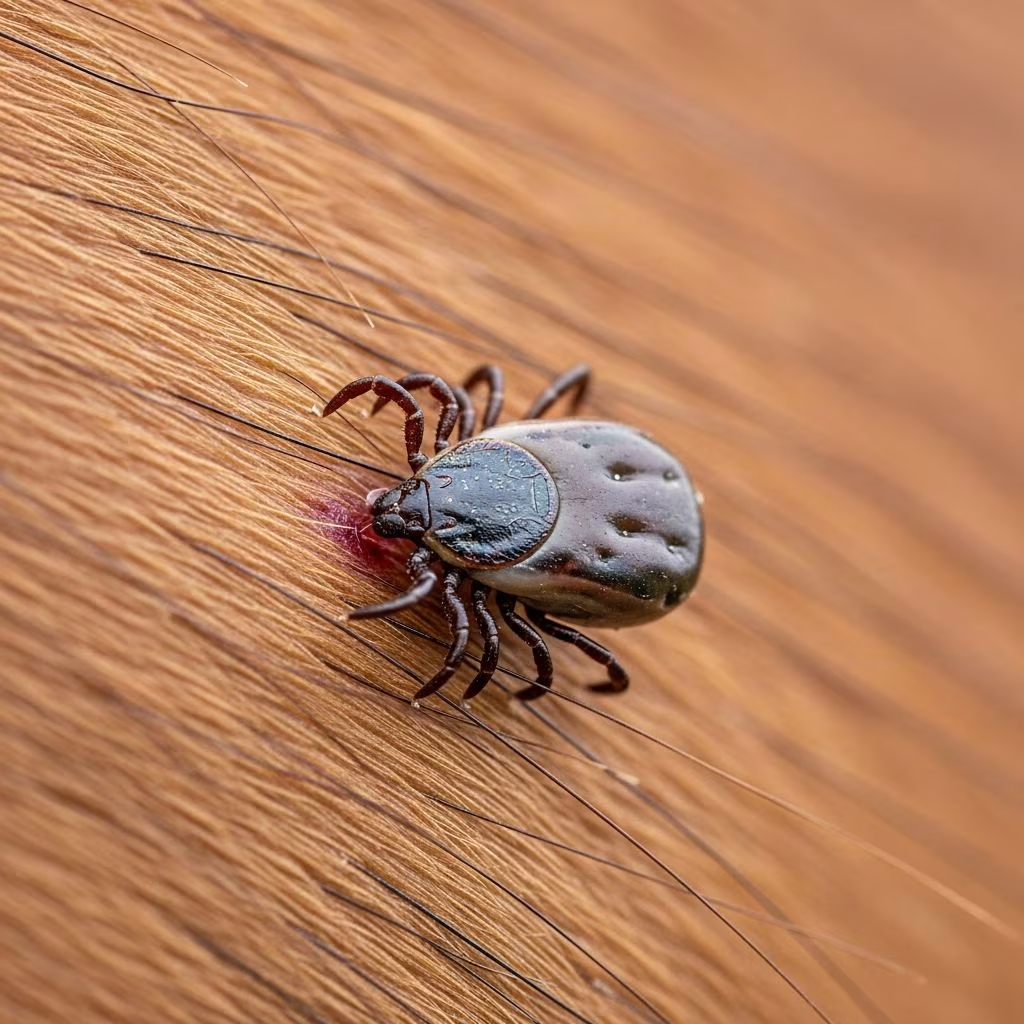
Equine granulocytic anaplasmosis (EGA), also known as equine granulocytic ehrlichiosis, represents a significant bacterial infection primarily transmitted through tick bites. Caused by the intracellular bacterium Anaplasma phagocytophilum, this disease targets the granulocytes—key white blood cells involved in immune responses—in horses. While often self-limiting, severe cases can lead to debilitating complications, making early recognition crucial for equine health management.
The Nature of the Pathogen and Transmission Dynamics
Anaplasma phagocytophilum is a gram-negative, obligate intracellular bacterium that resides within neutrophil granulocytes. It thrives by hijacking host cell machinery, evading immune detection, and propagating within these vital immune cells. Transmission occurs predominantly via infected ticks, with the black-legged tick (Ixodes scapularis) serving as the primary vector in North America, alongside other species like Ixodes ricinus in Europe.
Horses contract EGA when ticks attach and feed for several hours, allowing bacterial transfer. Peak incidence aligns with tick season, typically spring through fall, in temperate regions. Endemic areas span the United States (especially the Northeast, Midwest, and West Coast), Europe, and parts of North Africa. Notably, the disease does not spread directly between horses or from horse to human, though the same bacterium can infect dogs, cattle, and humans, highlighting its zoonotic potential.
Recognizing Early Warning Signs in Infected Horses
Clinical manifestations of EGA vary by age, health status, and infection severity. Younger horses, particularly foals under one year and those under four years, often experience milder symptoms, primarily fever, reflecting a robust immune response. In contrast, older and geriatric horses face heightened risks of severe progression due to waning immunity or comorbidities.
- Fever Patterns: A hallmark is biphasic fever, with two peaks of elevated temperature (often exceeding 103°F or 39.4°C), accompanied by lethargy and reduced appetite.
- Initial Systemic Effects: Horses may show depression, tachycardia (increased heart rate), tachypnea (rapid breathing), and dehydration signs like sunken eyes.
As the infection advances (typically 3-5 days post-exposure), symptoms escalate, signaling widespread bacterial dissemination.
Severe Manifestations and Complications
Untreated or aggressive infections provoke multisystem involvement. Common severe signs include icterus (jaundice) from hemolysis and liver stress, manifesting as yellowing of mucous membranes and sclerae. Limb and ventral edema results from vascular leakage, while petechial hemorrhages appear on gums due to thrombocytopenia (low platelet count).
| Symptom Category | Description | Common in Age Group |
|---|---|---|
| Mild | Fever, inappetence, lethargy | Foals <4 years |
| Moderate | Edema, jaundice, ataxia | Adults |
| Severe | Rhabdomyolysis, neurologic deficits | Geriatric |
Rhabdomyolysis, or muscle breakdown, arises in grave cases, causing firm, painful gluteal and epaxial muscles with skyrocketing serum creatine kinase (CK) and aspartate aminotransferase (AST) levels. Neurologic complications, though rare, encompass ataxia, head tilt, dysphagia, recumbency, seizures, and collapse, likely from vasculitis and nerve inflammation. Other infrequent syndromes include pleural/pericardial effusions and vasculitis affecting organs like lungs, kidneys, and brain.
Diagnostic Approaches: From Clinical Suspicion to Confirmation
Veterinarians initiate diagnosis by correlating history (tick exposure, season, region) with clinical signs like fever and edema. Complete blood count (CBC) routinely reveals leukopenia (neutropenia, lymphopenia), moderate-to-severe thrombocytopenia, mild anemia, and hyperbilirubinemia. Serum biochemistry shows elevated liver enzymes.
- Blood Smear Microscopy: Wright-Giemsa stained smears may reveal intraneutrophilic morulae—inclusion bodies 2-5 μm in size—around days 3-5 post-onset, offering rapid presumptive diagnosis.
- PCR Testing: Polymerase chain reaction on EDTA blood is gold-standard for early detection, highly sensitive before antibiotic initiation. Bone marrow or spleen PCR aids post-mortem confirmation.
- Serology: Paired sera (2-4 weeks apart) showing fourfold titer rise confirms acute infection; single-point tests are unreliable due to seroprevalence.
Differential diagnoses encompass equine infectious anemia, purpura hemorrhagica, viral encephalitis, liver disease, and arteritis. Post-mortem reveals subcutaneous edema, petechiae, and vasculitis in testes, ovaries, lungs, kidneys, heart, brain, and limbs.
Treatment Protocols and Prognosis
Most cases resolve spontaneously within 2-3 weeks, but antimicrobial therapy accelerates recovery and prevents complications. Doxycycline (10 mg/kg PO q12h for 5-7 days) is first-line, highly effective against A. phagocytophilum. Oxytetracycline IV serves for severe inappetent cases. Supportive care includes IV fluids for dehydration, NSAIDs for fever/inflammation, and monitoring for laminitis (rarely associated).
Prognosis excels: mortality is rare (<1%), with rapid response post-treatment. Foals and healthy adults fare best; geriatrics with comorbidities warrant intensive care. No evidence supports chronic carriage in horses.
Prevention Strategies for Horse Owners
Proactive tick control mitigates EGA risk:
- Tick Management: Daily grooming to remove ticks, topical repellents (permethrin-based), and pasture maintenance (mowing, deer control).
- Environmental Measures: Avoid wooded/trail areas during peak tick activity; use tick collars or sprays.
- Vaccination Status: No EGA vaccine exists; core vaccines reduce co-infection risks.
- Monitoring: Routine CBC in endemic areas for early detection.
Horses recovering from EGA develop immunity, but reinfection is possible. A diagnosed case signals local tick infestation, prompting area-wide surveillance.
Frequently Asked Questions (FAQs)
What is the most common sign of EGA in horses?
High fever, often biphasic, is the most frequent initial sign, especially in young horses.
Can EGA be fatal?
Mortality is rare with prompt treatment; most horses recover fully within weeks.
Is EGA contagious between horses?
No, it spreads only via ticks, not horse-to-horse or horse-to-human.
How soon after a tick bite do symptoms appear?
Incubation is 5-14 days, with fever emerging first.
Should I treat mild cases?
Monitor mild fever in young horses, but treat if symptoms persist or worsen; consult a vet.
Key Takeaways for Equine Health
EGA underscores the importance of tick vigilance in horse management. By integrating clinical awareness, diagnostics, targeted therapy, and prevention, owners and vets can minimize impacts. Ongoing research refines PCR sensitivity and explores vectors, but current guidelines suffice for control.
References
- Anaplasmosis in Horses (Equine Granulocytic Ehrlichiosis) — Mad Barn. 2023. https://madbarn.com/anaplasmosis-in-horses/
- Equine Granulocytic Anaplasmosis — PubMed (Madigan JE et al.). 2023-01-24. https://pubmed.ncbi.nlm.nih.gov/36737288/
- Anaplasmosis — Equine Disease Communication Center. 2024. https://equinediseasecc.org/anaplasmosis
- Equine Granulocytic Anaplasmosis (EGA) Disease Guidelines — American Association of Equine Practitioners (AAEP). 2024-02. https://aaep.org/wp-content/uploads/2024/02/Equine_Granulocytic_Anaplasmosis_DZ_Guidelines.pdf
- Equine Anaplasmosis: A Seasonal Threat — Dell Equine. 2023. https://www.dellsequine.com/post/equine-anaplasmosis-a-seasonal-threat



