

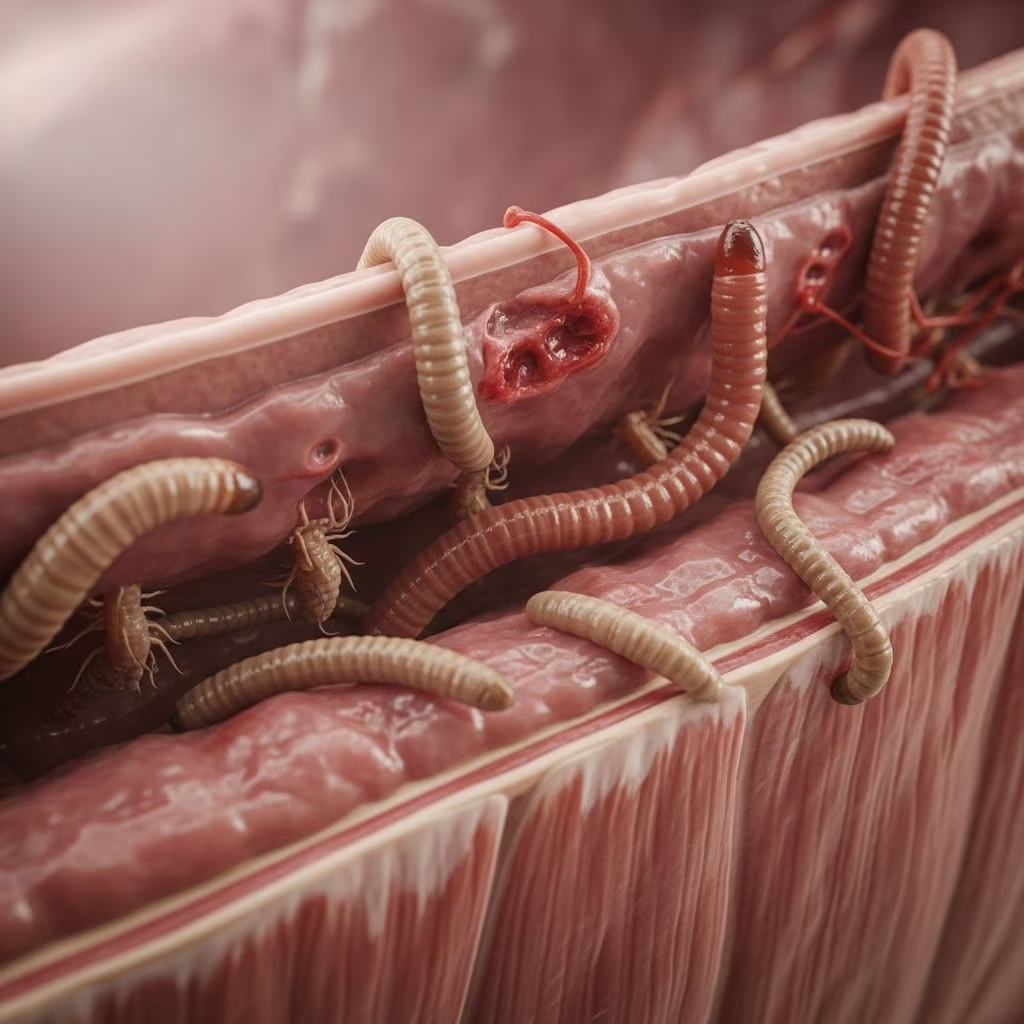
Gastrointestinal parasites represent one of the most significant health challenges affecting domestic horses worldwide. These internal pathogens compromise nutritional absorption, damage intestinal tissue, and trigger a cascade of health complications that can range from mild performance decline to life-threatening conditions. Understanding how different parasite species affect equine physiology is essential for horse owners and veterinarians seeking to maintain herd health and maximize animal welfare.
The Scope and Significance of Parasitic Infection in Equines
Parasitic infections in horses occur through contaminated grazing environments where horses ingest larval stages while consuming vegetation. The prevalence and severity of infection depend on multiple factors including age, management practices, deworming protocols, and environmental conditions. Young horses and those managed on heavily contaminated pastures face heightened infection risk, while even adult horses with apparently strong immune systems can harbor significant parasite loads.
The economic and welfare implications are substantial. Infected horses experience reduced work capacity, poor body condition despite adequate nutrition, and susceptibility to secondary infections. These consequences directly impact equine performance in athletic pursuits, breeding soundness, and overall longevity. Recognition of parasitic disease manifestations enables timely intervention before severe complications develop.
Large Strongyles: The Most Destructive Parasitic Species
Large strongyles, though less common in modern horse populations due to improved deworming practices, remain the most pathogenic gastrointestinal parasites affecting equines. These parasites establish infection when horses consume contaminated forage containing larval stages. Once ingested, the larvae penetrate the intestinal wall and migrate through blood vessels supplying the cecum and colon.
The tissue invasion creates severe pathological consequences. Large strongyles compromise blood flow to affected intestinal segments, potentially causing tissue death and impaired nutrient absorption. This vascular invasion mechanism distinguishes large strongyles from other parasitic species and explains their devastating health effects even at relatively lower infection intensities.
Clinical Manifestations of Large Strongyle Infection
Horses infected with large strongyles display characteristic clinical signs reflecting intestinal damage and systemic compromise:
- Weight loss and poor condition despite adequate dietary intake
- Diarrhea ranging from mild to severe
- Fever and systemic inflammatory responses
- Rough, dull hair coat indicating nutritional deficiency
- Colic, including severe episodes related to vascular compromise
- Abdominal distension and visible discomfort
- Lethargy and reduced exercise capacity
The most serious complications occur when large strongyle larvae invade mesenteric blood vessels supplying the intestinal wall. This vascular invasion can result in peritonitis, characterized by inflammation of the abdominal membrane. In severe cases, tissue death from inadequate blood supply creates acute colic emergencies requiring immediate veterinary intervention. Some affected horses experience chronic, recurring colic episodes that significantly compromise quality of life.
Small Strongyles: The Modern Parasitic Challenge
Small strongyles have become the predominant gastrointestinal parasites in contemporary horse populations, particularly in regions with established deworming programs targeting large strongyles. These cyathostomins represent a persistent management challenge because of their high prevalence and ability to cause substantial intestinal damage through different mechanisms than large strongyles.
Larval Encystment and Seasonal Emergence
Small strongyle larvae employ a sophisticated survival strategy by encysting within the intestinal wall lining during winter months. These dormant larvae remain protected within cystic capsules throughout the cold season. As temperatures warm in spring, typically triggered by seasonal changes and stress factors, these encysted larvae emerge simultaneously in massive numbers from their intestinal refugia.
This synchronized mass emergence creates acute intestinal damage. The simultaneous departure of thousands of larvae from the intestinal wall causes inflammation, ulceration, and loss of the epithelial barrier function. The timing of emergence can be unpredictable, as stress from transportation, dietary changes, or illness can precipitate early larval release.
Health Consequences of Small Strongyle Infection
Small strongyle infections produce clinical signs distinct from large strongyles in presentation though similar in overall severity:
- Intermittent colic episodes, particularly spasmodic colic
- Chronic weight loss and failure to maintain body condition
- Diarrhea and reduced fecal consistency
- Poor coat quality and general unthriftiness
- Anemia from intestinal blood loss and reduced iron absorption
- Reduced athletic performance and exercise tolerance
- Permanent intestinal wall damage in severe cases
Young horses under six years of age experience particularly severe consequences from encysted small strongyle emergence, as their intestinal tissue remains more vulnerable to damage and their immune systems may be less effective at controlling parasitic challenges.
Ascarids: Parasites Threatening Young Equines
Ascarids, or roundworms of the genus Parascaris, pose exceptional health risks to foals and young horses while causing less severe disease in mature animals. These parasites can rapidly establish heavy burdens in young equines, particularly those managed in contaminated environments with inadequate deworming protocols.
Migration Through Respiratory Tissues
Unlike strongyles that remain primarily within the gastrointestinal tract, ascarid larvae migrate through multiple organ systems. After ingestion, larvae penetrate the intestinal wall and migrate through the liver and lungs during their developmental cycle. This tissue migration creates diverse clinical manifestations affecting multiple body systems.
The pulmonary migration phase produces respiratory signs as larvae traverse lung tissue. Affected young horses develop persistent coughs, nasal discharge, and chronic respiratory inflammation. In severe infestations, pulmonary hemorrhage can occur as migrating larvae damage lung capillaries. These respiratory complications may become chronic even after the intestinal parasite burden is eliminated.
Gastrointestinal Complications from Heavy Ascarid Burdens
While mature ascarids reside within the small intestine, heavy infections cause mechanical and inflammatory complications:
- Intestinal obstruction from adult worm aggregation
- Severe colic and acute abdominal pain
- Intestinal perforation in extreme cases
- Poor growth and developmental delays in foals
- Significant weight loss despite adequate feeding
- Distended abdomen and pot-bellied appearance
- Diarrhea and chronic digestive dysfunction
- Poor quality hair coat and general malaise
- Suppressed immune function and susceptibility to secondary infections
Uncontrolled ascarid infections in young horses can result in death, particularly when complications include intestinal rupture or severe malnutrition develops during critical growth periods.
Tapeworm Infestations and Ileocecal Junction Complications
Tapeworms affecting horses include three species, with Anoplocephala perfoliata being most clinically significant. These parasites establish permanent residence at the ileocecal junction, the anatomical point where the small intestine connects to the large intestine, creating a location-specific pathology distinct from other equine parasites.
Mechanical Obstruction and Tissue Damage
The ileocecal junction represents a critical point in digestive transit where food material transitions from small to large intestine. Tapeworm infestations at this location cause physical blockage as parasites accumulate and expand, narrowing the passage available for intestinal contents. This obstruction creates impaction colic, characterized by intestinal distension and pain as normal peristalsis becomes impaired.
Beyond mechanical obstruction, tapeworms attach firmly to the intestinal mucosa using their anterior hooks, causing direct tissue trauma and inflammation. Ulceration and erosion of the intestinal wall occur at attachment sites, predisposing to secondary bacterial infections and further compromising barrier function.
Clinical Signs of Tapeworm Infection
Tapeworm burden severity correlates with clinical sign severity:
- Recurrent colic episodes, often impaction type
- Progressive weight loss and poor condition
- Diarrhea and digestive disturbances
- Anemia from chronic blood loss
- Poor coat quality and general unthriftiness
- Reduced performance and exercise tolerance
- Gastrointestinal ulceration
- Potential cecal rupture in severe cases
Light tapeworm infections may produce minimal clinical signs, explaining why many infected horses remain undiagnosed until complications develop. The progressive nature of tapeworm disease means that early detection and treatment prevent serious complications from developing.
Secondary Parasitic Species and Emerging Health Concerns
Beyond major parasites, several secondary species cause additional health complications in equine populations. Gasterophilus botflies establish larval stages in the equine stomach and mouth, creating oral-stage infections associated with salivation, head shaking, and chewing difficulties. While gastric-stage infections rarely produce clinical signs, the pronounced oral manifestations significantly impact horse comfort and feeding behavior.
Habronema parasites infect gastric tissue, causing chronic inflammation and contributing to gastric ulcer development. Their larval stages migrate cutaneously, producing the condition known as “summer sores,” which represents a significant welfare concern in affected horses. Although gastric stages rarely produce overt clinical signs, the inflammatory cascade they initiate contributes to overall digestive dysfunction.
The Asymptomatic Carrier State: A Hidden Risk
A critical consideration in parasitic disease is that horses can harbor substantial parasite burdens while displaying no obvious clinical signs. This asymptomatic carrier state creates particular management challenges because infected horses continue shedding parasite eggs into shared environments, perpetuating infection cycles in companion animals and herd mates.
The absence of clinical manifestations does not indicate absence of parasitic damage. Subclinical infections still compromise nutrient absorption, suppress immune function, and trigger chronic inflammation. These occult effects reduce performance capacity, compromise reproductive function, and increase susceptibility to environmental stressors and secondary infections. Regular fecal monitoring and strategic deworming remain necessary regardless of clinical sign presence.
Systemic Consequences of Chronic Parasitic Infection
Beyond direct gastrointestinal effects, parasitic infections trigger systemic complications affecting multiple organ systems. Moderate to heavy parasite loads produce anemia through blood loss, reduced iron absorption, and chronic inflammatory responses. Systemic inflammation from parasitic antigens and bacterial translocation across damaged intestinal barriers affect immune function and promote secondary infections.
Organ scarring occurs in horses suffering chronic severe infections, particularly affecting the liver and intestinal tissue itself. This scarring represents permanent damage reducing organ functionality. The cumulative metabolic burden of parasitic infection creates weakness, impaired healing capacity, and reduced resilience to environmental challenges.
Diagnostic Approaches and Management Implications
Veterinary diagnosis of parasitic infection relies on fecal examination revealing parasite eggs, though the relationship between egg count and clinical disease remains inconsistent. Heavy infections may paradoxically show lower egg counts than moderate infections due to parasite life cycle variations. Clinical signs, management history, and response to antiparasitic treatment provide important diagnostic information beyond laboratory results.
Modern parasite management emphasizes strategic deworming protocols targeting high-risk periods and high-risk age groups rather than universal frequent treatments. Understanding the seasonal biology of different parasites, particularly small strongyle emergence patterns and ascarid life cycles in young animals, allows optimized treatment timing that maximizes therapeutic benefit while reducing anthelmintic resistance development.
Prevention and Long-Term Health Optimization
Preventing parasitic disease requires integrated approaches including pasture management, strategic deworming, and environmental sanitation. Regular fecal examination guides treatment decisions, while rotational grazing reduces environmental contamination. Young horses require more intensive monitoring and treatment regimens given their particular vulnerability to heavy ascarid infections and encysted small strongyle complications.
Recognition of parasitic disease signs enables timely intervention before severe complications develop. Progressive weight loss, recurring colic, poor performance, and chronic diarrhea warrant parasitic disease investigation regardless of management practices. Establishing and maintaining effective parasite control represents a fundamental component of comprehensive equine health management supporting both individual animal welfare and herd population health.
References
- Intestinal Parasites in Horses — UC Davis Center for Equine Health. Accessed February 2026. https://ceh.vetmed.ucdavis.edu/health-topics/intestinal-parasites-horses
- Intestinal Parasites in Horses: Challenges and Considerations in Modern Parasite Management — Succeed Equine. https://www.succeed-vet.com/educational-resources/blog/equine-gi-management/intestinal-parasites-in-horses-challenges-and-considerations-in-modern-parasite-management/
- Worms Cause Problems for Horses — Veterinary Medicine at Illinois, College of Veterinary Medicine. 2018. https://vetmed.illinois.edu/2018/08/09/horse-worms-parasites/
- Internal Parasites in Horses – Types, Symptoms, Treatment — Mad Barn. https://madbarn.com/internal-parasites-in-horses/
- Gastrointestinal Parasites of Minor Clinical Importance in Horses — Merck Veterinary Manual. https://www.msdvetmanual.com/digestive-system/gastrointestinal-parasites-of-horses/gastrointestinal-parasites-of-minor-clinical-importance-in-horses
- Types Of Worms Found In Horses — Blue Cross. https://www.bluecross.org.uk/advice/horse/health-and-injuries/types-of-worms-found-in-horses
- Major Internal Parasites Affecting Horses — University of Tennessee Institute of Agriculture. 2023. https://utia.tennessee.edu/publications/wp-content/uploads/sites/269/2023/10/W654.pdf



