
Equine Gastrointestinal Infections: Pathology and Management
Understanding infectious diarrheal diseases in horses and evidence-based treatment approaches
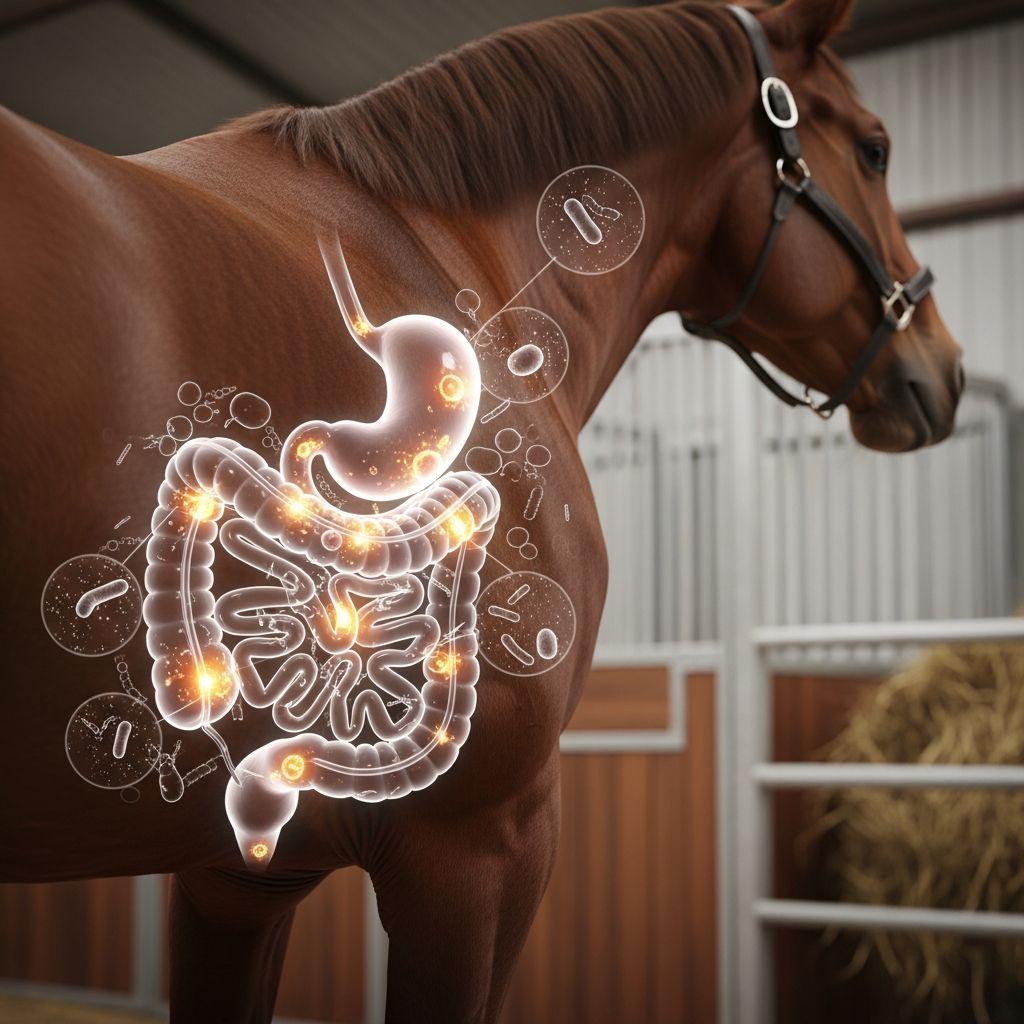
Introduction to Infectious Diarrhea in Horses
Infectious diarrhea represents one of the most common gastrointestinal emergencies encountered in equine veterinary practice. This condition affects horses across all age groups but presents particular challenges in foals and hospitalized animals. The condition results from pathogenic microorganisms that colonize and damage the intestinal mucosa, triggering fluid secretion and impaired absorption. Understanding the etiology, clinical presentation, and management of infectious diarrhea is essential for equine practitioners and horse owners alike, as early intervention can significantly improve outcomes and prevent life-threatening complications.
Causative Agents and Disease Mechanisms
Bacterial Pathogens
Bacterial organisms constitute the primary infectious agents responsible for equine gastrointestinal disease. Among these, gram-negative bacteria present particular concern due to their capacity to produce endotoxins that trigger systemic inflammatory responses. The mechanisms by which bacteria cause disease include direct mucosal invasion, toxin production, and disruption of normal intestinal microbiota balance.
Salmonella species represent classic bacterial pathogens affecting equine intestinal health. Specifically, Salmonella typhimurium demonstrates high pathogenicity in horses and commonly isolates from affected animals. This organism invades intestinal epithelium, causing acute inflammation and fluid loss. The infection triggers endotoxin release from gram-negative bacterial cell walls, which can precipitate secondary complications including laminitis and systemic inflammatory disease.
Clostridium difficile presents a distinct challenge in equine medicine, particularly in hospitalized or recently treated animals. This anaerobic bacterium produces potent toxins that damage intestinal mucosa and disrupt normal microbiota function. A critical risk factor for Clostridium difficile infection involves antimicrobial therapy, particularly beta-lactam antibiotics, which eliminate beneficial bacteria and allow pathogenic species to proliferate. Understanding this association is crucial because indiscriminate antibiotic use, while potentially beneficial for other bacterial infections, may paradoxically worsen disease caused by this organism.
Potomac Horse Fever, caused by the rickettsial organism Neorickettsia risticii, follows a distinct epidemiological pattern. This pathogen employs an interesting transmission route, utilizing aquatic snails as reservoirs and aquatic insects such as caddisflies as vectors. Horses with access to rivers, streams, and other freshwater environments face elevated infection risk, particularly during warm months when vector activity peaks. The disease manifests with fever, gastrointestinal dysfunction, and potential complications including laminitis.
Viral Pathogens
Recent years have witnessed increased recognition of viral pathogens in equine infectious diarrhea, particularly equine coronavirus. Previously considered primarily an opportunistic infection in already compromised animals, coronavirus now appears to cause primary gastrointestinal disease in otherwise healthy horses. This virus causes direct mucosal damage, shedding the epithelial lining of the small and large intestines. The body must regenerate this protective barrier, a process requiring three to five days during which severe diarrhea and secondary bacterial infections may develop.
Equine rotavirus constitutes another important viral etiology, particularly in young foals. This pathogen damages intestinal epithelial cells responsible for nutrient absorption and interferes with lactose digestion. Affected foals may experience severe diarrhea and secondary complications if supportive care is not promptly instituted. The virus typically causes self-limited disease in healthy animals but presents significant management challenges in immunocompromised or severely affected individuals.
Clinical Presentation and Diagnostic Considerations
Clinical Signs and Progression
Horses with infectious gastrointestinal disease present with a variable spectrum of clinical signs reflecting the severity and duration of infection. Common manifestations include anorexia (loss of appetite), lethargy, and fever. Gastrointestinal signs range from mild changes in fecal consistency to severe, watery diarrhea requiring intensive management. Some animals experience abdominal pain (colic) concurrent with diarrhea, indicating more extensive mucosal involvement. In severe cases, particularly coronavirus infections in adult horses, rapid disease progression may lead to death or euthanasia despite appropriate supportive care.
The clinical trajectory varies considerably depending on the causative agent and individual host factors. Some infections resolve spontaneously within days with appropriate supportive care, while others may persist for weeks or result in chronic, recurring diarrhea. The presence of fever in conjunction with acute gastrointestinal signs warrants consideration of infectious etiology and implementation of biosecurity measures to prevent transmission to other animals.
Diagnostic Approach
Identifying the specific causative agent remains challenging, as definitive diagnosis occurs in fewer than 50% of equine diarrhea cases. However, practitioners have several diagnostic tools available for suspected infectious disease. Molecular techniques such as real-time polymerase chain reaction (PCR) detect viral pathogens in fecal samples with high sensitivity. Fecal culture identifies bacterial organisms, though interpretation requires consideration of normal intestinal flora. Serological testing through enzyme-linked immunosorbent assay (ELISA) can identify antibodies to specific pathogens, providing evidence of exposure or infection.
Hematologic abnormalities frequently accompany infectious diarrhea. Neutropenia (reduced neutrophil count) and lymphopenia (reduced lymphocyte count) commonly occur with coronavirus infection and certain bacterial infections, reflecting systemic immune activation. These findings, combined with clinical signs and epidemiologic factors, support diagnostic assessment even when specific pathogen identification is unsuccessful.
Treatment Strategies and Therapeutic Management
General Supportive Care Principles
The foundation of successful diarrhea management centers on supportive care aimed at maintaining fluid and electrolyte balance while allowing intestinal healing. Unlike respiratory infections or localized bacterial infections, infectious diarrhea in horses rarely warrants antimicrobial therapy. In fact, broad-spectrum antibiotics may exacerbate disease by disrupting normal microbiota and promoting secondary infections with resistant organisms. This counterintuitive approach contradicts treatment strategies in other species and requires clear communication with horse owners to ensure compliance with conservative therapy.
Fluid therapy addresses the substantial fluid losses occurring through diarrhea and helps maintain cardiovascular function and renal perfusion. Both intravenous and oral fluid administration play important roles depending on disease severity and the animal’s ability to drink. Electrolyte supplementation corrects imbalances in sodium, potassium, and chloride that develop rapidly with significant diarrhea. Gastrointestinal protectants such as sucralfate and bismuth compounds may benefit some patients by coating damaged mucosa and reducing further inflammation.
Pathogen-Specific Treatment Approaches
Despite the general principle of avoiding antimicrobials in equine diarrhea, certain infections warrant targeted therapy. Clostridium difficile infections respond to metronidazole, one of the few antibiotics with effectiveness against this anaerobic pathogen. Potomac Horse Fever caused by Neorickettsia risticii requires oxytetracycline administration, which effectively eliminates this rickettsial organism. Clinical improvement typically occurs within 24-48 hours of initiating appropriate tetracycline therapy, though additional supportive care remains essential for complete recovery.
Viral infections including coronavirus and rotavirus lack direct antiviral therapies and depend entirely on supportive care and the host immune system. In cases of rotavirus infection complicated by lactose intolerance, dietary modification becomes important. Restricting milk consumption or administering lactase enzyme supports nutrition while allowing intestinal healing. Severe cases may require temporary parenteral nutrition via intravenous infusion to maintain body condition and strength during recovery.
Emerging Therapeutic Options
Fecal microbial transplantation has re-emerged as a potential therapy for severe or recurrent Clostridium difficile infections in horses. This technique, also termed fecal transfaunation or fecal bacteriotherapy, involves infusing feces from healthy donor horses via nasogastric intubation. Evidence from human medicine demonstrates superior efficacy compared to vancomycin therapy for recurrent infections. While equine data remains anecdotal, promising case reports suggest potential benefit for horses with treatment-resistant disease.
Age-Related Considerations and Special Populations
Foal-Specific Management
Foals represent a uniquely vulnerable population for infectious diarrhea due to their incompletely developed immune systems and unstable intestinal microbiota. Their gut flora, crucial for fighting infections and promoting health, is not yet fully established, rendering them susceptible to pathogens that older horses might resist. Rotavirus infections occur predominantly in young foals, often within organized breeding operations or when multiple foals congregate.
Treatment of foals with infectious diarrhea requires particularly careful fluid management, as foals tolerate dehydration poorly and face rapid deterioration. Prompt administration of fluids, electrolytes, and nutritional support is essential. The mother-foal nursing relationship may require modification; restricting direct nursing while providing supplemental nutrition maintains the foal’s strength and allows intestinal recovery. Antibiotic therapy in foals carries increased risk of disrupting the developing microbiota, making non-specific supportive care paramount.
Hospitalized Horses and Risk Factors
Horses requiring hospitalization for various conditions face elevated risk of developing healthcare-associated diarrhea, particularly Clostridium difficile infection. Hospitalization itself constitutes a major risk factor, along with administration of antimicrobials, proton pump inhibitors, and H2-receptor antagonists. Veterinary facilities managing hospitalized patients must implement rigorous infection control and biosecurity protocols to limit transmission. Staff education regarding hand hygiene, equipment disinfection, and isolation procedures proves essential for preventing outbreaks.
Complications and Long-Term Sequelae
Laminitis and Secondary Complications
One of the most serious complications arising from infectious diarrhea involves laminitis (inflammation of the sensitive laminae within the hoof). When intestinal epithelial damage allows bacteria and bacterial endotoxins to translocate into the systemic circulation, these inflammatory mediators trigger laminar inflammation. This complication significantly worsens prognosis and may result in permanent structural changes to the hoof and chronic pain. Recognition of this risk factor mandates aggressive supportive care to minimize mucosal damage and endotoxin absorption.
Renal insufficiency may develop secondarily to severe diarrhea, particularly when dehydration develops and nephrotoxic medications such as oxytetracycline are administered. Careful fluid resuscitation before and during antibiotic administration helps preserve renal function. Monitoring serum creatinine and blood urea nitrogen provides objective assessment of renal status.
Prevention and Biosecurity Measures
Preventing infectious diarrhea requires multifaceted approaches including vaccination, sanitation, and strategic antibiotic use. Rotavirus vaccines for pregnant mares confer passive immunity to foals via colostrum. Careful management of antimicrobial prescriptions minimizes development of resistant organisms and reduces Clostridium difficile infection risk. Environmental hygiene, including regular stall cleaning and disinfection, reduces pathogenic organism transmission. Isolation protocols for animals with acute gastrointestinal signs, especially when fever accompanies diarrhea, prevent spread to susceptible herd members.
Frequently Asked Questions
Why shouldn’t all horses with diarrhea receive antibiotics?
Broad-spectrum antibiotics eliminate beneficial bacteria that normally prevent pathogenic organisms from proliferating. This disruption of normal microbiota allows resistant bacteria like Clostridium difficile to cause serious secondary infections. Only specific infections warrant targeted antimicrobial therapy based on diagnostic findings.
How long does it typically take for infectious diarrhea to resolve?
Resolution timeframes vary considerably depending on the causative agent. Viral infections typically require 3-5 days for intestinal epithelial regeneration. Some bacterial infections may require weeks of supportive care. With appropriate management, most horses recover; however, individual cases may follow unpredictable courses.
Can infectious diarrhea in horses spread to humans?
Certain equine diarrheal pathogens including Salmonella species demonstrate zoonotic potential. Proper hand hygiene, avoiding ingestion of contaminated materials, and appropriate personal protective equipment reduce transmission risk. Individuals handling affected horses should maintain strict sanitation practices.
What role does diet play in diarrhea recovery?
Dietary management supports intestinal healing by reducing fermentation and gas production. High-quality hay and limited grain facilitate recovery. In foals with rotavirus infection, lactose-free nutrition supports healing until intestinal lactase production normalizes.
References
- Overview of Infectious Diarrheal Diseases in Horses — Merck Veterinary Manual. Accessed 2026-02-24. https://www.merckvetmanual.com/digestive-system/infectious-diarrheal-diseases-in-horses/overview-of-infectious-diarrheal-diseases-in-horses
- Diagnosis and Treatment: Acute Diarrhea in Adult Horses — PubMed Central. National Center for Biotechnology Information, U.S. National Library of Medicine. https://pmc.ncbi.nlm.nih.gov/articles/PMC7134835/
- AAEP Issues Field Diagnostic Guidelines for Acute Infectious Diarrhea — American Association of Equine Practitioners. Accessed 2026-02-24. https://aaep.org/post/aaep-issues-field-diagnostic-guidelines-for-equine-acute-infectious-diarrhea/
- Equine Diarrhea: Causes, Treatments, and Complications — Equine Clinic. Accessed 2026-02-24. https://equineclinic.com/equine-diarrhea-causes-treatments-and-complications/
- Infectious Gastrointestinal Disease — Mid-Atlantic Equine Medical Center. Accessed 2026-02-24. https://www.midatlanticequine.com/infectious-gastrointestinal-disease.html
- Infectious Diarrhea in Foals: Symptoms, Management & Prevention — Mad Barn Equine Nutrition. Accessed 2026-02-24. https://madbarn.com/infectious-diarrhea-in-foals/
Similar Articles








Read full bio of Sneha Tete


