
Equine Footwear Essentials: When and Why Horses Need Shoes
Discover the critical factors determining whether your horse needs protective shoeing for optimal hoof health.
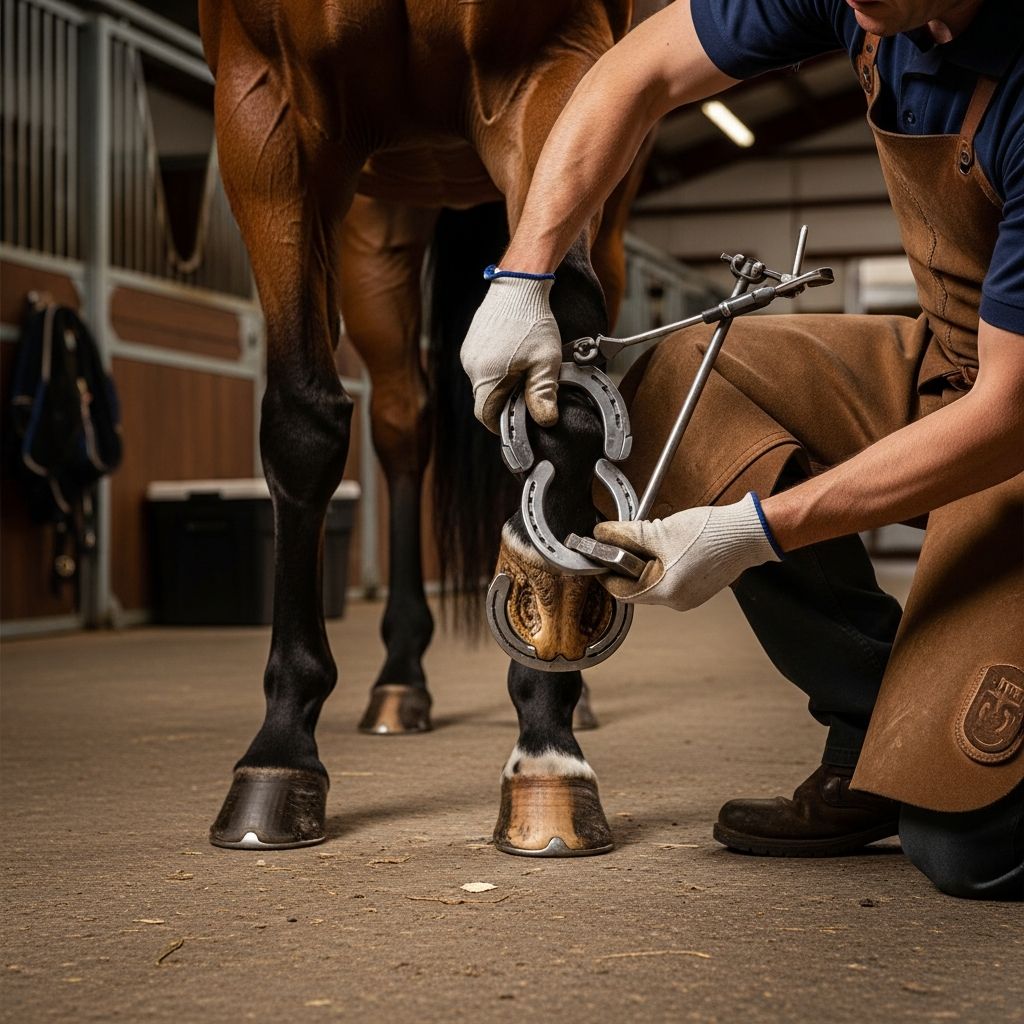
The question of whether horses require shoes has been debated among equestrians for generations. Unlike humans who consistently wear protective footwear, horses in their natural wild state roam barefoot without manufactured protection. However, domesticated horses face vastly different environmental conditions, work demands, and terrain challenges than their wild counterparts. Understanding the factors that determine whether your horse needs shoes is essential for maintaining hoof health, preventing injury, and ensuring your animal’s long-term soundness and comfort.
Understanding the Fundamental Purpose of Horseshoes
Horseshoes serve as protective barriers between a horse’s hooves and the ground. They function similarly to human shoes—providing protection, support, and improved traction on various surfaces. A horse’s hooves are incredibly resilient structures, but they are not infinitely durable. When horses engage in work activities, travel long distances, or traverse challenging terrain, their hooves experience accelerated wear rates that naturally growing horn cannot replenish quickly enough.
The fundamental design of a horseshoe distributes a horse’s weight evenly across the hoof structure, reducing excessive pressure on specific areas. This weight distribution becomes increasingly important for horses performing athletic activities or carrying riders over extended distances. The shoes absorb shock that would otherwise transfer directly through the hoof to the leg structures above, minimizing strain on joints, tendons, and ligaments.
Protection Against Environmental Hazards
One of the primary reasons horses receive shoes involves protecting their hooves from environmental injuries. Domestic horses frequently encounter surfaces that pose injury risks their wild ancestors rarely faced. Rocky terrain, paved roads, gravel driveways, and construction sites all present hazards that can puncture, bruise, or crack unprotected hooves.
Puncture wounds represent particularly serious concerns. A horse stepping on a nail, wire, glass shard, or similar object can suffer devastating injuries that lead to lameness or life-threatening infections. Shoeing creates a protective barrier that prevents many of these penetrating wounds from occurring. Additionally, shoes protect the sensitive sole and frog from bruising when horses travel on hard-packed earth or rocky ground.
Environmental moisture also damages unprotected hooves. Horses exposed to wet, muddy conditions for extended periods experience softened hoof structures that become more susceptible to deterioration and disease. Shoes help maintain hoof integrity in such conditions while allowing hooves to maintain their structural strength.
Performance Enhancement and Athletic Demands
Horses engaged in performance activities benefit significantly from proper shoeing. Racehorses, jumping competitors, and event horses experience intense impact forces that demand superior shock absorption and weight distribution. Specialized shoeing can enhance athletic performance by providing additional cushioning, improving balance, and enabling horses to execute demanding movements with reduced stress on their musculoskeletal structures.
Trail horses navigating uneven, rocky, or slippery surfaces gain substantial advantages from shoeing. The improved traction and stability that shoes provide enables these horses to maintain secure footing on challenging terrain, reducing the risk of slipping, falling, or stepping awkwardly. Horses working on icy or snowy surfaces particularly benefit from shoeing, which can be modified with special grips or studs to enhance traction in winter conditions.
Corrective Shoeing for Structural Issues
Beyond basic protection, specialized corrective shoeing addresses congenital or acquired hoof and leg issues. Farriers—skilled professionals who shoe horses—can manipulate shoe design and placement to correct gait irregularities, improve balance, and provide therapeutic support for horses with structural challenges.
A horse with contracted heels, clubfoot conformation, or other hoof deformities may require corrective shoes designed to gradually improve the hoof shape and function. Similarly, horses with muscle or bone imbalances benefit from shoes that provide additional support to affected areas, helping distribute weight more appropriately and reducing compensatory strain patterns.
Medical Treatment and Therapeutic Applications
Horseshoes serve as therapeutic tools for treating various equine medical conditions. Laminitis, a serious inflammatory condition affecting the laminae tissue within the hoof, often requires specialized shoeing as part of the treatment protocol. Therapeutic shoes designed for laminitis horses reduce pain, stabilize the hoof structures, and support recovery by redistributing pressure away from affected tissues.
Other conditions benefiting from therapeutic shoeing include navicular syndrome, sole bruises, tendonitis, and ligament injuries. Copper horseshoes, for example, possess antimicrobial properties useful for treating hoof diseases like thrush, white line disease, and seedy toe. A farrier working with your veterinarian can design shoes specifically addressing your horse’s medical needs.
Determining Your Horse’s Shoeing Needs
Work Level and Activity Type
The intensity and type of work your horse performs significantly influences shoeing requirements. Horses engaged in regular performance activities—racing, jumping, eventing, or similar disciplines—typically require shoes to manage the demanding work loads. Working farm horses, carriage horses, or ranch horses similarly need protective shoeing due to their labor-intensive roles.
Conversely, horses used occasionally for light recreational riding may thrive barefoot if they have hardy hoof structures and adequate conditioning. Light-use horses with naturally strong hooves can often transition successfully to barefoot living with proper hoof care and conditioning.
Terrain and Environmental Factors
The surfaces where your horse spends most of its time directly impact shoeing necessity. Horses living primarily on soft pasture ground with minimal road work may not require shoes. However, horses frequently traveling on roads, rocky ground, or hard-packed surfaces experience rapid hoof wear that shoes help prevent.
Climate considerations matter significantly. Horses in wet, muddy environments benefit from shoeing protection against softened hooves. Conversely, horses in arid climates with naturally hard ground may develop naturally toughened hooves capable of barefoot function.
Individual Hoof Quality
Hoof quality varies considerably among individual horses. Some animals naturally develop thick, dense hooves resistant to wear and damage. Others produce softer, more brittle hooves prone to cracking, chipping, and excessive wear. Horses with genetically soft or weak hooves typically require shoes to maintain hoof integrity and soundness.
Age also influences hoof quality. Young horses often have softer hooves than mature adults, while senior horses may develop weakened hooves due to age-related changes. Individual assessment helps determine whether your specific horse’s hooves warrant protective shoeing.
The Barefoot Alternative
While shoeing offers substantial benefits, some horses thrive barefoot with appropriate management. Barefoot horses require more rigorous hoof care, including frequent trimming—typically every 6-8 weeks—to maintain optimal hoof structure and function. Regular farrier visits remain essential even for barefoot horses to ensure proper trimming and early identification of developing problems.
Horses transitioning from shod to barefoot status require careful conditioning. The period following shoe removal involves hoof remodeling and adaptation that can temporarily affect comfort and performance. Gradual conditioning, protective boots during riding, and patience allow many horses to successfully adapt to barefoot function.
For horses requiring temporary protection without permanent shoes, removable hoof boots offer intermediate solutions. These boots provide protection and support for specific activities or circumstances without the permanence of metal shoes.
Working with Professional Farriers
Proper shoeing requires skilled professional expertise. Qualified farriers understand hoof anatomy, forge quality shoes, and fit them appropriately for individual horses and their specific needs. Poor shoeing from unskilled practitioners can cause discomfort, hoof problems, and lameness, undermining any protective benefits.
Establishing relationships with reputable farriers ensures your horse receives consistent, quality hoof care. Regular farrier visits—typically every 6-8 weeks for shod horses—maintain optimal hoof condition and allow early identification of emerging problems. Communication between farriers and veterinarians becomes especially important when addressing medical conditions requiring therapeutic shoeing.
Common Questions About Equine Shoeing
- Do all horses need shoes?
- No. Individual needs vary based on work level, hoof quality, terrain, and overall health. Some horses thrive barefoot with proper management, while others require shoes for soundness and safety.
- At what age should horses receive their first shoes?
- Shoeing age depends on individual circumstances. Young horses used for performance may require shoes earlier, while lightly used youngsters may remain barefoot longer. Consult with your farrier and veterinarian regarding your young horse’s specific needs.
- How often should horses receive new shoes?
- Most shod horses require new shoes every 6-8 weeks as their hooves grow. Regular farrier visits maintain proper shoeing intervals and hoof health.
- Can horses with medical conditions go barefoot?
- Some horses with medical conditions require shoes as part of their treatment protocol. Others may transition to barefoot living once conditions stabilize. Individual assessment with your veterinarian determines appropriate management.
- What signs indicate a horse needs shoes?
- Signs include excessive hoof wear, cracks or chips in hoof walls, lameness related to hoof sensitivity, difficulty maintaining grip on slippery surfaces, and performance decline despite overall fitness.
Making the Right Decision for Your Horse
Determining whether your horse needs shoes requires considering multiple factors specific to your individual animal. Collaborate with both your farrier and veterinarian to assess your horse’s hoof quality, work demands, terrain exposure, and overall health status. What works ideally for one horse may not suit another, even within the same discipline or facility.
Regular hoof inspections help identify emerging problems before they become serious. Monitor your horse’s movement, gait consistency, and comfort level to detect signs of hoof-related discomfort. Changes in movement patterns, reluctance to perform usual activities, or obvious hoof abnormalities warrant professional evaluation.
Remember that shoeing decisions remain flexible and can be adjusted based on changing circumstances. Horses successfully managed shod during performance seasons might transition to barefoot living during light-use periods. Similarly, previously barefoot horses may require shoes as work demands increase or age-related changes affect hoof quality.
Ultimately, proper hoof care—whether shod or barefoot—forms the foundation for equine health, soundness, and longevity. By working with qualified professionals and remaining attentive to your horse’s individual needs, you can make informed decisions that optimize your horse’s comfort, performance, and well-being throughout its life.
References
- The Importance of Horseshoes for Your Horse — Park City Equine Center. https://www.parkcityequinecenter.com/horse-vet-blog/the-importance-of-horseshoes-for-your-horse
- Do horses need shoes? The pros and cons of shoeing — Horse and Country. https://horseandcountry.tv/why-do-horses-need-shoes-horse-shoeing-guide
- Why Does a Horse Need Shoes? Understanding the Benefits and Drawbacks — Kawell USA. https://kawellusa.com/blogs/blog/why-does-a-horse-need-shoes-understanding-the-benefits-and-drawbacks
- Why Horses Need Shoes: Pros and Cons of Horseshoes vs. Barefoot — Tribute Equine Nutrition. https://tributeequinenutrition.com/blogs/news/pros-and-cons-of-horseshoes
- Why Horses Wear Shoes — Mountain Creek Riding Stable. https://mtcreekstable.com/horseshoes-what-exactly-are-their-purpose/
- Exploring the Benefits and Drawbacks of Equine Shoeing: A Professional Analysis — Well Balanced Horsemanship. https://www.wellbalancedhorsemanship.com/post/exploring-the-benefits-and-drawbacks-of-equine-shoeing-a-professional-analysis
- In Defense Of Shoes — American Farriers Journal. https://www.americanfarriers.com/articles/6455-in-defense-of-shoes
Similar Articles








Read full bio of Sneha Tete


