

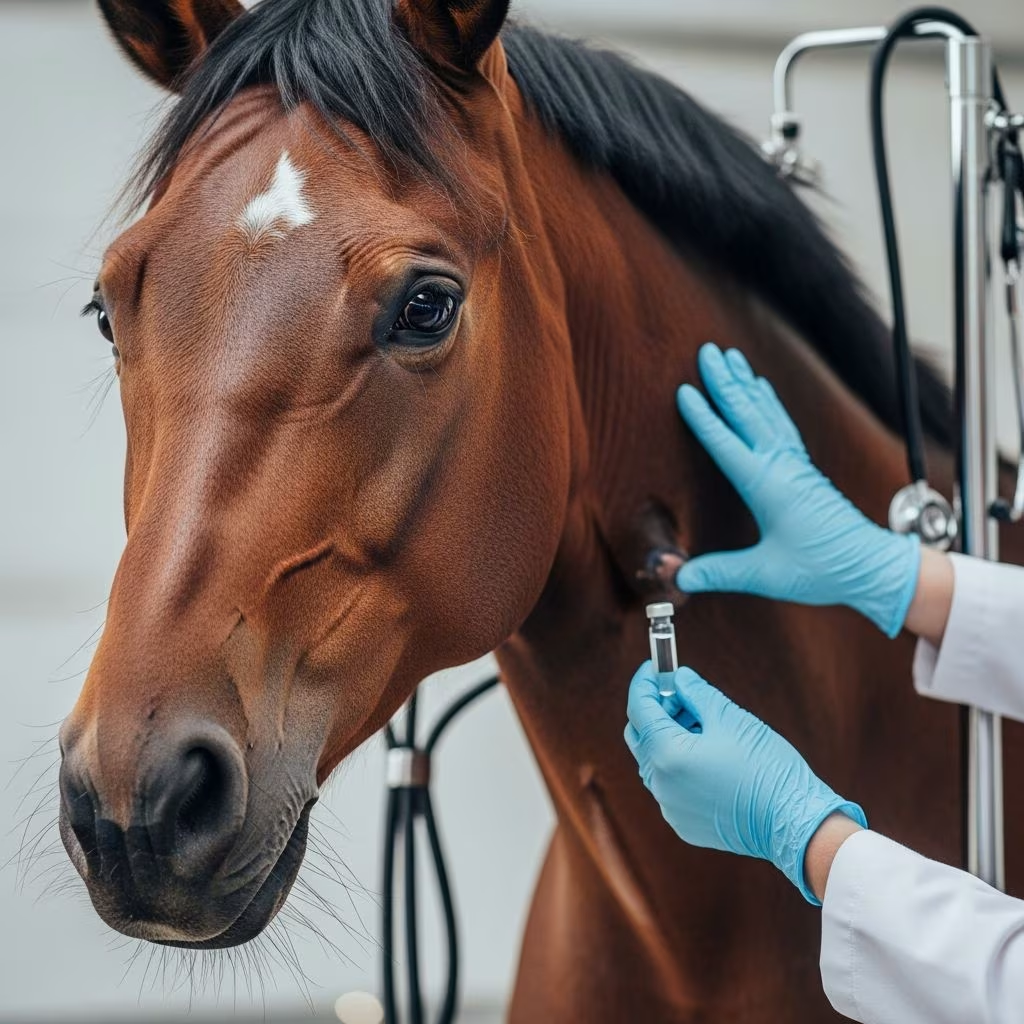
The endocrine system regulates vital functions in horses through hormones produced by glands like the pituitary, thyroid, adrenal, and pancreas. Disruptions in this system can lead to serious conditions affecting metabolism, energy, and overall well-being, often culminating in laminitis if untreated.
Core Components of the Horse Endocrine System
Horses rely on a network of glands to maintain balance. The hypothalamus in the brain signals the pituitary gland, which in turn directs the thyroid, adrenals, and other organs to release hormones such as cortisol, insulin, and thyroid hormones. These chemicals travel via the bloodstream to influence growth, reproduction, stress response, and nutrient processing.
- Pituitary Gland: Controls hormone production; dysfunction here drives many disorders.
- Thyroid Gland: Manages metabolism and energy levels.
- Adrenal Glands: Outer layer produces glucocorticoids for inflammation control and nutrient metabolism; inner layer handles sex hormones; medulla releases adrenaline for stress.
- Pancreas: Secretes insulin to regulate blood sugar.
Imbalances occur when glands overproduce or underproduce hormones, often due to tumors, aging, or genetic factors.
Major Endocrine Disorders in Horses
Pituitary Pars Intermedia Dysfunction (PPID)
Formerly known as equine Cushing’s disease, PPID stems from neurodegeneration in the pituitary gland, causing excessive hormone release, particularly ACTH and cortisol. It affects about 21% of horses over 15 years, with prevalence rising with age. Ponies, Morgans, and Arabians face higher risks.
Symptoms progress from subtle to overt:
- Delayed or abnormal coat shedding (hirsutism)
- Increased thirst and urination
- Muscle loss along the topline and pot-bellied look
- Lethargy and reduced performance
- Recurrent laminitis
Equine Metabolic Syndrome (EMS)
EMS involves insulin dysregulation (ID), abnormal fat storage, and laminitis predisposition. It’s common in easy-keeper breeds like ponies, Arabians, Morgans, and Warmbloods, typically diagnosed between ages 5-15. Genetics interact with environment; high-sugar diets exacerbate it.
| Feature | PPID | EMS |
|---|---|---|
| Age of Onset | Mostly >15 years | 5-15 years |
| Key Hormone Issue | Excess ACTH/cortisol | Insulin resistance |
| Body Condition | Muscle wasting, pot-belly | Obesity, cresty neck |
| Laminitis Risk | High, recurrent | High, often first sign |
Overlap exists; some PPID cases develop secondary ID.
Other Hormonal Concerns: Reproduction and Beyond
Mares experience cyclical hormones like estrogen and progesterone, governing estrus, diestrus, and anestrus. Imbalances from stress, diet, or cysts cause behavioral shifts, irregular cycles, or aggression. Thyroid issues, though rarer, impact energy and weight; adrenal overactivity heightens stress responses.
Recognizing Early Warning Signs
Early detection prevents complications. Monitor for:
- Changes in coat, appetite, or attitude
- Unexplained weight fluctuations
- Fat pads on neck, shoulders, or tailhead
- Frequent urination or laminitis signs like lameness
Owners of older or ‘easy-keeper’ horses should screen annually.
Diagnostic Approaches
Vets use blood tests for baseline hormones, then dynamic tests like thyrotropin-releasing hormone (TRH) stimulation for PPID or oral sugar tests for ID. Ultrasound checks pituitary tumors; resting insulin/glucose assesses EMS[10]. Prevalence studies show PPID in 21% of seniors, underscoring routine testing.
Management and Treatment Strategies
Pharmacological Interventions
Prascend (pergolide) normalizes pituitary function in PPID, reducing symptoms in most cases. No direct cure for EMS exists, but metformin aids insulin sensitivity.
Dietary Adjustments
Low non-structural carbohydrate (NSC) feeds (<10-12%) are crucial. Soak hay to cut sugars; use slow-feed nets. Avoid rich pastures; muzzles control grazing.
- Miracle or Timothy hay preferred
- Supplements: magnesium, chromium for insulin support
- Calorie restriction for overweight horses
Exercise and Lifestyle Changes
Daily movement improves insulin sensitivity. Turnout with compatible companions reduces stress. Regular farrier visits (every 4-6 weeks) prevent laminitis.
Reproductive Hormone Support
For mares, consistent routines, nutrient-rich diets, and vet exams manage cycles. Regumate or chasteberry supplements stabilize behaviors in severe cases.
Preventive Measures for Long-Term Health
Genetics load the gun, but environment pulls the trigger. Key steps:
- Annual vet wellness exams with endocrine screening for at-risk horses
- Body condition scoring monthly
- Balanced, low-starch diet year-round
- Exercise routines tailored to age and fitness
- Stress minimization via stable routines
Horses with EMS or PPID can thrive into their 20s with diligent care.
Frequently Asked Questions (FAQs)
What breeds are most prone to endocrine disorders?
Ponies, Morgans, Arabians, and Warmbloods top the list for EMS and PPID due to genetic predispositions.
Can young horses get PPID?
Yes, though rare; cases as young as 7 years reported. Don’t rule it out in unexplained symptoms.
How does diet impact these conditions?
High-sugar/starch feeds worsen insulin resistance; opt for low-NSC forages and controlled portions.
Is laminitis inevitable with endocrine issues?
Not if managed early; diet, exercise, and meds reduce risk significantly.
When should I test my horse?
Horses over 15 yearly; easy-keepers or those with symptoms immediately.
Monitoring Progress and Prognosis
Regular rechecks track hormone levels and adjust treatments. Many horses stabilize, regaining comfort and activity. Laminitis history demands vigilant hoof care[10].
References
- Understanding Equine Endocrine Disorders — The Horse. 2023. https://thehorse.com/1109648/understanding-equine-endocrine-disorders/
- Managing Equine Endocrine Disorders — Lewiston Vet Clinic. 2024. https://lewistonvetclinic.com/managing-equine-endocrine-disorders-a-horse-owners-guide-to-cushings-and-metabolic-syndrome/
- Hormone Balancing for Mare Horses — Neighked. 2023. https://neighked.com/en-us/blogs/equine-behaviour/harnessing-harmony-the-ultimate-guide-to-hormone-balancing-for-mare-horses
- Endocrine Disorders Diagnosis and Treatment — Vet Times. 2023. https://www.vettimes.com/news/vets/equine/endocrine-disorders-diagnosis-treatment-and-management
- Introduction to Hormonal Disorders of Horses — Merck Veterinary Manual. 2024. https://www.merckvetmanual.com/horse-owners/hormonal-disorders-of-horses/introduction-to-hormonal-disorders-of-horses
- An Owner’s Guide to Equine Metabolic Syndrome — Michigan State University CVM. 2023. https://cvm.msu.edu/vdl/client-education/guides-for-pet-owners/an-owners-guide-to-equine-metabolic-syndrome



