
Equine Dysautonomia: 3 Forms, 5 Early Signs To Spot
Comprehensive guide to equine dysautonomia, covering symptoms, causes, diagnosis, management strategies, and prevention tips for horse owners.
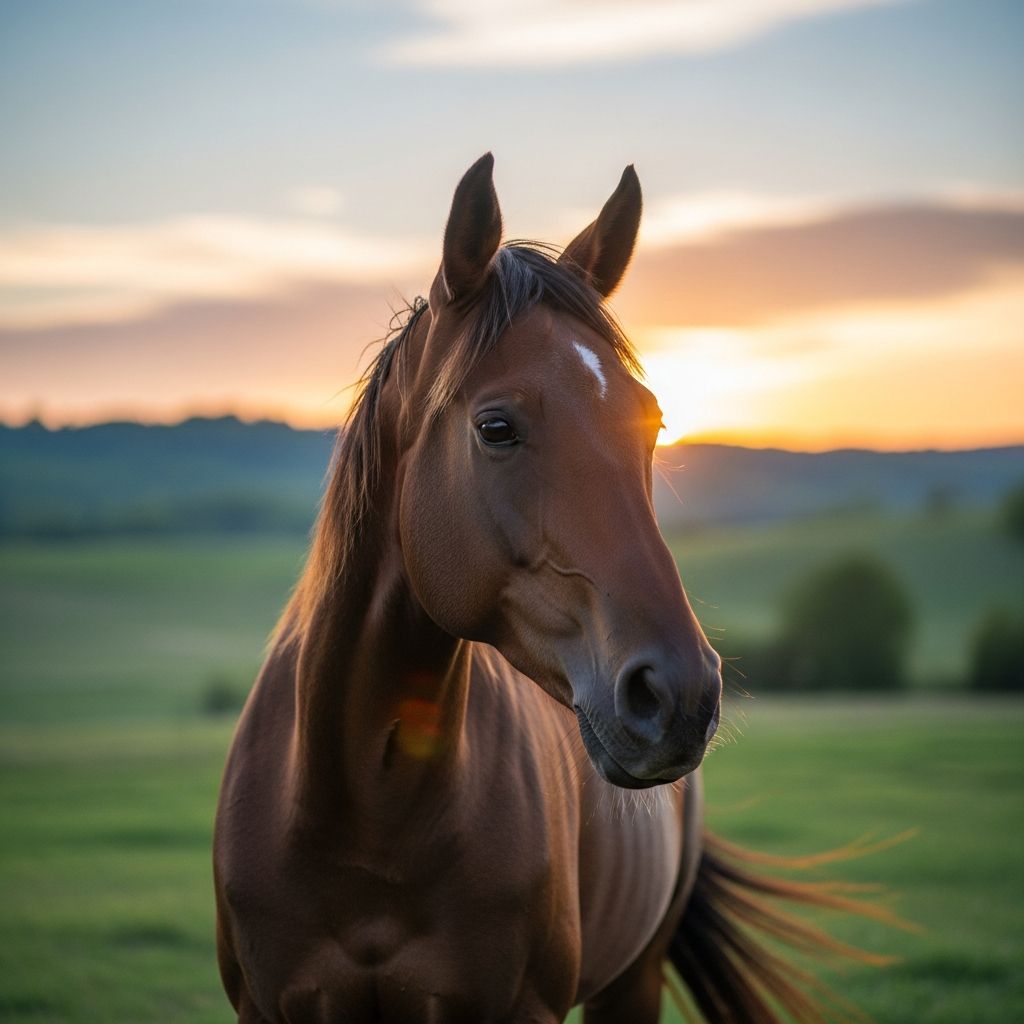
Equine dysautonomia, commonly referred to as grass sickness, represents a severe neurological disorder primarily impacting horses that graze on pasture. This condition arises from the degeneration of neurons in the autonomic and enteric nervous systems, leading to profound disruptions in gastrointestinal function and overall bodily regulation. While the precise etiology remains elusive, ongoing research points to environmental toxins and bacterial involvement as key contributors. Horse owners and veterinarians must recognize early signs to improve outcomes, as timely intervention can be critical in milder cases.
Understanding the Neurological Impact
The core pathology of equine dysautonomia involves selective neuronal loss, particularly in the gut’s enteric nervous system and the broader autonomic network. This degeneration impairs involuntary processes such as digestion, salivation, and heart rate control. Acute forms manifest rapidly with life-threatening gut stasis, whereas chronic variants develop more insidiously, causing prolonged malnutrition. Pathophysiological models suggest that ingested neurotoxins, possibly produced by bacteria like Clostridium botulinum type C, are absorbed through the ileum, triggering chromolytic changes in neurons.
Symptoms stem directly from this autonomic failure. Horses exhibit diminished gut motility, resulting in colic, reflux of gastric contents, and dysphagia. Additional signs include muscle tremors, patchy sweating, tachycardia, and Horner’s syndrome, characterized by ptosis and miosis. These manifestations vary by disease severity, underscoring the need for precise classification.
Classifying Disease Severity
Veterinarians categorize equine dysautonomia into three forms based on clinical progression and neuronal damage extent: acute, subacute, and chronic. This framework guides prognosis and management decisions.
- Acute Form: Onset within 24 hours of initial signs; severe colic, profound dehydration, and dry nasal reflux dominate. Gut impaction is common, with survival rates near zero without euthanasia.
- Subacute Form: Develops over 1-7 days; moderate colic, intermittent reflux, and early weight loss occur. Prognosis is poor, often mirroring acute cases.
- Chronic Form: Persists beyond 7 days; primary features are anorexia, dysphagia, and significant weight loss over weeks. Recovery is possible in 30-50% of cases with intensive support.
This classification reflects a continuum of enteric neuropathy rather than discrete entities, with overlap in presentations.
Recognizing Early Warning Signs
Early detection hinges on vigilance for subtle indicators, especially in spring and early summer on improved pastures. Common alerts include:
- Reluctance to eat or difficulty swallowing dry forage.
- Excessive salivation or green-tinged nasal discharge.
- Drooping eyelids (ptosis), prolapsed third eyelid, and reduced pupillary light reflex.
- Leathery dry feces, abdominal distension, and a tucked-up posture.
- Intermittent colic, sweating without exertion, and piloerection.
In chronic cases, horses may show patchy hair loss from self-trauma and extreme emaciation. Owners should monitor grazing horses closely, particularly after pasture changes or soil disturbance.
Diagnostic Approaches and Tests
Diagnosis relies on history, clinical exam, and targeted tests, as no single biomarker exists. Key steps include:
| Test | Purpose | Interpretation |
|---|---|---|
| Phenylephrine Eye-Drop Test | Assesses eyelid innervation | Drooping reverses in 30 minutes if positive for dysautonomia; eyelashes lift 15-30 degrees. |
| Rectal Palpation | Evaluates gut motility | Impacted large intestine confirms stasis. |
| Ileal Biopsy | Confirms neuronal degeneration | Chromolytic neurons definitive; requires laparotomy. |
| Fecal Analysis | Rules out differentials | Absence of parasites or toxins. |
Differentials encompass colic syndromes, botulism, rabies, and malnutrition. Laboratory panels (blood, urine, peritoneal fluid) exclude infections or metabolic issues. Premises history of prior cases heightens suspicion.
Unraveling Potential Causes
Despite decades of study, equine dysautonomia’s cause defies consensus. Leading hypotheses implicate:
- Bacterial Neurotoxins: Clostridium botulinum type C overgrowth in disrupted gut flora produces toxins absorbed via ileum.
- Environmental Triggers: Soil disturbance, recent ivermectin use, mechanical fecal removal, and lack of hay feeding elevate risk.
- Host Factors: Young adult horses (2-10 years) on lush pastures show highest susceptibility; low antibody levels to toxins may play a role.
Other investigated culprits—toxins, viruses, parasites—lack substantiation. Recent evidence favors a toxico-infectious botulism variant.
Management Strategies by Disease Stage
Acute and Subacute Cases
These carry grave prognoses; euthanasia is standard to prevent suffering from unrelenting ileus and dehydration. Supportive efforts like fluid therapy offer minimal benefit.
Chronic Case Support
Guarded outlook with 40% recovery potential. Intensive nursing includes:
- Indoor housing for warmth and hygiene.
- Small, frequent meals of palatable, high-energy mashes (e.g., alfalfa pellets soaked in electrolytes).
- Hand-walking 2-3 times daily to stimulate motility.
- Analgesics, IV fluids if needed, and gastric decompression.
- Ad libitum access to soft haylage; salt supplementation for hydration.
Monitor weight weekly; improvement occurs in 3-5 weeks if successful. Appetite fluctuations demand adaptive feeding. Emerging trials with prokinetics like cisapride show promise but require validation.
Prognostic Indicators
Survival hinges on neuronal loss extent and response to care. Favorable signs: weight gain within 10 days, fecal softening, and voluntary eating. Poor omens include persistent anorexia >3 days, recumbency, or pneumonia from reflux. Chronic survivors may resume light work after 2-3 months but risk recurrence.
Prevention and Risk Mitigation
No vaccine exists, but practices reduce incidence:
- Supplementary hay feeding year-round, especially spring.
- Avoid soil disturbance, chain harrowing, and mechanical manure scraping.
- Manual fecal removal and minimize ivermectin near grazing changes.
- Quarantine new arrivals; monitor high-risk pastures.
Outbreak control involves isolating cases and pasture rest. Research into probiotics or antitoxins continues.
Frequently Asked Questions (FAQs)
What is the most common age for equine dysautonomia?
Typically affects horses aged 2-10 years, with peak at 4 years; rare in foals or seniors.
Can equine dysautonomia spread between horses?
No evidence of contagion; environmental factors drive clustered cases on premises.
Is there a cure for chronic grass sickness?
No cure, but supportive care yields recovery in select cases; focus on nutrition and motility.
How reliable is the phenylephrine test?
Highly indicative for ptosis cases; positive response supports diagnosis rapidly.
What pastures pose highest risk?
Lush, improved grasslands post-spring growth; soil type C Clostridium prevalence implicated.
Equine dysautonomia demands prompt veterinary consultation. By understanding its nuances, owners can safeguard herd health amid this enigmatic threat.
References
- Equine Dysautonomia – PubMed. 2018-02-07. https://pubmed.ncbi.nlm.nih.gov/29398183/
- Equine Grass Sickness: Symptoms, Treatment & Prevention – Mad Barn. N/A. https://madbarn.com/equine-grass-sickness/
- Management of Chronic Grass Sickness Patients – Grass Sickness Organisation. N/A. https://www.grasssickness.org.uk/advice/management-of-chronic-grass-sickness-patients/
- Grass sickness in Horses (Equis) – Vetlexicon. N/A. https://www.vetlexicon.com/equis/gastrohepatology/articles/grass-sickness/
- Equine Grass Sickness (EGS) – Central Equine Vets. N/A. https://www.centralequinevets.co.uk/GrassSickness1537.html
Similar Articles








Read full bio of Sneha Tete


