

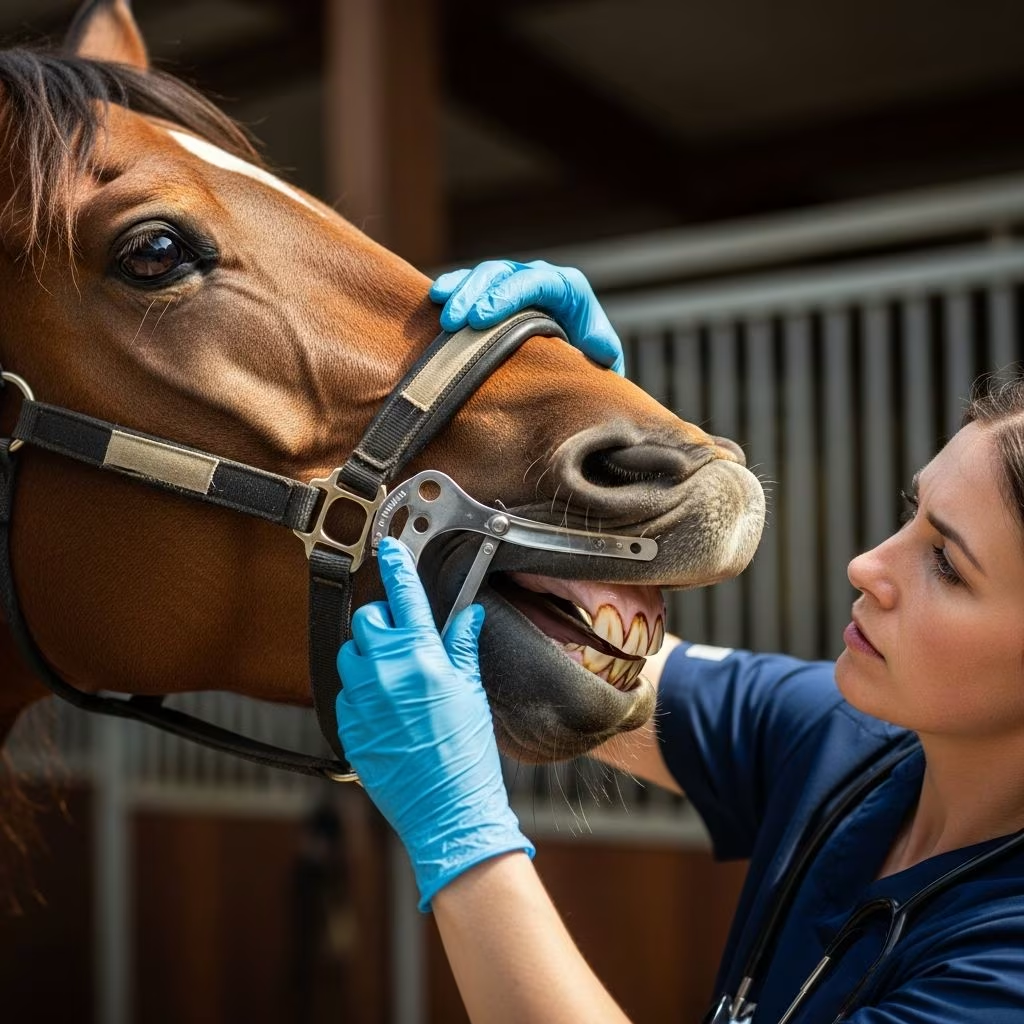
Equine Dentistry: How to Take Care of Your Horse’s Teeth
Your horse’s teeth are fundamental to their overall health and well-being. Unlike humans who develop two sets of teeth, horses continuously grow new teeth throughout their lives. This unique characteristic means that equine dental care is not just about maintaining a bright smile—it’s essential for proper digestion, nutrition absorption, and overall comfort. Understanding how to care for your horse’s teeth through regular examinations, professional procedures, and at-home monitoring can prevent serious health issues and ensure your equine companion enjoys a long, healthy life.
Why Equine Dental Care Matters
Many horse owners underestimate the importance of dental health in their animals’ overall wellness. A horse’s teeth are directly connected to its digestive system, and problems in the mouth can cascade into serious health complications. When horses experience dental discomfort, they often adapt to the pain rather than showing obvious symptoms, making regular professional examinations critical. Sharp points on teeth, uneven wear, and misalignments can prevent proper chewing, leading to inefficient digestion and reduced nutrient absorption. Additionally, dental problems can affect a horse’s performance, behavior, and quality of life.
Understanding Horse Teeth Development
Horse teeth develop in predictable stages throughout their lives. Foals are born with deciduous (baby) teeth that are eventually shed and replaced by permanent teeth. This eruption process continues well into adulthood, and horses continue to grow new tooth material throughout their lifetime. Understanding these growth stages helps horse owners recognize when professional intervention may be necessary. Young horses, in particular, experience rapid tooth development and eruption, which makes them candidates for more frequent dental check-ups than adult horses.
The Importance of Regular Dental Examinations
Professional dental examinations form the foundation of excellent equine dental care. A qualified equine veterinarian or certified equine dental technician should examine your horse’s teeth at least once per year. For young horses, more frequent check-ups—every six months—are recommended to monitor the eruption and shedding of deciduous teeth and to detect any malocclusions early on. Senior horses may also benefit from more frequent examinations to address age-related dental changes.
During a comprehensive dental exam, a professional will assess the condition of all teeth, examine the gums and jawbone, and identify any abnormalities or areas of concern. This proactive approach allows veterinarians to detect and address problems before they become serious, potentially saving you significant time, money, and heartache. Regular check-ups also establish a baseline for your individual horse’s dental health, making it easier to track changes over time.
Dental Floating: The Primary Preventative Procedure
Dental floating is the most common equine dental procedure and is essential for maintaining proper tooth alignment and balance. This process involves using specialized instruments to smooth sharp edges and remove overgrowths on the chewing surfaces of teeth. Over time, horses’ teeth naturally develop sharp points and hooks due to the way they chew hay and grain. These sharp edges can create pressure points in the mouth, cause ulcers on the gums and tongue, and prevent normal chewing motion.
During floating, a skilled practitioner uses specialized tools—typically carbide or synthetic diamond rasps—to carefully file down problem areas with precision control. This procedure restores the natural chewing motion and reduces pain from pressure points and ulcers. Most horses benefit from annual floating, though the specific frequency depends on individual factors such as age, anatomy, and diet. Young horses with rapidly erupting teeth may require more frequent floating, while some older horses with specific dental characteristics might need adjustments on a different schedule.
Common Equine Dental Problems
Sharp Points and Hooks
Sharp enamel points are among the most common dental issues in horses. These develop naturally as teeth erupt and wear unevenly. Sharp points can cause discomfort during chewing and may lead to behavioral issues or reduced performance.
Malocclusions and Misalignments
Malocclusions occur when teeth don’t align properly, preventing normal chewing. These misalignments can develop due to genetics, injury, or uneven wear patterns. Professional assessment and treatment are essential for addressing significant malocclusions.
Wolf Teeth
Wolf teeth are small, vestigial teeth that erupt in front of the first molars. These teeth can interfere with the bit and cause discomfort when riding. Many horses benefit from wolf tooth removal, particularly if they’re being started under saddle.
Fractured and Diseased Teeth
Fractured teeth can result from trauma, chewing on hard objects, or dental disease. These teeth may become infected and require extraction. Early identification through regular examinations allows for prompt treatment.
Advanced Dental Procedures
Tooth Extraction
When teeth are severely infected, fractured beyond repair, or retained abnormally, extraction may be necessary. Modern equine dentistry allows for safe extraction procedures that prevent infection and complications.
Occlusal Adjustments
For horses with severe bite problems or significant malocclusions, occlusal adjustments can help correct the relationship between upper and lower teeth. These specialized procedures require significant expertise and precision.
Endodontic Treatments
In select cases, root canal therapy or other advanced endodontic procedures may help preserve a damaged tooth rather than requiring extraction. These treatments represent the cutting edge of equine dental medicine.
Sedation Options for Dental Procedures
Most horses tolerate routine dental examinations and treatments without sedation when working with a calm, competent, and qualified practitioner. However, sedation can be beneficial for horses that are anxious, require more thorough examinations, or need complex procedures. A well-trained equine dentist or veterinarian will determine whether sedation is appropriate for your horse’s individual situation. Sedation ensures that your horse remains calm throughout the procedure, minimizing stress for both the horse and the practitioner while allowing for safer, more thorough dental work.
Feeding for Optimal Dental Health
What your horse eats directly impacts dental health and function. Horses evolved to spend most of their day grazing on long-stem hay and grass, and this natural diet supports healthy dental wear and function. When feeding your horse, prioritize long-stem hay and pasture grazing to encourage natural chewing patterns. Avoid feeding exclusively soft or pelleted feeds unless medically necessary, as these foods don’t provide the abrasive action needed for proper tooth wear.
Monitor your horse’s chewing efficiency and manure consistency to ensure feed is being properly broken down. If you notice changes in these indicators, it may signal dental problems requiring professional evaluation. Additionally, maintain proper body condition by ensuring your horse is receiving adequate nutrition through properly masticated feed.
At-Home Dental Monitoring
Between professional dental examinations, horse owners should perform regular at-home monitoring to catch potential problems early. Watch for changes in your horse’s appetite or chewing habits, as reluctance to eat or one-sided chewing can indicate dental discomfort. Observe manure consistency and general body condition—healthy digestion typically results in well-formed manure, while poor chewing efficiency may lead to undigested feed particles in the manure.
Be alert to behavioral cues that may signal oral discomfort, such as head tossing, resistance to the bit, or changes in performance. Some horses may develop quidding behavior, where they partially chew food and then spit it out, indicating they cannot properly masticate their feed. These signs warrant prompt professional evaluation.
Choosing a Qualified Equine Dental Professional
Not all individuals performing equine dental work are equally qualified. Before allowing someone to work on your horse’s teeth, verify their credentials and training. Members of the British Association of Equine Dental Technicians (BAEDT) have passed rigorous examinations, maintain continuing professional development, receive routine assessments, and carry full insurance. Ask your veterinarian for recommendations and always verify that your chosen practitioner is properly qualified and registered.
Developing a Customized Preventative Plan
Every horse has unique dental needs based on age, individual anatomy, diet, and work level. A comprehensive dental examination allows your veterinarian to assess your horse’s specific situation and create a tailored treatment and prevention plan. This customized approach ensures that your horse receives appropriate care at the right intervals, preventing costly problems while maintaining optimal dental health. Regular communication with your dental professional helps you stay informed about your horse’s dental status and any changes requiring attention.
Frequently Asked Questions About Equine Dentistry
Q: How often should my horse have dental check-ups?
A: Most adult horses should have dental examinations at least once yearly. Young horses (ages 2-5) and senior horses may benefit from more frequent check-ups every six months to address rapid tooth changes and age-related issues.
Q: What is the difference between floating and extraction?
A: Floating is a routine maintenance procedure where sharp edges are smoothed and overgrowths are filed down to restore proper tooth balance. Extraction is removal of a tooth, typically performed when the tooth is severely infected, fractured beyond repair, or causing significant problems.
Q: Does dental work hurt horses?
A: Routine floating performed by a skilled practitioner should not cause pain. In fact, removing sharp points and correcting imbalances typically relieves discomfort. Sedation can be used if your horse is anxious or if complex procedures are needed.
Q: Can I float my horse’s teeth myself?
A: No. Floating requires specialized training, professional-grade equipment, and extensive knowledge of equine dental anatomy. Improper floating can cause serious harm. Always use a qualified equine dental professional.
Q: What should I feed my horse for optimal dental health?
A: Horses thrive on long-stem hay and pasture grazing, which encourage natural chewing and proper tooth wear. Avoid exclusively soft or pelleted diets unless medically necessary, as these don’t provide adequate abrasive action for maintaining dental health.
Q: How much does equine dental care cost?
A: Routine dental exams and floating typically range from moderate to higher costs depending on location and complexity. However, regular preventative care is significantly less expensive than treating advanced dental disease or dealing with the complications that result from neglected dental care.
Conclusion
Equine dentistry is a crucial component of responsible horse ownership that directly impacts your horse’s health, performance, and quality of life. By understanding the importance of regular dental examinations, professional floating procedures, and proper nutrition, you can maintain your horse’s oral health throughout its lifetime. Establish a relationship with a qualified equine dental professional, commit to annual (or more frequent) check-ups, and perform regular at-home monitoring. These proactive steps will help ensure that your horse enjoys pain-free chewing, efficient digestion, and optimal overall health for years to come. Remember that dental health is not a one-time concern but an ongoing commitment to your horse’s well-being.
References
- Dental Care of Horses – Management and Nutrition — Merck Veterinary Manual. 2024. https://www.msdvetmanual.com/management-and-nutrition/preventative-health-care-and-husbandry-of-horses/dental-care-of-horses
- Introduction to Equine Dentistry — American Association of Equine Practitioners (AAEP). 2024. https://aaep.org/resource/introduction-to-equine-dentistry/
- Equine Dental Care: Essential Tips for Healthy Horse Teeth — Clarendon Equine. 2024. https://clarendonequine.co.uk/equine-dental-care-essential-tips-for-healthy-horse-teeth/
- Straight from the Horse’s Mouth: Complete Dental Care Guide for Equine Owners — RVS Veterinary Services. 2024. https://rvsvet.com/straight-from-the-horses-mouth-complete-dental-care-guide-for-equine-owners/
- Horse Teeth Floating Guide: Equine Dental Exams and Preventative Care — Mad Barn. 2024. https://madbarn.com/horse-teeth-floating/
- A Guide to Equine Dental Care — Alberta Animal Health Source. 2024. https://albertaanimalhealthsource.ca/content/guide-equine-dental-care
- Equine Dental Care Guide — Meander Valley Veterinary Service. 2024. https://www.meandervets.com.au/blog/equine-dental-care-guide



