

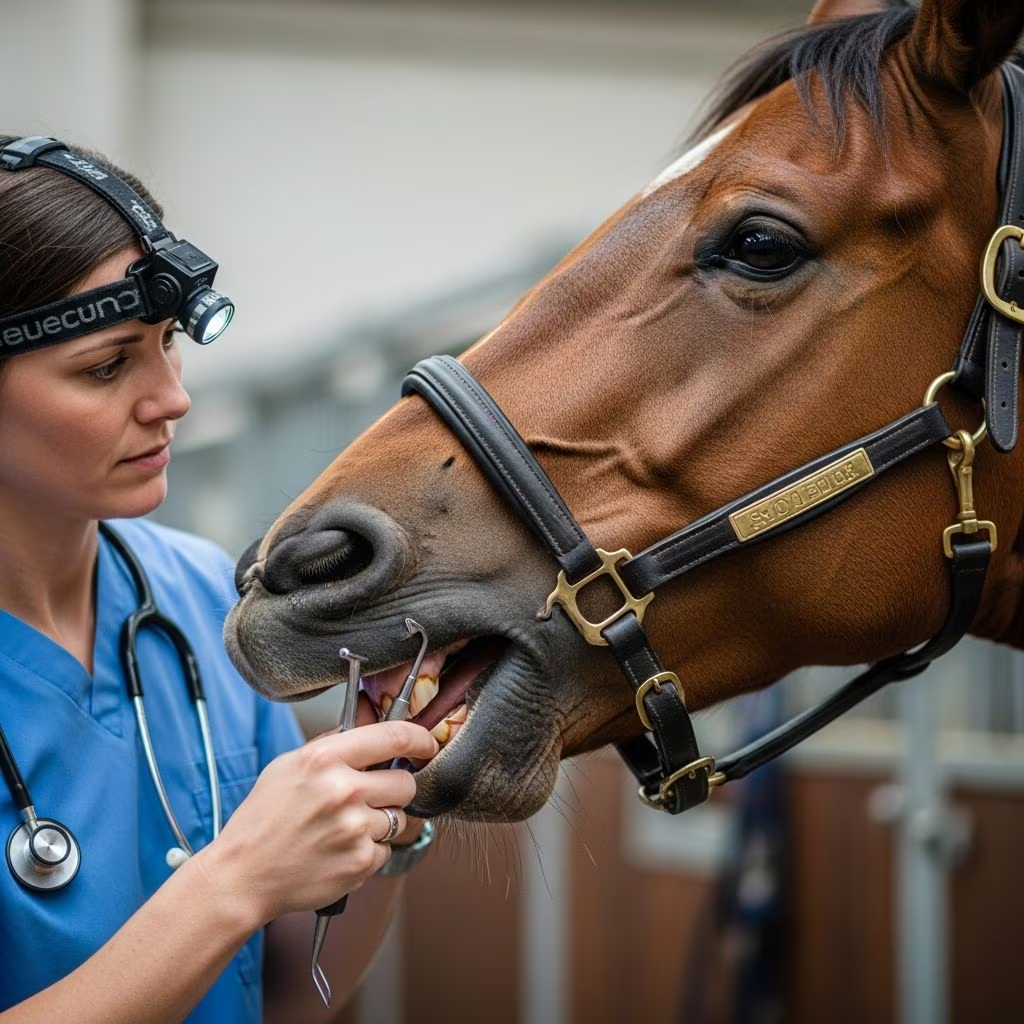
Horses rely on their teeth for efficient chewing of fibrous feeds, making dental maintenance crucial for overall well-being. Proper care prevents pain, supports digestion, and enhances performance across all ages.
Unique Anatomy of Horse Teeth
Horse teeth differ from human ones due to their hypsodont structure, where teeth continuously erupt from reserves in the jaw throughout life. This adaptation suits grinding tough plant material but leads to wear imbalances if unmanaged. Upper and lower arcades feature incisors for cropping grass, canines in males for combat, premolars, and molars for pulverizing forage. Enamel crests sharpen with use but develop points if attrition is uneven.
Understanding this anatomy helps owners recognize when professional intervention is needed. Young horses shed deciduous teeth up to age 5, while seniors face shortening reserves, altering occlusion.
Common Dental Disorders in Horses
Several issues arise from diet, age, or genetics. Sharp enamel points form on outer upper and inner lower cheeks, causing cheek ulcers and quidding (dropping partially chewed food).
- Wave Mouth: Undulating arcade from uneven wear, impairing mastication.
- Ramps and Hooks: Elongated areas at tooth ends blocking full grind.
- Diastema: Gaps trapping food, leading to infections.
- Fractured or Absent Teeth: From trauma or decay, causing malocclusion.
- Equine Odontoclastic Tooth Resorption and Hypercementosis (EOTRH): Senior-specific, eroding incisors painfully.
These conditions reduce feed intake, promote weight loss, and trigger colic risks from poor digestion.
Recognizing Signs of Dental Distress
Owners should monitor behavior daily. Key indicators include:
- Excessive salivation or feed dropping from mouth.
- Head tilting while eating or resistance to bridle.
- Painful yawning, foul breath, or nasal discharge.
- Weight loss despite ample feed or undigested hay in manure.
- Behavioral changes like bucking or reluctance to chew hard treats.
Early detection via routine checks prevents escalation. Palpate jaw angles gently for swelling or sensitivity.
Professional Dental Examinations Explained
A full exam requires sedation for safety, using a speculum to access the mouth. Vets employ lights, mirrors, and probes to assess occlusion, gum health, tongue, and palate.
Key steps:
- Visual inspection for points, waves, or lesions.
- Manual palpation of arcade alignment.
- Radiographs for subsurface abscesses or roots.
- Occlusal equilibration via floating to balance surfaces.
Floating smooths enamel with motorized or hand rasps, restoring natural grind. Advanced cases may need extractions or endodontics.
Dental Care Frequency by Age Group
Schedule varies with development and wear rates. Use this table for guidance:
| Age Group | Recommended Frequency | Rationale |
|---|---|---|
| 2-5 Years (Juveniles) | Every 6 months | Cap shedding, eruption issues, training diets accelerate wear. |
| 6-15 Years (Adults) | Annually | Stable occlusion; monitor for hooks or waves. |
| Over 15 Years (Seniors) | Every 6 months | Tooth loss, EOTRH, softer diets alter balance. |
Performance horses or those on concentrates need more frequent visits.
DIY Monitoring and Home Care Tips
While professionals handle treatments, owners contribute through vigilance:
- Observe chewing symmetry and manure quality weekly.
- Provide long-stem hay to promote lateral jaw movement.
- Avoid pelleted-only diets; mix with forage for natural abrasion.
- Clean water access flushes debris; note any hesitation to drink.
Brushing gums softly with equine paste supports hygiene, but never rasp teeth yourself to avoid damage.
Nutrition’s Impact on Oral Health
Diet shapes tooth wear. Fibrous hays mimic grazing, filing teeth evenly. Concentrates soften boluses, fostering points. Seniors benefit from soaked feeds to ease chewing amid attrition.
Optimal feeding:
- 60-70% forage daily.
- Slow-feeders extend mastication time.
- Mineral balances prevent enamel weakness.
Pasture access ideal for self-regulation.
Advanced Interventions and Complications
Beyond floating, options include wolf tooth removal for bit comfort, sinus trephination for abscesses, or prosthetics rarely. Post-extraction gaps fill with adjacent teeth over time.
Complications like sinusitis from rostral hooks demand prompt care. Pain management uses NSAIDs during recovery.
Choosing Qualified Dental Providers
Select vets trained in equine dentistry or certified technicians supervised by vets. Look for experience with sedation, imaging, and power tools. State laws vary; prioritize licensed pros.
Ask about protocols, follow-up, and performance records.
FAQs on Horse Dental Care
What is dental floating? Smoothing sharp enamel edges to restore proper occlusion and comfort.
Can I float my horse’s teeth at home? No, professional tools and sedation ensure safety and precision; DIY risks injury.
How do I know if my horse needs dental work? Watch for quidding, weight loss, or bit resistance; schedule annual exams regardless.
Does diet affect horse teeth? Yes, forage promotes even wear; soft feeds cause imbalances.
What about senior horses? Frequent checks for EOTRH, shorter teeth; adapt feeds to mushy textures.
Long-Term Benefits of Proactive Care
Consistent dental attention yields healthier digestion, stable weight, and happier dispositions. Riders notice smoother gaits sans oral pain. Invest now for a lifetime of vitality.
References
- Straight from the Horse’s Mouth: Complete Dental Care Guide for Equine Owners — Rustebakke Veterinary Service. 2023. https://rvsvet.com/straight-from-the-horses-mouth-complete-dental-care-guide-for-equine-owners/
- Equine Dental Care 2026: Essential Guide for Horse Owners — Equine Tools. 2026. https://equine-tools.com/blogs/news/equine-dental-care-a-comprehensive-guide-for-horse-owners-in-2026
- Horse Dental Care: A Complete Guide to Equine Dental Health — Equs Paddock. 2024. https://equspaddock.com/en/horse-dental-care-a-complete-guide-to-equine-eental-gealth/
- Equine Dental Care Guide — Meander Vets. 2023. https://www.meandervets.com.au/blog/equine-dental-care-guide
- Introduction to Equine Dentistry — American Association of Equine Practitioners (AAEP). 2024. https://aaep.org/resource/introduction-to-equine-dentistry/
- Vet Guide to Senior Horse Dental Care 2025 Nutrition & EOTRH Treatment Insights — Ask A Vet. 2025. https://askavet.com/blogs/news/vet-guide-to-senior-horse-dental-care-%F0%9F%90%B4-2025-nutrition-eotrh-treatment-insights



