
Equine Coital Exanthema Guide: Signs, Diagnosis, Prevention
Comprehensive insights into equine coital exanthema, a contagious venereal disease in horses caused by EHV-3, covering symptoms, management, and prevention strategies.
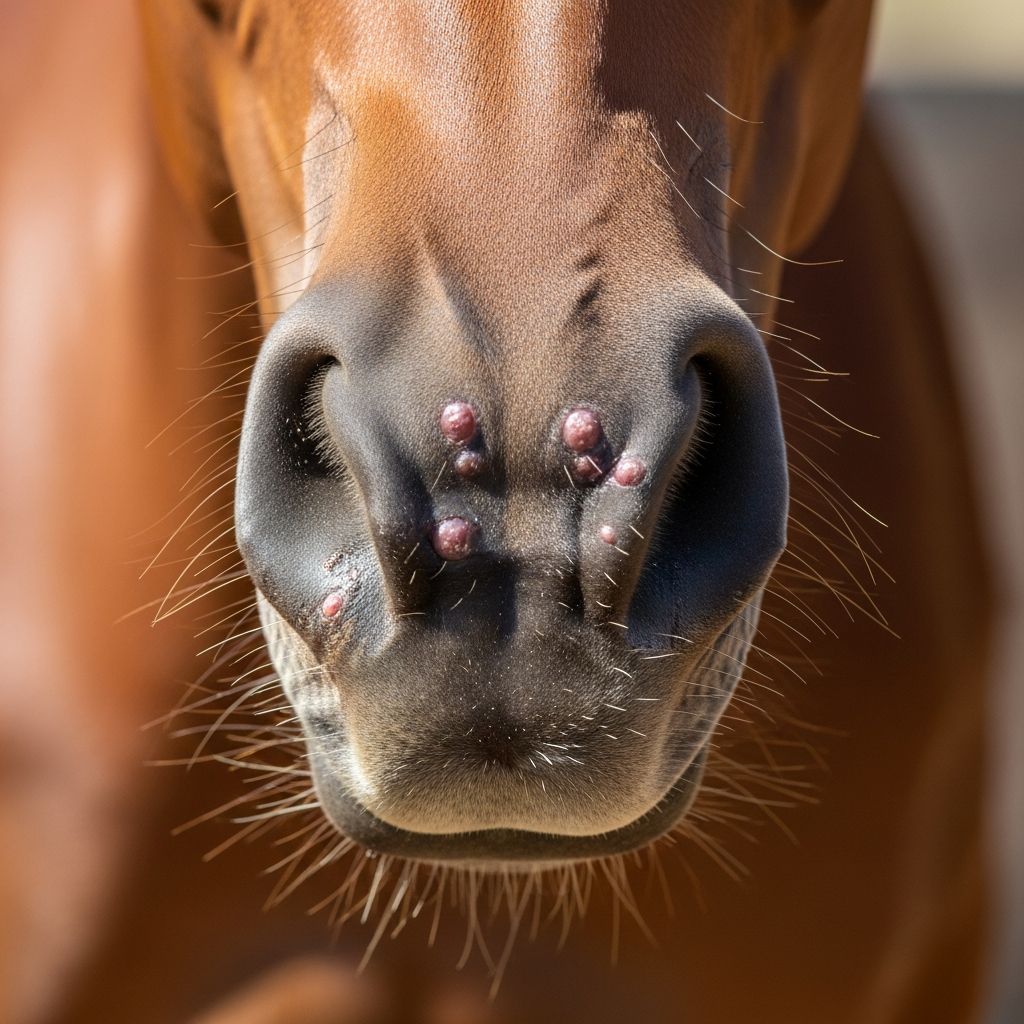
Equine coital exanthema (ECE), also known as genital horsepox, represents a significant concern in equine reproductive health. This venereally transmitted condition, caused by equid alphaherpesvirus 3 (EHV-3), leads to painful lesions on the genitalia of both mares and stallions, potentially disrupting breeding programs worldwide.
Understanding the Viral Culprit Behind ECE
The primary pathogen responsible for ECE is EHV-3, a member of the Herpesviridae family within the Varicellovirus genus. This double-stranded DNA virus features a genome of approximately 151,601 nucleotides encoding 76 genes, distinguishing it genetically and pathogenically from other equine herpesviruses like EHV-1. EHV-3 specifically targets the mucosal epithelium of the external genitalia and occasionally the nasal mucosa, without penetrating deeper tissues or immune cells.
Infection initiates upon viral entry through mucosal surfaces, followed by rapid replication in epithelial cells. This lytic process destroys infected cells, provoking a robust local inflammatory response that manifests as characteristic skin lesions. Secondary complications, such as bacterial invasions or myiasis, can exacerbate the condition.
Transmission Dynamics in Horse Populations
ECE spreads predominantly through direct venereal contact during mating, making it highly contagious in breeding settings. The virus can also transmit via contaminated medical instruments during vaginal or rectal exams if proper sterilization and glove changes are neglected. Indirect spread occurs through fomites or close contact, though less commonly. Carrier horses may harbor the virus asymptomatically, shedding it intermittently and posing risks to naive populations.
- Primary route: Sexual intercourse between infected and susceptible equids.
- Secondary routes: Contaminated exam tools, shared tack, or environmental persistence on surfaces.
- Global reach: Documented in horse populations across continents, affecting both domestic and wild equids.
Breeding facilities with high stallion turnover amplify outbreak risks, underscoring the need for rigorous pre-breeding health checks.
Recognizing Clinical Manifestations in Affected Horses
Symptoms typically emerge 4-8 days post-exposure, though incubation can vary. Initial signs include small, circular red nodules on the vulva, vaginal vestibule, clitoral fossa, perineum in mares, and penis, prepuce in stallions. These evolve into vesicles (fluid-filled blisters) reaching 10-15 mm, which rupture to form shallow, painful ulcers.
Mares may exhibit vaginal discharge, while stallions often show reluctance to breed, erection difficulties, and libido loss due to soreness. Systemic signs like mild fever are rare but possible. Extragenital lesions occasionally appear on lips, nose, or teats. Severity influences duration: uncomplicated cases heal in 10-14 days, leaving possible depigmentation or scars; secondary infections prolong recovery.
| Affected Area | Mares | Stallions |
|---|---|---|
| Primary Lesions | Vulva, vestibule, clitoris, perineum | Penis surface, prepuce |
| Lesion Progression | Nodules → Vesicles → Ulcers | Nodules → Vesicles → Ulcers |
| Behavioral Signs | Discomfort during exams | Libido loss, erection pain |
Diagnostic Approaches for Accurate Confirmation
Diagnosis relies on clinical presentation, history of recent breeding, and lesion morphology. PCR testing of lesion swabs detects EHV-3 DNA with high sensitivity, confirming active infection. Viral culture from swabs provides definitive identification, though it’s less routine due to time constraints. Serology assesses exposure but doesn’t differentiate active from past infections. Differential diagnoses include bacterial balanoposthitis, equine viral arteritis, or allergic dermatitis, necessitating lab confirmation.
Management and Therapeutic Interventions
Treatment prioritizes supportive care: impose sexual rest until full healing to curb spread. Clean lesions with antiseptics; administer systemic or topical antibiotics against secondary bacteria like Streptococcus zooepidemicus. Pain relief via anti-inflammatories enhances comfort.
Antiviral therapies show promise. In vitro studies rank ganciclovir (GCV) superior to acyclovir (ACV) and cidofovir against EHV-3. Topical 0.01% GCV cream reduces lesion duration and viral shedding in experimentally infected mares. Oral valacyclovir (VACV) combined with topical ACV halted replication in stallions within days. These nucleoside analogs inhibit viral DNA polymerase, accelerating recovery. No licensed commercial antivirals exist yet, but ongoing trials optimize protocols.
- Standard protocol: Rest (2-3 weeks), antiseptics, antibiotics if needed.
- Advanced options: Topical GCV or ACV; oral VACV for severe cases.
- Prognosis: Excellent; full recovery without fertility impact.
Prevention Strategies for Breeding Operations
No vaccine exists for ECE, placing emphasis on biosecurity. Conduct thorough pre-breeding genital inspections; quarantine suspects. Sterilize instruments between uses and use fresh gloves. Isolate recovering horses until lesions heal completely, as they’re non-contagious post-resolution.
Implement breeding hygiene: limit stallion exposure, monitor mares post-mating. Serosurveillance identifies carriers. Facility protocols include footbaths, dedicated equipment, and staff training. In outbreaks, segregate affected equids promptly.
Insights from Recent Research and Field Studies
Contemporary investigations reveal EHV-3’s epithelial tropism and inflammatory pathogenesis. A 2021 review highlighted GCV’s prophylactic potential, though therapeutic efficacy outperformed prevention in trials. Natural infection studies confirm self-limitation but stress antiviral acceleration of shedding clearance, vital for stud farms. Anorectal lymphadenopathy links to inflammation or secondary issues, warranting monitoring.
Eradication challenges persist; underdiagnosis may occur due to mild cases. Global surveillance aids in tracking prevalence.
Frequently Asked Questions (FAQs)
What causes equine coital exanthema?
ECE stems from EHV-3, a herpesvirus transmitted mainly via breeding.
How long do ECE lesions take to heal?
Uncomplicated lesions resolve in 10-14 days; secondary infections extend this to three weeks.
Is there a vaccine for ECE?
No vaccine is available; prevention relies on hygiene and quarantine.
Can ECE affect fertility long-term?
No, it causes temporary breeding disruption but no permanent infertility.
How is ECE diagnosed?
Via clinical signs, PCR on swabs, and viral isolation.
Key Takeaways for Equine Breeders
- Prioritize genital exams before breeding.
- Enforce strict biosecurity in studs.
- Explore antivirals under veterinary guidance.
- Monitor for subtle signs to prevent outbreaks.
ECE, while benign in outcome, demands vigilant management to protect equine reproductive success.
References
- Equine coital exanthema – Visavet — Visavet. Accessed 2026. https://www.visavet.es/infequus/en/equine-coital-exanthema.php
- Coital Exanthema in Horses – PetMD — PetMD. Accessed 2026. https://www.petmd.com/horse/conditions/reproductive/c_hr_coital_exanthema
- Equine Coital Exanthema: New Insights on the Knowledge and Leading Perspectives for Treatment and Prevention — Mad Barn. 2023. https://madbarn.com/research/equine-coital-exanthema-new-insights-on-the-knowledge-and-leading-perspectives-for-treatment-and-prevention/
- Equine Coital Exanthema: New Insights on the Knowledge and Leading Perspectives for Treatment and Prevention — PMC (NCBI). 2021-08-26. https://pmc.ncbi.nlm.nih.gov/articles/PMC8398825/
- Equine Herpesvirus — Equine Disease Communication Center. Accessed 2026. https://equinediseasecc.org/equine-herpesvirus
Similar Articles








Read full bio of medha deb


