

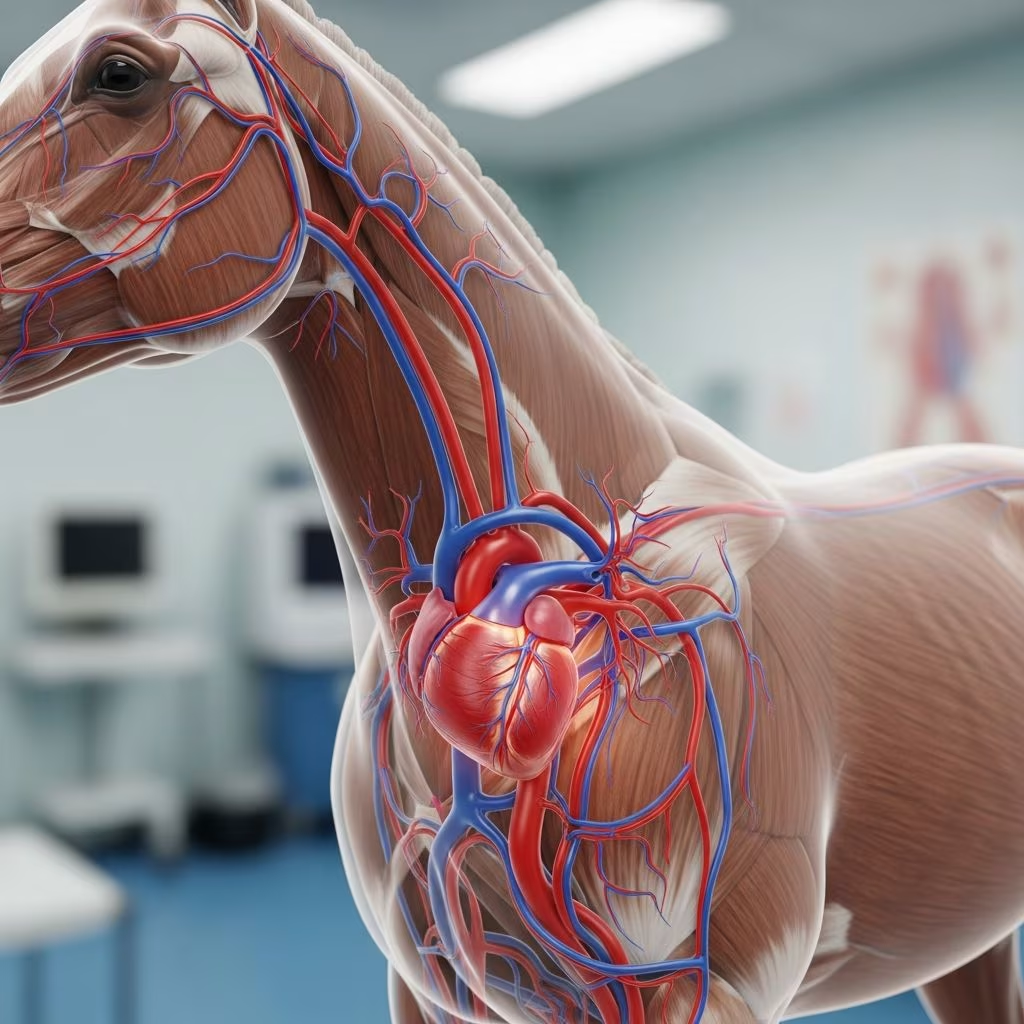
The cardiovascular system in horses is a remarkable network engineered for high-performance demands, powering everything from leisurely rides to intense races. Comprising the heart, blood vessels, and blood itself, this system ensures oxygen and nutrient delivery while removing waste. However, disorders affecting this vital setup can lead to reduced stamina, collapse, or even sudden death, making early recognition crucial for horse owners.
Understanding the Horse’s Circulatory Framework
Horses possess a robust circulatory system tailored for athletic excellence. The heart, a four-chambered muscular organ, weighs around 3.6 to 5 kilograms in adults, representing about 1% of body weight, and can grow with conditioning up to twice that size in elite athletes.
This organ’s globoid shape differs from the human heart, featuring left and right atria that receive blood and ventricles that pump it out. Oxygen-poor blood enters the right atrium from the body, moves to the right ventricle, and heads to the lungs via pulmonary arteries for oxygenation. Oxygen-rich blood then flows to the left atrium, left ventricle, and out through the aorta to nourish tissues.
- Key Chambers and Flow: Right side handles deoxygenated blood to lungs; left side distributes oxygenated blood systemically.
- Unique Features: Horses have a spleen that contracts during exercise, releasing red blood cells to boost oxygen capacity, effectively doubling packed cell volume.
- Electrical Conduction: Purkinje fibers penetrate deeply into the myocardium, enabling heart rates from 20-40 bpm at rest to 240 bpm during exertion for rapid response.
Arteries carry blood away from the heart under high pressure, veins return it with assistance from muscle contractions and breathing, and capillaries facilitate exchange at tissues. This setup supports maximal oxygen consumption far exceeding many mammals, though skeletal muscle demands can outpace supply in extreme efforts.
How the Equine Heart Functions During Activity
The cardiac cycle involves systole (contraction) and diastole (relaxation). Each beat pumps over 1 liter of blood in trained horses, achieving flows up to 400 liters per minute at peak.
| Phase | Description | Impact on Horse Performance |
|---|---|---|
| Systole | Ventricles contract, ejecting blood into arteries | Generates pressure wave for tissue perfusion |
| Diastole | Chambers relax, filling with blood | Allows recovery and preload for next beat |
| Stroke Volume | Volume per beat (>1L in athletes) | Increases with training by 15% heart mass gain |
Venous return relies on skeletal muscle pumps and respiratory changes, critical during exercise when heart rate surges. Training enhances stroke volume and efficiency, allowing slower rates for the same output.
Common Heart Conditions in Horses
Disorders range from congenital to acquired, often silent until performance falters. Heart murmurs, from turbulent flow, signal valve issues or defects.
- Valve Regurgitation: Leaky valves (e.g., mitral or aortic) cause backflow, reducing efficiency. Common in older horses or post-endurance stress.
- Congenital Defects: Holes like ventricular septal defects alter flow, audible as murmurs from birth.
- Cardiomyopathies: Weakened heart muscle impairs pumping, leading to fatigue.
- Pericarditis: Inflammation of the heart sac, often bacterial, causing fluid buildup and compression.
Blood vessel issues include aneurysms or thrombosis, obstructing flow and risking limb ischemia or pulmonary hypertension from lung vessel strain.
Signs Your Horse May Have a Cardiovascular Problem
Horses mask illness well, but watch for:
- Exercise intolerance or sudden poor performance.
- Cold limbs, weak pulses, or prolonged capillary refill.
- Collapse, coughing, or labored breathing.
- Swollen legs (edema) from poor circulation.
- Arrhythmias: irregular rhythm felt as skipped beats.
Resting tachycardia (>50 bpm) or murmurs on auscultation warrant vet attention. Young horses may show growth issues; athletes drop speed.
Diagnostic Approaches for Equine Cardiology
Vets use field and advanced tools:
- Auscultation: Listening for murmurs, graded by intensity.
- Electrocardiogram (ECG): Detects arrhythmias via skin electrodes.
- Echocardiography: Ultrasound images chambers, valves, and flow in real-time.
- Blood Tests: Check cardiac enzymes for muscle damage.
- Exercise Tests: Monitor response under stress.
These confirm issues like enlarged chambers or valve thickening.
Treatment Strategies and Management
Tailored to condition:
| Condition | Treatment | Prognosis |
|---|---|---|
| Murmurs/Valve Issues | Rest, diuretics, vasodilators | Good if mild; monitor performance |
| Arrhythmias | Anti-arrhythmics (quinidine), electrolytes | Varies; some self-resolve |
| Pericarditis | Antibiotics, pericardiocentesis | Excellent with early intervention |
| Congenital Defects | Surgery rare; retirement often | Depends on severity |
Supportive care includes low-stress environments and tailored diets rich in electrolytes.
Preventive Measures for Heart Health
Proactive steps reduce risks:
- Regular vet checks, especially pre-purchase.
- Gradual training to build cardiac reserve.
- Monitor hydration and avoid extreme heat.
- Vaccinate against infections impacting heart.
- Balanced nutrition with omega-3s for anti-inflammatory benefits.
Breeding from sound stock minimizes congenital risks.
Performance Impact and Athletic Horses
Elite horses push limits; large hearts correlate with success, but disorders cut careers short. Post-exercise recovery monitoring prevents overload. Studies show trained hearts adapt via hypertrophy, but overtraining risks arrhythmias.
FAQs on Horse Cardiovascular Health
Can horses live normal lives with heart murmurs?
Many do, especially functional murmurs from exercise. Pathologic ones need evaluation; mild cases allow light work.
How often should I check my horse’s heart?
Annually for adults, biannually for athletes or seniors. Note changes post-exertion.
Is sudden death common in horses with heart issues?
Rare but possible from arrhythmias or ruptures. Most issues cause gradual decline.
Does diet affect equine heart health?
Yes; antioxidants, CoQ10, and taurine support function. Avoid excesses causing obesity.
Can stress trigger heart problems?
Chronic stress elevates cortisol, straining the system. Provide turnout and routine.
Long-Term Outlook and Owner Responsibilities
With vigilance, many horses thrive despite mild disorders. Owners must balance ambition with welfare, consulting equine cardiologists for complex cases. Advances in ultrasound and telemetry improve outcomes, extending careers.
This guide empowers you to safeguard your horse’s powerhouse engine, ensuring joyful partnerships.
References
- Circulatory system of the horse — Wikipedia. 2023. https://en.wikipedia.org/wiki/Circulatory_system_of_the_horse
- The cardiovascular system: Anatomy, physiology, and adaptations to exercise and training — Veterian Key (Veterinary textbook excerpt). 2023. https://veteriankey.com/the-cardiovascular-system-anatomy-physiology-and-adaptations-to-exercise-and-training/
- Anatomy of the Equine Circulatory System — Feedmark. 2023. https://www.feedmark.com/en/anatomy-of-the-equine-circulatory-system
- Practical Field Cardiology — Florida Veterinary Medical Association (FVMA). 2023. https://fvma.org/practical-field-cardiology/
- Equine Circulatory System — Willamette Veterinary Hospital. 2023. https://wilvet.com/interactive-animal/equine/circulatory/
- Cardiovascular system: what is the influence of the horse training? — Arioneo Training. 2023. https://training.arioneo.com/en/blog-horse-cardiovascular-system/



