

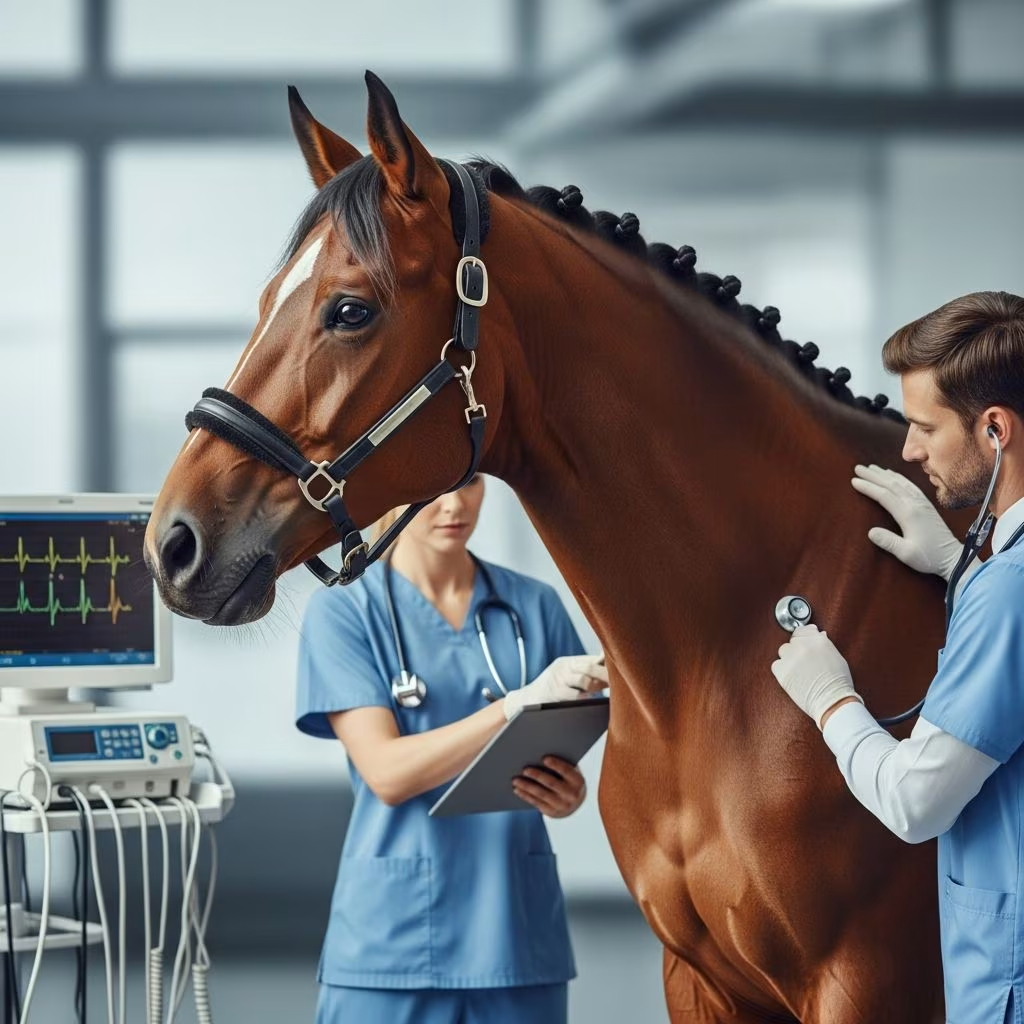
Horses rely on a robust cardiovascular system to support their athletic demands and daily activities. When heart problems arise, they can significantly impair performance and overall well-being. This article delves into the fundamentals of equine heart health, highlighting key indicators, diagnostic techniques, underlying causes, and practical management strategies to help horse owners and caretakers respond effectively.
Recognizing Early Warning Signs of Heart Trouble in Horses
Detecting heart issues early is crucial for timely intervention. Horses often mask discomfort, so owners must stay vigilant for subtle changes. Common manifestations include reduced stamina during workouts, where a typically energetic horse tires unusually quickly. Labored respiration post-exercise or even at rest signals potential cardiac strain.
- Performance Decline: Horses may show reluctance to engage in routine activities or fail to reach previous speed and endurance levels.
- Respiratory Distress: Noisy or rapid breathing, especially after mild exertion, points to inefficient oxygen delivery.
- General Fatigue: Lethargy, reluctance to move, or sudden collapses during activity are red flags.
- Fluid Buildup: Swelling in the legs, abdomen, or along the chest, coupled with jugular vein distension, indicates circulatory inefficiency.
- Coughing Episodes: Persistent coughs, often linked to lung fluid accumulation, accompany advanced cases.
These symptoms can overlap with respiratory or metabolic disorders, underscoring the need for professional evaluation. Owners reporting such signs during routine checks enable veterinarians to act before conditions worsen.
The Anatomy of a Horse’s Heart and Common Malfunctions
A horse’s heart is a powerful four-chambered organ, pumping vast blood volumes to fuel high-energy pursuits. Disruptions like faulty valves, weakened muscle, or irregular rhythms compromise this system. Valvular insufficiencies, where valves leak, force the heart to overwork, leading to enlargement and fatigue. Myocardial weaknesses reduce pumping efficiency, while arrhythmias disrupt synchronized contractions.
| Condition Type | Description | Prevalence in Horses |
|---|---|---|
| Valvular Disease | Leaky or stenotic valves causing regurgitation | Most common, especially mitral and aortic |
| Myocardial Dysfunction | Impaired heart muscle contraction/relaxation | Often secondary to infections or toxins |
| Arrhythmias | Irregular beats, e.g., atrial fibrillation | Frequent in athletic horses |
| Congenital Defects | Birth anomalies like septal holes | Rare but detectable early |
These malfunctions progressively strain the heart, potentially culminating in failure where fluid retention and oxygen deprivation dominate.
Diagnostic Approaches for Equine Heart Disorders
Veterinarians employ a systematic process starting with history review and physical assessment. Auscultation reveals murmurs—turbulent flow sounds graded by intensity—or irregular rhythms. Pulse checks at the facial artery assess strength and regularity, while mucous membrane color indicates oxygenation status. Pale or cyanotic gums suggest poor perfusion.
Advanced tools provide definitive insights:
- Electrocardiography (ECG): Records electrical activity to pinpoint arrhythmias, essential during rest and exercise stress tests.
- Echocardiography: Ultrasound imaging visualizes chamber sizes, valve motion, and ejection fractions, confirming structural issues.
- Radiography and Bloodwork: Chest X-rays detect enlargement or fluid; biomarkers like troponin signal muscle damage.
- Exercise Testing: Monitors cardiac response under load, unmasking latent problems.
These methods, often combined, yield precise diagnoses, guiding tailored interventions.
Congestive Heart Failure: A Critical Progression
Untreated cardiac disease can evolve into congestive heart failure (CHF), where the heart fails to meet circulatory demands. Tachycardia and murmurs are universal in affected horses, alongside jugular pulsations, ventral edema, and respiratory distress. Echocardiograms typically show cardiomegaly. Prognosis is guarded; many cases necessitate euthanasia within a year due to relentless decline.
CHF demands immediate management to alleviate suffering and extend quality life, focusing on symptom control rather than cure.
Treatment Protocols and Supportive Care
Therapy targets underlying causes and symptom relief. Valve diseases may stabilize with vasodilators or diuretics to reduce preload and edema. Arrhythmias respond to antiarrhythmic drugs like quinidine for atrial fibrillation. Diuretics manage fluid overload, while bronchodilators aid concurrent respiratory issues.
Supportive measures include:
- Rest and reduced workloads to prevent stress.
- Nutritional adjustments for low-sodium diets minimizing fluid retention.
- Regular monitoring with follow-up echoes and ECGs.
Surgical options, rare in horses, include valve repairs in select facilities. Most protocols aim to maintain comfort and performance where feasible.
Preventive Strategies for Optimal Equine Cardiovascular Health
Proactive care mitigates risks. Routine veterinary exams, including auscultation during dentals or pre-purchase checks, catch issues early. Athletic horses benefit from baseline ECGs before intense training. Maintain ideal body condition to avoid obesity-related strain, ensure deworming and vaccinations against infectious myocarditis causes, and monitor electrolytes during heavy sweat losses.
Environmental factors like clean stables reduce respiratory-cardiac burdens. Supplements such as CoQ10 show promise in supporting myocardial function, though evidence varies—consult vets before use.
When to Call the Vet: Red Flags Requiring Urgent Attention
Immediate action is vital for collapse, severe dyspnea, or unrelenting edema. Sudden arrhythmias post-race or fainting episodes warrant emergency response to avert fatalities. Early detection via owner awareness transforms outcomes from dire to manageable.
Frequently Asked Questions (FAQs)
Can horses live normal lives with heart murmurs?
Many murmurs are benign, allowing full athletic careers. Pathologic ones require evaluation; some horses compete successfully with monitoring.
Is heart disease hereditary in horses?
Certain congenital defects have genetic links, but most acquired conditions stem from age, infection, or wear. Breeding histories inform risks.
How often should I have my horse’s heart checked?
Annually for adults, biannually for performance horses, or anytime performance dips inexplicably.
What role does diet play in equine heart health?
Balanced nutrition prevents deficiencies exacerbating cardiac strain; avoid excess salt in failure cases.
Can exercise testing safely diagnose heart issues?
Yes, under controlled veterinary supervision, it reveals exertion-related flaws without undue risk.
References
- Diagnosis of Cardiovascular Disease in Horses — Merck Veterinary Manual. 2023. https://www.merckvetmanual.com/horse-owners/heart-and-blood-vessel-disorders-of-horses/diagnosis-of-cardiovascular-disease-in-horses
- Heart Disease in Horses – Diagnosis, Treatment — Mad Barn. 2024. https://madbarn.com/heart-disease-in-horses/
- Understanding Congestive Heart Failure — The Horse. 2022-01-01. https://thehorse.com/151948/understanding-congestive-heart-failure/
- Heart disease in horses: Treatment and prevention — Vetster. 2024. https://vetster.com/en/wellness/heart-disease-in-horses-treatment-and-prevention
- Cardiology | Roaring Fork Equine Medical Center — Roaring Fork EMC. 2025. https://www.roaringforkemc.com/services/glenwood-springs
- Heart Disease and Heart Failure in Horses — MSD Veterinary Manual. 2023. https://www.msdvetmanual.com/horse-owners/heart-and-blood-vessel-disorders-of-horses/heart-disease-and-heart-failure-in-horses



