

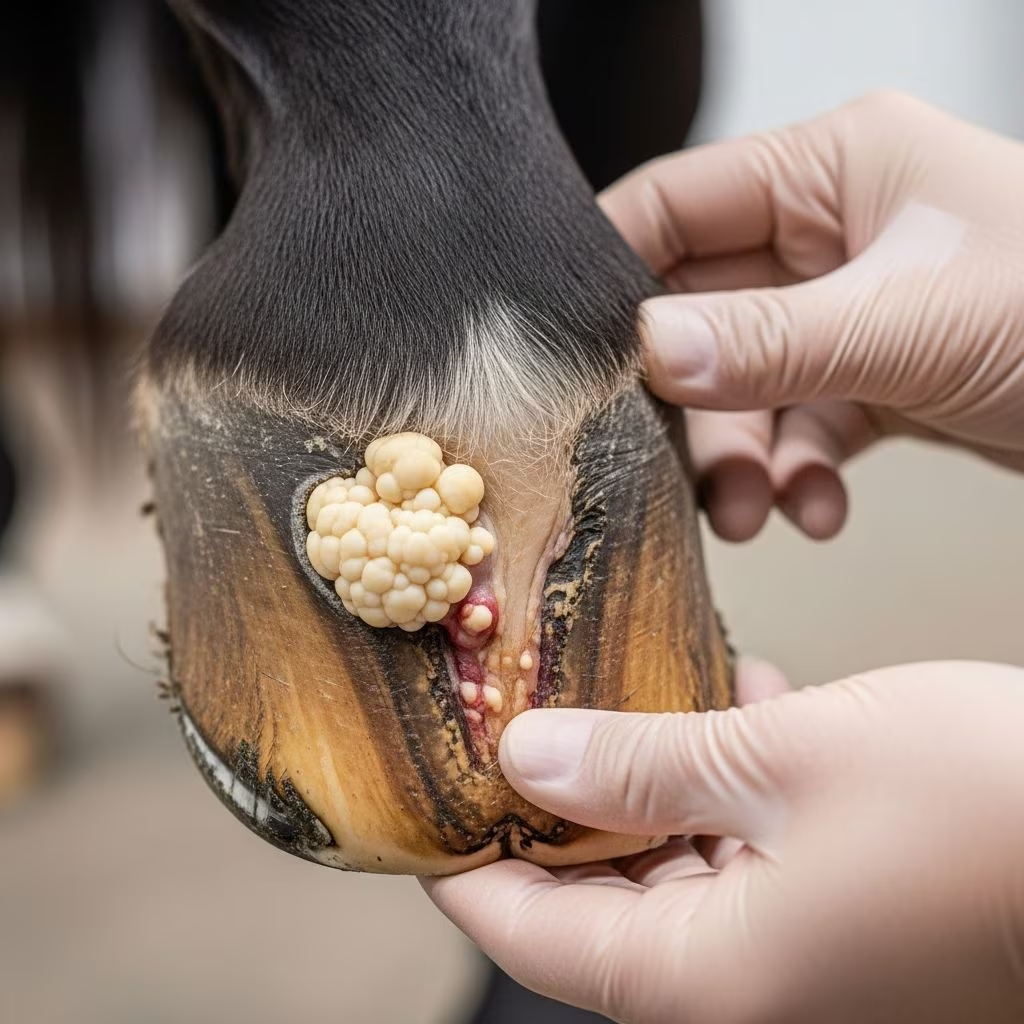
Equine canker represents a significant challenge in equine medicine, affecting the sensitive tissues of the hoof and requiring prompt, aggressive intervention to prevent permanent damage. This chronic inflammatory condition of the foot primarily targets the frog and surrounding structures, creating an environment for abnormal tissue proliferation and secondary bacterial colonization. Understanding the pathophysiology, recognition, and management strategies is essential for veterinarians, farriers, and horse owners seeking to preserve the quality of life in affected animals.
Defining the Condition and Its Characteristics
Equine canker is a progressive disease characterized by abnormal keratin production, known as dyskeratosis, which manifests as soft, proliferative tissue growth within the hoof capsule. The condition typically develops in the frog region but may extend to involve the bars, sole, and even the deeper structures of the hoof wall if left untreated. The hallmark appearance includes finger-like papillae of soft, off-white material resembling cauliflower in texture and configuration.
The disease process differs fundamentally from thrush, another common hoof condition, though their initial presentations may appear similar. While thrush involves superficial tissue necrosis responding to basic hygiene and cleaning, canker involves deeper pathological changes requiring aggressive therapeutic intervention. The distinction becomes apparent upon closer examination, as canker produces characteristic filamentous fronds of hypertrophic horn with a distinctly abnormal appearance.
Anatomical Distribution and Prevalence Patterns
Canker demonstrates a clear predilection for the hind feet, though equine practitioners must recognize that front feet remain susceptible to the condition. This preferential distribution may relate to differential weight-bearing patterns, variations in moisture exposure, or anatomical factors that create an environment more conducive to the disease process in posterior limbs. When canker affects multiple feet simultaneously or sequentially, the treatment burden intensifies significantly, requiring coordinated management strategies across all affected sites.
The condition can progress insidiously, with early stages confined to the superficial frog tissue, subsequently extending beneath the sole and into the heel area. Advanced lesions may compromise the integrity of deeper hoof structures, including the stratum medium of the hoof wall at the palmar and plantar aspect of the foot. This progressive nature underscores the critical importance of early detection and intervention to limit disease extent and improve prognosis.
Clinical Recognition and Diagnostic Features
The initial presentation of equine canker often involves a characteristic foul odor emanating from the hoof, similar to the smell associated with thrush but often more pronounced. This distinctive malodor results from the proliferation of anaerobic bacteria and other microorganisms colonizing the abnormal tissue environment. Horse owners frequently report noticing the unpleasant smell before observing other clinical signs.
Progressive disease manifests through several observable signs that warrant veterinary evaluation:
- Ragged, disorganized appearance of the frog tissue with prominent finger-like projections
- Soft, white, cauliflower-like material visible on or adjacent to the frog
- Cottage cheese-textured exudate covering affected tissues
- Discharge of purulent material from the frog or heel regions
- Pain response upon palpation of the affected areas
- Variable degrees of lameness depending on severity and extent
- Soft, spongy texture in frog tissue, contrasting sharply with normal firm hoof material
Early detection proves critical in determining treatment outcomes and reducing the risk of permanent structural damage. Horses demonstrating any combination of these signs require immediate veterinary assessment to confirm diagnosis and establish appropriate treatment protocols.
Diagnostic Confirmation and Assessment Protocols
While clinical presentation often provides sufficient diagnostic information, veterinarians may recommend additional diagnostic imaging in chronic or advanced cases. Radiographic evaluation, computed tomography, or magnetic resonance imaging can assess the depth of involvement and determine whether deeper hoof structures have sustained compromise. Tissue biopsy, though not routinely necessary, may confirm the diagnosis in atypical presentations or when the condition fails to respond to conventional treatment approaches.
Physical examination should incorporate careful evaluation of the affected foot’s overall architecture, including assessment for contracted heels, underrun heel conditions, or bullnose deformities that may have developed secondary to the primary pathology. Sheared heels, where the frog sulcus has widened abnormally, frequently accompany advanced canker lesions and influence treatment planning.
Contemporary Treatment Approaches
Successful canker management requires a multi-faceted approach integrating surgical intervention, pharmacological therapy, environmental modification, and meticulous aftercare. The treatment prognosis remains guarded across the equine population, yet recent advances in therapeutic techniques have improved outcomes when protocols are followed rigorously.
Surgical Debridement as the Foundation
Debridement—the systematic removal of abnormal tissue—constitutes the cornerstone of canker management. This critical step involves careful layer-by-layer excision of diseased tissue using surgical instrumentation under appropriate anesthesia or regional anesthesia. The procedure requires either general anesthesia or standing sedation combined with regional nerve blocks, specifically the abaxial sesamoid block, which eliminates sensation to the entire foot.
Preparation for debridement involves several essential steps to optimize surgical conditions and minimize complications. Application of a tourniquet to the lower leg reduces blood flow to the hoof, preventing excessive hemorrhage that might obscure the surgical field. Canker tissue characteristically bleeds profusely, making hemorrhage control necessary for adequate visualization. The foot receives appropriate trimming to remove loose, exfoliating sole material and any excess toe or heel height prior to tissue removal.
Some surgeons incorporate cryotherapy or laser photoablation following surgical excision to freeze or ablate surrounding tissue, potentially reducing recurrence rates. These adjunctive techniques remain variable in their application depending on practitioner preference and equipment availability. Importantly, removal of canker tissue should never be attempted by non-veterinary personnel, as improper technique can cause severe pain, uncontrolled bleeding, and serious secondary infections.
Topical Antimicrobial Therapy
Following surgical debridement, topical antimicrobial agents form an essential component of treatment regimens. Commonly employed substances include metronidazole, benzoyl peroxide, and acetone formulations applied under dressings or bandages. Additional topical preparations may incorporate antibiotics combined with corticosteroids to address both microbial colonization and inflammatory responses.
Traditional topical approaches historically included compounds such as equal parts phenol and iodine, formalin solutions, sodium sulfapyridine preparations, and Stockholm tar mixed with lard and sulfuric acid. Modern practice emphasizes compounds with demonstrated efficacy and reduced toxicity to surrounding healthy tissue. Recent investigation suggests that chemotherapy agents applied with dressings may enhance recovery rates compared to antimicrobial therapy alone.
Systemic Antimicrobial Support
Both systemic and topical antibacterial drugs achieve optimal results when employed in combination. Systemic penicillin therapy, either alone or in combination regimens, continues to serve an important role in controlling bacterial colonization of abnormal tissue. The selection of systemic antimicrobials should ideally reflect culture and sensitivity results when available, though empirical broad-spectrum therapy frequently initiates treatment pending laboratory results.
Post-Debridement Bandaging and Environmental Management
Maintenance of a dry, clean environment represents a non-negotiable component of successful canker management. Following debridement, the affected foot requires consistent daily cleaning, typically using surgical scrub solutions followed by saline rinses. The tissue is dried thoroughly with paper towels prior to application of fresh topical medication.
Bandaging approaches vary between practitioners. Some prefer treatment plate shoes that extend around the heel bulbs, applying pressure across the affected region while allowing topical medication delivery. Others advocate for circumferential bandaging of the foot, arguing that this method facilitates more consistent moisture control than plate shoes. When bandages are employed, they should not extend below the bearing surface of the hoof wall, as excessive pressure creates discomfort and lameness.
Housing modifications assume critical importance during treatment. Stalls must remain dry and free from soiled bedding, with frequent cleaning and the application of lime to absorb moisture. During inclement weather, concrete or firm-floored facilities dusted with lime provide superior conditions compared to traditional bedded stalls. As treatment progresses, therapeutic exercise becomes beneficial, with controlled grazing and movement supporting normal tissue regeneration.
Pain Management and Anti-inflammatory Support
Non-steroidal anti-inflammatory medications such as phenylbutazone (“bute”) or flunixin meglumine (Banamine) address both inflammatory responses and pain associated with the condition and its treatment. These agents prove particularly valuable following debridement procedures, when tissue trauma from surgical intervention contributes substantially to pain. Topical anesthetic creams may provide short-term relief in localized regions of the affected foot.
Innovative Therapeutic Modalities
Emerging evidence suggests that maggot debridement therapy may offer adjunctive benefits in selected canker cases. A case report in a Thoroughbred described application of sterile maggots under a treatment plate shoe, with replacement every three days. Complete removal of abnormal canker tissue occurred within one month of initiating this therapy, with full hoof healing achieved by four months post-treatment. Researchers concluded that maggot therapy may serve as a helpful addition to traditional surgical debridement, though the limited availability of sterile maggots and restricted use in veterinary medicine currently constrain widespread application.
Treatment Timeline and Expected Recovery Progression
Canker treatment typically extends over weeks to months, with treatment outcomes depending substantially on disease extent at presentation and strict adherence to prescribed protocols. Initial improvement may become apparent within two weeks of initiating aggressive treatment, manifest by disappearance of foul odor and purulent discharge. Regrowth of normal hoof tissue, appearing as firm, black or grey material replacing the soft, spongy canker tissue, indicates positive treatment response.
Lack of visible improvement within two weeks suggests that more intensive intervention may be required, necessitating veterinary consultation to reassess the treatment approach. Small recurrences developing during late recovery phases may be managed in standing horses using local anesthesia with laser photoablation or cryotherapy.
Prognosis and Long-Term Considerations
The prognosis for equine canker remains guarded across all treatment scenarios, reflecting the challenging nature of the condition and its tendency toward recurrence. However, early diagnosis combined with prompt, aggressive treatment and meticulous follow-up care provides the best opportunity for successful resolution. Advanced lesions demonstrating deep structural involvement carry substantially poorer prognoses than early-stage presentations.
Recurrence remains an uncommon but recognized complication even in cases apparently successfully treated. Some horses may require repeated treatment interventions over extended periods. Home remedies and non-veterinary treatment approaches prove rarely effective, emphasizing the need for professional veterinary and farrier collaboration throughout the treatment course.
Prevention and Risk Mitigation
While specific prevention strategies for canker have not been definitively established, maintaining good hoof hygiene, providing regular professional farrier care, and ensuring dry housing conditions may reduce risk. Prompt treatment of any abnormal hoof conditions prevents progression to more serious pathology. Regular hoof inspections by experienced practitioners facilitate early detection of emerging problems.
Frequently Asked Questions
- How does canker differ from thrush?
- Thrush involves superficial tissue necrosis responding to cleaning and hygiene, while canker represents a progressive disease with abnormal tissue proliferation requiring aggressive surgical and pharmacological intervention.
- Can home remedies treat canker?
- Home remedies prove rarely effective for canker and should never replace professional veterinary treatment. The condition requires aggressive surgical debridement and coordinated antimicrobial therapy.
- What is the success rate for canker treatment?
- While prognosis remains guarded, early detection combined with aggressive treatment and meticulous follow-up care provides the best outcomes. Treatment typically spans weeks to months.
- Why must canker debridement involve anesthesia?
- Anesthesia enables thorough tissue removal without causing severe pain to the patient and allows surgeons to control bleeding and prevent serious complications.
- How long does canker recovery require?
- Recovery typically spans several months, with complete hoof healing potentially requiring four months or longer depending on disease severity and extent.
Conclusion
Equine canker represents a serious hoof condition demanding prompt recognition and aggressive professional intervention. The combination of surgical debridement, systemic and topical antimicrobial therapy, pain management, and meticulous environmental control provides the foundation for successful treatment. Early detection, strict adherence to therapeutic protocols, and close collaboration among veterinarians, farriers, and horse owners offer the best opportunity for favorable outcomes. While prognosis remains guarded, recent advances in therapeutic approaches continue to improve treatment success in affected horses.
References
- Canker in Horse Hooves: Signs, Causes & Treatment — Mad Barn. Accessed 2026-02-24. https://madbarn.com/canker-in-horses/
- Canker – Belmont Farm and Equine Vets — XLVets Equine. Accessed 2026-02-24. https://belmontfarmandequinevets.co.uk/resources/2019/01/XLVets-Equine-Rebranded-016-Canker-Factsheet.pdf
- How to Treat Equine Canker — Virginia Therapeutic Farriery. Accessed 2026-02-24. https://www.equipodiatry.com/news/articles/canker1htm
- Identifying and Treating Canker — NANRIC. Accessed 2026-02-24. https://www.nanric.com/post/identifying-and-treating-canker
- How to Treat Hoof Canker in Horses: Step-by-Step Guide — Equine Cares. Accessed 2026-02-24. https://equinecares.com/blogs/post/how-to-treat-hoof-canker-in-horses
- Equine Canker — Irongate Equine. Accessed 2026-02-24. https://www.irongateequine.com/education/canker
- Equine canker – The Barefoot Blacksmith — Barefoot Care. Accessed 2026-02-24. https://barehoofcare.com/home-on-the-range/lameness-rehab/equine-canker/
- Canker Recovery – The Equine Podiatry Association — Equine Podiatry Association. Accessed 2026-02-24. https://www.epauk.org/about-equine-podiatry/case-studies/canker-recovery/



