
Equine Breeding Program Management Strategies
Master the science and practice of successful horse reproduction planning
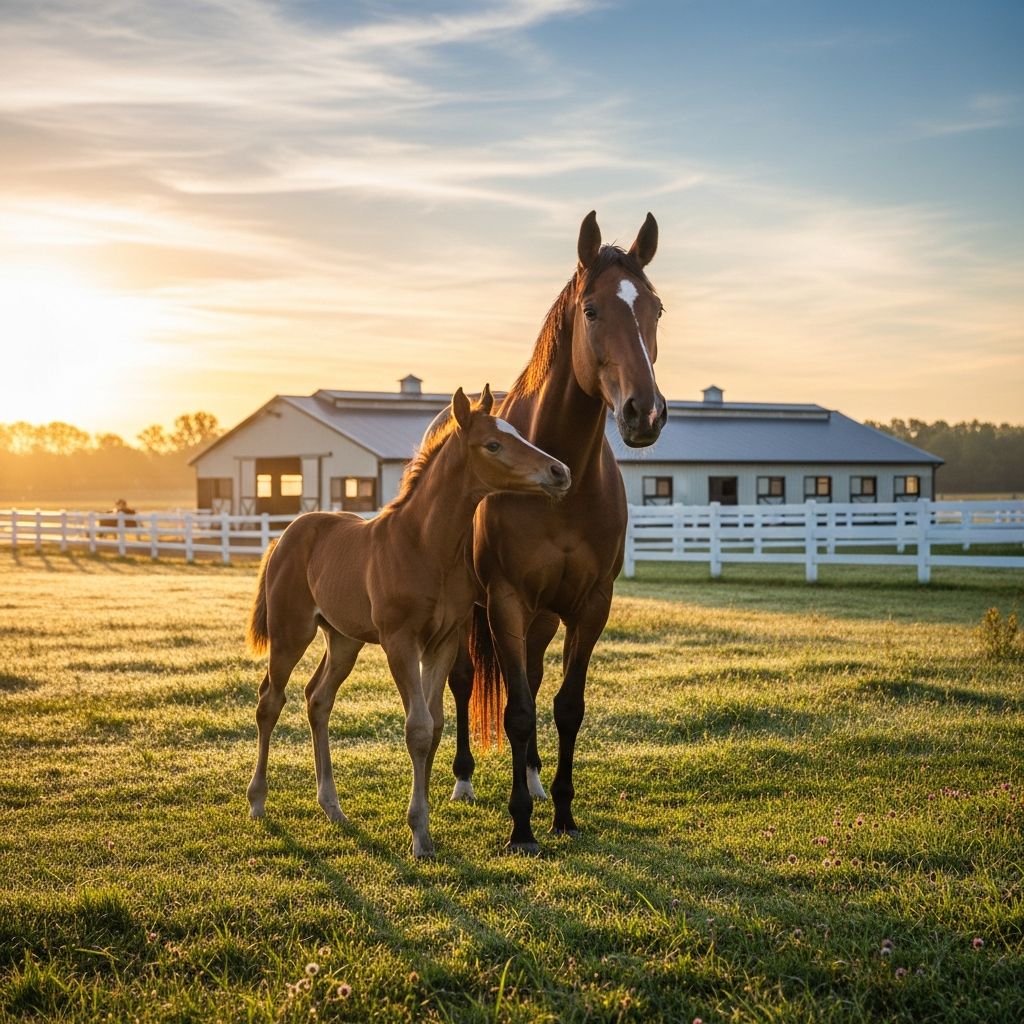
Developing a successful equine breeding program requires a comprehensive understanding of reproductive physiology, practical management techniques, and modern veterinary approaches. Whether you operate a small private farm or a large commercial breeding operation, implementing evidence-based practices can significantly improve breeding outcomes and ensure the health and well-being of your animals.
Foundation of Successful Breeding: Estrus Detection
The cornerstone of any effective breeding program is accurate and consistent estrus detection. This foundational practice determines breeding timing, improves conception rates, and reduces unnecessary breeding attempts. Regular observation and evaluation of mares during the breeding season allows handlers to identify subtle behavioral and physical changes that indicate reproductive readiness.
Daily or every-other-day evaluation of mares with a teaser stallion provides reliable indicators of estrus. Mares in standing heat display characteristic behaviors including tail raising, squirting, and acceptance of mounting. Beyond behavioral observation, physical examination of the vulva, vaginal changes, and palpation of ovarian structures provides additional confirmation of estrous status. Modern breeding operations often combine visual assessment with ultrasound imaging to pinpoint the precise timing of ovulation and coordinate breeding activities accordingly.
Manipulating the Natural Reproductive Cycle
Horses are seasonal breeders with reproductive cycles naturally aligned to photoperiod changes and environmental conditions. However, modern breeding objectives often require extending or advancing the breeding season beyond these natural parameters. Strategic manipulation of the estrous cycle has become a standard practice in professional breeding programs, enabling producers to control timing of foal births and improve overall reproductive efficiency.
Photoperiod Management and Artificial Light Exposure
One of the most practical and widely adopted methods for extending the breeding season involves manipulating light exposure. Horses naturally respond to increasing daylight hours in spring by initiating reproductive cycling. Breeders can artificially extend this response by providing additional light exposure during winter months.
Implementing artificial lighting programs beginning December 1st allows producers to achieve earlier ovulation and conception. Typical protocols involve providing 150–200 watt bulbs or 50 lux blue LED lighting systems that extend the effective day length to 14–16 hours daily. This photoperiod manipulation advances the normal breeding season by several weeks, enabling foals to be born earlier in the calendar year. This approach offers multiple advantages:
- Aligns foal production with market demand cycles
- Extends grazing season availability for nursing foals
- Improves foal growth potential through longer developmental windows
- Enhances breeding flexibility for performance and competition scheduling
Hormonal Approaches to Cycle Management
Pharmaceutical manipulation of the estrous cycle provides breeders with precise control over reproductive timing and cycle synchronization. Multiple hormonal products and protocols have been developed to address different reproductive challenges and breeding objectives.
Gonadotropin-Releasing Hormone (GnRH): GnRH acts as a natural trigger for the pituitary gland to release follicle-stimulating hormone (FSH) and luteinizing hormone (LH), which promote ovarian follicle development and maturation. Studies demonstrate that approximately 80% of mares respond positively to twice-daily GnRH administration. However, pregnancies resulting from GnRH-induced cycling show elevated rates of early embryonic loss in some cases, requiring careful monitoring during early gestation.
Follicle-Stimulating Hormone (FSH and reFSH): Direct administration of FSH or recombinant FSH (reFSH) promotes controlled follicular development and synchronization of ovulation. This approach proves particularly valuable for mares experiencing reproductive challenges such as delayed puberty, anestrus (absence of cycling), or irregular estrous patterns. FSH administration allows breeders to induce regular cycling in problem mares and create synchronized groups for advanced reproductive techniques.
Prostaglandins: Prostaglandin administration induces regression of the corpus luteum, triggering return to estrus within 2–10 days depending on ovarian follicle size. This approach works best in cycling mares and enables precise scheduling of estrous periods across a group of animals. Altrenogest (Regu-Mate) represents one of the most commonly employed progestogens for this purpose.
Controlling Ovulation Timing
Precise control of ovulation timing represents a critical advancement in equine reproductive management, particularly when using artificial insemination or advanced breeding techniques. Inducing ovulation at predetermined times dramatically improves breeding success rates and allows for single, well-timed inseminations rather than multiple breeding attempts.
Human Chorionic Gonadotropin (hCG)
Human chorionic gonadotropin functions as a potent ovulatory stimulus that mimics the natural luteinizing hormone surge in mares. When administered to mares with mature preovulatory follicles, hCG reliably induces ovulation within 24–48 hours, enabling appointment breeding protocols. This predictable timeline proves especially valuable when using frozen or cooled semen with limited viability or when coordinating multiple inseminations across a group of mares.
GnRH Agonists
GnRH agonists provide an alternative mechanism for triggering ovulation. Unlike hCG, which works through a distinct hormonal pathway, GnRH agonists stimulate the release of endogenous LH from the pituitary gland, initiating the natural ovulatory cascade. The choice between hCG and GnRH agonists often depends on individual mare response, prior pregnancy outcomes, and veterinary preference.
Advanced Reproductive Technologies
Beyond basic estrus management and ovulation induction, modern breeding programs increasingly employ sophisticated reproductive techniques to overcome fertility challenges and improve genetic outcomes.
Artificial Insemination
Artificial insemination (AI) has revolutionized equine breeding by enabling genetic improvement through selective semen collection and utilization. AI protocols include three primary semen categories:
- Fresh semen: Collected and inseminated immediately, offering highest conception rates but limited logistical flexibility
- Cooled semen: Extended viability through refrigeration, allowing transport and breeding timing flexibility within 24–48 hours
- Frozen semen: Enables indefinite storage and worldwide genetic exchange, though conception rates typically decline compared to fresh or cooled semen
Artificial insemination offers substantial advantages including reduced injury risk, disease transmission prevention, and the ability for superior stallions to serve numerous mares annually. However, AI requires specialized facilities, skilled veterinary support, and higher financial investment than natural breeding.
Embryo Transfer and Advanced Techniques
Embryo transfer technology enables recovery of viable embryos from superior mares and transfer into recipient animals. This approach allows elite breeding females to produce multiple foals annually despite normal physiological limitations. Intracytoplasmic sperm injection (ICSI), which involves injecting individual sperm directly into oocytes, addresses male factor fertility challenges and enhances fertilization success in difficult breeding situations.
Stallion Health and Reproductive Management
Successful breeding programs extend reproductive management attention equally to stallions. Maintaining optimal stallion fertility requires attention to environmental conditions, overall health status, and breeding soundness assessment.
Environmental Considerations
Heat stress significantly impacts stallion fertility by elevating testicular temperature and reducing semen quality. Management strategies to mitigate heat effects include:
- Installing cooling systems in breeding facilities
- Scheduling breeding activities during cooler parts of the day
- Providing adequate shade in pasture environments
- Maintaining proper air circulation in stalls and breeding areas
Reproductive Health Maintenance
Regular inspection and preventive care maintain stallion reproductive health and prevent infectious or traumatic complications. Frequent sheath cleaning, insect control through fly masks and repellents, and removal of pasture manure reduce parasite-related issues and genital pathology. Early detection of scrotal abnormalities, penile trauma, or preputial problems prevents progression to breeding soundness problems.
Nutritional Support for Reproductive Success
Comprehensive breeding programs incorporate nutritional supplementation strategies that enhance fertility and support optimal reproductive outcomes. Key nutritional considerations include adequate caloric intake, balanced mineral ratios (particularly zinc, copper, and selenium), and vitamin supplementation that supports gamete production and endocrine function.
Monitoring and Assessment Protocols
Evaluating breeding program success requires systematic monitoring of reproductive metrics and individual animal performance. Standard assessment practices include:
- Palpation of ovarian structures during examination
- Ultrasonographic imaging of follicular development and uterine changes
- Intrauterine culture for mares with recurrent pregnancy loss or infection
- Detailed record-keeping of breeding dates, conception timing, and foaling outcomes
Breeding Program Objectives and Strategy Selection
Effective breeding management requires clear identification of program objectives. Different reproductive techniques address distinct goals:
| Breeding Objective | Recommended Approach | Key Benefits |
|---|---|---|
| Early foal birth (near January 1) | Artificial lighting combined with hormonal cycle manipulation | Market advantage, extended growth period |
| Extended breeding season | Photoperiod management and progestin protocols | Increased conception opportunities, improved pregnancy rates |
| Precise ovulation timing | hCG or GnRH agonist administration | Optimized semen utilization, single breeding schedules |
| Subfertile mare management | Multiple estrous cycles with hormonal support | Enhanced probability of pregnancy establishment |
| Genetic improvement | Artificial insemination with superior genetics | Reduced disease risk, access to premium bloodlines |
Frequently Asked Questions About Equine Breeding Management
When should I begin artificial light exposure for early foal production?
Light exposure protocols typically begin December 1st and continue through late winter. Providing 14–16 hours of daily light exposure advances the natural breeding season by several weeks, enabling ovulation as early as February.
How effective is estrus synchronization for breeding multiple mares simultaneously?
Properly executed synchronization protocols using hormonal therapies can effectively coordinate estrus across mare populations, enabling group breeding or embryo transfer programs. Success rates depend on accurate baseline estrous status assessment and consistent protocol adherence.
What are the main advantages of artificial insemination versus live cover breeding?
Artificial insemination reduces injury and disease transmission risks, enables one stallion to serve numerous mares, and provides access to superior genetics globally. However, it requires higher financial investment, skilled veterinary support, and may result in lower conception rates with frozen semen compared to live breeding.
Are there risks associated with hormonal breeding management?
While hormonal therapies are generally safe and effective, certain protocols such as GnRH-induced cycling show increased early embryonic loss rates in some studies. Careful veterinary oversight and individual mare evaluation help minimize potential complications.
How often should stallions be evaluated for breeding soundness?
Comprehensive reproductive evaluations should occur annually or before initiating heavy breeding schedules. Regular physical examinations between breeding seasons help detect developing problems before they compromise fertility.
Conclusion: Integrating Best Practices
Modern equine breeding management combines traditional observational skills with contemporary reproductive science and technology. Successful programs begin with reliable estrus detection, incorporate appropriate cycle management strategies matched to specific breeding objectives, and maintain rigorous attention to animal health and welfare. Whether operating commercial breeding facilities or maintaining small private herds, implementing evidence-based reproductive management practices enhances breeding success rates, improves foal quality, and supports sustainable animal populations. Collaboration with experienced reproductive veterinarians ensures access to current best practices and personalized guidance for individual breeding situations.
References
- Strategic approaches to improve equine breeding and stud farm management — National Center for Biotechnology Information (PMC). 2024. https://pmc.ncbi.nlm.nih.gov/articles/PMC11963589/
- Estrus Manipulation in Horses: Managing the Mare’s Reproductive Cycle — Mad Barn. https://madbarn.com/estrus-manipulation-in-mares/
- Breeding & Pregnancy Management — University of Florida College of Veterinary Medicine Extension. https://extension.vetmed.ufl.edu/files/2011/10/breeding-management-final-web.pdf
- Expert Guide to Horse Breeding Methods for Better Performance — FarmKeep. https://www.farmkeep.com/farm-guides/breeding/horse
- Reproductive Management of the Mare — Oklahoma State University Extension. https://extension.okstate.edu/fact-sheets/reproductive-management-of-the-mare.html
- Stallion Breeding Guide: Maintaining Reproductive Health — Revival Animal Health. https://www.revivalanimal.com/learning-center/stallion-breeding-guide-maintaining-reproductive-health
- Advanced Equine Reproductive Techniques and Their Impacts — The Horse. https://thehorse.com/1133133/advanced-equine-reproductive-techniques-and-their-impacts/
Similar Articles








Read full bio of medha deb


