
Equine Back Disorders: Complete Guide For Horse Owners
Comprehensive guide to understanding, diagnosing, and managing back pain and disorders in horses for optimal performance and welfare.
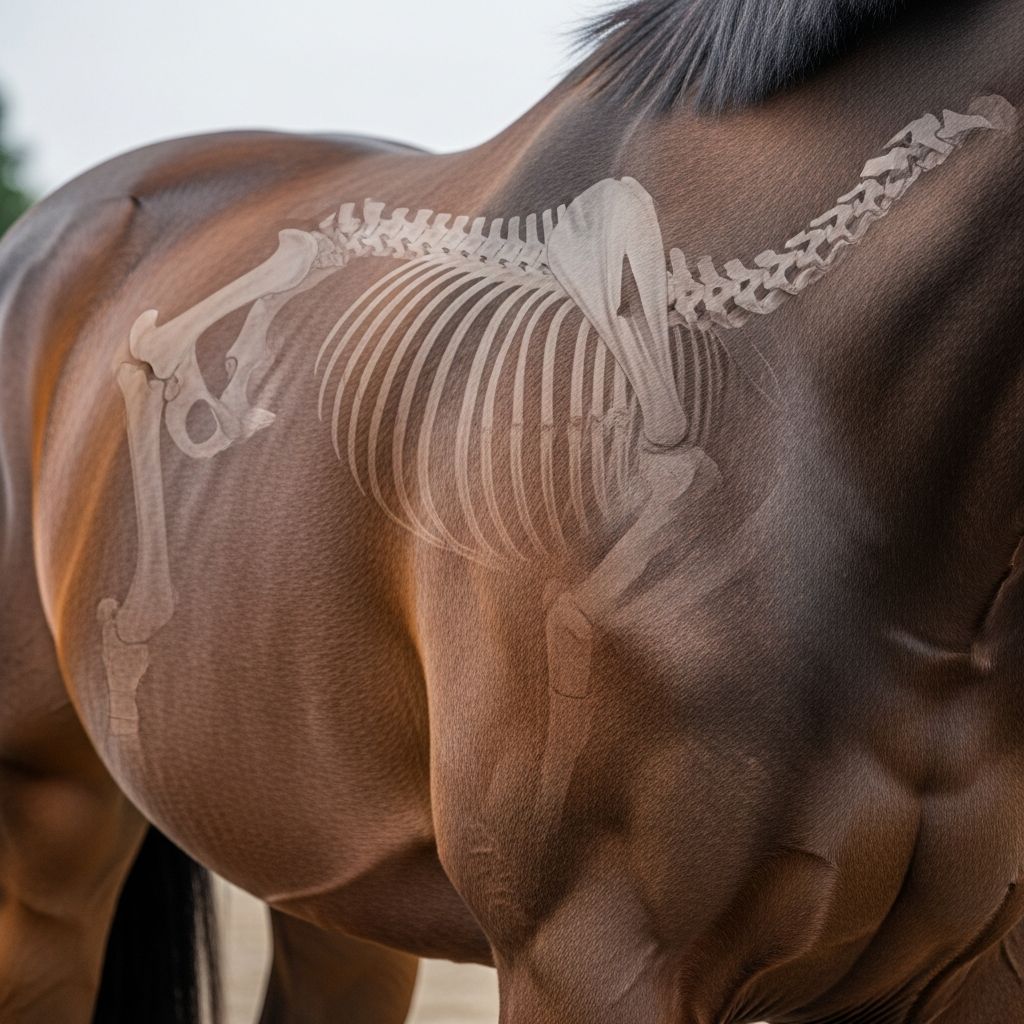
Back problems affect horses across disciplines, impacting performance, behavior, and overall well-being. These issues range from muscle tension to structural abnormalities, often stemming from daily activities or underlying health conditions. Early recognition and targeted interventions can restore mobility and prevent chronic problems.
Common Manifestations of Back Discomfort in Horses
Horses with back issues display subtle yet telling signs during handling, riding, or rest. Owners frequently notice reluctance to be saddled, evidenced by pinned ears, swishing tails, or evasion tactics. Under saddle, affected animals may hollow their backs, resist forward movement, or show uneven strides. Behavioral shifts like bucking, rearing, or sudden stops signal deeper pain. At rest, horses might stand unusually stiff, resist grooming along the spine, or exhibit heat and swelling in the affected area.
- Performance decline: Inability to maintain gait, frequent tripping, or loss of impulsion.
- Behavioral cues: Aggression when touched, teeth grinding, or excessive sweating.
- Physical indicators: Muscle atrophy along the topline, visible spasms, or asymmetry in posture.
Root Causes Behind Equine Spinal and Muscular Pain
Back disorders arise from primary spinal pathologies or secondary factors. Direct issues include impinging dorsal spinous processes (kissing spines), where vertebrae bones contact painfully, arthritis in facet joints, or sacroiliac joint inflammation. Muscle strains in the longissimus dorsi or weakness in the multifidus stabilizers exacerbate instability.
Secondary triggers are prevalent: hindlimb lameness alters gait, overloading the back; ill-fitting saddles create pressure points; unbalanced riders impose uneven stress; and gastric ulcers prompt bracing postures. Trauma from falls, repetitive strain in training, or poor conditioning weakens core support.
| Cause Category | Examples | Impact on Back |
|---|---|---|
| Primary Structural | Kissing spines, osteoarthritis | Bone-on-bone friction, chronic inflammation |
| Secondary Lameness | Hock or stifle issues | Compensatory hollowing, muscle overload |
| Management Factors | Poor saddle fit, rider imbalance | Localized soreness, gait asymmetry |
| Systemic | Ulcers, weak core muscles | Guarding posture, reduced spinal support |
Diagnostic Approaches for Accurate Identification
Veterinarians employ systematic exams to pinpoint back pain sources. Initial assessments involve observing gait at walk and trot, palpation along the spine for pain reactions, and flexion tests. Lameness elsewhere must be ruled out via nerve blocks or imaging.
Advanced tools include radiographs to detect bone changes, ultrasound for soft tissue evaluation, and scintigraphy for active inflammation sites. Thermography highlights heat anomalies, while dynamic endoscopy checks for compensatory issues. In complex cases, referral for MRI or CT scans provides detailed views of ligaments and nerves.
- Hands-on exam: Deep digital pressure to provoke responses.
- Imaging sequence: Start with X-rays, progress to ultrasound if needed.
- Functional tests: Lunging with saddle to replicate pain.
Medical Interventions for Pain Relief and Healing
Treatment prioritizes pain control, inflammation reduction, and muscle relaxation. Non-steroidal anti-inflammatory drugs (NSAIDs) like phenylbutazone (Bute), flunixin meglumine (Banamine), or firocoxib (Equioxx) offer initial relief. Muscle relaxants such as methocarbamol (Robaxin) ease spasms.
Local therapies shine: direct steroid injections target inflamed sites, while bisphosphonates (Tildren, Osphos) address arthritic bone changes. For severe cases, surgical options like interspinous ligament desmotomy or spinous process resection provide lasting solutions post-conservative failure.
Advanced Therapeutic Modalities
Regenerative and physical therapies enhance recovery. Shockwave therapy delivers acoustic waves to boost circulation, break down scar tissue, and stimulate healing, often requiring 3-5 sessions.
Mesotherapy involves superficial injections along the back to modulate nerve signals and interrupt pain cycles. Functional electrical stimulation (FES) contracts muscles rhythmically, rebuilding strength. Other options encompass acupuncture for endorphin release, chiropractic adjustments for alignment, and laser therapy for deep tissue repair.
- Shockwave: Improves blood flow, reduces spasms.
- Mesotherapy: Sensory reset via dermal injections.
- Acupuncture/Chiropractic: Holistic muscle relaxation and joint mobilization.
Rehabilitation Exercises to Strengthen the Core
Post-acute care focuses on rebuilding topline and stability. Controlled exercises under veterinary guidance prevent re-injury. Long-and-low frames encourage spinal rounding; pole work activates abdominals; hill work builds hindquarter power.
Aqua treadmill sessions provide low-impact resistance, ideal for core engagement. Rein backs and lateral movements like leg yields target stabilizers. Gradual progression from hand-walking to ridden work ensures sustainable gains.
- Begin with 5-10 minutes daily lunging in large circles.
- Incorporate transitions every few strides.
- Progress to cavalletti grids after 1-2 weeks.
Preventive Strategies for Long-Term Back Health
Proactive management averts many issues. Regular saddle fittings by certified professionals prevent pressure sores. Balanced riding lessons improve rider symmetry. Core-strengthening routines, proper warm-ups, and cross-training maintain suppleness.
Nutritional support with omega-3s, vitamin E, and balanced forage aids muscle health. Routine veterinary checks catch early signs. Avoid overwork, ensure footing quality, and monitor weight to reduce spinal load.
When Surgery Becomes Necessary
For unresponsive cases like advanced kissing spines, standing surgeries minimize risks. Ligament transection relieves impingement; partial spinous resection removes offending processes. Postoperative rehab with restricted exercise and therapies yields 70-90% success rates.
FAQs on Equine Back Disorders
Can back pain resolve without treatment?
Mild cases from temporary strain may self-resolve with rest, but persistent signs warrant vet evaluation to avoid chronicity.
How long does recovery take?
Varies by cause: acute muscle pain improves in weeks; structural issues may need months of therapy.
Is chiropractic safe for all horses?
Generally yes, when performed by certified equine specialists, but contraindicated in fractures or infections.
Does saddle fit really matter?
Absolutely; improper fit causes 30-50% of back soreness cases by uneven weight distribution.
What role does diet play?
Deficiencies in antioxidants weaken muscles; supplements can support recovery but don’t replace diagnostics.
References
- How to Recognize, Treat, & Prevent Back Pain in Horses — Meadow Vista Veterinary. 2024-07-15. https://www.meadowvistavet.com/site/blog/2024/07/15/treat-prevent-back-pain-horses
- How to Recognize & Treat Back Pain Horses — Hohenwald Veterinary Clinic. 2024-03-15. https://www.hohenwaldvet.com/site/blog/2024/03/15/recognize-treat-back-pain-horses
- How to Recognize & Treat Back Pain Horses — Van Roekel Associates. 2023-09-15. https://www.vanroekelassociates.com/site/blog/2023/09/15/recognize-treat-back-pain-horses
- Neck, back and pelvic pain — University of Minnesota Large Animal Surgery. N/A. https://open.lib.umn.edu/largeanimalsurgery/chapter/neck-back-and-pelvic-pain/
- Back Pain in Horses: Causes, Symptoms, and Solutions — PetMD. N/A. https://www.petmd.com/horse/conditions/musculoskeletal/back-pain-in-horses
- Diagnosis and Treatment of Back Problems in Horses — Del Oeste Veterinary. N/A. https://deloeste.vet/diagnosis-treatment-back-problems-in-horses/
- Diagnostic & Treatment Advances for Equine Back Pain — Alpine Equine. N/A. https://alpineequine.net/blog/1360568-diagnostic-amp-treatment-advances-for-equine-back-pain
Similar Articles








Read full bio of Sneha Tete


