

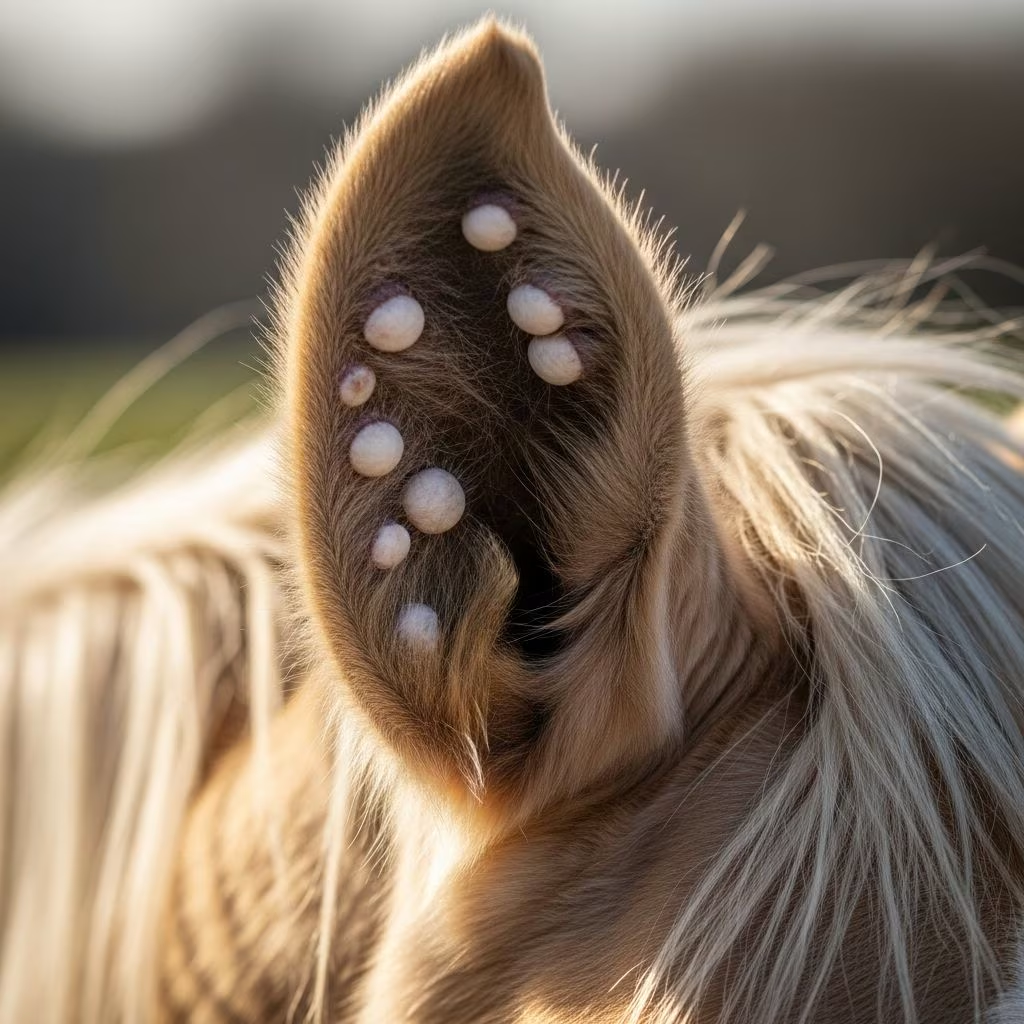
Equine aural plaques represent a frequent dermatological concern in horses, manifesting as distinctive lesions on the inner surface of the ears. These non-cancerous growths, often triggered by viral infections and exacerbated by insect bites, primarily affect the pinna’s concave side. While typically painless, they can lead to sensitivity issues that impact handling and performance. This guide delves into the pathology, identification, therapeutic approaches, and proactive measures to manage this condition effectively.
Understanding the Anatomy of Horse Ears
The equine ear, or pinna, serves critical roles in sound localization and thermoregulation. Composed of cartilage covered by sensitive skin, the inner surface is particularly vulnerable to environmental irritants. Aural plaques target this area due to its exposure and vascularity, where epidermal cells proliferate abnormally under viral influence.
- Pinna structure: Flexible cartilage framework with thin, hairless skin on the inside.
- Vascular supply: Rich blood flow supports rapid healing but also lesion persistence.
- Nerve density: High sensitivity explains discomfort during infestations or treatments.
Primary Causes and Risk Factors
Aural plaques arise from a combination of infectious agents and external stressors. Papillomaviruses, identified through electron microscopy and immunohistochemistry, induce koilocytosis—enlarged cells with viral inclusions—in affected tissues. Biting flies, such as black flies, act as mechanical vectors, depositing virus-laden saliva during feeding, which penetrates micro-abrasions.
| Risk Factor | Description | Prevalence Impact |
|---|---|---|
| Black fly exposure | Peak activity in warm, humid seasons | High in pastured horses |
| Viral susceptibility | Equine papilloma virus strains | Affects up to 22% of population |
| Immune status | Suppressed immunity worsens spread | Chronic cases common |
| Geographic location | Riverine areas with fly breeding | Regional outbreaks noted |
Prevalence studies indicate at least 22% of horses develop these lesions, with bilateral involvement in many cases. Chronic exposure without intervention leads to coalescing plaques covering large ear areas.
Recognizing Clinical Signs
Lesions appear as depigmented, hyperkeratotic papules that merge into plaques. The skin loses pigmentation, develops thick crusts, and exhibits mild epidermal thickening. Asymptomatic in most horses, severe cases provoke ear aversion, head shaking, or resistance to tack like bridles.
- Visual cues: White-gray, scaly patches on inner pinna.
- Behavioral changes: Ear pinning, avoidance of touch (68.8% of symptomatic cases).
- Secondary issues: Fly-bite dermatitis causing oozing or bleeding.
Differential diagnoses include sarcoids, squamous cell carcinoma, and fungal infections. Biopsy reveals papillated hyperplasia, enlarged keratohyalin granules, and viral particles, confirming diagnosis.
Diagnostic Approaches
Veterinary examination suffices for most cases, focusing on lesion morphology and history of fly exposure. Cytology or histopathology identifies viral changes like koilocytosis. Electron microscopy visualizes intranuclear particles, while PCR detects papilloma DNA.
- Physical inspection under good lighting.
- Skin scrapings to rule out mites.
- Biopsy for atypical or progressive lesions.
Treatment Strategies and Options
Intervention is cosmetic or welfare-driven, as plaques pose no systemic threat. Spontaneous regression is rare; most persist without management.
Topical Immune Modulators: Imiquimod Protocol
Imiquimod 5% cream (Aldara®) stands as the most evidence-based therapy, leveraging antiviral and immunostimulatory effects. A pilot study reported 87.5% long-term resolution in 16 horses, with treatment lasting 1.5-8 months (median 2.9). Application requires crust debridement, often under sedation due to sensitivity.
- Dosage: Thin layer 2-3 times weekly, nonconsecutive days, every other week.
- Preparation: Soften crusts with oil; sedate if needed.
- Side effects: Local inflammation, redness, swelling—temporary but intense.
- Outcomes: Full resolution in all post-treatment; 12.5% recurrence at 12-22 months follow-up.
Owners noted complete behavioral improvement in all followed cases.
Alternative Therapies
Steroid or antibiotic creams address secondary inflammation but lack antiviral action. Surgical debridement is reserved for severe, unresponsive cases, risking scarring.
- Steroids: Reduce irritation but may not clear virus.
- Antivirals: Experimental, less data.
- Fly repellents: Adjunctive during therapy.
Prevention and Long-Term Management
Proactive fly control is paramount. Ear-inclusive fly masks block bites, while stabling during dawn/dusk minimizes exposure. Regular repellent application (permethrin-based) on ears prevents reinfection.
- Daily fly mask use in endemic areas.
- Environmental management: Drain fly breeding sites.
- Immune support: Balanced nutrition, deworming.
Post-treatment monitoring checks for recurrence or malignancy (rare squamous cell transformation).
Potential Complications and Prognosis
Plaques rarely progress to cancer but can cause chronic head shyness from repeated handling. Treatment-induced sensitivity resolves with plaque clearance, often improving tolerance. Prognosis excels with imiquimod: high resolution rates, minimal harm.
Frequently Asked Questions (FAQs)
Are aural plaques contagious to other horses?
Indirectly via flies; isolate not required, but fly control prevents spread.
Can aural plaques resolve without treatment?
Rarely; most persist cosmetically.
Is imiquimod safe for all horses?
Effective but inflammatory; vet supervision essential, sedation common.
Do fly masks prevent aural plaques entirely?
Significantly reduce risk when used consistently.
What if plaques spread or change?
Biopsy to exclude sarcoids or carcinoma.
Owner Tips for Ear Care
Gentle handling builds trust. Condition ears gradually with positive reinforcement. Monitor seasonally, as fly activity drives exacerbations.
References
- The efficacy of imiquimod 5% cream (Aldara®) in the treatment of aural plaques in horses — PubMed/NCBI. 2010-05-24. https://pubmed.ncbi.nlm.nih.gov/20500494/
- Aural Plaques in Horses – Causes, Treatment and Prevention — Vetster. Recent (2023+ access). https://vetster.com/en/conditions/horse/aural-plaques-in-horses
- Equine Aural Plaques – Ear Disorders — Merck Veterinary Manual. 2023 (ongoing updates). https://www.merckvetmanual.com/ear-disorders/diseases-of-the-pinna/equine-aural-plaques
- Equine Aural Plaques — MSD Veterinary Manual. 2023 (ongoing). https://www.msdvetmanual.com/ear-disorders/diseases-of-the-pinna/equine-aural-plaques
- Aural Plaques (Ear Papillomas) in Horses: Causes, Risk Factors, Diagnosis & Treatment — Mad Barn (veterinary feed/science). 2024. https://madbarn.com/aural-inner-ear-plaques-in-horses/
- Aural Plaques — SmartPak Equine (vet-reviewed). Recent. https://www.smartpakequine.com/learn-health/aural-plaques



