

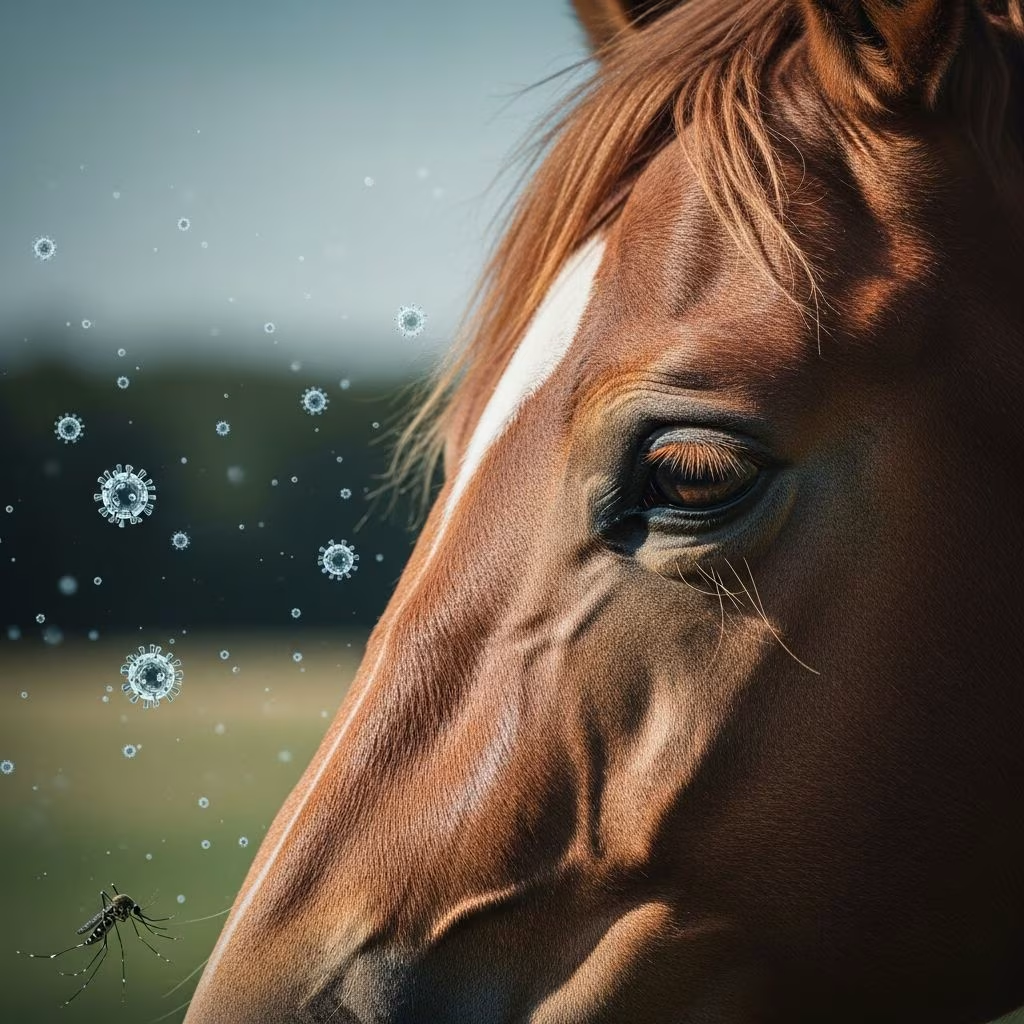
Equine arboviral encephalomyelitis encompasses a group of mosquito-transmitted viral diseases that target the central nervous system of horses, leading to inflammation of the brain and spinal cord. These conditions, primarily Eastern equine encephalitis (EEE), Western equine encephalitis (WEE), Venezuelan equine encephalitis (VEE), and West Nile virus (WNV), pose significant risks during peak insect seasons, with potentially devastating outcomes including high mortality rates and lifelong neurological deficits in survivors.
The Viral Culprits Behind Equine Brain Inflammation
Arboviruses, short for arthropod-borne viruses, rely on insects like mosquitoes to spread between hosts. In horses, EEE, WEE, VEE, and WNV originate in wild bird or rodent reservoirs. Infected mosquitoes acquire the virus by feeding on these animals and subsequently transmit it to equines through bites. Unlike some infections, affected horses do not spread the virus directly to other horses, humans, or birds, making insect vectors the sole transmission pathway.
- EEE: Known for its extreme severity, often resulting in rapid progression to fatal encephalitis.
- WEE: Tends to cause milder symptoms but can still lead to paralysis and death.
- VEE: More common in Central and South America, with potential for respiratory spread in outbreaks.
- WNV: Widespread globally, frequently causing asymmetric weakness and muscle fasciculations.
These viruses thrive in warm, humid environments with standing water that fosters mosquito breeding, explaining their prevalence in summer months across North America.
Recognizing Early Warning Signs in Horses
Clinical manifestations typically emerge 4-10 days post-infection, starting subtly before escalating to severe neurological compromise. Initial indicators include fever ranging from 102.5°F to 104.5°F (39.2°C-40.3°C), depression, and appetite loss, often dubbed ‘sleeping sickness’ due to profound lethargy.
As the disease advances, horses exhibit a spectrum of neurologic deficits:
- Hyperexcitability alternating with drowsiness
- Muscle tremors, facial fasciculations, and tongue weakness
- Head pressing, circling, or tilting
- Ataxia (incoordination), dysmetria (poor spatial awareness), and limb weakness
- Paralysis, recumbency, convulsions, and colic-like symptoms
- Impaired vision, drooped lips, muzzle deviation, and inability to swallow
EEE stands out for its aggressiveness, with many cases progressing to death within days, while WNV may present with hindlimb-specific weakness and teeth grinding. Early detection hinges on vigilance during mosquito-active periods.
Diagnostic Approaches for Accurate Confirmation
Veterinarians rely on a combination of clinical evaluation, history of exposure, and laboratory tests. Serum antibody titers via ELISA or virus neutralization assays detect immune responses, with paired samples (acute and convalescent) confirming seroconversion.
Cerebrospinal fluid analysis reveals pleocytosis (elevated white cells), indicative of neuroinvasion. Post-mortem exams of deceased horses show brain lesions with perivascular cuffing and neuronal degeneration, aiding epidemiological tracking. These diseases are reportable, enabling public health surveillance.
| Virus | Primary Test | CSF Findings | Case Fatality Rate |
|---|---|---|---|
| EEE | ELISA titers | Lymphocytic pleocytosis | High (up to 80% in horses) |
| WEE | Serum neutralization | Mild pleocytosis | Moderate (20-50%) |
| VEE | PCR on tissue | Neutrophilic shift | Variable (outbreak-dependent) |
| WNV | IgM capture ELISA | Mononuclear cells | Low to moderate (10-40%) |
Prevention: Vaccination and Vector Management
Vaccination forms the cornerstone of prophylaxis, with polyvalent vaccines targeting EEE, WEE, VEE, and WNV recommended annually or semi-annually for at-risk horses. Foals require initial series starting at 4-6 months, followed by boosters. Unvaccinated equines face heightened vulnerability, especially in endemic regions.
Integrated pest management reduces mosquito populations:
- Eliminate standing water from buckets, tires, and ditches
- Use insect repellents containing permethrin on horses and premises
- Install fine-mesh screens on stalls and avoid dawn/dusk outdoor activities
- Apply larvicides to breeding sites and adulticides during outbreaks
These measures, combined with vigilant monitoring, significantly lower incidence rates.
Treatment Challenges and Supportive Care
No specific antiviral therapies exist; management focuses on supportive interventions to mitigate symptoms and prevent secondary complications. Hospitalized horses receive intravenous fluids, anti-inflammatories (e.g., flunixin meglumine), and anticonvulsants for seizures. Dimethyl sulfoxide (DMSO) may reduce brain edema, while physical therapy aids recovery in survivors.
Prognosis varies: EEE carries over 75% mortality, WEE around 30-50%, and WNV often allows 80-90% survival with residuals like ataxia. Long-term care for neurologic sequelae involves specialized rehabilitation.
Epidemiology and Geographic Hotspots
Outbreaks peak in late summer across the eastern U.S., Gulf Coast, and parts of Canada, correlating with mosquito abundance. EEE surges in Florida, Massachusetts, and New Jersey, while WNV is ubiquitous. Climate change may expand ranges, underscoring the need for ongoing surveillance by agencies like USDA APHIS.
Horses in wetlands or near bird habitats face elevated risks. Zoonotic potential exists, though human cases are rarer and similarly severe.
FAQs on Equine Arboviral Encephalomyelitis
What is the incubation period for these viruses in horses?
Typically 4-10 days, though it can vary by virus and host factors.
Are vaccinated horses fully protected?
Vaccines reduce severity and mortality but breakthrough infections occur; boosters are essential.
Can humans catch these viruses from horses?
No, transmission is mosquito-mediated only; horses are dead-end hosts.
How do I know if my area is at risk?
Check local veterinary extensions or USDA alerts for mosquito surveillance data.
What should I do if my horse shows fever and ataxia?
Isolate, call a vet immediately, and avoid mosquito exposure while awaiting diagnosis.
Future Directions in Research and Control
Ongoing studies explore next-generation vaccines, including recombinant platforms for broader protection. Vector genomics and climate modeling predict outbreaks, informing targeted interventions. Equine owners play a pivotal role through compliance with vaccination protocols and habitat modifications.
By prioritizing prevention, the equine industry can minimize losses from these airborne perils, ensuring healthier herds year-round.
References
- Equine Arboviruses: A Threat from the Sky — Equine Disease Communication Center. 2023. https://equinediseasecc.org/Content/ContentDocs/EDCC_Arbovirus%20Awareness.pdf
- Disease Alert: Equine Encephalitis (EEE/WEE/VEE) — USDA APHIS. 2024-10-01. https://www.aphis.usda.gov/livestock-poultry-disease/equine/encephalitides
- Symptoms, Diagnosis, and Treatment: Eastern Equine Encephalitis — CDC. 2024. https://www.cdc.gov/eastern-equine-encephalitis/symptoms-diagnosis-treatment/index.html



