

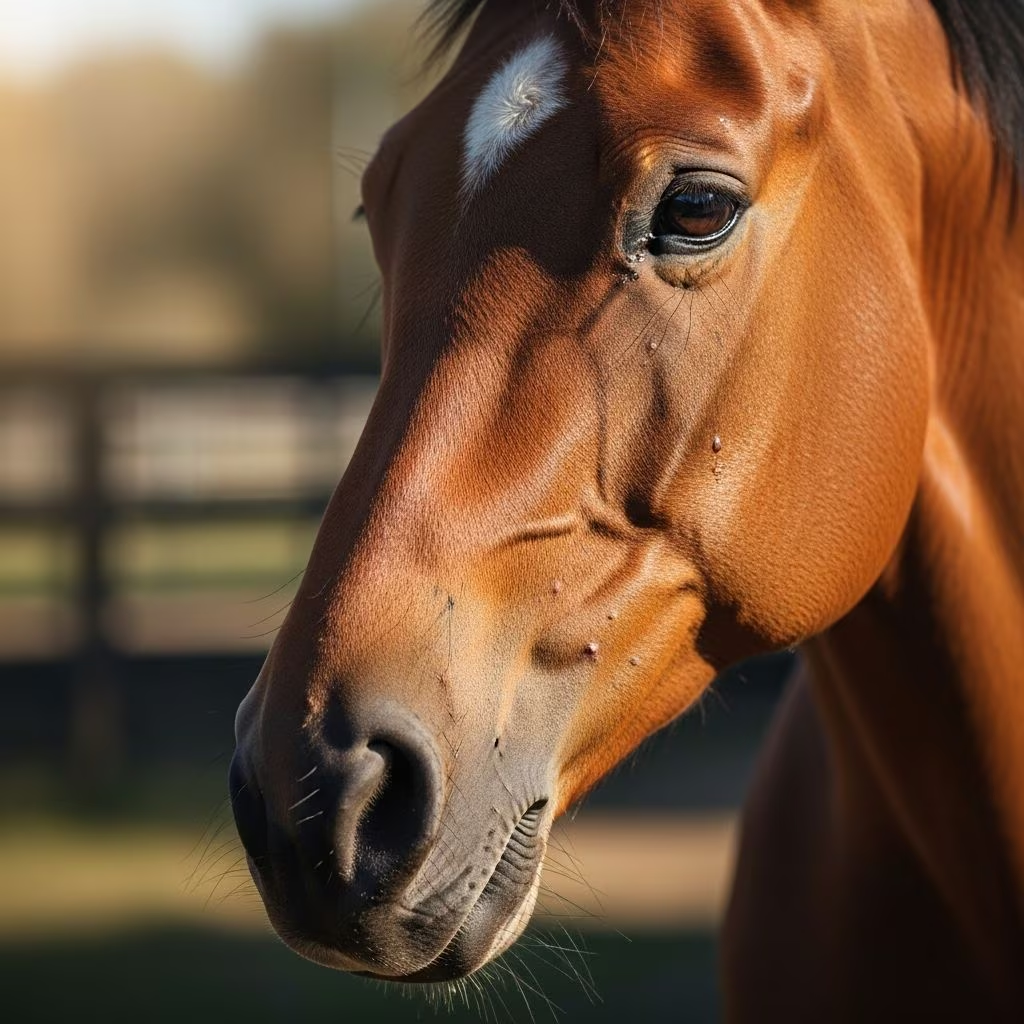
Understanding Equine Allergies in Horses
Allergies are a common health concern for horse owners, affecting horses of all breeds and ages. Just like humans, horses can develop allergic reactions to various substances in their environment, diet, and from external parasites. An equine allergy occurs when a horse’s immune system overreacts to a normally harmless substance, triggering inflammation and discomfort. Understanding the nature of these allergies is crucial for maintaining your horse’s health and quality of life.
It’s important to note that allergies in horses are cumulative, meaning a horse can be allergic to multiple substances simultaneously. The combination of these separate allergies eventually reaches the individual’s threshold, causing visible symptoms to appear. This cumulative nature makes diagnosis challenging but emphasizes the importance of comprehensive allergen management.
Common Types and Triggers of Equine Allergies
Identifying the specific triggers of your horse’s allergies is the first step toward effective management. Multiple allergen categories can affect horses, each presenting unique challenges for owners.
Insect Bite Hypersensitivity
By far the most prevalent equine allergy is hypersensitivity to insect saliva, with insect bite reactions representing the leading cause of allergies in horses. The most severe manifestation of this allergy is sweet itch, also known as summer itch or equine insect hypersensitivity. This condition is triggered by tiny biting midges called Culicoides spp., commonly referred to as “no-see-ums.”
Sweet itch typically develops during warm months when midge populations peak, causing intense itching that leads to characteristic patterns of hair loss. Affected horses often develop a distinctive “rat tail” and “buzzed mane” appearance due to constant scratching and rubbing against fences, trees, and other objects. Beyond midges, other biting insects that can trigger allergic reactions include mosquitoes, horseflies, deerflies, stable flies, blackflies, and even mites and fleas.
The severity of insect bite allergies can range from mild irritation to severe anaphylactic reactions in extreme cases. Certain breeds appear predisposed to developing sweet itch, making prevention and management particularly important for these individuals.
Airborne Allergens
Environmental allergies are the second most common type of allergy seen in horses. Horses often live in environments with high levels of dust, mold, and other airborne particles, and their immune systems can overreact to these substances. Common airborne allergens include mold, mildew, dust mites, hay dust, pollen from grasses and trees, and other environmental particles.
Pollen from grasses, trees, and weeds can trigger particularly strong reactions, especially during spring and summer months when pollen counts are highest. Horses can inhale these particles, which irritate their respiratory system and trigger symptoms. Additionally, airborne particles can settle on a horse’s skin, causing localized reactions. In susceptible horses, constant exposure to barn dust and airborne allergens can develop into Recurrent Airway Obstruction (RAO), a more serious respiratory condition.
Food and Dietary Allergies
While less common than insect and environmental allergies, horses can develop sensitivities to natural foods and feed additives. Horses may react to specific grasses or grains, as well as additives found in processed feeds or supplements. Common culprits include certain grains, soy, and alfalfa, with reactions typically triggered by specific proteins within these foods.
The primary sign of food allergies is hives covering the body, with or without accompanying itching. Other manifestations of atopic dermatitis may also be present alongside these hives.
Contact Allergies and Other Triggers
Horses can develop allergies to direct contact with various materials. Neoprene saddle pads, wool blankets, and other equipment can trigger dermatitis in sensitive individuals. Horses can also react to lanolin present in wool and certain topical sprays and shampoos. If your horse is sensitive to wool, carefully reading product labels is essential to avoid lanolin-containing products.
Additionally, some horses experience allergic reactions to vaccines, particularly rabies vaccines. If your horse has reacted to a specific vaccine previously, it’s important to avoid combination products containing that vaccine component.
Recognizing Symptoms of Equine Allergies
Understanding the signs of allergies helps horse owners recognize problems early and seek appropriate veterinary care. Allergy symptoms manifest in two primary locations on the horse’s body.
Skin-Related Symptoms
Skin reactions represent one of the two most common manifestation sites for allergies in horses. Symptoms include:
- Hives or raised bumps on the skin
- Rashes and skin redness
- Intense itching and scratching
- Hair loss from constant rubbing
- Skin irritation and inflammation
- Lesions from excessive scratching
When itching, scratching, and rubbing are the primary signs, the pattern of distribution on the body, time of year, and geographic location provide helpful clues to the underlying cause. Most horses with environmental allergies experience skin reactions appearing on the face, legs, and body.
Respiratory Symptoms
Respiratory allergies affect the horse’s breathing and can present in two distinct ways. Symptoms include:
- Coughing, particularly during exercise
- Wheezing and labored breathing
- Nasal discharge
- Sneezing
- Difficulty breathing, especially when exposed to allergens
- Reduced exercise tolerance
These respiratory symptoms are particularly noticeable when horses are exposed to dust, pollen, or mold, and may worsen during exercise. In many cases, horses experience either respiratory or skin reactions, though not typically both simultaneously.
Diagnosing Equine Allergies
Proper diagnosis is essential for effective allergy management. Veterinarians employ multiple diagnostic approaches to identify specific allergens affecting individual horses.
Initial Evaluation
Diagnosis typically begins with the owner’s description of the problem, including when symptoms first appeared and what changes may have occurred recently in the horse’s diet and environment. Following this history, the veterinarian performs a thorough physical examination, noting any abnormal findings and observing clinical signs.
Diagnostic Testing Methods
Based on initial findings, veterinarians can perform specific tests to identify allergens and rule out other conditions:
- Skin Testing (Intradermal Allergy Testing): The horse is sedated and a large patch of hair is shaved from the neck. Fifty to sixty different allergens are injected in tiny amounts using a grid pattern. The grid is examined at 15 minutes, 30 minutes, 4-6 hours, and 24 hours later to identify positive reactions.
- Skin Scrapings and Cultures: These tests help rule out parasites, bacteria, or fungal infections that may mimic allergy symptoms.
- Blood Testing: Blood tests measure antibody levels to identify specific allergens causing reactions.
- Biopsies: Skin biopsies can provide detailed information about skin conditions.
- Respiratory Assessment: For respiratory allergies, veterinarians may use rebreathing bags, imaging, or fluid samples to assess airway health and function.
Treatment Options for Equine Allergies
Multiple treatment approaches exist for managing equine allergies, ranging from medications to long-term immunotherapy solutions.
Medication-Based Treatments
Veterinarians employ several medication classes to manage allergy symptoms:
Corticosteroids: The first line of defense against allergies in horses typically involves steroids such as dexamethasone and prednisolone. These can be administered topically on the skin, orally, by injection, or intranasally—with intranasal application often preferred for respiratory allergies like RAO.
Antihistamines: Like people and other animals, horses can benefit from antihistamine therapy. Common antihistamines used in horses include diphenhydramine and cetirizine, which help reduce allergic responses.
Anti-inflammatory Medications: These medications reduce inflammation associated with allergic reactions and can be administered alongside vaccines to minimize allergic responses.
Immunotherapy (Allergy Shots)
Allergen-specific immunotherapy (ASIT), commonly known as allergy shots, offers a promising long-term solution. Like people and other animals, allergic horses can be desensitized with a series of allergy shots to triggering substances identified through proper allergy testing. This approach is fairly effective, not labor-intensive, has minimal side effects, is cost-effective, and may result in a permanent cure rather than just temporary symptomatic relief.
Additionally, newer sublingual immunotherapy (under the tongue) has shown success in humans and dogs and shows promise in horses as well.
Dietary Management
For horses with suspected food allergies, dietary modification is crucial. A horse previously on good nutrition can be fed a hay-only diet for at least two to four weeks to observe if symptoms resolve, helping identify problematic dietary components.
Environmental and Management Strategies
Beyond medications and immunotherapy, practical management approaches significantly reduce allergy symptoms:
- Insect Control: Use insect repellents, fly masks, and fly sheets to protect horses from biting insects. Keep stables clean and free from standing water that attracts insects.
- Air Quality Management: Minimize exposure to pollen during peak times by keeping horses indoors during high pollen seasons. Use air purifiers in stables and provide clean, dust-free environments.
- Pasture Management: Rotate pastures and manage vegetation to reduce pollen and dust exposure.
- Equipment Selection: Choose non-allergenic equipment and carefully select blankets, pads, and topical products, reading labels for potential allergens like lanolin.
Vaccine Allergy Management
For horses prone to vaccine reactions, several strategies minimize allergic responses. If your horse has reacted to a particular vaccine previously, avoid combo products that include the problematic component, as you may not know which specific portion triggers the reaction. Often, the rabies vaccine appears to be the culprit, and vaccine companies are developing new rabies vaccines with reduced reactivity.
Administering antihistamines and/or anti-inflammatory medications alongside vaccines can significantly reduce the severity of allergic reactions in susceptible horses.
Frequently Asked Questions About Equine Allergies
Q: What is sweet itch in horses?
A: Sweet itch is a severe allergic reaction to bites from tiny midges called Culicoides spp., also known as “no-see-ums.” It typically occurs during warm months and causes intense itching, leading to hair loss and the characteristic “rat tail” and “buzzed mane” appearance.
Q: Can horses have multiple allergies at once?
A: Yes, allergies in horses are cumulative, meaning a horse can be allergic to several substances simultaneously. The combination of these separate allergies eventually reaches the individual’s threshold, causing visible symptoms.
Q: How is sweet itch diagnosed?
A: Sweet itch is often diagnosed based on the seasonal appearance of symptoms during midge season, combined with the characteristic distribution pattern of hair loss. Intradermal skin testing can confirm sensitivity to Culicoides allergens.
Q: What should I do if I suspect my horse has food allergies?
A: Consult your veterinarian, who may recommend feeding a hay-only diet for two to four weeks to identify problematic dietary components. Once you identify the allergen, eliminate it from the horse’s diet.
Q: Are equine allergies curable?
A: While some allergies can be managed indefinitely with medications and environmental controls, allergen-specific immunotherapy (ASIT) may result in permanent cures for specific allergens. Most allergies require ongoing management rather than complete cure.
Q: How can I prevent insect-related allergies?
A: Use insect repellents, fly masks, and fly sheets to protect your horse from biting insects. Keep stables clean and free from standing water, which attracts insects. During peak midge season, keep horses indoors during dawn and dusk when midges are most active.
Q: What environmental changes help reduce allergy symptoms?
A: Minimize dust and mold exposure by using air purifiers in stables, providing clean bedding, reducing hay dust through soaking, and keeping indoor areas well-ventilated. During high pollen seasons, keep horses indoors when pollen counts peak.
Q: Can my horse’s allergy improve without treatment?
A: Some mild allergies may improve with environmental management alone, but most require veterinary intervention. Early treatment prevents symptoms from worsening and improves the horse’s quality of life.
Key Takeaways for Managing Equine Allergies
The key to keeping your allergy-prone horse comfortable is figuring out the causes of reactions and avoiding them whenever possible.[10] With proper identification, diagnosis, and management strategies, horses with allergies can live comfortable, productive lives. Work closely with your veterinarian to develop a comprehensive allergy management plan tailored to your horse’s specific needs and triggers. Regular monitoring and adjustment of strategies ensure your horse remains healthy and comfortable throughout the year.
References
- Field Guide to Equine Allergies — Equus Magazine. 2011. https://equusmagazine.com/diagnosis/field_guide_to_equine_allergies_091110-8388
- Identifying the Signs & Managing Allergies in Horses — SmartPak Equine. https://www.smartpakequine.com/learn-health/allergies
- Managing Allergies in Horses: Effective Strategies and Alternative Therapies — Poll to Pastern. https://www.polltopastern.com/post/managing-allergies-in-horses-effective-strategies-and-alternative-therapies
- Allergies in Horses — Merck Veterinary Manual. https://www.merckvetmanual.com/horse-owners/skin-disorders-of-horses/allergies-in-horses
- Managing Seasonal Allergies in Horses: A Guide for Owners — Advanced Equine Veterinary Hospital. https://www.advancedequinehv.com/managing-seasonal-allergies-in-horses-a-guide-for-owners/
- Feeding Horses with Suspected Allergies — Purina Mills. https://www.purinamills.com/horse-feed/tools/professional-resource/detail/feeding-horses-with-suspected-allergies
- Infographic: Equine Allergies — The Horse. https://thehorse.com/149029/infographic-equine-allergies/



