
Equine Abortion: Causes, Diagnosis, And Prevention Guide
Comprehensive guide to understanding, preventing, and treating pregnancy loss in mares for optimal reproductive health.
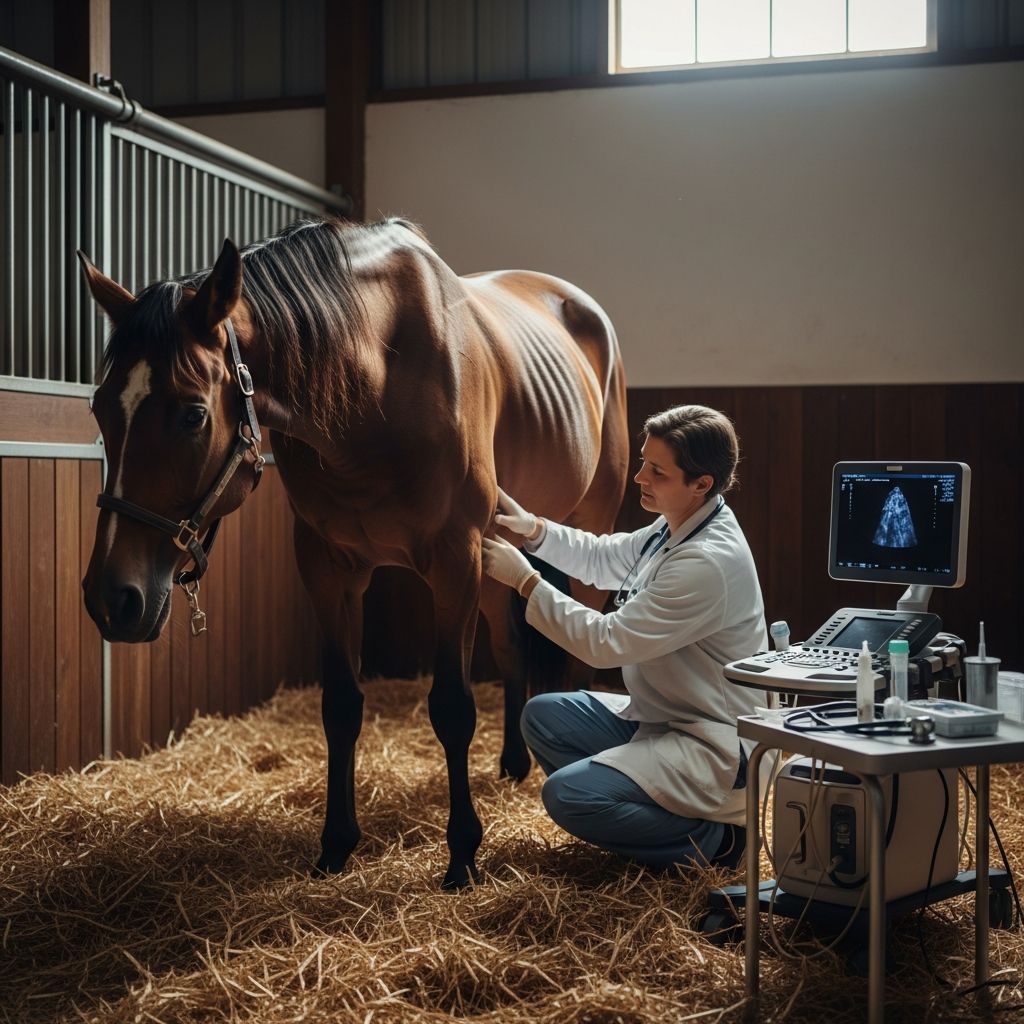
Abortion in horses represents a significant challenge for breeders, often resulting in the unexpected loss of a fetus during gestation. This condition can stem from a variety of infectious agents, nutritional deficiencies, or developmental issues, impacting mare health and future fertility if not addressed promptly. Understanding the underlying mechanisms allows for effective intervention and prevention strategies to support successful breeding outcomes.
Recognizing Signs of Pregnancy Loss in Mares
Early detection of abortion is crucial for timely veterinary care. Mares undergoing abortion typically exhibit noticeable physical and behavioral changes. The expulsion of fetal or placental material in the stall or pasture serves as the primary indicator, often accompanied by vulvar discharge that may appear bloody, mucoid, or purulent.
Premature udder enlargement and milk leakage before the expected foaling date signal hormonal shifts associated with fetal loss. Mild colic symptoms, such as restlessness or pawing, can occur due to uterine contractions. In cases linked to infection, mares might display fever, lethargy, or limb edema, highlighting systemic involvement.
- Vulvar discharge: Often the first observable sign, varying in color and consistency.
- Premature lactation: Udder swelling with colostrum or milk production.
- Fetal tissues: Visible remains or placenta in the environment.
- Behavioral changes: Restlessness, isolation, or signs of discomfort.
- Secondary complications: Retained placenta leading to toxic shock or laminitis.
Observing these signs warrants immediate veterinary attention, as retained placenta poses life-threatening risks including endotoxemia and hoof inflammation.
Infectious Triggers of Abortion
Infections account for a substantial portion of equine abortions, with viruses and bacteria targeting the placenta or fetus directly. Equine herpesvirus 1 (EHV-1), a leading viral culprit, spreads via nasal secretions, aborted tissues, or aerosols, causing abortion storms in unvaccinated herds. Outbreaks can result in up to 60% pregnancy loss in susceptible populations.
Bacterial placentitis, frequently caused by Streptococcus spp. or Escherichia coli, leads to placental separation and fetal hypoxia. This condition manifests as cervical-star region thickening with necrotic exudate, compromising nutrient exchange. Potomac horse fever, induced by Neorickettsia risticii, triggers mid-to-late gestation abortions alongside placentitis and retained membranes.
Equine viral arteritis (EVA) follows clinical illness by 6-29 days, impairing placental function through fetal myocarditis. Stallions can harbor persistent infections, transmitting via semen. Fungal agents and less common pathogens like Toxoplasma gondii occasionally contribute, particularly in immunosuppressed mares.
Non-Infectious Contributors to Fetal Loss
Non-infectious factors often relate to management or physiological errors. Twinning, the most prevalent noninfectious cause, occurs in 8-9% of pregnancies and typically results in abortion during late gestation due to inadequate placental resources for dual fetuses.
Nutritional imbalances, such as endophyte-infected fescue grass consumption, induce placental edema and premature separation, rarely causing abortion but leading to weak foals. Congenital anomalies in the fetus, including skeletal malformations or organ defects, prompt natural termination. Trauma from falls or kicks can disrupt pregnancy, while maternal stress or hormonal deficiencies exacerbate risks.
| Cause Category | Examples | Gestation Timing | Key Features |
|---|---|---|---|
| Infectious | EHV-1, Placentitis | Mid-to-late | Fever, discharge, herd outbreaks |
| Non-Infectious | Twinning, Nutrition | Late (8-9 mo) | Placental insufficiency, edema |
| Other | Trauma, Defects | Variable | History of injury, ultrasound findings |
Diagnostic Approaches for Accurate Identification
Confirming the abortion cause requires laboratory analysis of aborted materials. Submission of the fetus, placenta, and maternal samples to diagnostic labs enables pathogen isolation, PCR testing, and histopathology. Placental examination reveals characteristic lesions: EHV-1 shows multifocal necrosis, while placentitis displays neutrophilic inflammation and villous atrophy.
Veterinary ultrasound prior to loss can detect twinning or placental separation. Serological tests for EVA or Potomac fever confirm exposure. Mare history, including vaccination status and pasture access, guides differential diagnosis.
Post-Abortion Care and Treatment Protocols
Treatment focuses on resolving complications rather than reversing loss. Uterine lavage clears debris and bacteria, often combined with broad-spectrum antibiotics for placentitis. Anti-inflammatories like flunixin meglumine reduce prostaglandin-mediated contractions, while progestogens (e.g., altrenogest) support uterine quiescence in threatened cases.
Retained placenta demands emergency intervention: manual removal, oxytocin infusion, or surgery prevents laminitis. Most mares regain fertility post-event, barring chronic endometritis. Supportive measures include electrolyte balance and hoof protection.
- Immediate: Check for retained tissues; administer oxytocin if needed.
- Antimicrobial: Tailored to culture results.
- Hormonal: Progesterone supplementation for high-risk mares.
- Monitoring: Daily exams until discharge resolves.
Prevention Strategies for Breeding Success
Proactive management minimizes abortion risks. Core vaccinations against EHV-1, EVA, and Potomac fever are essential, administered pre-breeding and boosters during gestation. Biosecurity protocols—quarantine new arrivals, isolate aborting mares—curb outbreaks.
Ultrasound at days 14-16 detects twins for manual reduction. Nutritional audits avoid mycotoxin-laden forages; balanced diets with adequate vitamins prevent deficiencies. Routine reproductive exams track pregnancy viability.
Impact on Mare Fertility and Future Pregnancies
Single abortions rarely impair long-term fertility, with 80-90% conception rates in subsequent cycles. Recurrent cases signal underlying issues like endometritis, necessitating hysteroscopy and biopsies. Strategic breeding timing post-loss optimizes success.
Frequently Asked Questions (FAQs)
What should I do if my mare aborts?
Contact a vet immediately. Preserve fetal/placental tissues chilled for lab submission and monitor for retained placenta.
Can abortion spread to other horses?
Yes, especially EHV-1 and EVA; isolate the mare and implement biosecurity.
How effective are vaccines against abortion?
EHV-1 vaccines reduce incidence significantly; EVA vaccination prevents carrier status in stallions.
Is twinning always fatal?
Not if reduced early via ultrasound-guided crushing; natural resolution often leads to abortion.
Can nutrition prevent abortions?
Yes, avoiding endophyte fescue and ensuring balanced minerals supports placental health.
References
- Abortion in Horses – Causes, Treatment and Associated Symptoms — Vetster. 2023. https://vetster.com/en/symptoms/horse/abortion
- Abortion in Horses: Causes of Pregnancy Loss in Mares — Mad Barn. 2023. https://madbarn.com/abortion-in-horses/
- Abortion in Horses – Reproductive System — Merck Veterinary Manual. 2023. https://www.merckvetmanual.com/reproductive-system/abortion-in-large-animals/abortion-in-horses
- Abortion in Horses – Horse Owners — MSD Veterinary Manual. 2023. https://www.msdvetmanual.com/horse-owners/reproductive-disorders-of-horses/abortion-in-horses
- Causes of Abortion in the Horse — VetPrep. 2018. https://www.vetprep.com/simboards/ppsServlet/BTNHENVVAZMXWG424618.PDF
Similar Articles








Read full bio of Sneha Tete


