
Equine Abortion: Essential Guide To Causes And Care
Comprehensive guide to understanding, diagnosing, and preventing pregnancy loss in mares for optimal equine health.
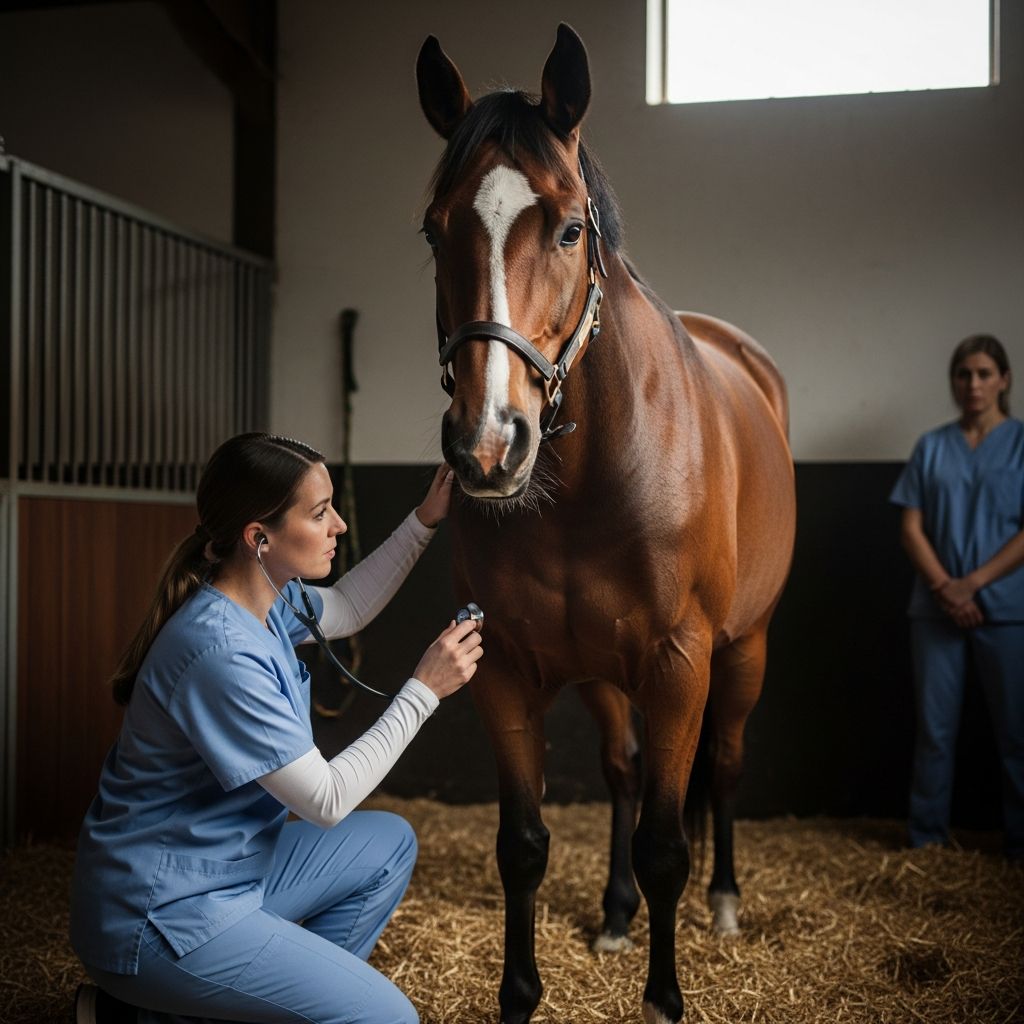
Abortion in horses represents a significant challenge for breeders and veterinarians, often resulting in the unexpected expulsion of a non-viable fetus before term. This condition can stem from infectious agents, physiological abnormalities, or environmental factors, impacting mare health and future breeding success. Early recognition and intervention are crucial to minimize complications and support recovery.
Recognizing Signs of Abortion in Mares
Mares undergoing abortion typically exhibit observable changes that signal pregnancy loss. These indicators help owners act swiftly to protect the animal’s well-being.
- Premature udder enlargement: Swelling or milk leakage occurs well before the due date, indicating hormonal shifts.
- Vulvar discharge: Bloody, mucoid, or cloudy fluid from the vagina often precedes or accompanies fetal expulsion.
- Abdominal discomfort: Mild colic-like symptoms, such as restlessness or pawing, may arise due to uterine contractions.
- Fetal or placental remnants: Visible tissues in the stall, pasture, or hanging from the vulva confirm the event.
- Behavioral shifts: Lethargy, reduced appetite, or isolation from the herd can accompany the process.
These symptoms frequently appear suddenly, especially in late gestation, and may coincide with maternal fever or respiratory issues if an infection is involved. Prompt veterinary assessment prevents secondary problems like retained placenta, which risks toxic shock or laminitis.
Primary Infectious Triggers of Pregnancy Loss
Infections account for a substantial portion of equine abortions, with viruses and bacteria invading the placenta or fetus. Understanding these pathogens aids in targeted prevention.
Viral Culprits: EHV-1 and EVA
Equine herpesvirus 1 (EHV-1), also known as equine rhinopneumonitis, stands as the predominant viral cause. It spreads via nasal secretions, aborted materials, or aerosols, leading to abortion 4-10 months into pregnancy without prior maternal illness. The virus disrupts placental function, causing fetal mummification or expulsion.
Equine viral arteritis (EVA) follows clinical illness by 6-29 days, with abortion rates up to 60% in susceptible groups. Transmission occurs through semen, respiratory routes, or fomites, and stallions may carry it persistently. Fetal lesions are rare, but placental arteritis impairs nutrient supply.
Bacterial Placentitis and Systemic Infections
Bacterial placentitis, often from Streptococcus spp. or E. coli, causes ascending infections from the cervix, leading to placental thickening and separation. This results in uteroplacental insufficiency and abortion, particularly in late term. Affected placentas show necrotic exudate and inflammation.
Potomac horse fever, induced by Neorickettsia risticii, triggers mid-to-late gestation losses with placentitis and retained membranes. Fetal colitis provides diagnostic clues, though vaccine efficacy against abortion remains uncertain.
Non-Infectious Factors Contributing to Abortion
Beyond pathogens, developmental and nutritional issues play key roles in pregnancy failure.
| Factor | Description | Gestational Impact |
|---|---|---|
| Twinning | Multiple embryos overwhelm uterine capacity, causing competition for resources. | Early to mid-term |
| Umbilical Cord Torsion | Twisting restricts blood flow, confirmed by cord swelling or hemorrhage. | Late-term |
| Fescue Toxicosis | Epichloë coenophiala-infected grass prolongs gestation and induces placental edema. | Last 2 months |
| Nutritional Deficiencies | Vitamin A/E shortages or malnutrition weaken fetal viability. | Variable |
| Trauma or Stress | Physical injury or transport disrupts pregnancy maintenance. | Any stage |
These non-infectious causes often lack maternal symptoms, making diagnosis reliant on post-abortion exams. Twinning, for instance, resolves spontaneously but reduces future conception rates if chronic.
Diagnostic Approaches for Equine Abortion
Accurate diagnosis hinges on comprehensive evaluation of the mare, fetus, and placenta. Owners should secure samples immediately, as viability diminishes rapidly.
- History and Clinical Exam: Review vaccination status, herd health, and recent stressors.
- Ultrasound and Bloodwork: Detect retained fluids or hormonal imbalances in the mare.
- Fetal/Placental Submission: Labs perform PCR, culture, histopathology, and serology for pathogens like EHV-1.
- Mare Ultrasound: Checks for endometritis or retained tissues post-event.
Key placental findings include funisitis in mare reproductive loss syndrome (MRLS) or mucopurulent exudate in bacterial cases, guiding precise identification.
Treatment Strategies Post-Abortion
While abortion itself cannot be reversed, supportive care restores mare fertility, typically unaffected long-term.
- Uterine Lavage: Flushes debris and bacteria, essential for placentitis cases.
- Antibiotics: Broad-spectrum for confirmed infections, preventing metritis.
- Anti-Inflammatories: NSAIDs like flunixin meglumine reduce swelling and pain.
- Progesterone Support: Altrenogest maintains quiescence in at-risk subsequent pregnancies.
- Emergency for Retained Placenta: Manual removal or oxytocin within 3 hours averts laminitis.
Most mares resume cycles within 1-3 months and conceive normally, barring chronic issues.
Prevention: Key to Sustaining Herd Reproduction
Proactive measures drastically cut abortion incidence through biosecurity and monitoring.
Vaccination Protocols
Core vaccines target EHV-1/4 and EVA, administered pre-breeding and boosters during pregnancy. EVA vaccination for stallions prevents venereal spread.
Herd Management Practices
- Quarantine new arrivals for 3 weeks to block EHV/EVA.
- Avoid fescue pastures in late gestation; use domperidone if needed.
- Monitor via transrectal ultrasound at days 14-16 for twins, pinching extras.
- Balanced nutrition with vitamins A, E, and selenium supports placental health.
Surveillance and Testing
Semen cultures for EVA and routine EHV serology ensure pathogen-free breeding stock. Late-pregnancy ultrasounds detect placentitis early, allowing altrenogest or clenbuterol therapy.
Impact on Future Fertility and Breeding Outcomes
Single abortions seldom impair mare productivity, with 80-90% rebred successfully. Recurrent cases warrant chromosomal checks or endometrial biopsies. Breeders should track patterns across herds to refine protocols.
In summary, vigilance against infections like EHV-1, prompt diagnostics, and robust prevention preserve equine reproductive efficiency.
Frequently Asked Questions (FAQs)
What is the most common cause of abortion in horses?
Bacterial placentitis and EHV-1 infections top the list, often linked to ascending bacteria or viral spread.
Can a mare get pregnant again after aborting?
Yes, most return to fertility quickly with proper care; future pregnancies succeed at high rates.
How do you prevent fescue-related abortions?
Remove infected forage in late term and consider anti-endophyte treatments.
What should I do if I find fetal tissues?
Preserve in formalin, isolate the mare, and call a vet immediately for lab submission.
Is abortion contagious in a herd?
Yes, especially with EHV-1 or EVA; implement quarantine to halt outbreaks.
References
- Abortion in Horses – Causes, Treatment and Associated Symptoms — Vetster. 2023. https://vetster.com/en/symptoms/horse/abortion
- Abortion in Horses – Reproductive System — Merck Veterinary Manual. 2023-10-17. https://www.merckvetmanual.com/reproductive-system/abortion-in-large-animals/abortion-in-horses
- Abortion in Horses – Horse Owners — MSD Veterinary Manual. 2023. https://www.msdvetmanual.com/horse-owners/reproductive-disorders-of-horses/abortion-in-horses
- Abortion in Horses: Causes of Pregnancy Loss in Mares — Mad Barn. 2024. https://madbarn.com/abortion-in-horses/
- Causes of Abortion in the Horse — VetPrep. 2018. https://www.vetprep.com/simboards/ppsServlet/BTNHENVVAZMXWG424618.PDF
- Abortion in Horses: Symptoms, Causes Treatment & Prevention — Team Equinety. 2026. https://teamequinety.com/abortion-in-horses-symptoms-causes-treatment/
Similar Articles








Read full bio of Sneha Tete


