

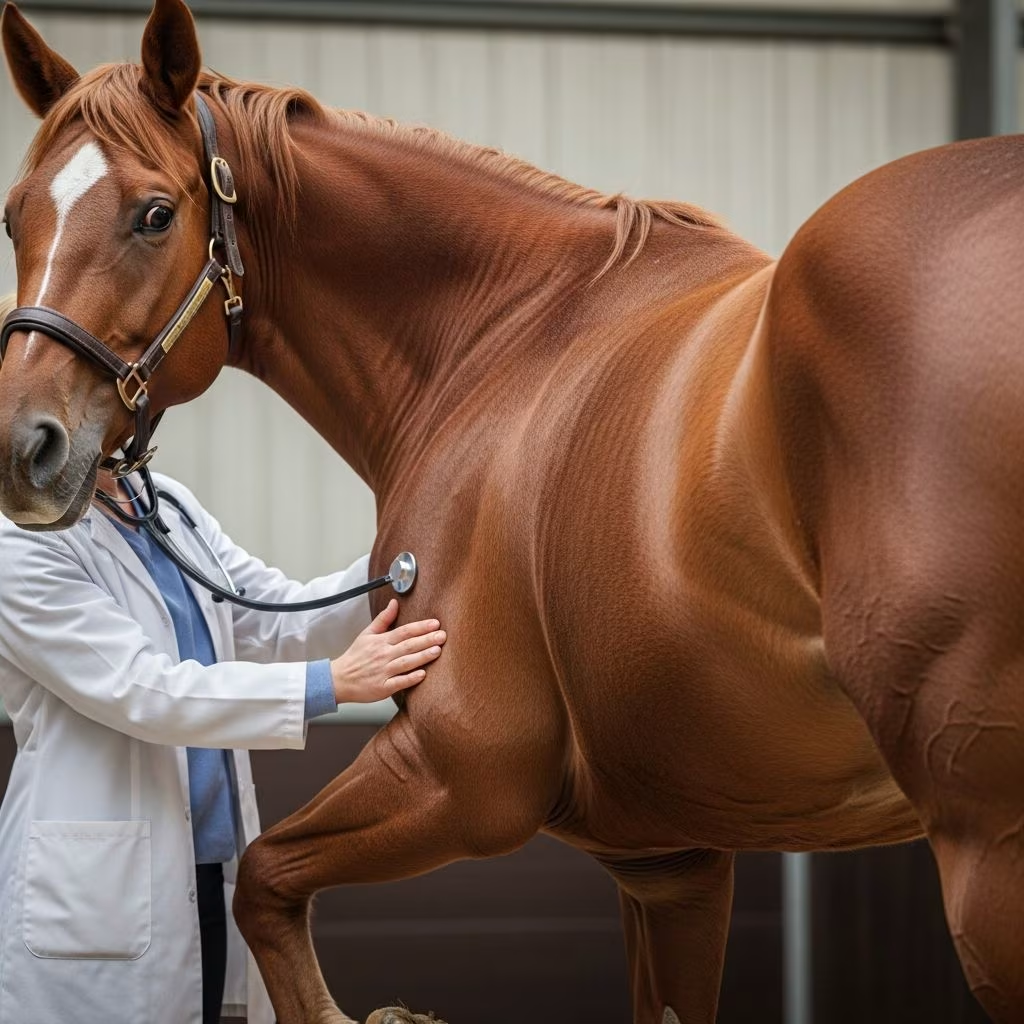
Abdominal pain, commonly referred to as colic, represents one of the most frequent health emergencies affecting horses. This condition encompasses a range of gastrointestinal disorders that can vary significantly in severity, from mild discomfort that resolves with conservative treatment to life-threatening emergencies requiring surgical intervention. Understanding the nature of this condition, recognizing its warning signs, and knowing when to seek professional help are essential skills for any horse owner.
Understanding the Nature of Equine Abdominal Pain
Equine colic is not a single disease but rather a collection of different intestinal and digestive problems that manifest through abdominal pain. The horse’s digestive system is uniquely complex and sensitive, making it particularly vulnerable to various disturbances. The condition affects horses of all ages and breeds, though certain risk factors can increase susceptibility in specific populations.
The severity of colic can range dramatically. Some episodes involve mild discomfort that responds quickly to basic medical management, while others progress rapidly and demand immediate veterinary attention. Approximately half of severe colic cases can be fatal if not treated promptly and appropriately. This wide variation in outcomes underscores the importance of early recognition and rapid response.
Recognizing the Warning Signs
Early identification of colic symptoms is critical for successful treatment outcomes. Horse owners should familiarize themselves with the characteristic behavioral and physical indicators that suggest abdominal pain.
Common behavioral indicators include:
- Repeated pawing or stamping at the ground with front hooves
- Frequent rolling or attempting to lie down
- Repeatedly looking back toward the flank region
- Curling the upper lip and arching the neck
- Loss of appetite or refusal to eat
- Restlessness and inability to settle
- Stretching as if attempting to urinate
- Excessive sweating despite cool weather
Additional clinical indicators that veterinarians assess include elevated heart rate, changes in mucous membrane color (pale or brick-red discoloration), decreased gut sounds, and abdominal distention or bloating. The intensity and combination of these signs can help determine the severity of the colic episode.
Major Categories of Equine Abdominal Pain
Spasmodic Colic
This type involves excessive or uncoordinated contractions of the intestinal muscles. The intestine essentially goes into spasm, causing intermittent severe pain. Spasmodic colic is frequently triggered by sudden dietary changes, such as an abrupt increase in fresh spring grass or grain, environmental stress, dehydration, or parasitic infections. Many horses with this condition experience recurring episodes. The good news is that spasmodic colic typically responds well to non-invasive medical management.
Impaction Colic
Impaction occurs when the large intestine becomes blocked by compacted, dried food material, sometimes mixed with sand or other foreign matter. This type of obstruction prevents normal passage of intestinal contents, leading to pain and potential complications. Impaction colic frequently develops following prolonged periods without forage access, inadequate water intake, high-concentrate diets, or in horses living in sandy environments. This form of colic responds to medical treatment in most cases, though severe impactions may require surgical removal.
Gaseous Distention Colic
Excessive gas accumulation in the intestines causes marked distention and pain. As gas expands within the confined space of the abdomen, the intestinal walls stretch uncomfortably. This condition typically results from either excessive gas production or a blockage preventing normal gas passage.
Displacement and Torsion
These represent more serious structural problems where the intestine moves from its normal position. Displacement involves the intestine shifting position but maintaining adequate blood supply, while torsion involves the intestine twisting around its base, potentially cutting off blood supply entirely. Torsion is particularly dangerous, as it can cause tissue death, triggering a cascade of toxic effects even if the twist is surgically corrected. These severe cases typically require emergency surgical intervention.
Contributing Factors and Risk Elements
Multiple factors can increase a horse’s vulnerability to colic episodes. Recognizing these risk factors allows owners to implement preventive strategies tailored to their horse’s individual circumstances.
| Risk Factor Category | Specific Examples |
|---|---|
| Dietary Changes | Sudden shifts in grain or hay types, increased concentrate without gradual transition, abrupt changes to fresh grass |
| Routine Disruptions | Changes in exercise patterns, alterations to feeding schedules, variations in turnout routines |
| Environmental Factors | Weather pattern changes, temperature fluctuations, seasonal transitions, sand ingestion from environment |
| Parasitic Issues | High parasite burdens, tapeworm infestations, bloodworm larvae damage to blood vessels |
| Nutritional Imbalances | Excessive grain relative to forage, prolonged periods without hay access, inadequate water consumption |
| Physical Factors | Rapid weight gain, long-term use of anti-inflammatory medications, recent foaling in mares |
| Psychological Factors | Stress from transport, training intensification, herd changes, metabolic disruptions |
Medical Management Approaches
Pain Relief Strategies
Addressing pain is a primary objective in colic management. Veterinarians select analgesic medications based on the presumed colic type and severity, choosing agents least likely to cause adverse effects or behavioral changes. Common pain management medications include non-steroidal anti-inflammatory drugs such as flunixin meglumine (commonly known as Banamine®) and various sedatives that simultaneously reduce pain perception. In severe cases, narcotic pain relievers may be necessary.
Antispasmodic Medications
For spasmodic colic specifically, veterinarians utilize antispasmodic drugs that reduce the frequency of intestinal muscle contractions. Scopolamine (marketed as Buscopan®) is the most frequently employed medication for this purpose, effectively calming excessive intestinal activity and allowing normal function to resume.
Fluid and Electrolyte Management
Many colic cases require fluid therapy to prevent dehydration and maintain adequate blood supply to vital organs including the kidneys. Fluids may be administered through a nasogastric tube placed via the nose into the stomach or through an intravenous catheter, depending on the underlying problem. Intravenous fluids may be necessary for several days until intestinal function normalizes and the horse can maintain adequate hydration through drinking.
Nasogastric Intubation and Decompression
Stomach tubing involves passing a flexible tube through the horse’s nostril into the stomach. This procedure serves multiple purposes: it relieves pain from stomach distention caused by fluid accumulation, prevents potentially fatal stomach rupture, allows direct administration of fluids and medications, and enables removal of accumulated fluid.
Intestinal Lubricants and Laxatives
For impaction colic, veterinarians administer softening agents through the nasogastric tube that help mobilize impacted material. Mineral oil acts as a lubricant, while magnesium sulfate (Epsom salt) and psyllium hydrophilic mucilloid (a fiber-based product) absorb water and soften the impacted bolus, facilitating passage through the digestive tract. During this treatment, affected horses typically require muzzling to prevent additional feed intake while the impaction resolves.
Parasite Control
When parasitic infection contributes to colic, appropriate deworming medications become essential. Large bloodworm larvae, particularly Strongylus vulgaris, historically caused significant colic by interfering with intestinal blood supply, though routine deworming protocols have substantially reduced this problem. Small strongyle larvae and tapeworm infections can also cause intestinal damage and obstruction.
Endotoxin Management
In severe cases where intestinal tissue damage is suspected, specific medications may be administered to neutralize bacterial toxins (endotoxins) that escape the intestine and enter the bloodstream. These may include antibodies, anti-inflammatory medications, and certain antibiotics to prevent or counteract the dangerous effects of endotoxin release.
When Surgical Intervention Becomes Necessary
Not all colic cases respond to medical management. Surgical intervention becomes necessary when horses fail to improve with initial medical treatment or when the underlying problem requires structural correction. Some conditions, particularly severe displacements, torsions, or significant obstructions, can only be appropriately treated through surgical removal of damaged tissue or correction of the anatomical problem.
Early recognition of severe colic and rapid transportation to an equine hospital significantly impacts surgical outcome probability. Studies demonstrate that even a two-hour delay between symptom onset and professional evaluation can substantially affect survival rates.
Building a Prevention Strategy
Dietary Management: Implement gradual transitions when changing feed types, allowing at least 7-10 days for intestinal microbes to adapt. Maintain a diet relatively high in forage and lower in grain concentrates. Ensure consistent access to quality hay throughout the day, avoiding extended periods without forage. Provide continuous access to fresh, clean water, as dehydration significantly increases colic risk.
Routine Consistency: Horses thrive on predictable schedules. Maintain consistent feeding times, exercise patterns, and turnout routines. When changes become necessary, implement them gradually rather than abruptly.
Parasite Management: Establish a regular deworming schedule in consultation with your veterinarian, tailored to your specific geographic location and horse population. Routine deworming substantially reduces colic caused by parasitic damage.
Environmental Considerations: In sandy environments, implement measures to reduce sand ingestion, including psyllium supplementation as directed by your veterinarian. Provide adequate shelter during severe weather changes, as temperature and pressure fluctuations can trigger colic episodes.
Medication Awareness: Discuss the potential effects of any long-term medications with your veterinarian, particularly non-steroidal anti-inflammatory drugs, which can predispose horses to certain colic types. Use medications at the lowest effective doses for the shortest necessary duration.
Health Monitoring: Learn to assess your horse’s vital signs, including heart rate and rectal temperature, establishing a baseline for your individual animal. Observe digestive patterns, noting any changes in appetite or fecal output.
Immediate Response When Colic Occurs
If you suspect your horse is experiencing colic, immediate action improves outcomes. Check vital signs including heart rate and rectal temperature. Contact your veterinarian promptly and provide detailed information about symptom onset, severity, and duration. While awaiting veterinary arrival, hand-walk your horse gently if possible, as this may help relieve discomfort. Avoid feeding until after professional evaluation. Do not self-administer treatments without veterinary guidance, as masking early colic signs with pain medication can delay recognition of serious conditions requiring surgery.
Understanding Complications and Outcomes
Even when colic is successfully treated, complications can arise. Laminitis, inflammation of the hoof tissue, develops in approximately 25% of horses with significant colic episodes, potentially causing long-term lameness or chronic pain. Some horses experience recurring colic episodes, suggesting previous episodes caused partial intestinal blockage or predisposed the horse to future obstruction.
The outcome of any colic episode depends on early recognition, rapid professional intervention, accurate diagnosis of the underlying cause, and appropriate treatment selection. Modern veterinary care offers excellent success rates for many colic types, but severe cases remain serious emergencies requiring immediate hospital care.
Frequently Asked Questions
How quickly should I call a veterinarian if I suspect colic?
Contact your veterinarian immediately upon suspicion of colic. Time is critical, as early intervention significantly improves treatment success rates and reduces the likelihood of complications requiring surgery.
Can I treat colic at home?
While mild cases may resolve with veterinary guidance and home-based medical management, professional assessment is essential to determine colic type and severity. Never attempt home treatment without veterinary direction, as this can mask serious conditions.
Is colic always life-threatening?
While some colic cases are mild and resolve quickly, others progress to life-threatening emergencies. Approximately half of severe cases can be fatal, emphasizing the importance of professional evaluation.
What increases the likelihood of colic recurrence?
Horses with previous colic episodes, particularly those caused by impaction or displacement, face higher recurrence risk. Risk factors such as high-grain diets, inadequate forage, limited water access, and parasitic infections increase recurrence probability.
Can vaccinations prevent colic?
Currently, no vaccines exist that prevent colic. Prevention relies on managing risk factors through proper nutrition, consistent routines, parasite control, and environmental management.
References
- Colic in Horses: Signs, Treatment, and Prevention — PetMD. Accessed 2024. https://www.petmd.com/horse/conditions/digestive/colic-in-horses
- Colic in Horses – Horse Owners — Merck Veterinary Manual. Accessed 2024. https://www.merckvetmanual.com/horse-owners/digestive-disorders-of-horses/colic-in-horses
- Colic in Horses: Treatment, Management & Prevention Guide — Mad Barn. Accessed 2024. https://madbarn.com/colic-in-horses/
- Symptoms, Causes & Treatment of Equine Colic — Mountain Aire Animal Clinic. 2023-01-08. https://www.mountainaireanimalclinic.com/site/blog/2023/01/08/equine-colic
- Horse Colic Prevention and Management — Blue Cross. Accessed 2024. https://www.bluecross.org.uk/advice/horse/health-and-injuries/horse-colic-prevention-and-management
- Colic in Your Horse — University of Minnesota Extension. Accessed 2024. https://extension.umn.edu/horse-health/colic-your-horse
- Colic Treatment — Pine Ridge Equine Hospital. Accessed 2024. https://www.pineridgeequine.com/blog/colic-treatment



