

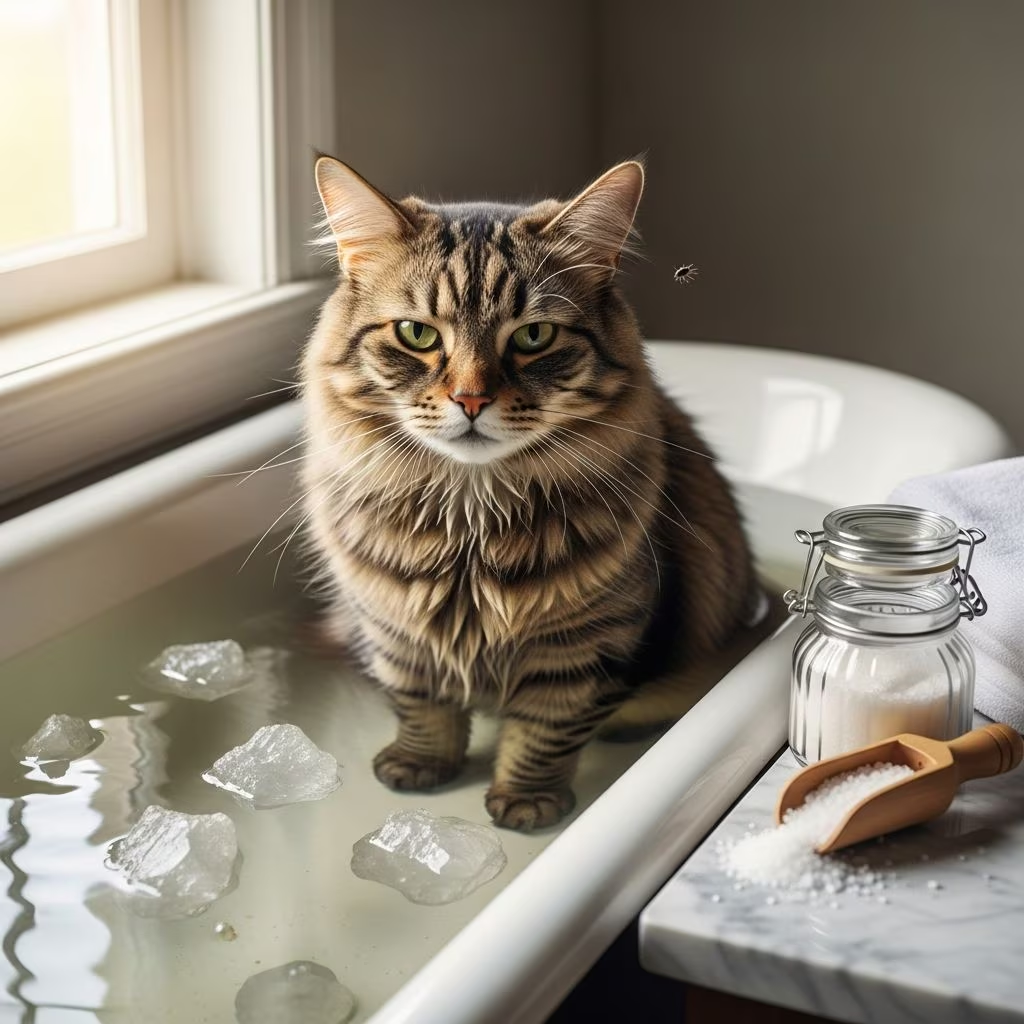
Fleas pose a significant threat to cats, causing discomfort, itching, and potential health issues like flea allergy dermatitis. Home remedies such as Epsom salt baths have gained attention among pet owners seeking natural solutions. However, scientific evidence reveals these baths offer minimal flea-killing power and may even stress cats unnecessarily. Instead, modern veterinary treatments provide rapid, long-lasting protection targeting all flea life stages.
Understanding the Flea Problem in Cats
Cat fleas (*Ctenocephalides felis*) are the most common external parasites affecting felines. These tiny insects feed on blood, leading to irritation, hair loss, and anemia in severe cases. A single flea can lay up to 50 eggs daily, rapidly infesting homes and turning them into breeding grounds. Only 5% of the flea population lives on the pet; the rest hide in carpets, bedding, and furniture as eggs, larvae, and pupae.
Symptoms include excessive scratching, red skin, and small black specks known as flea dirt—digested blood from the cat. Early detection is crucial to prevent escalation. Regular grooming and environmental cleaning complement treatments but alone cannot eradicate infestations.
What Is Epsom Salt and How Might It Affect Fleas?
Epsom salt, or magnesium sulfate, is a mineral compound often used for human muscle relief when dissolved in baths. Some cat owners hypothesize it dehydrates fleas through osmosis, drawing moisture from their exoskeletons. While salt can desiccate insects in theory, practical application on live cats proves ineffective.
Dissolving Epsom salt in water creates a mildly abrasive solution, but fleas are resilient. They cling tightly to fur with strong legs and hydrophobic coatings that repel water. Studies on flea control emphasize insecticides over salts, as home remedies fail to penetrate dense cat coats or kill eggs and larvae.
Why Epsom Salt Baths Fall Short for Flea Control
Epsom salt baths provide temporary drowning of visible adult fleas but ignore the full life cycle. Rinsing removes salt residue, allowing quick reinfestation from the environment. Cats often resist baths, leading to stress that weakens immunity and worsens skin issues.
- Limited adult flea kill: Fleas survive submersion unless prolonged, which risks hypothermia in cats.
- No impact on eggs or larvae: These stages reside off the host, untouched by baths.
- Skin irritation risk: High salt concentrations dry sensitive cat skin, exacerbating allergies.
- Short-term effect: Fleas return within hours from untreated areas.
Veterinary consensus prioritizes targeted parasiticide over baths, which offer no residual protection.
Proven Veterinary Flea Treatments for Cats
Contemporary flea control relies on pharmaceuticals killing fleas at multiple stages. These outperform natural remedies with 95-100% efficacy in clinical trials.
| Treatment Type | Examples | Efficacy | Duration |
|---|---|---|---|
| Oral Tablets | Afoxolaner, Lotilaner, Spinosad | 100% kill within 24-48h | 1-3 months |
| Spot-on Topicals | Fipronil, Imidacloprid, Fluralaner | 97-100% reduction | 1-3 months |
| Insect Growth Regulators (IGRs) | Lufenuron, Pyriproxyfen | Prevents egg hatch 90-100% | 2-6 months |
| Combinations | Selamectin + Sarolaner | 99%+ flea & FAD reduction | 3 months |
Oral options like lotilaner achieve 100% flea kill within 24 hours and maintain 98.6% control for 35 days. Topical fluralaner provides 100% reduction for 84 days on infested cats.
Top Oral Flea Killers: Fast and Systemic Action
Oral treatments circulate through the bloodstream, killing fleas on bite. Afoxolaner delivers 100% adult flea kill within 48 hours. Lotilaner acts even faster, with 97.4% kill in 8 hours and sustained protection. These are ideal for flea-allergic cats, resolving dermatitis symptoms quickly.
Spinosad, given every 14 days, cleared infestations in case studies where topicals failed due to grooming. Comfortis (spinosad) kills adults within 30 minutes for 30 days.[10]
Effective Topical Applications and Spot-Ons
Spot-on products spread via skin oils, targeting fleas on contact. Fipronil achieves 99.5% efficacy within 48 hours and controls eggs for weeks. Imidacloprid reduces burdens by 97.4% at 28 days.
Fluralaner spot-on yields 99.9% reduction at 12 weeks versus 93% for fipronil combos. Selamectin + sarolaner combo provides 99.8% control at 90 days, improving FAD in 86-100% of cats.
Insect Growth Regulators: Breaking the Flea Life Cycle
IGRs like lufenuron inhibit chitin synthesis, preventing larval development. Injectable lufenuron reduces adult emergence by 90% for 196 days. Oral lufenuron with nitenpyram cuts populations 98% for 90 days.
Pyriproxyfen topicals block 100% egg hatching for 7 weeks. Combined with adulticides, they eradicate environmental fleas effectively.
Environmental Flea Management Strategies
Treating the cat alone fails; homes must be addressed. Vacuum daily to stimulate pupae hatching, then dispose bags outdoors. Wash bedding in hot water weekly.
- Steam clean carpets and upholstery to kill all stages.
- Use IGR sprays like methoprene on non-pet areas.
- Encase mattresses; treat yards with nematodes if outdoor fleas persist.
Studies show topical fipronil/imidacloprid reduces home-trapped fleas by 98.6%.
Safe Flea Prevention for Kittens and Sensitive Cats
Kittens over 8 weeks tolerate spot-ons like fipronil (Effipro). Oral nitenpyram kills 100% in 24 hours, safe for quick relief. Avoid baths or collars on young cats; consult vets for weight-appropriate dosing.
Pregnant or nursing queens benefit from selamectin combos, offering broad protection without residue risks.
Flea Allergy Dermatitis: Beyond Killing Fleas
FAD affects hypersensitive cats, persisting post-infestation. Treatments reducing fleas by 99% resolve symptoms in most cases. Spinosad every 14 days healed pruritus and regrew hair in weeks.
Common Myths About Flea Home Remedies
- Dish soap baths: Breaks exoskeletons temporarily but no residual effect.
- Flea shampoos: Kill on contact only; fleas return next day.
- Collars: Effective if containing proper insecticides, but outdated ones fail.
Step-by-Step Flea Infestation Response Plan
- Confirm fleas with flea comb; check for dirt.
- Vet visit for prescription treatment selection.
- Apply immediate adulticide (oral preferred for speed).
- Initiate IGR for life cycle control.
- Clean environment thoroughly over 2 weeks.
- Retreat monthly; monitor for 3 months.
Frequently Asked Questions (FAQs)
Can Epsom salt kill fleas on my cat?
No, it drowns few adults temporarily but ignores eggs/larvae and offers no prevention.
What’s the fastest flea killer for cats?
Oral lotilaner or nitenpyram kills 100% within 24 hours.
Are oral flea treatments safe for cats?
Yes, vet-approved ones like afoxolaner are highly safe and effective.
How often should I treat my cat for fleas?
Monthly year-round in endemic areas; adjust per product duration.
Do I need to treat my home too?
Absolutely—95% of fleas live off the pet.
Choosing the Right Flea Control for Your Cat
Consult a veterinarian to match treatments to your cat’s age, health, and lifestyle. Oral therapies excel for rapid kill, topicals for convenience, and IGRs for prevention. Consistent use prevents resistance and protects households.
By avoiding unproven remedies like Epsom baths and embracing evidence-based options, cat owners ensure flea-free lives with minimal side effects.
References
- Recent Advancements in the Control of Cat Fleas — PMC/NCBI. 2020-10-15. https://pmc.ncbi.nlm.nih.gov/articles/PMC7600267/
- Flea Control in Cats: New concepts and the current armoury — PMC/NCBI. 2024-01-01. https://pmc.ncbi.nlm.nih.gov/articles/PMC10816492/
- Flea and Tick Prevention for Cats: Do These Treatments Work? — Catonsville Cat Clinic. 2023-06-12. https://www.catonsvillecatclinic.com/holmes-corner/flea-and-tick-prevention-for-cats-do-these-treatments-work/
- Flea Control in Cats — VCA Animal Hospitals. 2024-05-20. https://vcahospitals.com/know-your-pet/flea-control-in-cats



