

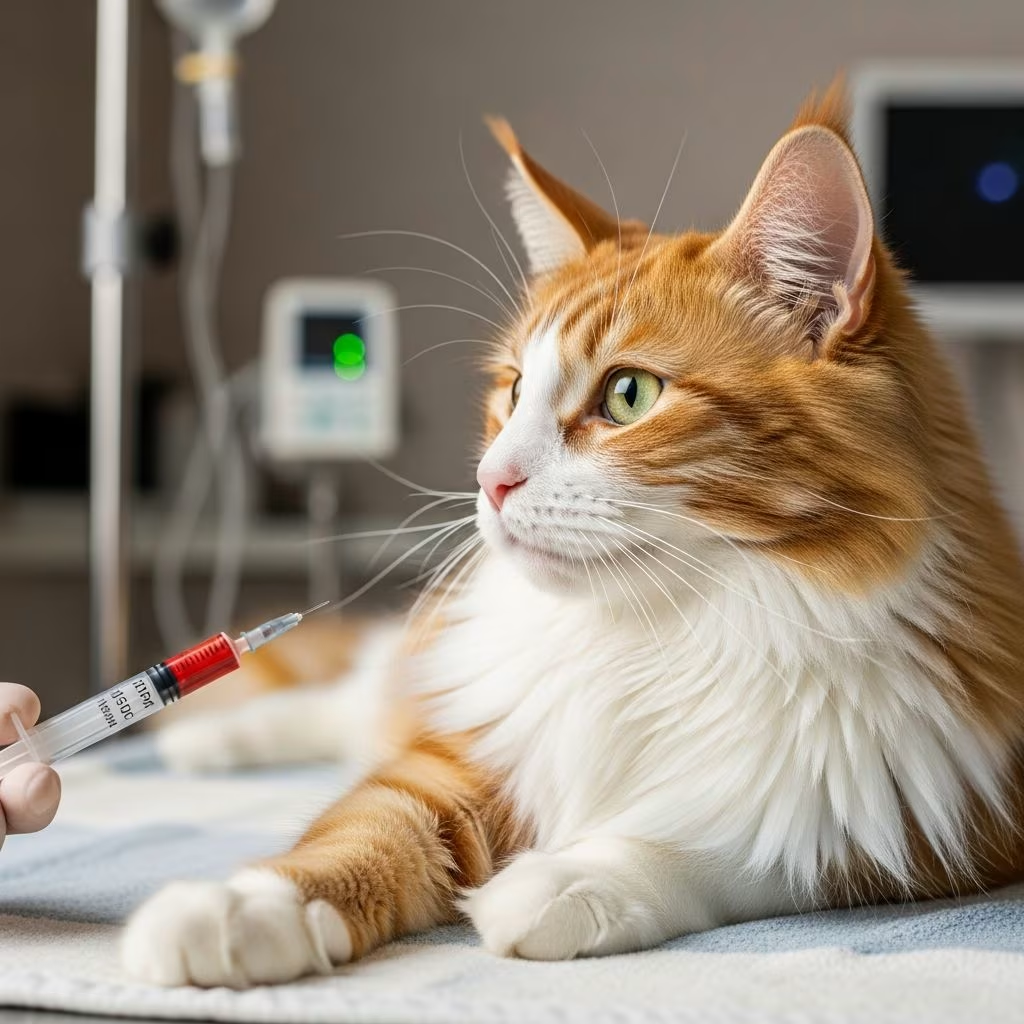
Chronic kidney disease (CKD) affects many cats, leading to anemia due to reduced erythropoietin (EPO) production. EPO therapy stimulates red blood cell production, alleviating fatigue and improving vitality in affected felines.
Understanding Anemia in Feline CKD
Anemia in cats with kidney failure arises primarily from insufficient EPO, a hormone produced by healthy kidneys that signals bone marrow to generate red blood cells. As CKD progresses, damaged kidneys produce less EPO, resulting in non-regenerative anemia where bone marrow fails to replace aging red cells adequately. This condition manifests as lethargy, pale gums, rapid breathing, and diminished appetite, severely impacting quality of life.
Additional factors exacerbate anemia, including shortened red blood cell lifespan due to uremic toxins, chronic inflammation, and iron dysregulation. Cats often develop functional iron deficiency, where high hepcidin levels block iron absorption despite adequate stores. Early detection through blood tests like packed cell volume (PCV) or hematocrit is crucial for timely intervention.
The Critical Role of Erythropoietin
EPO binds to receptors on bone marrow progenitor cells, promoting their differentiation into mature red blood cells. In healthy cats, kidney peritubular cells sense low oxygen levels via hypoxia-inducible factor (HIF), triggering EPO release. CKD disrupts this pathway, as failing kidneys cannot respond to hypoxia effectively.
Restoring EPO levels addresses the root cause, unlike supportive measures such as blood transfusions, which offer only temporary relief. Therapies mimicking or stimulating EPO production enhance oxygen-carrying capacity, boosting energy, appetite, and overall well-being.
Evolution of EPO Treatments for Cats
Initial attempts used recombinant human EPO (rHuEPO), which temporarily raised hematocrit and improved clinical signs like strength and activity. However, its use declined due to high immunogenicity; cats developed antibodies causing pure red cell aplasia in 20-70% of cases, sometimes within months. Side effects included hypertension, seizures, vomiting, and injection-site reactions.
Darbepoetin, a hyperglycosylated second-generation ESA with longer half-life, became the preferred option. It shows lower antigenicity, with studies reporting 56% response rates in cats maintaining PCV ≥25% for weeks. Despite benefits, risks persist: hypertension in many cases, potential seizures, and non-response in cats with comorbidities.
Breakthrough: HIF-PH Inhibitors
Recent advances introduce hypoxia-inducible factor-prolyl hydroxylase (HIF-PH) inhibitors, revolutionizing anemia management. These oral drugs stabilize HIF even in oxygenated conditions, boosting endogenous EPO production and improving iron mobilization by suppressing hepcidin.
Molidustat (Varenzin-CA1), FDA-conditionally approved in 2023, is the first such drug for cats. Administered as an oral suspension, it stimulates kidney EPO release, prompting bone marrow to produce red cells without direct injection. Early data indicate increased hematocrit without the immunogenicity of ESAs.
Comparing Anemia Treatment Options
| Treatment | Mechanism | Pros | Cons | Approval Status |
|---|---|---|---|---|
| rHuEPO | Direct EPO replacement | Quick hematocrit rise | High antibody risk (20-70%), hypertension | Not recommended |
| Darbepoetin | Long-acting EPO analog | 56% response rate, better tolerance | Hypertension, seizures, off-label | Commonly used |
| Molidustat (HIF-PHI) | Stimulates natural EPO | Oral, low immunogenicity, iron benefits | New, long-term data pending | FDA conditional |
| Blood Transfusion | Direct RBC supply | Immediate relief | Temporary, risks of reaction | Supportive |
Implementing EPO Therapy Safely
Before starting, veterinarians assess PCV (target >25%), iron status via TSAT, and blood pressure. Subcutaneous darbepoetin injections begin at 0.45-1 mcg/kg weekly, titrated based on response. For molidustat, dosing follows label instructions, often starting low to monitor efficacy.
- Monitor PCV biweekly initially, then monthly.
- Control hypertension with amlodipine if needed.
- Supplement iron if deficient, avoiding overload.
- Watch for non-response, indicating comorbidities.
Combining with renal diets low in phosphorus and protein extends survival and supports therapy. Phosphate binders like lanthanum carbonate further aid management.
Potential Side Effects and Monitoring
ESA therapies risk hypertension (up to 100% in some studies), necessitating regular checks. Seizures, polycythemia from over-stimulation, and rare pure red cell aplasia require vigilance. HIF-PHIs may offer fewer issues but demand ongoing evaluation for hypertension or gastrointestinal upset.
Owners should track appetite, energy, gum color, and breathing. Routine vet visits ensure adjustments, preventing complications.
Holistic CKD Management Beyond EPO
EPO targets anemia, but comprehensive care includes hydration via subcutaneous fluids, anti-nausea meds, potassium supplements for hypokalemia, and blood pressure control. Renal diets reduce toxin buildup, while ACE inhibitors like benazepril benefit proteinuric cats.
Staging CKD via IRIS guidelines guides prognosis; early intervention prolongs life, with many cats surviving years on therapy.
Future Directions in Feline Anemia Care
Species-specific EPO via gene therapy shows promise in labs, potentially eliminating immunogenicity. Ongoing trials for HIF-PHIs will refine protocols. Personalized medicine, factoring genetics and comorbidities, promises better outcomes.
Frequently Asked Questions
What causes anemia in cats with kidney disease?
Primarily low EPO production by damaged kidneys, plus iron issues and inflammation.
Is darbepoetin safe for long-term use?
Many cats tolerate it well, but monitor for hypertension and response; not all improve.
How does molidustat differ from injections?
Oral administration stimulates natural EPO, reducing injection stress and antibody risks.
Can diet alone fix anemia?
No, but renal diets support therapy by managing phosphorus and protein.
When should I start EPO therapy?
When PCV drops below 25% with clinical signs, per vet recommendation.
References
- Managing anemia in cats with chronic kidney disease — dvm360. 2023. https://www.dvm360.com/view/managing-anemia-in-cats-with-chronic-kidney-disease
- Treatment of anemia in cats with chronic kidney disease — EveryCat Health Foundation. 2023. https://everycat.org/cat-health/treatment-of-anemia-in-cats-with-chronic-kidney-disease/
- Feline CKD: Current therapies – what is achievable? — PMC – NIH. 2024-01-15. https://pmc.ncbi.nlm.nih.gov/articles/PMC10816691/
- New therapeutic approaches to management of anemia and iron deficiency in cats with CKD — IRIS Kidney. 2024. https://www.iris-kidney.com/treatment-of-anemia-in-cats-with-ckd
- FDA Conditionally Approves First Drug for Anemia in Cats with Chronic Kidney Disease — U.S. Food and Drug Administration. 2023-05-01. https://www.fda.gov/news-events/press-announcements/fda-conditionally-approves-first-drug-anemia-cats-chronic-kidney-disease



