

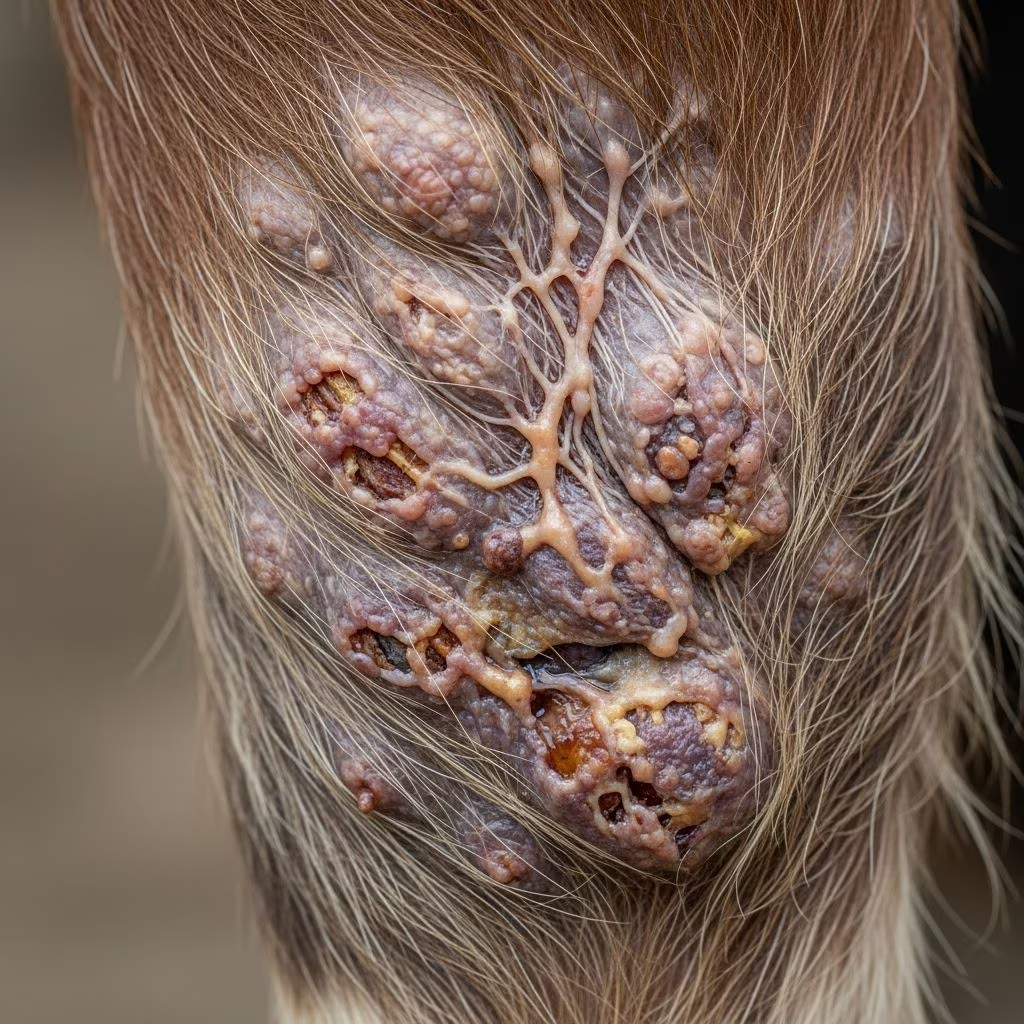
Epizootic lymphangitis represents a significant health challenge for equine species, particularly in regions where working animals are vital to agriculture and transportation. This chronic condition, driven by a specialized fungal pathogen, leads to severe inflammation of lymphatic structures, compromising animal welfare and productivity.
The Pathogen Behind the Disease
At the core of epizootic lymphangitis is Histoplasma capsulatum var. farciminosum, a dimorphic fungus capable of existing in both mycelial and yeast forms. In the environment, it thrives as a saprophyte in soil enriched with organic matter, transitioning to yeast-like cells within host tissues. This adaptability enables it to evade immune responses and establish persistent infections.
Unlike its human-pathogenic counterpart, this variant primarily targets equids such as horses, donkeys, and mules, with rare reports in other species like camels or cattle. Its contagious nature stems from direct contact with infected discharges or contaminated fomites, making it a concern in densely housed working animals.
Geographical Spread and Risk Factors
The disease prevails in tropical and subtropical zones, including parts of Africa (notably Ethiopia), the Middle East, Asia, and Russia. Poor hygiene, shared harnesses, and wounds from trauma facilitate transmission. Working equids in carting or plowing roles face heightened exposure due to frequent skin abrasions and communal stabling.
- Endemic hotspots: Ethiopia reports high prevalence, impacting equine-dependent economies.
- Transmission routes: Skin wounds, inhalation of spores, or ocular exposure via flies.
- Risk amplifiers: Malnutrition, concurrent infections, and lack of veterinary access.
Recognizing Clinical Manifestations
Symptoms emerge weeks to months post-infection, with cutaneous involvement dominating. Freely movable nodules appear along superficial lymphatics, especially on limbs, neck, and chest, progressing to ulceration with creamy, caseous discharge. Affected nodes enlarge, harden, and fuse with overlying skin, causing lameness and debilitation.
Three primary forms exist:
- Cutaneous (most prevalent): Pyogranulomatous dermatitis with cord-like lymphatic swelling; common in donkeys.
- Ocular: Conjunctival granulomas, blepharospasm, lacrimal duct obstruction, and eyelid edema.
- Respiratory: Rare but severe; sinusitis, pneumonia from inhaled spores, leading to nasal discharge and dyspnea.
Animals exhibit weight loss, muscle wasting, and pain-induced reluctance to work, though fever is absent. Mortality remains low (under 15%), but morbidity severely curtails utility.
Pathological Changes in Affected Tissues
Histologically, lesions feature granulomatous inflammation with encapsulated, ovoid yeasts showing narrow-based budding inside macrophages. Chronic cases yield thick, fibrotic skin fused to subcutis, impairing lymphatic drainage. Bones and joints may erode in advanced limb involvement.
| Form | Key Lesions | Common Sites |
|---|---|---|
| Cutaneous | Nodules, ulcers, cord-like vessels | Legs, neck, face |
| Ocular | Granulomas, discharge | Conjunctiva, eyelids |
| Respiratory | Pyogranulomas, consolidation | Lungs, sinuses |
Diagnostic Approaches
Presumptive diagnosis relies on pathognomonic signs in endemic areas: nodular lymphangitis with characteristic exudate. Confirmation demands lab work.
- Microscopy: Giemsa or PAS-stained smears reveal 2-4 µm double-contoured yeasts.
- Culture: Sabouraud agar yields mycelial growth at 25°C, converting to yeast at 37°C.
- Serology: ELISA, agglutination tests; cross-reactivity with other fungi possible.
- Intradermal test: Histofarcin antigen induces hypersensitivity in sensitized equids.
Differentiate from glanders, sporotrichosis, or bacterial lymphangitis via organism visualization.
Treatment Challenges and Protocols
No curative regimen exists; management aims at lesion resolution and contagion control. Economic constraints in endemic zones favor iodides.
- Antifungals: Amphotericin B (IV), itraconazole, or fluconazole; prolonged courses needed.
- Iodides: Sodium iodide IV (20-40 mg/kg, weekly) plus oral potassium iodide; empirical but accessible.
- Supportive: Surgical debridement, wound care; euthanasia for generalized cases.
Success varies; early intervention yields better outcomes, but relapse is common.
Prevention and Control Measures
Eradication hinges on biosecurity and surveillance.
- Hygiene: Disinfect harnesses, isolate cases, treat wounds promptly.
- Vaccination: Experimental histofarcin vaccines show promise in reducing severity.
- Quarantine: Test imports from endemic areas; intradermal or serological screening.
- Culling: In outbreaks, depopulate advanced cases to curb spread.
Economic and Welfare Implications
In Ethiopia and similar settings, epizootic lymphangitis slashes draft animal output by 50-70%, exacerbating poverty. Affected equids endure chronic pain, necessitating humane endpoints. Global trade restrictions further isolate endemic nations.
Emerging Research Directions
Recent studies (2024) delineate four disease variants, refining diagnostics. Molecular typing of strains aids epidemiology, while novel azoles and nanoparticles enhance therapy. Vaccine trials in field conditions offer hope for control.
Frequently Asked Questions (FAQs)
What animals are most at risk for epizootic lymphangitis?
Horses, donkeys, and mules in working capacities within endemic regions.
Is epizootic lymphangitis zoonotic?
Rarely; primarily equine-specific, though isolated human cases reported.
How long is the incubation period?
3 weeks to 12 months, varying by exposure form.
Can the disease be fatal?
Mortality low (<15%), but severe debilitation common.
What is the gold standard for diagnosis?
Direct visualization of characteristic yeasts in exudates.
This fungal scourge underscores the need for vigilant veterinary oversight in equine populations. Early detection and integrated control can mitigate its toll.
References
- Epizootic Lymphangitis in Animals — Merck Veterinary Manual. 2023. https://www.merckvetmanual.com/infectious-diseases/fungal-infections/epizootic-lymphangitis-in-animals
- Review on Equine Epizootic Lymphangitis and its Impact in Ethiopia — JSciMed Central, Journal of Veterinary Medicine and Research. 2019-11-01. https://www.jscimedcentral.com/jounal-article-info/Journal-of-Veterinary-Medicine-and-Research/Review-on-Equine-Epizootic–Lymphangitis-and-its-Impact-in–Ethiopia-2619
- Epizootic Lymphangitis Factsheet — Center for Food Security and Public Health, Iowa State University. 2016. https://www.cfsph.iastate.edu/Factsheets/pdfs/epizootic_lymphangitis.pdf
- Epizootic Lymphangitis Manual — World Organisation for Animal Health (WOAH). 2013. https://www.woah.org/fileadmin/Home/fr/Health_standards/tahm/3.05.04_EPIZ_LYMPHANGITIS.pdf
- Epizootic Lymphangitis — Equine Disease Communication Center. 2023. https://www.equinediseasecc.org/epizootic-lymphangitis



