

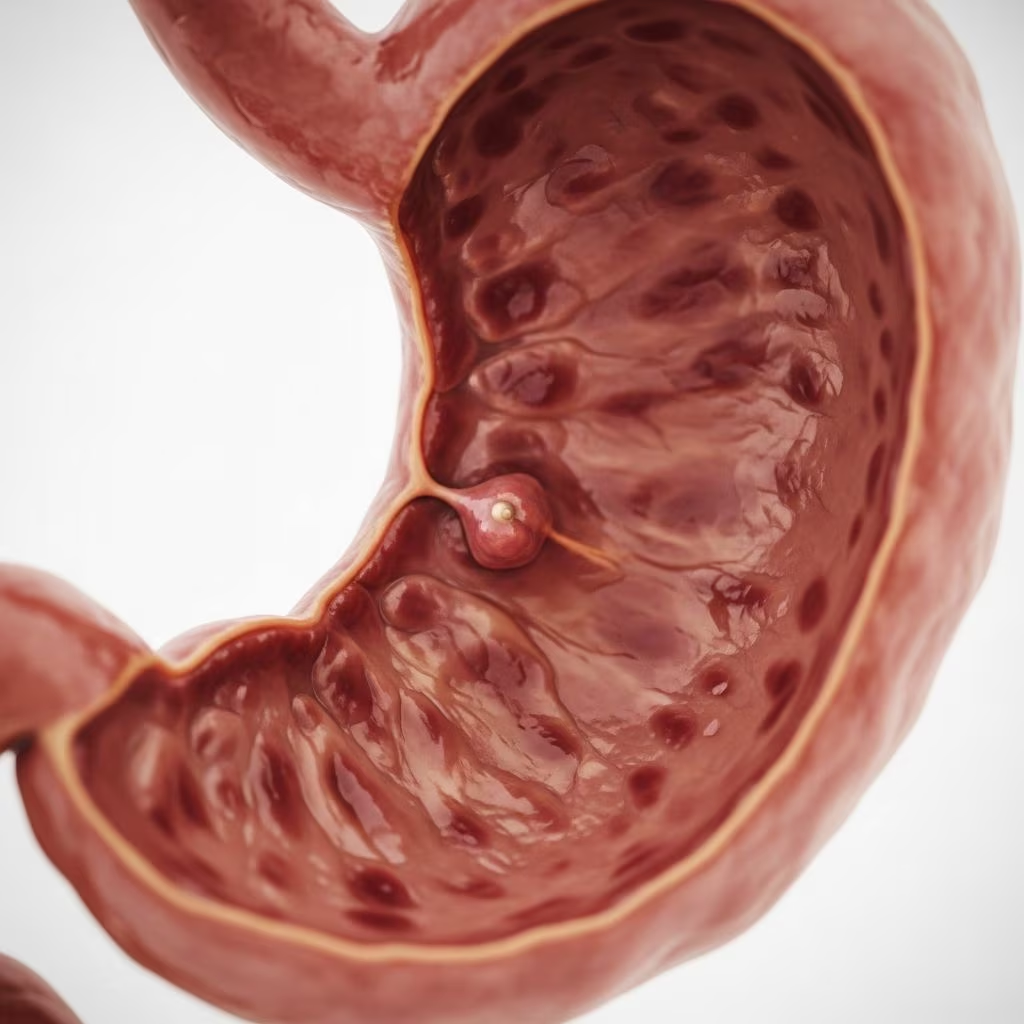
Understanding Epithelial Stomach Tumors in Pets
Epithelial stomach tumors, commonly referred to as gastric neoplasms, represent a significant health concern for both dogs and cats. These tumors originate from the epithelial cells lining the stomach and can range from benign to highly aggressive malignant growths. Among the various types of stomach cancers, adenocarcinomas are the most frequently encountered epithelial tumors, accounting for the majority of gastric malignancies in companion animals. Understanding the characteristics, clinical presentation, and treatment options for these tumors is essential for pet owners and veterinary professionals alike.
Types of Epithelial Stomach Tumors
Epithelial stomach tumors encompass several distinct pathological entities, each with unique biological behaviors and treatment implications. The most common type is gastric adenocarcinoma, which arises from the glandular tissue of the stomach lining. These tumors are typically aggressive and have a high propensity for local invasion and distant metastasis. Adenocarcinomas account for the vast majority of malignant gastric neoplasms in dogs and cats, and they are usually diagnosed at an advanced stage of disease.
Other epithelial tumors that can develop in the stomach include carcinomas of various histological grades. These tumors may vary in their biological behavior, with some displaying more indolent growth patterns while others demonstrate rapid progression and early metastatic spread. The specific histological type and grade of the tumor play crucial roles in determining prognosis and guiding treatment decisions.
Clinical Signs and Symptoms
Pets with epithelial stomach tumors often present with nonspecific gastrointestinal signs that can mimic various other conditions. Recognizing these clinical indicators is vital for early detection and intervention. The following signs should prompt veterinary evaluation:
- Vomiting: The most common clinical sign, often occurring shortly after meals. Vomiting may be projectile in nature and can increase in frequency as the disease progresses.
- Hematemesis: Vomiting of blood or blood-tinged material, indicating ulceration of the gastric mucosa or active bleeding from the tumor.
- Melena: Black, tarry stools resulting from gastrointestinal bleeding and the digestion of blood in the upper gastrointestinal tract.
- Anorexia: Significant decrease in appetite or complete loss of appetite, often related to abdominal pain and nausea.
- Weight Loss: Progressive weight loss despite feeding, resulting from reduced nutrient intake and increased metabolic demands.
- Lethargy: Decreased activity levels and general malaise.
- Abdominal Pain: Subtle signs of discomfort such as reluctance to move, altered posture, or behavioral changes.
- Drooling: Excessive salivation, sometimes observed in advanced cases.
The severity and progression of these clinical signs often correlate with tumor size, stage, and the presence of complications such as gastric obstruction or perforation. Chronic gastrointestinal bleeding can lead to iron deficiency anemia, which may be either regenerative or non-regenerative depending on the chronicity and severity of blood loss.
Pathophysiology and Complications
Epithelial stomach tumors cause clinical signs through several mechanisms. Ulceration of the gastric mucosa is a common feature of these tumors, resulting in direct hemorrhage and inflammation. This ulceration contributes to hematemesis and melena, and chronic blood loss can precipitate iron deficiency anemia. Additionally, tumors may obstruct the gastric outlet or pylorus, preventing normal gastric emptying and leading to persistent vomiting and weight loss. In some cases, tumors can perforate the gastric wall, resulting in acute peritonitis, which constitutes a surgical emergency. The tumor’s growth and inflammatory response also trigger nausea and abdominal pain, further reducing appetite and nutrient absorption.
Diagnostic Evaluation
A comprehensive diagnostic approach is essential for confirming gastric neoplasia and staging the disease. The diagnostic workup typically includes:
- Physical Examination: Assessment of body condition score, abdominal palpation for pain or masses, and evaluation of hydration status and mucous membrane color.
- Complete Blood Count (CBC): Evaluation for anemia (often microcytic and hypochromic secondary to iron deficiency), leukocytosis, or other hematological abnormalities.
- Serum Chemistry Panel: Assessment of organ function, electrolyte abnormalities, and nutritional status.
- Abdominal Radiographs: Initial imaging to evaluate gastric size, presence of foreign material, and evidence of gastric outlet obstruction.
- Abdominal Ultrasound: Superior for identifying gastric wall thickening, mass lesions, and assessing for metastatic disease to regional lymph nodes and abdominal organs.
- Endoscopy: Allows direct visualization of the gastric mucosa and acquisition of tissue samples for histopathological diagnosis. This is the gold standard for confirmation of gastric neoplasia.
- Tissue Biopsy: Endoscopic or surgical biopsy is required for definitive histological diagnosis and grading of the tumor.
- Advanced Imaging: Computed tomography (CT) or magnetic resonance imaging (MRI) may be recommended in selected cases to better define tumor margins and assess for distant metastases.
Staging the Disease
Once a diagnosis of epithelial gastric tumor is confirmed, staging is critical for prognostication and treatment planning. Staging involves determining the extent of local disease and identifying evidence of metastatic spread. This may include evaluation of regional lymph nodes, assessment for peritoneal or pleural effusion, and imaging of the thorax to rule out pulmonary metastases. The TNM (tumor, node, metastasis) classification system is often applied to guide staging and prognosis.
Treatment Options
The management of epithelial stomach tumors requires a multimodal approach tailored to the individual patient’s stage of disease, overall health status, and owner preferences.
Surgical Treatment
Surgical resection remains the primary treatment modality for epithelial gastric tumors. In dogs with gastric adenocarcinomas without overt evidence of metastatic disease, surgery offers the best opportunity for disease control and improved survival. The surgical approach typically involves partial gastrectomy, with removal of the affected portion of the stomach and a margin of normal tissue. Frequently, a portion of the proximal small intestine is also resected. The remaining stomach is then surgically reconnected to the small intestine using a procedure known as a Bilroth type I anastomosis.
Surgical resection provides several benefits, including removal of the primary tumor mass, relief of gastric obstruction if present, and acquisition of tissue for accurate histological grading and staging. However, due to the aggressive nature of many gastric adenocarcinomas and their propensity for early metastatic spread, complete surgical cure is rarely achieved. Even in cases with locally extensive or metastatic disease, palliative surgery may still be recommended to relieve gastric obstruction and improve quality of life.
Perioperative care is essential for successful outcomes. Patients typically receive intravenous fluid therapy, broad-spectrum antibiotics, and antiemetic medications during hospitalization. Most animals remain hospitalized for 2-3 nights following surgery, during which they are monitored closely for postoperative complications.
Chemotherapy
The role of adjuvant chemotherapy in the management of gastric adenocarcinomas remains controversial and incompletely defined. Reliably effective chemotherapeutic protocols specifically for gastric adenocarcinomas have not been definitively established, although numerous agents and combinations have been investigated. Various chemotherapy drugs have been employed in clinical practice, including carboplatin, doxorubicin, and other cytotoxic agents, with variable results and modest survival benefits in some cases.
When chemotherapy is recommended, it is typically administered intravenously on an outpatient basis every 2-3 weeks for a total of 4-5 treatments. Each treatment session may take 1-2 hours to complete. Unlike in humans, dogs and cats rarely experience significant hair loss from chemotherapy. Most animals tolerate chemotherapy reasonably well, with mild gastrointestinal side effects such as transient anorexia and vomiting being the most commonly observed adverse effects. Consultation with a board-certified veterinary oncologist is invaluable in determining the most appropriate chemotherapeutic approach for an individual patient.
Palliative and Supportive Care
For patients in which surgery is not possible or is declined by the owner, or for patients with advanced metastatic disease, palliative care becomes the primary focus. This may include:
- Non-Steroidal Anti-Inflammatory Drugs (NSAIDs): These agents may provide some benefit in certain patients, particularly those with carcinomas. However, their use must be carefully considered given the increased risk of mucosal ulceration in animals already predisposed to this complication. The role of NSAIDs in gastric adenocarcinoma has not been thoroughly investigated.
- Antiemetic Medications: Drugs such as metoclopramide, ondansetron, or maropitant can help control nausea and vomiting, improving appetite and quality of life.
- Gastroprotective Agents: Proton pump inhibitors or H2 receptor antagonists may reduce gastric acid production and protect the gastric mucosa from further ulceration.
- Pain Management: Appropriate analgesia is essential for maintaining comfort and quality of life.
- Nutritional Support: Dietary modifications, appetite stimulants, and nutritional supplementation may help maintain weight and nutritional status.
- Steroids: In some cases, corticosteroids such as prednisolone may provide anti-inflammatory benefits and improve overall comfort, with effects sometimes noted within 1-2 days.
Prognosis and Survival
The prognosis for epithelial gastric tumors, particularly adenocarcinomas, is generally guarded to poor. In untreated animals, median survival time is approximately one month. Even with aggressive surgical intervention, median survival times vary considerably depending on tumor stage, grade, and response to treatment. Some dogs treated with surgery and chemotherapy have achieved survival times extending beyond 30 months in select cases, though this is not representative of typical outcomes. Dogs with metastatic disease present a particularly poor prognosis, with limited treatment options and significantly reduced survival expectations.
Special Considerations in Cats
Epithelial gastric tumors in cats present similar clinical signs and diagnostic challenges as in dogs. However, cats may present with somewhat different symptomatology, and they often demonstrate variable tolerance to different chemotherapeutic protocols. The grade of the lymphosarcoma, when present, significantly influences the selection of chemotherapeutic agents. Consultation with a veterinary oncologist familiar with feline oncology is particularly valuable for cats with gastric neoplasia.
Frequently Asked Questions
Q: What is the most common type of epithelial stomach tumor in pets?
A: Gastric adenocarcinoma is by far the most common epithelial stomach tumor in both dogs and cats. These are aggressive malignant tumors that typically originate from the glandular tissue of the stomach lining.
Q: How is a stomach tumor diagnosed?
A: Diagnosis typically involves a combination of physical examination, blood work, imaging (radiographs and ultrasound), and endoscopy with tissue biopsy. Endoscopy with biopsy is the gold standard for confirming gastric neoplasia and determining the histological type.
Q: Can my pet be cured of a gastric epithelial tumor?
A: Complete cure is rarely achieved because metastasis is common in gastric adenocarcinomas. However, surgery can provide palliation and improve quality of life, and in some cases with early detection and aggressive treatment, extended survival times have been documented.
Q: What are the treatment options available?
A: Treatment options include surgical resection (the preferred primary treatment), chemotherapy (of variable efficacy), and palliative supportive care including antiemetics, gastroprotective agents, pain management, and nutritional support.
Q: What is the prognosis without treatment?
A: Without treatment, median survival time is approximately one month. With surgical and medical intervention, survival times can be extended, though the prognosis remains guarded overall.
Q: Will my pet lose hair from chemotherapy?
A: Unlike humans, dogs and cats rarely experience significant hair loss from chemotherapy. The most common side effects are mild gastrointestinal symptoms such as reduced appetite and occasional vomiting, which usually resolve quickly.
Q: How long will my pet need to stay in the hospital after surgery?
A: Most pets remain hospitalized for 2-3 nights following gastric surgery. During this time, they receive intravenous fluids, antibiotics, and antiemetic medications while being monitored for postoperative complications.
References
- Gastric Neoplasms in Dogs and Cats: Clinical Features and Treatment — DVM360. 2024. https://www.dvm360.com/view/gastric-neoplasms-dogs-and-cats-proceedings
- Canine Gastric Cancer: Current Treatment Approaches — National Center for Biotechnology Information (NIH). 2024. https://pmc.ncbi.nlm.nih.gov/articles/PMC9394467/
- Stomach Tumors in Dogs and Cats: Surgical and Medical Management — Animal Surgical Center. 2024. https://www.animalsurgicalcenter.com/stomach-tumors-in-dogs-and-cats
- Intestinal Cancer (Adenocarcinoma) in Dogs: Diagnosis and Treatment — PetMD. 2024. https://www.petmd.com/dog/conditions/cancer/c_dg_adenocarcinoma_stomach_intestine_rectal
- Diagnosis and Treatment of Canine Intestinal Tumours — Veterinary Practice. 2024. https://www.veterinary-practice.com/article/diagnosis-and-treatment-of-canine-intestinal-tumours
- A Pet Owners Guide to Stomach Cancer in Dogs — Total.Vet. 2024. https://total.vet/stomach-cancer-in-dogs/



