

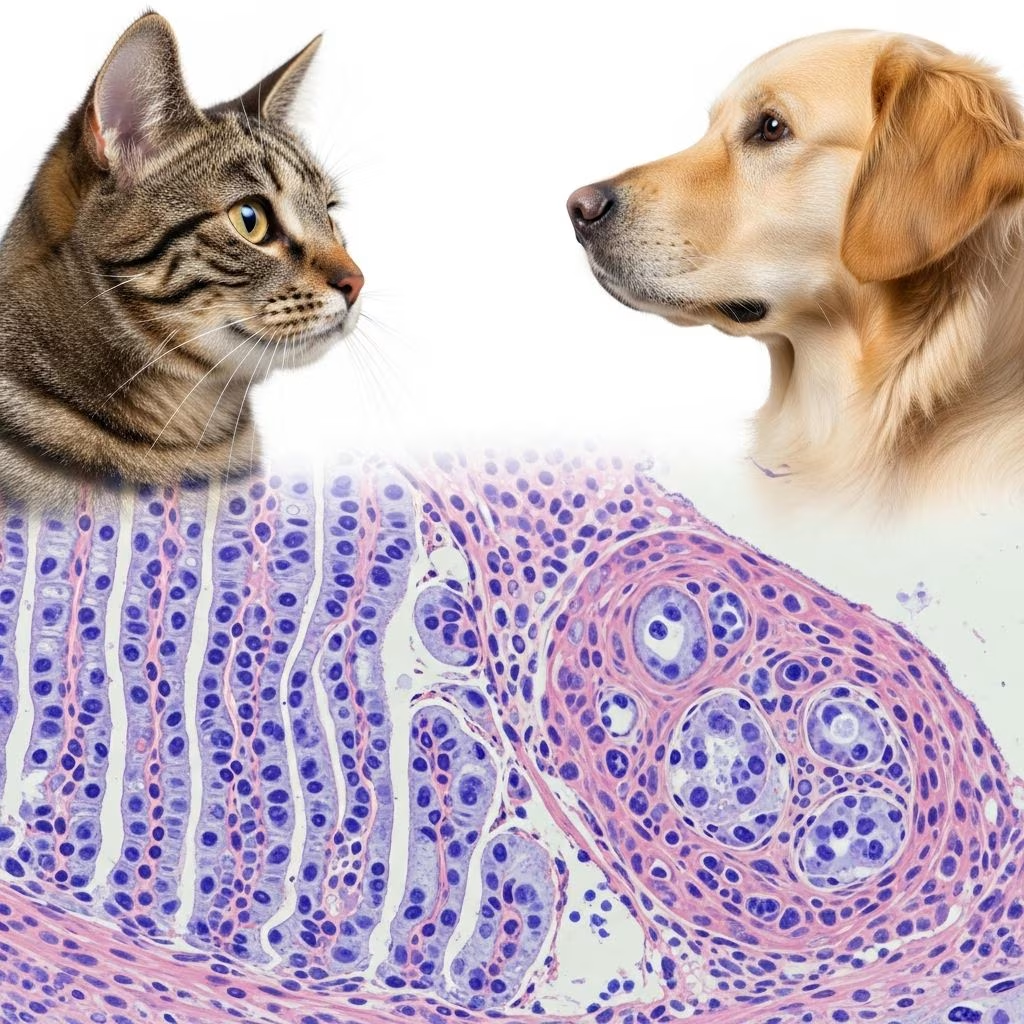
Epithelial Stomach Tumors in Dogs and Cats
Epithelial stomach tumors represent a significant health concern in companion animals, particularly in dogs and cats. These malignant neoplasms arise from the epithelial lining of the stomach and constitute a serious oncological challenge in veterinary medicine. Adenocarcinomas are the most common type of epithelial stomach tumor encountered in clinical practice. Understanding the nature of these tumors, recognizing clinical signs, and implementing appropriate diagnostic and therapeutic strategies are essential for veterinarians and pet owners alike.
What are Epithelial Stomach Tumors?
Epithelial stomach tumors originate from the cells lining the gastric mucosa and submucosa. These tumors typically develop in the region of the gastric antrum and pylorus, though they can occur anywhere within the stomach. Adenocarcinomas represent the predominant histological type among epithelial gastric neoplasms. These are inherently malignant lesions with a significant propensity for metastatic spread to regional lymph nodes, liver, and peritoneal surfaces.
The pathophysiology of epithelial stomach tumors involves progressive neoplastic transformation of the gastric epithelium. As tumors enlarge, they frequently cause ulceration of the overlying mucosa, leading to hemorrhage and subsequent complications. This ulcerative tendency distinguishes gastric adenocarcinomas from other gastric neoplasms and contributes substantially to the clinical manifestations observed in affected animals.
Clinical Signs and Presentation
Animals with epithelial stomach tumors typically present with a constellation of clinical signs reflecting the underlying pathology. The most common presenting complaint is chronic vomiting, which may be intermittent or persistent. Vomiting often occurs shortly after feeding and may contain blood-tinged material, indicating mucosal ulceration and hemorrhage.
Additional clinical manifestations include:
- Hematemesis (vomiting blood)
- Melena (dark, tarry stools indicating gastrointestinal bleeding)
- Progressive anorexia and inappetence
- Significant weight loss despite continued feeding attempts
- Abdominal pain or discomfort
- Lethargy and decreased activity levels
- Pallor of mucous membranes due to chronic blood loss
The severity and progression of clinical signs correlate with tumor size, degree of mucosal ulceration, and extent of metastatic disease. Some animals may present acutely with signs of gastric obstruction or perforation, representing oncological emergencies requiring immediate intervention.
Diagnostic Evaluation
Physical Examination and Laboratory Assessment
Initial evaluation begins with a thorough physical examination, which may reveal weight loss, abdominal pain, and pale mucous membranes. Laboratory studies typically demonstrate iron deficiency anemia, either regenerative or non-regenerative, resulting from chronic gastrointestinal blood loss. Complete blood counts may reveal microcytic, hypochromic erythrocytes characteristic of iron deficiency. Serum chemistry panels help assess organ function and identify any paraneoplastic manifestations.
Imaging Diagnostics
Abdominal radiography may reveal gastric wall thickening, though this finding is nonspecific. Ultrasonography provides superior soft tissue definition and can demonstrate focal or diffuse gastric wall changes, regional lymphadenopathy, and evidence of metastatic disease within the liver and peritoneal cavity. Contrast radiography using barium may highlight gastric wall irregularities and partial obstruction patterns.
Endoscopy and Biopsy
Gastroscopy represents the gold standard diagnostic procedure for epithelial stomach tumors. Direct visualization of the gastric mucosa allows identification of mass lesions, assessment of ulceration, and acquisition of tissue samples for histopathological diagnosis. Multiple biopsies should be obtained from the tumor margin and apparently normal tissue to ensure adequate sampling. Endoscopic biopsy provides definitive diagnosis in most cases and guides subsequent therapeutic decision-making.
Prognosis Factors
Several factors influence the prognosis of animals with epithelial stomach tumors. Tumor stage at presentation represents the most significant prognostic indicator. Animals with tumors confined to the gastric wall and without evidence of metastatic spread have substantially better outcomes than those with locally extensive disease or distant metastases.
Additional prognostic considerations include:
- Tumor size and degree of gastric wall invasion
- Status of regional lymph nodes
- Presence or absence of peritoneal involvement
- Overall health status and comorbidities
- Performance status prior to treatment
- Histological grade and differentiation
The prognosis for epithelial stomach tumors remains guarded overall, as metastatic disease is commonly present at diagnosis in many animals. However, aggressive surgical intervention combined with appropriate adjunctive therapy can provide meaningful palliation and prolonged survival in select cases.
Treatment Options
Surgical Management
Surgical resection represents the primary treatment modality for epithelial stomach tumors, particularly in animals without overt evidence of metastatic disease. The surgical approach typically involves partial gastrectomy, removing the affected portion of the stomach along with adequate margins. When tumors involve the gastric antrum and pylorus, the distal stomach and proximal duodenum are resected, requiring gastroduodenostomy (Billroth Type I procedure) to restore continuity.
Regional lymph nodes should be evaluated during surgical exploration and submitted for histopathological examination, as nodal status carries significant prognostic and therapeutic implications. The peritoneal cavity should be thoroughly explored to identify and biopsy any suspicious lesions. Complete surgical staging enhances treatment planning and prognostication.
Perioperative management includes appropriate anesthesia protocols tailored to the individual animal’s medical status, judicious fluid therapy, broad-spectrum antibiotic coverage, and perioperative analgesia. Most animals remain hospitalized for 48 to 72 hours postoperatively for monitoring and continued supportive care. Advancement of diet typically begins with small volumes of bland food within 24 to 48 hours, with gradual progression to maintenance nutrition.
Chemotherapy
Adjunctive chemotherapy may be considered following surgical resection, though reliably effective protocols specifically for gastric adenocarcinomas have not been definitively established. Carboplatin-based protocols have been employed in various dosing schedules, with variable outcomes. Doxorubicin and other chemotherapeutic agents have been investigated, though their efficacy in this context remains suboptimal.
Unlike human patients, dogs typically tolerate chemotherapy well with minimal side effects. Mild gastrointestinal disturbances such as transient anorexia and vomiting may occur but generally resolve with supportive care. Alopecia is uncommon in dogs receiving chemotherapy. Treatment protocols typically involve intravenous chemotherapy administered every two to three weeks for four to five cycles, delivered on an outpatient basis.
Alternative and Supportive Therapies
In animals where surgery is declined or not feasible, non-steroidal anti-inflammatory drugs (NSAIDs) have been considered, though their role in gastric tumor management remains investigational and controversial. NSAIDs carry inherent risk of exacerbating mucosal ulceration in animals already predisposed to this complication due to the underlying neoplasm.
Supportive care represents an essential component of therapy regardless of primary treatment approach. Anti-emetic medications, gastroprotectants including proton pump inhibitors and H2 antagonists, analgesics, and appetite stimulants help manage clinical signs and maintain quality of life. Nutritional support through high-quality, easily digestible diets, and potentially supplemental feeding through nasogastric or gastrostomy tubes in select cases, aids recovery and maintains nutritional status.
Survival and Outcomes
Median survival times for dogs with epithelial stomach tumors treated with surgery alone typically range from three to twelve months, with considerable variation based on tumor stage and individual factors. Animals with completely resected, non-metastatic tumors generally achieve longer survival times compared to those with incomplete resection or metastatic disease at presentation.
The addition of adjunctive chemotherapy may provide modest survival benefit in selected cases, though definitive evidence supporting specific protocols remains limited. Palliative surgical intervention in animals with locally advanced or metastatic disease can relieve gastric obstruction and provide temporary clinical improvement, though cure is rarely achieved in these circumstances.
Quality of life considerations should guide treatment decisions. Animals with excellent response to therapy may maintain good functional status for several months to over a year postoperatively. Conversely, animals with rapidly progressive disease or poor response to treatment may require euthanasia consideration within weeks to months of diagnosis.
Frequently Asked Questions
Q: What causes epithelial stomach tumors in dogs and cats?
A: The etiology of epithelial stomach tumors remains largely unknown. While chronic inflammation, certain dietary factors, and potential infectious agents have been investigated, no definitive causative agents have been identified. These appear to be sporadic neoplasms without clear breed or species predisposition patterns.
Q: Can epithelial stomach tumors be prevented?
A: Currently, no proven prevention strategies exist for epithelial stomach tumors. Maintaining optimal body weight, providing high-quality nutrition, and ensuring regular veterinary care may contribute to overall health but do not specifically prevent tumor development.
Q: How quickly do epithelial stomach tumors progress?
A: Progression rates vary considerably among individual animals. Some tumors grow slowly over months, while others progress rapidly over weeks. Early detection through attention to clinical signs facilitates more timely intervention.
Q: What is the survival rate for dogs undergoing surgery for stomach tumors?
A: Median survival after surgery ranges from three to twelve months depending on tumor stage and extent of metastatic disease. Animals with early-stage, completely resected tumors generally have more favorable outcomes than those with advanced disease.
Q: Are there any clinical trials available for stomach tumor treatment?
A: Ongoing research in veterinary oncology continues to investigate novel therapeutic approaches. Consultation with veterinary oncologists at academic institutions may provide access to investigational protocols or advanced treatment options.
Q: Can cats get epithelial stomach tumors like dogs?
A: Yes, cats develop epithelial stomach tumors, though less frequently than dogs. Clinical presentation and treatment principles are similar, though cats may present additional diagnostic and therapeutic challenges due to species-specific considerations.
References
- Gastric neoplasms in dogs and cats (Proceedings) — DVM360. 2024. https://www.dvm360.com/view/gastric-neoplasms-dogs-and-cats-proceedings
- Canine Gastric Cancer: Current Treatment Approaches — National Center for Biotechnology Information (NCBI/NIH). 2022. https://pmc.ncbi.nlm.nih.gov/articles/PMC9394467/
- Diagnosis and treatment of canine intestinal tumours — Veterinary Practice. 2024. https://www.veterinary-practice.com/article/diagnosis-and-treatment-of-canine-intestinal-tumours
- Stomach Tumors in Dogs and Cats — Animal Surgical Center. 2024. https://www.animalsurgicalcenter.com/stomach-tumors-in-dogs-and-cats
- Intestinal Cancer (Adenocarcinoma) in Dogs — PetMD. 2024. https://www.petmd.com/dog/conditions/cancer/c_dg_adenocarcinoma_stomach_intestine_rectal
- Vet Oncologist Online – Carcinomatosis in Dogs — The Pet Oncologist. 2024. https://www.thepetoncologist.com/blog/carcinomatosis-in-dogs



