

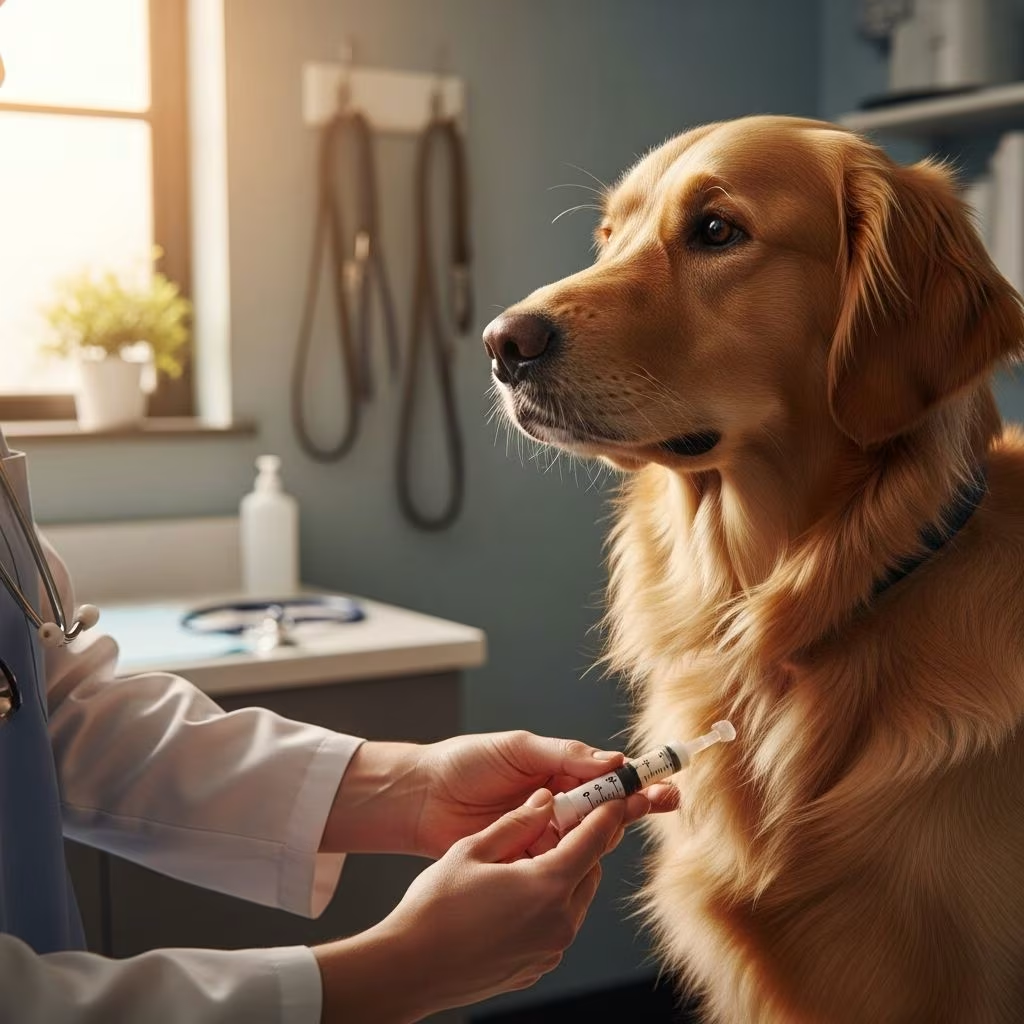
Epinephrine serves as a critical intervention for dogs experiencing life-threatening allergic reactions known as anaphylaxis. This hormone, also called adrenaline, rapidly counters severe symptoms by constricting blood vessels, opening airways, and bolstering heart function, potentially preventing fatalities during emergencies.
Understanding Anaphylaxis in Canines
Anaphylaxis represents a swift, systemic allergic response that can escalate within minutes of exposure to triggers. In dogs, this condition arises from an exaggerated immune reaction releasing histamines and other mediators, leading to widespread inflammation and organ dysfunction.
Common culprits include insect stings from bees or wasps, certain vaccines, medications like antibiotics, and foods such as beef or dairy in sensitized animals. Breeds like Labrador Retrievers and Golden Retrievers may show heightened susceptibility due to genetic predispositions toward allergies.
- Sudden onset: Symptoms appear rapidly post-exposure.
- Multi-system involvement: Affects skin, respiratory, cardiovascular, and gastrointestinal tracts.
- Potential lethality: Untreated cases can result in shock or cardiac arrest.
Recognizing Emergency Signs in Dogs
Pet owners must identify anaphylaxis promptly to initiate timely intervention. Initial signs often mimic milder allergies but intensify quickly.
| Stage | Symptoms | Severity |
|---|---|---|
| Mild | Itching, hives, facial swelling, vomiting | Localized reaction |
| Moderate | Difficulty breathing, pale gums, diarrhea, weakness | Systemic spread |
| Severe | Collapse, rapid shallow breaths, low blood pressure, unconsciousness | Life-threatening shock |
Observe for vomiting within 5-30 minutes of exposure, followed by lethargy or staggering. Respiratory distress manifests as wheezing or open-mouth breathing. Cardiovascular collapse shows as weak pulses and cold extremities.
Epinephrine: Mechanism of Action
Epinephrine mimics the body’s fight-or-flight response, binding to alpha and beta adrenergic receptors. It causes vasoconstriction to raise blood pressure, bronchodilation for easier breathing, and positive inotropic effects to strengthen heart contractions.
In veterinary contexts, it neutralizes histamine effects, stabilizes mast cells, and reduces vascular permeability. Administered promptly, it halts progression from mild hives to full anaphylactic shock.
Veterinary EpiPens: Availability and Limitations
No FDA-approved auto-injectors exist exclusively for dogs, unlike human EpiPens delivering fixed 0.15-0.3 mg doses. Human versions may be prescribed off-label for larger dogs (>15 kg), but dosing mismatches pose risks for smaller breeds.
Veterinarians often prefer customizable syringes over auto-injectors due to variable canine sizes and weights. Pre-filled syringes offer convenience but expire in 3-4 months, necessitating careful storage.
Proper Dosing Guidelines for Dogs
Dosage hinges on the dog’s weight, reaction severity, and administration route. Always secure veterinary prescription and instructions beforehand.
- Anaphylaxis (IM/SC): 0.01 mg/kg of 1:1000 solution (1 mg/mL), repeatable every 15 minutes if needed.
- CPR: Higher doses (0.01-0.02 mg/kg IV) every 3-5 minutes until response.
- IV infusion for shock: 0.05 mcg/kg/min, titrated to effect.
For a 20 kg dog, this equates to 0.2 mL IM initially. Calculate precisely: dose = (weight in kg × 0.01) mL of 1:1000 solution.
Administration Routes Explained
Multiple pathways ensure flexibility in emergencies.
- Intramuscular (IM): Thigh or shoulder muscle; rapid absorption, standard first-line.
- Subcutaneous (SC): Loose skin over scruff; suitable for milder cases.
- Intravenous (IV): Direct vein access in clinics for severe shock.
- Intranasal (IN): Emerging option; studies show comparable or superior pharmacokinetics with less tachycardia. Use 2-4 times IM dose due to partial absorption.
Instruct owners on technique: Use 25-27 gauge needle, aspirate to avoid vessels for IM/SC. For IN, instill into nostrils using a syringe without needle.
Step-by-Step Emergency Protocol
Act decisively while heading to a vet clinic.
- Remove trigger (e.g., stinger).
- Administer epinephrine per prescription.
- Position dog comfortably; keep calm.
- Monitor vitals: pulse, respiration, gum color.
- Follow with antihistamine (diphenhydramine 1-2 mg/kg) and steroids if directed.
- Rush to emergency vet for monitoring and supportive care like fluids, oxygen.
Even post-injection, biphasic reactions can occur hours later, mandating professional oversight.
Potential Side Effects and Risks
While lifesaving, epinephrine can provoke adverse effects from its potent stimulation.
- Cardiovascular: Tachycardia, arrhythmias, hypertension.
- Behavioral: Restlessness, tremors, panting.
- Gastrointestinal: Vomiting, salivation.
- Pulmonary: Rarely, pulmonary edema in overdoses.
Overdose risks pulmonary hemorrhage or necrosis at injection sites. Smaller dogs face amplified effects; titrate carefully.
Prevention Strategies for At-Risk Dogs
Proactive measures reduce anaphylaxis incidence.
- Pre-treat vaccines with antihistamines for history of reactions.
- Use allergy testing for food/medication avoidance.
- Insect repellents and protective clothing during outdoor activities.
- Maintain emergency kit: epinephrine syringe, Benadryl, vet contact info.
For recurrent cases, vets may recommend immunotherapy or alternative vaccines.
Storage and Shelf Life Essentials
Store epinephrine at room temperature (15-30°C), away from light and heat. Check expiration; discard if discolored or precipitated. Pre-filled syringes last 3-4 months refrigerated.
When to Consult a Veterinarian
Discuss epinephrine suitability if your dog has cardiac issues, hypertension, or glaucoma, as contraindications exist. Annual review ensures kit readiness. For travel, carry documentation.
FAQs
Can I use a human EpiPen on my dog?
Not recommended without vet guidance due to fixed dosing unsuitable for most dogs under 15 kg.
How quickly does epinephrine work in dogs?
Effects begin in 1-5 minutes IM, peaking at 10-20 minutes.
Is epinephrine safe for puppies?
Use cautiously; consult vet for adjusted micro-doses.
What if my dog doesn’t respond to the first dose?
Repeat after 15 minutes, but seek immediate vet care.
Can anaphylaxis recur after treatment?
Yes, biphasic reactions occur in up to 20% of cases; monitor 24-48 hours.
References
- Epinephrine Injectable – Severe Allergy Treatment — HardyPaw. 2023. https://hardypaw.com/products/epinephrine-injection-for-pets-50-ml-1mg-ml
- Anaphylaxis in Dogs and Cats – Signs, Diagnosis — Animal Emergency Australia. 2024. https://animalemergencyaustralia.com.au/blog/anaphylaxis-in-dogs-and-cats/
- Are There EpiPens for Dogs? Anaphylaxis Explained — Dogster. 2024. https://www.dogster.com/ask-the-vet/epipen-for-dogs
- Epinephrine (Adrenalin Chloride®) for Dogs and Cats — PetPlace. 2023. https://www.petplace.com/article/drug-library/drug-library/library/epinephrine-adrenalin-chloride-for-dogs-and-cats
- Intranasal epinephrine in dogs: Pharmacokinetic and heart rate effects — PMC (PubMed Central). 2020-04-15. https://pmc.ncbi.nlm.nih.gov/articles/PMC7164403/
- Anaphylactic Reactions (Type I, Atopy) – Dogs — Merck Veterinary Manual. 2024. https://www.merckvetmanual.com/dog-owners/immune-disorders-of-dogs/disorders-involving-anaphylactic-reactions-type-i-reactions-atopy-in-dogs



