

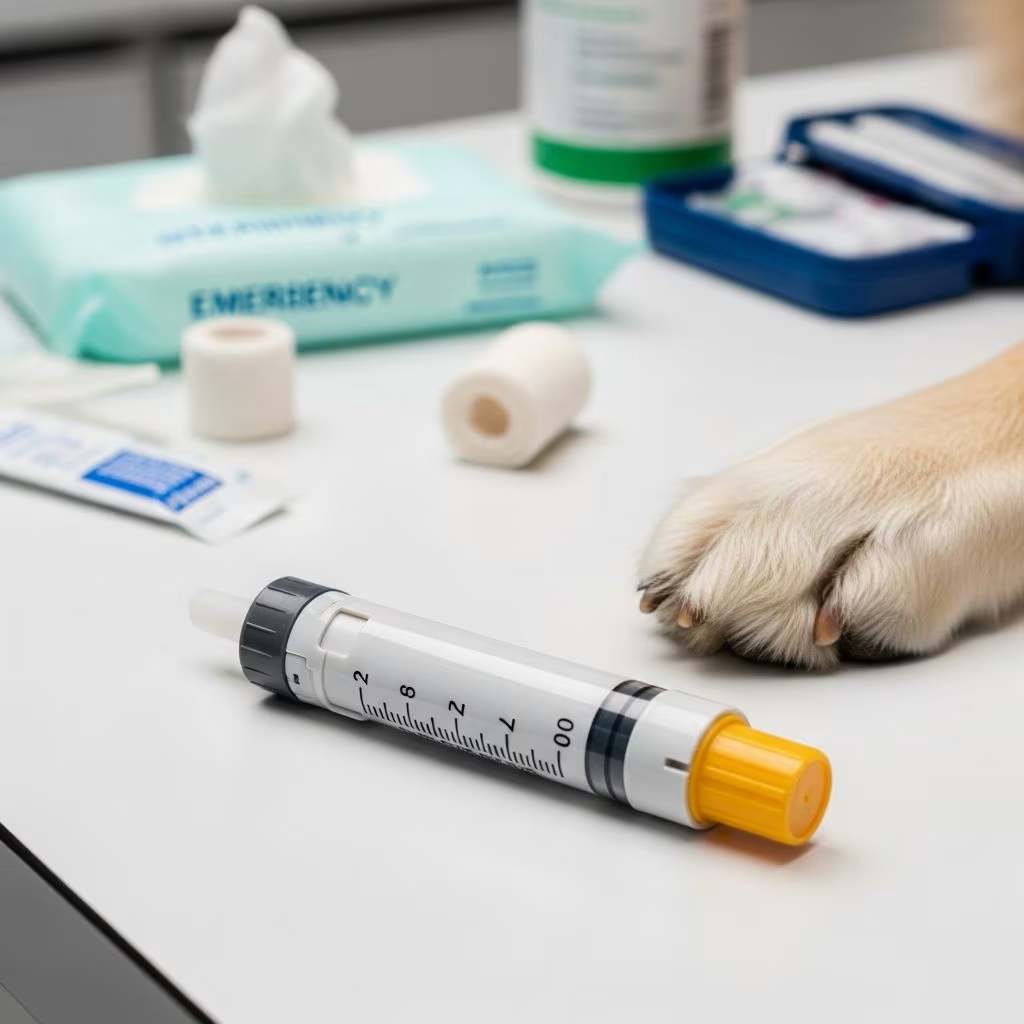
Understanding Epinephrine Auto-Injectors for Pets
Anaphylaxis is a severe, life-threatening allergic reaction that can occur in pets within minutes of exposure to an allergen. When your pet experiences anaphylaxis away from a veterinary clinic, rapid treatment becomes critical. Epinephrine auto-injectors, commonly known by brand names like EpiPen or EpiPen Jr, are emergency medical devices that deliver a precise dose of epinephrine to counteract the symptoms of anaphylaxis. These portable devices can mean the difference between life and death for your beloved companion during a medical emergency.
What is Anaphylaxis in Pets?
Anaphylaxis is a rapid, severe allergic reaction that affects multiple body systems simultaneously. In pets, anaphylaxis can be triggered by various allergens including insect stings and bites, medications, foods, or unknown causes. The condition manifests suddenly and requires immediate intervention to prevent fatal outcomes. Understanding the signs of anaphylaxis helps pet owners recognize when emergency treatment is necessary and when an epinephrine auto-injector should be deployed.
Common Signs of Anaphylaxis in Pets
Recognizing anaphylaxis symptoms in your pet is essential for timely treatment. Common signs include:
- Sudden onset of respiratory distress or difficulty breathing
- Facial swelling, particularly around the eyes and muzzle
- Skin reactions such as hives or excessive itching
- Vomiting or diarrhea
- Pale mucous membranes or gums
- Weakness, collapse, or loss of consciousness
- Rapid or irregular heartbeat
- Drooling or difficulty swallowing
How Epinephrine Auto-Injectors Work
Epinephrine, also known as adrenaline, is a powerful medication that rapidly reverses the dangerous effects of anaphylaxis. When injected, epinephrine works by constricting blood vessels, which helps restore normal blood pressure, and relaxing muscles in the airways to improve breathing. It also reduces itching and swelling. Epinephrine auto-injectors deliver a measured dose of this life-saving medication through a simple injection mechanism, making them ideal for emergency situations when professional veterinary help may not be immediately available.
Types of Epinephrine Auto-Injectors for Pets
Veterinarians typically prescribe epinephrine in two formats for pet owners:
Pre-Filled Single-Dose Syringes
These traditional syringes contain a measured dose of epinephrine and require manual injection by the owner. They offer precise dosing but require more technical knowledge to administer safely.
Automatic Injection Devices (EpiPen-Style Auto-Injectors)
These are spring-loaded devices specifically designed for quick, easy administration. They reduce the need for technical expertise and are particularly valuable during stressful emergency situations. Automatic injection devices are increasingly preferred because they simplify the administration process and can be used by virtually anyone, including children or those unfamiliar with injections.
Dosage Considerations for Pets
The dosage of epinephrine prescribed for your pet depends on their body weight and specific medical condition. Just as human auto-injectors come in different strengths (like EpiPen 0.3 mg and EpiPen Jr 0.15 mg), veterinary auto-injectors are customized to your pet’s size. Your veterinarian will determine the appropriate dose during the prescription process. It is crucial to follow your veterinarian’s instructions precisely and use the exact auto-injector prescribed for your specific pet, as using an incorrect dose could be ineffective or potentially harmful.
Step-by-Step Guide to Using an Epinephrine Auto-Injector on Your Pet
Knowing how to properly administer an epinephrine auto-injector during a medical emergency is essential for pet owners. Follow these detailed steps to ensure effective administration:
Step 1: Recognize the Emergency and Prepare
When you observe signs of anaphylaxis in your pet, remain calm but act quickly. Remove the auto-injector from its protective carrying case immediately. Check the viewing window to ensure the liquid inside appears clear with no discoloration or particles. If the liquid appears cloudy or discolored, do not use that auto-injector and use a backup device if available.
Step 2: Position Your Pet Correctly
Position your pet so you have access to their outer thigh (upper back leg). You may need assistance from another person to gently hold your pet steady. The injection must be administered into the middle of the outer thigh, as this location ensures optimal absorption and effectiveness. Do not attempt to inject into the buttocks, lower leg, paws, or any other body location.
Step 3: Remove Safety Caps
Remove the blue safety cap(s) from the auto-injector. The blue caps are specifically designed to prevent accidental activation during storage and handling. Set the blue cap aside and keep your fingers away from the orange needle tip. Never place your thumb, fingers, or hand over the needle end, as this could result in an accidental injection to yourself.
Step 4: Position the Auto-Injector
Hold the auto-injector in your fist with the orange needle tip pointing downward toward your pet’s thigh. Some users find it helpful to remember the phrase “blue to the sky, orange to the thigh” as a reminder of proper orientation. Ensure the auto-injector is perpendicular (at a 90-degree angle) to your pet’s thigh.
Step 5: Administer the Injection
With a firm, confident motion, swing the auto-injector down and push it firmly into the middle of your pet’s outer thigh at a perpendicular angle. Push until you hear or feel a distinct click, which signals that the injection has been activated and the medication is being delivered. The auto-injector can be used through clothing if necessary, though direct contact with skin is preferred when possible.
Step 6: Hold in Place and Count
Maintain firm pressure on the auto-injector against your pet’s thigh for at least three full seconds. Count slowly: “one, one-thousand, two one-thousand, three one-thousand.” This ensures the entire dose is properly delivered and absorbed. Hold the auto-injector steady during this critical time period.
Step 7: Remove and Check
After three seconds, carefully remove the auto-injector from your pet’s thigh. The orange needle will retract or become covered by the device for safety. Check the needle window to confirm that the needle has extended, indicating successful injection. Gently massage the injection site for approximately ten seconds to help the medication disperse through the tissue.
Important Safety Precautions
Proper handling and safety awareness are critical when using epinephrine auto-injectors:
Avoiding Accidental Injection
Never place your fingers, thumb, or hand over the needle end of the auto-injector. Accidental injection to human flesh can cause serious injury. If you accidentally inject yourself, seek immediate medical attention and inform healthcare providers that you received an epinephrine injection.
Storage and Handling
Always keep the blue safety caps in place when the auto-injector is not in use. Store the device in its protective carrying case to prevent damage and accidental activation. Keep epinephrine auto-injectors away from extreme temperatures, direct sunlight, and moisture, as these conditions can degrade the medication.
Regular Inspection
Periodically check your auto-injector’s expiration date and the clarity of the liquid inside. Expired or discolored epinephrine should not be used. Keep a backup auto-injector available whenever possible, as some pets may require a second dose if symptoms continue or recur.
What to Do After Administration
Seek Emergency Veterinary Care Immediately
Using an epinephrine auto-injector is only the first step in treating anaphylaxis. After administering the injection, you must seek professional veterinary care right away, even if your pet appears to improve. A veterinarian can provide additional supportive care, monitor your pet for complications, and administer additional doses if necessary. Anaphylaxis can be biphasic, meaning symptoms may return after initial improvement.
Provide Medical History
When you arrive at the veterinary clinic or emergency hospital, inform the veterinary team that you have administered epinephrine. Provide details about the time of injection, the dose administered, and any observed symptoms before and after treatment.
Device Disposal
After use, carefully cover the needle with the protective carrying case. Slide the auto-injector needle-first into the labeled case cover. Never attempt to remove the needle or disassemble the device. Place the used auto-injector in a puncture-resistant container and follow your veterinarian’s instructions for safe disposal.
Training and Practice
Proper training significantly increases your confidence and effectiveness in an emergency situation. Before you actually need to use an epinephrine auto-injector on your pet:
- Request that your veterinarian demonstrate the correct injection technique
- Practice with a trainer device that contains no medication or needle
- Familiarize yourself with the device’s components and operation
- Review the instructions for use repeatedly until the procedure becomes second nature
- Ensure all family members and caregivers know where the auto-injector is stored and how to use it
- Practice with different scenarios to prepare mentally for an actual emergency
When Should You Use an Epinephrine Auto-Injector?
Your veterinarian will provide specific instructions about when to use your pet’s epinephrine auto-injector. Generally, you should administer the injection if your pet shows clear signs of anaphylaxis, particularly if you are away from immediate veterinary care. Signs that warrant immediate auto-injector use include severe respiratory distress, facial swelling, loss of consciousness, or rapid deterioration in your pet’s condition. When in doubt, it is safer to administer epinephrine than to wait and risk your pet’s life. You can always inform your veterinarian afterward that you used the auto-injector.
Frequently Asked Questions
Q: Can I use a human EpiPen on my pet?
A: No. Your pet requires a prescription epinephrine auto-injector specifically dosed and formulated for their body weight and medical needs. Using a human auto-injector could deliver an incorrect dose that may be ineffective or harmful.
Q: How often should I check my pet’s auto-injector?
A: Inspect your pet’s auto-injector monthly for expiration dates and liquid clarity. Replace it before expiration and keep a backup device available at all times.
Q: What if my pet needs more than one injection?
A: If symptoms persist or return, a second dose may be necessary. Administer the second auto-injector following the same procedure, then seek emergency veterinary care immediately.
Q: Can I use an expired epinephrine auto-injector?
A: Never use expired epinephrine. The medication loses potency over time. Always maintain current auto-injectors and properly dispose of expired devices.
Q: Should I keep the auto-injector with me at all times?
A: Yes, if your pet has a history of anaphylaxis, keep their auto-injector accessible at all times. Consider carrying a backup device when traveling or spending extended time away from home.
References
- How to Use an EpiPen® (epinephrine injection, USP) Auto-Injector — Mylan Specialty L.P. 2024. https://www.epipen.com/how-to-use-epipen
- How to Use an Epinephrine Auto-Injector or Nasal Spray for Allergies — American Academy of Pediatrics (HealthyChildren.org). 2024. https://www.healthychildren.org/English/health-issues/injuries-emergencies/Pages/How-to-Use-an-Epinephrine-Auto-Injector.aspx
- Anaphylaxis in Dogs — VCA Animal Hospitals. 2024. https://vcahospitals.com/know-your-pet/anaphylaxis-in-dogs
- Epinephrine — VCA Animal Hospitals. 2024. https://vcahospitals.com/know-your-pet/epinephrine
- Instructions for Using Epinephrine Auto-Injector — Boston Children’s Hospital Emergency Medicine Department. 2024. https://www.childrenshospital.org/conditions-and-treatments/anaphylaxis



