

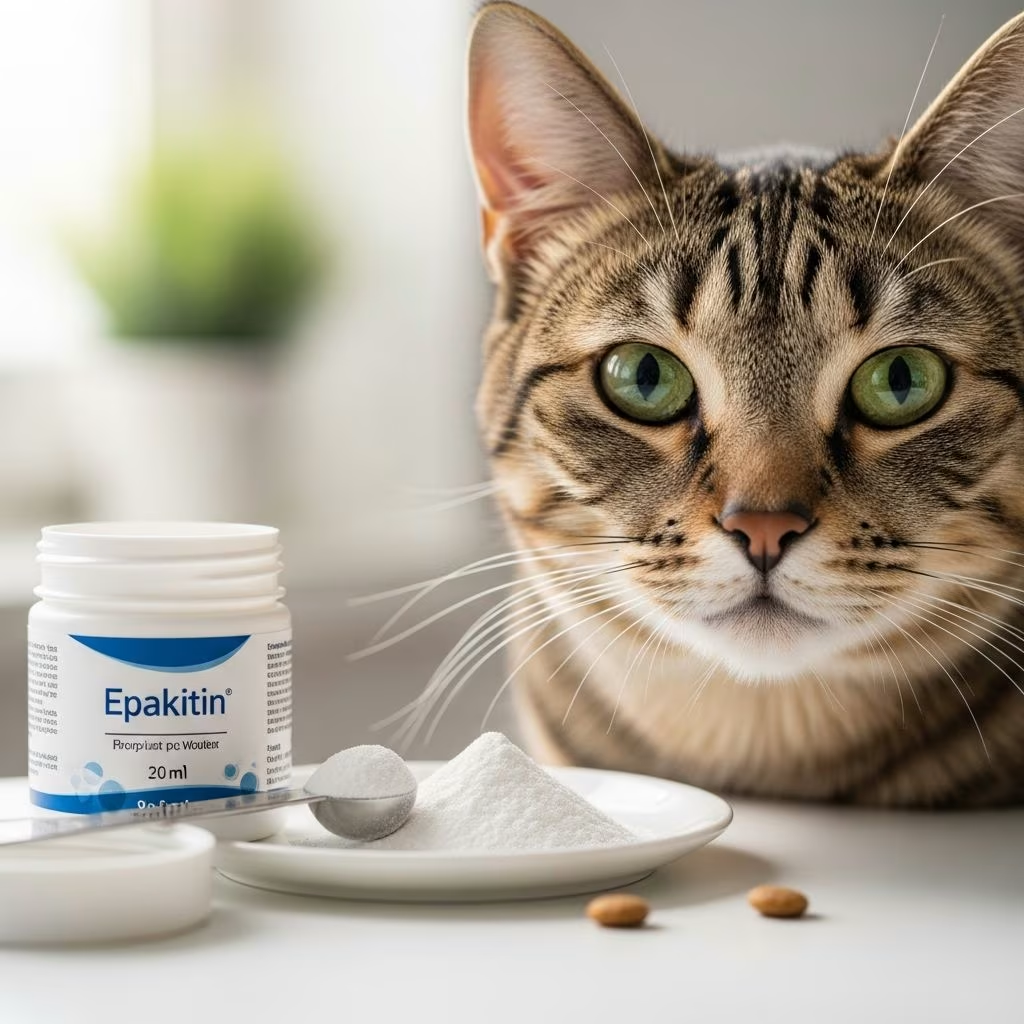
Epakitin serves as a vital nutritional supplement for cats suffering from chronic kidney disease (CKD), primarily functioning as a phosphorus binder to reduce dietary phosphorus absorption and alleviate strain on impaired kidneys.
Understanding Feline Chronic Kidney Disease
Chronic kidney disease represents a progressive condition in cats where the kidneys gradually lose their ability to filter waste products like urea and creatinine from the blood. This leads to toxin buildup, electrolyte imbalances, and elevated phosphorus levels, accelerating further damage. Older cats, particularly those over 10 years, are most susceptible, with symptoms including increased thirst, weight loss, lethargy, and poor appetite. Early intervention through dietary management and supplements like Epakitin can significantly slow progression and improve comfort.
Phosphorus plays a critical role in CKD pathology. Healthy kidneys regulate phosphorus, but in diseased states, it accumulates in the blood, promoting secondary hyperparathyroidism and vascular calcification. Binding agents like Epakitin interrupt this cycle by trapping phosphorus in the intestines for fecal excretion.
Composition and Mechanism of Epakitin
Manufactured by Vetoquinol, Epakitin is a palatable powder featuring chitosan—a natural polysaccharide from shellfish shells—and calcium carbonate as primary active ingredients. Chitosan binds dietary phosphorus in the gut, forming insoluble complexes that prevent uptake into the bloodstream. Calcium carbonate complements this by further sequestering phosphorus into calcium phosphate, which is safely eliminated.
This dual-action approach not only lowers serum phosphorus but also reduces uremic toxins, easing the kidneys’ workload. Studies and veterinary reports indicate that such management can extend life expectancy in renal patients when phosphorus exceeds 4.5 mg/dL.
Indications for Using Epakitin in Cats
Veterinarians recommend Epakitin for cats diagnosed with CKD stages 2 through 4, especially when bloodwork shows rising creatinine, BUN, or phosphorus levels despite renal diets. It’s particularly useful for picky eaters rejecting prescription foods or cases needing extra phosphate control. Additionally, it supports cats with hypocalcemia, a common CKD complication, by providing supplemental calcium.
- Early CKD: Prevents phosphorus buildup and stabilizes kidney function.
- Advanced CKD: Manages symptoms like anemia and hypertension indirectly through better mineral balance.
- Adjunct Therapy: Pairs with fluids, antihypertensives, or appetite stimulants for holistic care.
Administering Epakitin: Dosage and Practical Tips
Epakitin comes in powder form with a provided scoop (1g for most containers). The standard dosage is 1 gram per 5 kg (11 lbs) of body weight, given twice daily—morning and evening—sprinkled over food. For a typical 4-5 kg cat, this equates to one level scoop per dose.
| Cat Weight | Morning Dose | Evening Dose |
|---|---|---|
| Under 5 kg (11 lbs) | 1g | 1g |
| 5-10 kg (11-22 lbs) | 1-2g | 1-2g |
| Over 10 kg | Consult vet | Consult vet |
Mix thoroughly into wet food for best palatability; its neutral flavor ensures most cats accept it without notice. Always provide fresh water, as hydration supports renal health. Start under veterinary guidance, with regular blood monitoring every 2-4 weeks initially.
Safety Profile and Potential Side Effects
Epakitin is well-tolerated in cats, with no reports of nausea or constipation seen in human calcium carbonate use. The primary monitoring focus is calcium-phosphorus balance to avoid hypercalcemia, which could lead to soft tissue mineralization—though rare in felines. Discontinue if vomiting, diarrhea, or appetite loss occurs, and notify your vet.
Contraindications include known shellfish allergy or concurrent use of calcium-regulating drugs like calcitriol without supervision. Pregnant or nursing queens should avoid it unless advised.
Integrating Epakitin with Broader CKD Management
Optimal CKD care combines Epakitin with low-phosphorus renal diets, subcutaneous fluids, and medications targeting blood pressure or anemia. Track progress via IRIS staging (International Renal Interest Society), aiming for phosphorus below 4.5-6 mg/dL. Pet owners report improved energy, appetite, and longevity; one 16-year-old cat maintained stability for two years with consistent use.
Real-World Outcomes and Veterinary Insights
Veterinary literature and owner testimonials highlight Epakitin’s value. Dr. Eric Linn of Vetoquinol notes it decreases plasma phosphorus and uremic toxins, enhancing quality of life without requiring diet switches for finicky cats. When paired with renal diets, it provides additive phosphate control, potentially prolonging survival.
Anecdotal evidence from platforms like VetRxDirect shows cats gaining vitality and tolerating treatment well, underscoring its role in long-term management.
Frequently Asked Questions
What makes Epakitin effective for cat kidney issues?
Its chitosan and calcium carbonate bind intestinal phosphorus, reducing blood levels and kidney burden in CKD.
Can all CKD cats use Epakitin?
Not necessarily; it’s ideal for those with elevated phosphorus or poor response to diet alone. Vet assessment is essential.
How quickly does Epakitin show results?
Blood improvements may appear in 2-4 weeks, with clinical benefits like better appetite following.
Is Epakitin safe long-term?
Yes, with monitoring; many cats use it for years successfully.
Where to buy Epakitin?
Available through veterinarians or authorized pet pharmacies.
Monitoring and Follow-Up Care
Schedule bloodwork 10-14 days post-initiation to assess phosphorus, calcium, BUN, and creatinine. Adjust dose based on trends, targeting phosphorus <4.5 mg/dL. Annual urinalysis checks for proteinuria. Lifestyle tweaks like stress reduction and omega-3 supplements enhance outcomes.
References
- Epakitin for Cats: Overview, Dosage & Side Effects — cats.com. 2023. https://cats.com/epakitin-for-cats
- How Epakitin Helps Dogs & Cats with Kidney Problems — tcvmpet.com. 2024. https://tcvmpet.com/blogs/news/how-epakitin-helps-dogs-and-cats-with-kidney-problems
- Vetoquinol Epakitin Powder Urinary Supplement for Cats & Dogs — 1800petmeds.com. 2025. https://www.1800petmeds.com/dog-or-cat/otc-vitamins-and-supplements/product/vetoquinol-epakitin-powder-cats-dogs/prod11134.html
- Epakitin for Cats and Dogs – Supports Renal Function — vetrxdirect.com. 2024. https://www.vetrxdirect.com/product/view/epakitin-for-cats-and-dogs-otc
- Epakitin Renal Supplement for Cats and Dogs — northamerica.covetrus.com. 2025-06. https://www.northamerica.covetrus.com/Product?sku=043386
- Epakitin® — vetoquinolusa.com. 2024. https://www.vetoquinolusa.com/products/epakitin
- Nutritional Supplement — dvm360.com. 2023. https://www.dvm360.com/view/nutritional-supplement-6



