

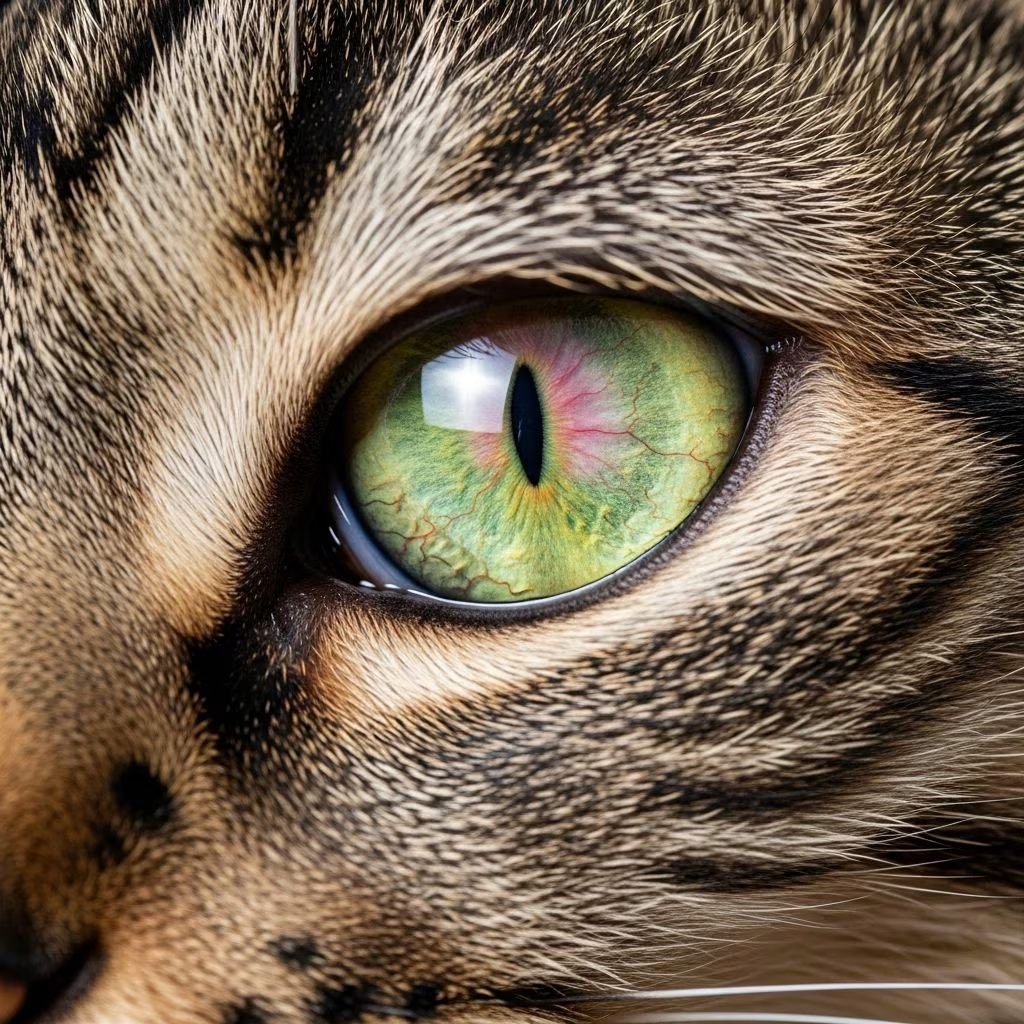
Understanding Eosinophilic Keratitis in Cats
Eosinophilic keratitis is a chronic inflammatory condition affecting the cornea and conjunctiva of cats’ eyes. This condition occurs when the immune system becomes overactive, leading to inflammation and the accumulation of eosinophils—a type of white blood cell—on the surface of the eye. The cornea, which is the transparent front part of the eye, becomes inflamed, and this inflammation can extend to the conjunctiva, the pink tissue surrounding the eye. While the exact cause remains unknown, the condition results in significant discomfort and can potentially lead to vision problems if left untreated.
The inflammation associated with eosinophilic keratitis develops when inflamed cells spread across the cornea and conjunctiva, creating distinctive lesions and plaques on the eye’s surface. Understanding this condition is crucial for cat owners, as early recognition and appropriate treatment can help manage symptoms and prevent complications.
Common Symptoms of Eosinophilic Keratitis
Cats with eosinophilic keratitis may display various clinical signs that warrant immediate veterinary attention. Recognizing these symptoms early can help ensure prompt diagnosis and treatment. The most commonly observed symptoms include:
- Visible raised lumps or plaques on the cornea or conjunctiva
- Significant eye pain and discomfort
- Excessive squinting or frequent eye closure
- Pawing or rubbing at the affected eye
- Watery discharge or thick mucoid discharge from the eye
- Eye redness and inflammation
- Sensitivity to light (photophobia)
- Cloudiness or opacity affecting the cornea
- Decreased vision or potential blindness in severe cases
It’s important to note that some cats may not display obvious signs of discomfort despite having severe eosinophilic keratitis. These asymptomatic or minimally symptomatic cats may only be identified through regular eye examinations by a veterinarian, emphasizing the importance of routine veterinary care for all felines.
Diagnosis of Eosinophilic Keratitis
Accurate diagnosis of eosinophilic keratitis requires a thorough examination and specific diagnostic testing. While veterinarians may suspect the condition based on clinical appearance alone, definitive diagnosis relies on cytological examination of cells collected from the affected eye.
Diagnostic Procedure
The diagnostic process begins when your veterinarian notices concern with your cat’s cornea and conjunctiva. The following steps are typically involved:
- A topical anesthetic drop is applied to the affected eye or eyes to minimize discomfort during the procedure
- A sample of cells is carefully collected from the cat’s cornea using a special brush or a dull scalpel blade
- The collected sample is transferred to a glass slide and stained using special dyes
- The stained sample is examined under a microscope to identify inflammatory cells and confirm the presence of eosinophils
This cytological examination allows veterinarians to differentiate eosinophilic keratitis from other corneal conditions and confirm the diagnosis with certainty. The presence of increased eosinophils on the microscopic examination is the defining characteristic of this condition.
Treatment Options for Eosinophilic Keratitis
Treatment for eosinophilic keratitis in cats focuses on reducing inflammation, suppressing the overactive immune response, and managing pain. Since the underlying cause remains unknown, the condition cannot be cured but rather must be managed long-term. A comprehensive treatment approach typically combines several medications and may require ongoing adjustments to find the most effective regimen for each individual cat.
Topical Immunosuppressants
Topical medications applied directly to the eye are often the first-line treatment for eosinophilic keratitis. These include:
- Topical corticosteroids: Dexamethasone sodium phosphate 0.1% is commonly prescribed to reduce inflammation and provide quick relief from symptoms
- Topical cyclosporine: This immunosuppressant is considered a preferred treatment option in many cases, with excellent efficacy and minimal side effects. It works by suppressing the immune system’s overactive response
- Tacrolimus: Another topical immunosuppressant that may be recommended to control inflammation
- Topical megestrol acetate: Recent studies have shown excellent success with compounded topical 0.5% megestrol acetate suspension, with approximately 88% of treated cats showing positive response
Oral Immunosuppressants
When topical treatments alone are insufficient or when cats are difficult to treat with eye drops, oral medications may be prescribed:
- Megestrol acetate (Ovarid): An oral immunosuppressant that has shown effectiveness in treating eosinophilic keratitis, particularly in refractory cases. However, prolonged use carries potential side effects including diabetes and mammary tumors
Antibiotic and Antiviral Medications
Additional medications may be necessary to address secondary concerns:
- Topical antibiotics: Medications such as Terramycin may be prescribed to prevent or treat secondary bacterial infections and promote corneal healing
- Topical antiviral medications: If feline herpesvirus is identified as a contributing factor, antiviral medications such as famciclovir may be prescribed. Topical options include cidofovir, idoxuridine, and trifluridine
Special Considerations for Corneal Ulcers
If a corneal ulcer is present, it must be completely healed before initiating topical steroid therapy. Veterinarians will typically prescribe topical antibiotics to facilitate healing and prevent infection during this period.
Recovery and Long-Term Management
Eosinophilic keratitis commonly recurs following treatment and typically requires long-term management to keep eye inflammation under control. Recovery timelines vary significantly, with clinical improvement ranging from two weeks to eight months, with an average of approximately 2.5 months. Most cats respond well to treatment, and improvement can often be dramatic.
Management Strategies
Successful long-term management requires consistent adherence to prescribed medications and regular veterinary monitoring:
- Administer all medications exactly as prescribed by your veterinarian
- Attend all scheduled follow-up appointments for medication adjustments
- Work with your veterinarian to find the lowest maintenance medication level necessary to control the condition
- Monitor your cat’s eyes for any changes or recurrence of symptoms
- Be prepared for lifelong treatment in some cases, especially if your cat has underlying health issues
Your veterinarian will gradually taper or decrease medications over time to determine the minimum effective maintenance dose needed to control symptoms and prevent recurrence.
Prognosis and Potential Complications
The prognosis for cats with eosinophilic keratitis is generally favorable when appropriate treatment is initiated and maintained. However, in chronic severe cases with extensive corneal pathology, some degree of corneal fibrosis may persist even after active keratitis is controlled. This can potentially result in mild vision impairment.
Early recognition and treatment significantly improve outcomes and reduce the risk of permanent vision loss. Complete resolution of lesions is achievable in many cases, with some cats showing complete resolution by the first clinical re-examination while others demonstrate gradual improvement over several weeks.
Prevention of Eosinophilic Keratitis
Since the underlying cause of eosinophilic keratitis remains unknown, prevention is challenging. However, pet parents can take important steps to protect their cat’s eye health:
- Ensure your cat receives regular veterinary care for early identification of any eye health concerns
- Schedule comprehensive eye examinations annually or more frequently if your cat has a history of eye problems
- Report any changes in your cat’s eye appearance or behavior to your veterinarian immediately
- Maintain overall health through proper nutrition and disease management, as underlying health issues can influence the condition
Frequently Asked Questions About Eosinophilic Keratitis in Cats
Q: What causes eosinophilic keratitis in cats?
A: The exact cause of eosinophilic keratitis is unknown. However, the condition results from the immune system becoming over-stimulated, leading to an overactive immune response. Feline herpesvirus may play a role as a causative or exacerbating agent in some cases.
Q: Is eosinophilic keratitis curable?
A: Unfortunately, eosinophilic keratitis cannot be permanently cured. The condition must be managed long-term with immunosuppressive medications and regular veterinary care to keep inflammation under control and prevent recurrence.
Q: What is the difference between keratitis and conjunctivitis?
A: Keratitis refers to inflammation of the cornea, while conjunctivitis refers to inflammation of the conjunctiva (the pink tissue surrounding the eye). Eosinophilic keratitis often affects both structures simultaneously.
Q: How often will my cat need medication for eosinophilic keratitis?
A: Medication frequency depends on the specific treatment regimen prescribed by your veterinarian. Most cats require twice-daily or more frequent eye drops initially, with the frequency potentially decreasing as the condition improves. Your veterinarian will work to find the lowest maintenance dose necessary.
Q: Can eosinophilic keratitis cause blindness?
A: While decreased vision or blindness is listed as a potential symptom in severe, untreated cases, most cats respond well to treatment when it is initiated promptly. Early diagnosis and consistent treatment significantly reduce the risk of vision loss.
Q: Should my cat see a veterinary ophthalmologist?
A: Referral to a veterinary ophthalmologist is recommended for management of eosinophilic keratitis, particularly in complex or refractory cases. These specialists have advanced training in eye diseases and can provide specialized diagnostic and treatment options.
Q: How is eosinophilic keratitis diagnosed?
A: Definitive diagnosis requires cytological examination of cells collected from the affected cornea. Your veterinarian will use a special brush or scalpel blade to collect a sample after applying topical anesthetic, then the sample is stained and examined under a microscope to identify eosinophils.
Q: What should I do if my cat shows signs of eye problems?
A: Contact your veterinarian immediately if you notice any unusual appearance of your cat’s eyes or concerning symptoms such as squinting, discharge, redness, or visible discomfort. Early intervention is crucial for preventing complications.
References
- Eosinophilic Keratitis in Cats: Symptoms, Causes, and Treatment — PetMD. 2024. https://www.petmd.com/cat/conditions/eyes/eosinophilic-keratitis-cats-symptoms-causes-and-treatment
- Feline Eosinophilic Keratitis: A Quick Guide — PetCareRx. 2024. https://www.petcarerx.com/article/feline-eosinophilic-keratitis-a-quick-guide/6478
- Eosinophilic Keratitis / Conjunctivitis — Animal Eye Care. 2024. https://www.animaleyecare.com.au/advice-sheet/eosinophilic-keratitis-conjunctivitis/
- Eosinophilic Keratitis in Cats — EveryCat Health Foundation. 2024. https://everycat.org/cat-health/eosinophilic-keratitis-in-cats/
- Feline Eosinophilic Keratitis — MSPCA-Angell. 2024. https://www.mspca.org/angell_services/feline-eosinophilic-keratitis/
- Diagnosis and Treatment of Feline Eosinophilic Keratoconjunctivitis — Veterinary Practice. 2024. https://www.veterinary-practice.com/article/diagnosis-treatment-feline-eosinophilic-keratoconjunctivitis
- Eosinophilic Keratoconjunctivitis in Cats — PubMed. National Center for Biotechnology Information. 2024. https://pubmed.ncbi.nlm.nih.gov/36813390/



