

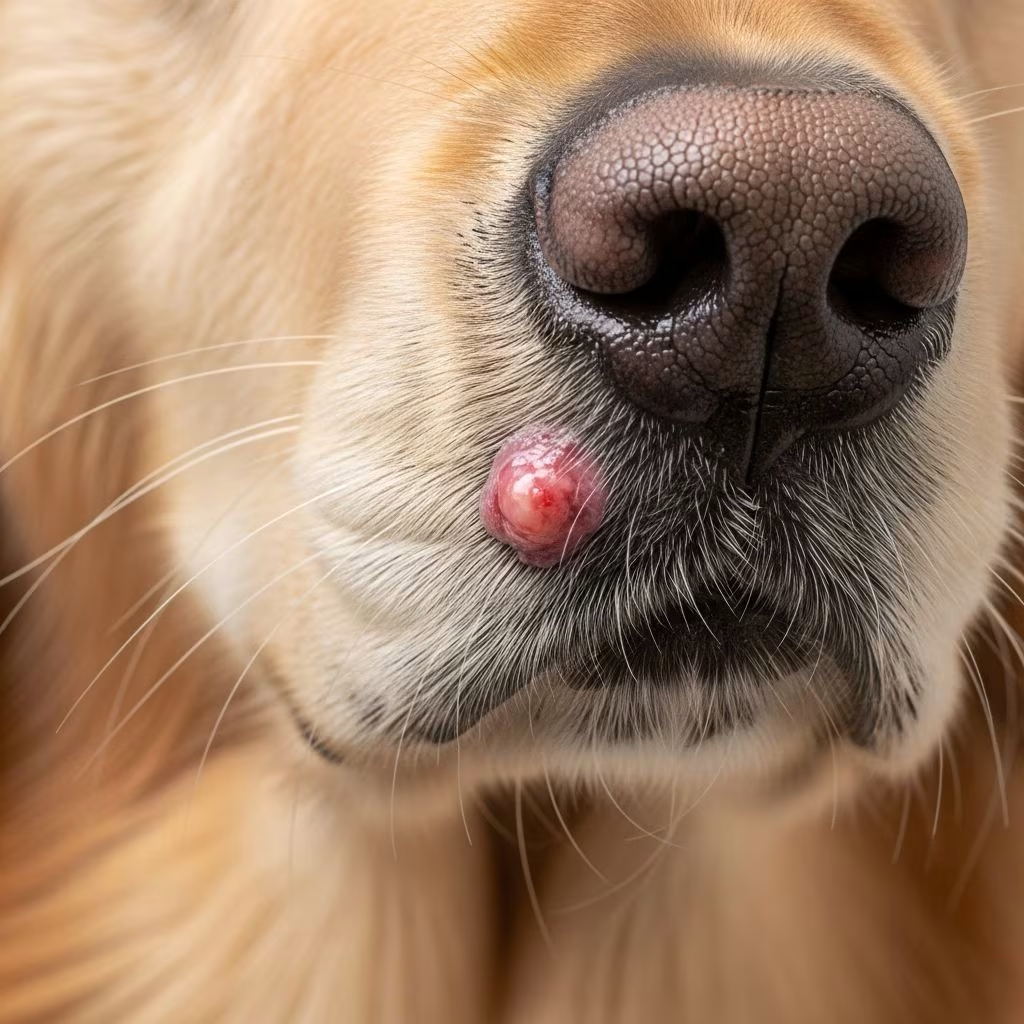
Eosinophilic granuloma complex represents a group of uncommon skin conditions in dogs characterized by inflammatory lesions driven by eosinophil infiltration. These disorders often stem from hypersensitivity reactions, leading to raised, ulcerated areas primarily on the face, limbs, or oral cavity. Early recognition and intervention are crucial for managing discomfort and preventing secondary complications.
Understanding the Condition
This inflammatory response involves eosinophils, a type of white blood cell that accumulates in tissues, forming granulomas, plaques, or ulcers. While more prevalent in cats, it occurs rarely in dogs, often linked to underlying allergies or immune dysregulation. The condition manifests as discrete skin abnormalities that can wax and wane, causing pain, itching, or eating difficulties depending on location.
Common Manifestations and Clinical Signs
Dogs with this disorder typically present with distinctive skin changes. Key signs include:
- Facial swellings: Red, enlarged nodules on the muzzle, around eyes, or ears, sometimes progressing rapidly and causing tenderness.
- Oral lesions: Ulcers or masses on the tongue, palate, or lips, leading to drooling, bad breath, or reluctance to eat.
- Limb involvement: Swollen footpads with pain and lameness, particularly in younger dogs.
- General symptoms: Itching, hair loss, or secondary infections manifesting as pus or crusting.
These lesions vary in size from small ulcers to larger proliferative growths, often with a cobblestone texture or yellow discoloration due to tissue changes.
Potential Triggers and Risk Factors
The exact cause remains elusive, but hypersensitivity plays a central role. Common triggers encompass:
- Allergic reactions: Flea bites, food sensitivities, or environmental allergens prompting an overzealous immune response.
- Contact irritants: Reactions to plastic bowls, prompting recommendations for metal or ceramic alternatives.
- Infectious agents: Parasites or secondary bacterial invasions exacerbating inflammation.
- Genetic predisposition: Some breeds may show hereditary tendencies, though not well-defined in dogs.
Unlike contagious diseases, this condition does not spread between animals.
Diagnostic Approaches
Veterinarians rely on clinical presentation for initial suspicion, but confirmation often requires further tests. Standard protocols include:
- Physical examination: Assessing lesion appearance, distribution, and associated signs like swelling or pain.
- Cytology or biopsy: Sampling tissues under sedation to identify eosinophils and exclude mimics such as tumors or fungal infections.
- Allergy evaluation: Skin testing, food trials, or flea control trials to pinpoint triggers.
- Blood work: Checking for eosinophilia or systemic involvement.
A table summarizing differential diagnoses:
| Condition | Key Features | Differentiation |
|---|---|---|
| Mast cell tumor | Firm nodules, may ulcerate | Biopsy shows neoplastic cells |
| Bacterial pyoderma | Pustules, crusts | Culture reveals bacteria |
| Fungal infection | Draining tracts | Fungal stains or culture |
| Autoimmune disease | Symmetric lesions | Serology or histopathology |
Biopsy remains gold standard for definitive diagnosis.
Treatment Strategies
Management focuses on suppressing inflammation, addressing triggers, and preventing recurrence. Multimodal therapy is standard:
- Corticosteroids: First-line; oral prednisone (2 mg/kg daily, tapered over 4-8 weeks) or injectable forms resolve most lesions.
- Antibiotics: For secondary infections, options like amoxicillin-clavulanate or cephalexin.
- Immunosuppressants: If steroids fail, drugs like chlorambucil.
- Allergen control: Strict flea prevention, hypoallergenic diets, or hyposensitization.
- Surgical options: Excision for solitary, small lesions unresponsive to meds.
Monitoring includes regular blood tests to track steroid side effects like immunosuppression or diabetes.
Step-by-Step Recovery Guide
Owners can support healing through:
- Administer medications as prescribed, noting improvements in 1-2 weeks.
- Implement environmental changes: Switch bowls, use flea preventives year-round.
- Conduct food trials: Novel protein diets for 8-12 weeks.
- Prevent self-trauma: E-collars to avoid licking.
- Follow-up visits: Adjust doses based on response.
Prognosis and Long-Term Outlook
Most dogs respond favorably, with lesions regressing fully on therapy. However, recurrence is common if allergens persist, necessitating low-dose maintenance. Prognosis is good for controllable cases, though refractory ones require ongoing management. Benign nature ensures no malignant progression.
Preventive Measures for Healthy Skin
Proactive steps reduce risk:
- Year-round flea control.
- Hypoallergenic feeding if prone.
- Regular vet check-ups for early detection.
- Avoid irritants like plastic dishes.
These lesions are rare, affecting few dogs, but vigilance pays off.
Frequently Asked Questions (FAQs)
Is eosinophilic granuloma contagious?
No, it is not transmissible to other pets or humans.
How long does treatment last?
Initial courses span weeks, but chronic cases may need lifelong low-dose therapy.
Can diet help?
Yes, hypoallergenic trials often identify food triggers, leading to resolution.
What if steroids don’t work?
Alternatives include other immunosuppressants or surgery for isolated lesions.
Does it affect specific breeds?
Rare overall, no strong breed links in dogs, unlike cats.
Owner Experiences and Tips
Many report rapid improvement post-steroids, but emphasize trigger hunting. One case used electrochemotherapy successfully when steroids lagged, achieving remission without long-term side effects. Tips: Document lesion photos for vets, track diet meticulously.
In summary, while challenging, eosinophilic granuloma in dogs is manageable with prompt, tailored care focusing on immunosuppression and allergen avoidance. Consult veterinarians for personalized plans.
References
- Eosinophilic granulomatous complex – Thornleigh Veterinary Hospital — Thornleigh Veterinary Hospital. Accessed 2026. https://thornleighvet.com.au/pet-advice/eosinophilic-granulomatous-complex/
- Eosinophilic Granuloma Complex in Dogs – MSD Veterinary Manual — MSD Veterinary Manual. Accessed 2026. https://www.msdvetmanual.com/dog-owners/skin-disorders-of-dogs/eosinophilic-granuloma-complex-in-dogs
- Autoimmune Skin Lesions (Eosinophilic Granuloma Complex) in Dogs — Vetster. Accessed 2026. https://vetster.com/en/conditions/dog/autoimmune-skin-lesions-eosinophilic-granuloma-complex
- Canine Oral Eosinophilic Granuloma — Mississippi State University College of Veterinary Medicine. 2018-03-09. https://www.vetmed.msstate.edu/sites/www.vetmed.msstate.edu/files/presentations/3.9.18%20Canine%20Oral%20Eosinophilic%20Granuloma%20(Izzy%20Swann).pdf
- Eosinophilic Granuloma in Dogs & Cats — Tri-County Animal Hospital. Accessed 2026. https://tricountyah.com/pet-health/eosinophilic-granuloma-dogs-cats/



