
Eosinophilic Granuloma In Horses: Causes, Diagnosis, Treatment
Comprehensive guide to understanding, diagnosing, and managing eosinophilic granuloma in equine patients for optimal skin health.
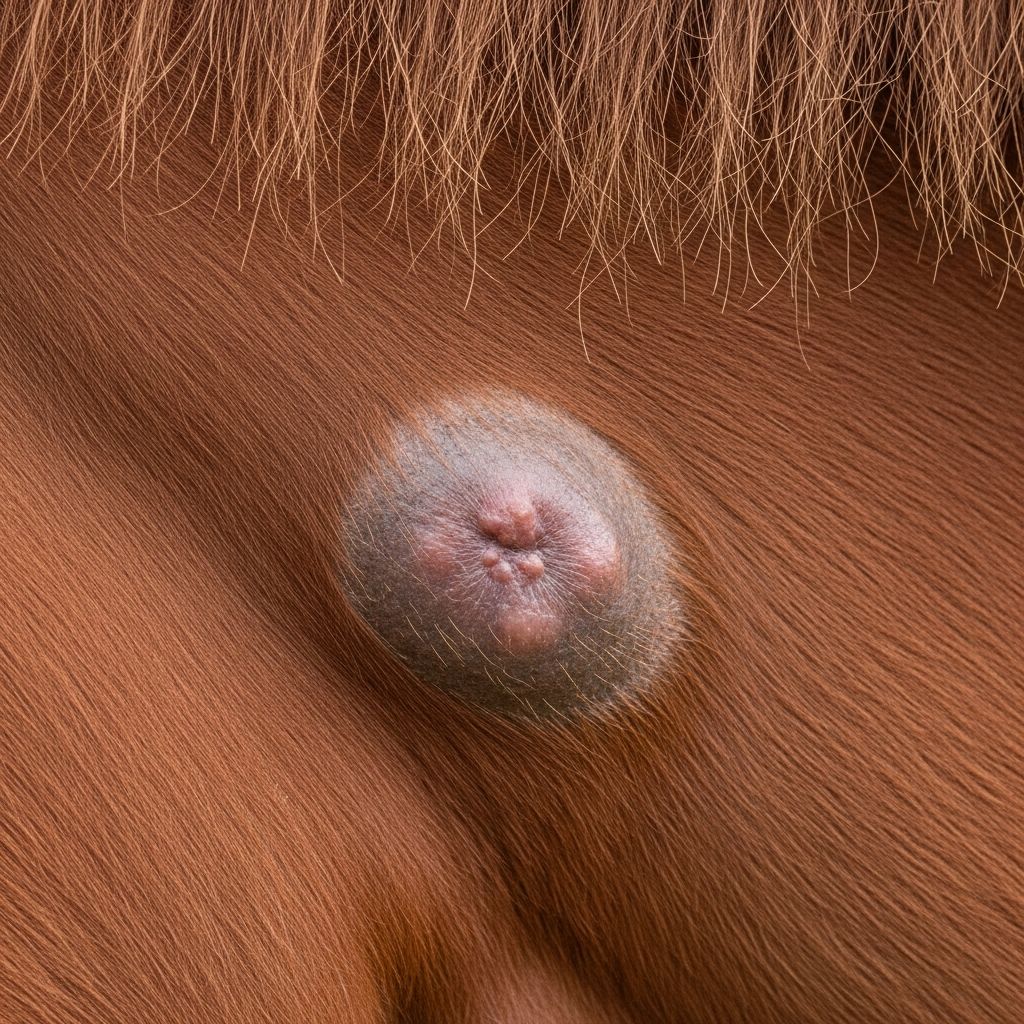
Eosinophilic granuloma represents one of the most prevalent inflammatory skin disorders in horses, characterized by the development of firm, raised nodules primarily in high-pressure areas like the saddle region. This condition arises from an exaggerated immune response involving eosinophils, often triggered by allergic reactions to environmental factors such as insects or pollen. While generally benign, these lesions can recur and impact a horse’s comfort and performance if not addressed promptly.
Understanding the Pathophysiology
The underlying mechanism of eosinophilic granuloma involves a hypersensitivity reaction where eosinophils, a type of white blood cell, infiltrate the dermis and subcutaneous tissues. This infiltration leads to nodule formation through collagen breakdown and potential mineralization in chronic cases. Common inciting factors include insect bites, particularly from Culicoides species, and atopic responses to dust mites, pollens, or fodder allergens.
In affected horses, the lesions typically manifest as solitary or multiple, well-circumscribed nodules ranging from 0.5 to 5 cm in diameter. They are usually non-pruritic and non-painful unless traumatized by tack, distinguishing them from other equine dermatoses like urticaria or sarcoids. Over time, untreated nodules may harden due to dystrophic calcification, complicating resolution.
Clinical Presentation and Common Sites
Horses of any age or breed can develop these granulomas, though they are more frequently observed in mature animals under regular saddle use. Key clinical features include:
- Firm, raised, circular nodules with intact overlying hair coat.
- Predilection for the dorsal trunk, saddle area, neck, and gluteal region.
- Alopecia or ulceration only if secondarily irritated.
- Absence of systemic signs like fever or weight loss.
Owners often notice these bumps during grooming or tacking up, prompting veterinary consultation. In cases with numerous lesions, the cosmetic appearance may concern competitive riders.
Diagnostic Approaches
Accurate diagnosis relies on a combination of history, physical examination, and confirmatory tests. Fine-needle aspiration may reveal eosinophils, but definitive diagnosis requires histopathology from a biopsy. Microscopic findings include eosinophilic infiltrates, flame figures (collagenolysis), and fibroplasia in chronic lesions.
For recurrent cases, allergy testing is crucial. Intradermal testing and serum IgE assays identify hypersensitivities to insects, mites, or plants. Negative bacterial/fungal cultures rule out secondary infections. Differential diagnoses encompass:
| Condition | Key Distinguishing Features |
|---|---|
| Sarcoids | Progressive growth, viral etiology, variable ulceration. |
| Melanomas | Pigmented, multifocal in grays, malignant potential. |
| Habronemiasis | “Summer sores,” pruritic, caseous discharge. |
| Urticaria | Transient, edematous wheals, highly pruritic. |
This table aids in rapid differentiation during clinical evaluation.
Treatment Strategies: Medical and Surgical Options
Management prioritizes lesion resolution while minimizing recurrence risks. Options include:
- Intralesional Corticosteroids: Triamcinolone acetonide at 3-5 mg per lesion, capped at 20 mg total to avert laminitis. Effective for early, soft nodules with rapid shrinkage.
- Systemic Glucocorticoids: Prednisolone 1 mg/kg PO daily for 2-3 weeks, tapered as needed for multifocal disease.
- Surgical Excision: Ideal for solitary or mineralized lesions using biopsy punch or scalpel; low recurrence if margins are clean.
Antibiotics are adjunctive only if infection is present. Supportive care involves padded saddle pads to reduce trauma.
Allergy Management and Prevention
Addressing underlying hypersensitivities is pivotal for long-term control, especially in recurrent cases. Strategies encompass:
- Intrader-mal allergy testing followed by allergen-specific immunotherapy (ASIT).
- Environmental modifications: fly sheets, stable fans, steamed hay, and rubber matting to curb insect and mite exposure.
- Avoidance of known triggers via serum testing.
Consensus guidelines from the World Association for Veterinary Dermatology emphasize hyposensitization alongside insect control.
Prognosis and Long-Term Outlook
These granulomas pose no systemic threat, with good overall health prognosis. However, recurrence is common (up to 50-70% in some reports), particularly if allergens persist or lesions mineralize. Steroid efficacy wanes in chronic cases, heightening laminitis risk. With integrated allergy management, many horses achieve prolonged remission.
Case Study Insights
Consider a Quarter Horse like Azzy, presenting with saddle-region nodules post-triamcinolone relapse. Biopsy confirmed eosinophilic granuloma; allergy tests revealed insect and mite sensitivities. Multimodal therapy—intra-lesional steroids, ASIT, and environmental tweaks—yielded sustained improvement. Such cases underscore the multifactorial nature and benefits of comprehensive care.
Frequently Asked Questions (FAQs)
What causes eosinophilic granuloma in horses?
Primarily allergic reactions to insects, pollen, or mites triggering eosinophil accumulation.
Are these nodules cancerous?
No, they are benign inflammatory responses without malignant potential.
How long do treatments take to work?
Intralesional steroids often resolve lesions in 1-4 weeks; systemic therapy may require 2-3 weeks.
Can eosinophilic granuloma spread to other horses?
No, it’s not contagious; transmission occurs via shared allergens.
Is surgery always necessary?
Only for mineralized or solitary lesions; medical options suffice for most.
What if my horse relapses?
Pursue allergy testing and immunotherapy for prevention.
This FAQ section addresses common owner concerns, enhancing accessibility.
Monitoring and Owner Education
Regular veterinary check-ups track lesion evolution. Owners should photograph bumps for comparison and report changes like growth or ulceration. Educating on tack hygiene and allergen minimization empowers proactive management.
References
- Equine Eosinophilic Granuloma – Animal Dermatology Clinic — Animal Dermatology Clinic. 2023. https://www.animaldermatologyclinic.com.au/case-studies/azzy-equine
- Eosinophilic Granuloma in Horses — Merck Veterinary Manual. 2023. https://www.merckvetmanual.com/integumentary-system/eosinophilic-inflammatory-skin-diseases/eosinophilic-granuloma-in-horses
- How to Detect and Treat Horse Skin Conditions — Reelfoot Animal Hospital. 2024-07-30. https://www.reelfootanimalhospital.com/site/blog/2024/07/30/detect-treat-horse-skin-conditions
- Protein Bumps on Horses (Eosinophilic Granulomas) — Mad Barn. 2023. https://madbarn.com/protein-bumps-on-horses/
- Equine Eosinophilic Collagenolytic Granuloma – Nodular Necrobiosis — Brandon Equine Medical Center. 2020-05. https://brandonequine.com/wp-content/uploads/2020/05/equine-eosinophilic-collagenolytic-granulomas.pdf
Similar Articles








Read full bio of medha deb


