
Eosinophilic Granuloma In Horses: Comprehensive Guide
Discover causes, symptoms, and effective treatments for eosinophilic granuloma, the common nodular skin condition affecting horses.
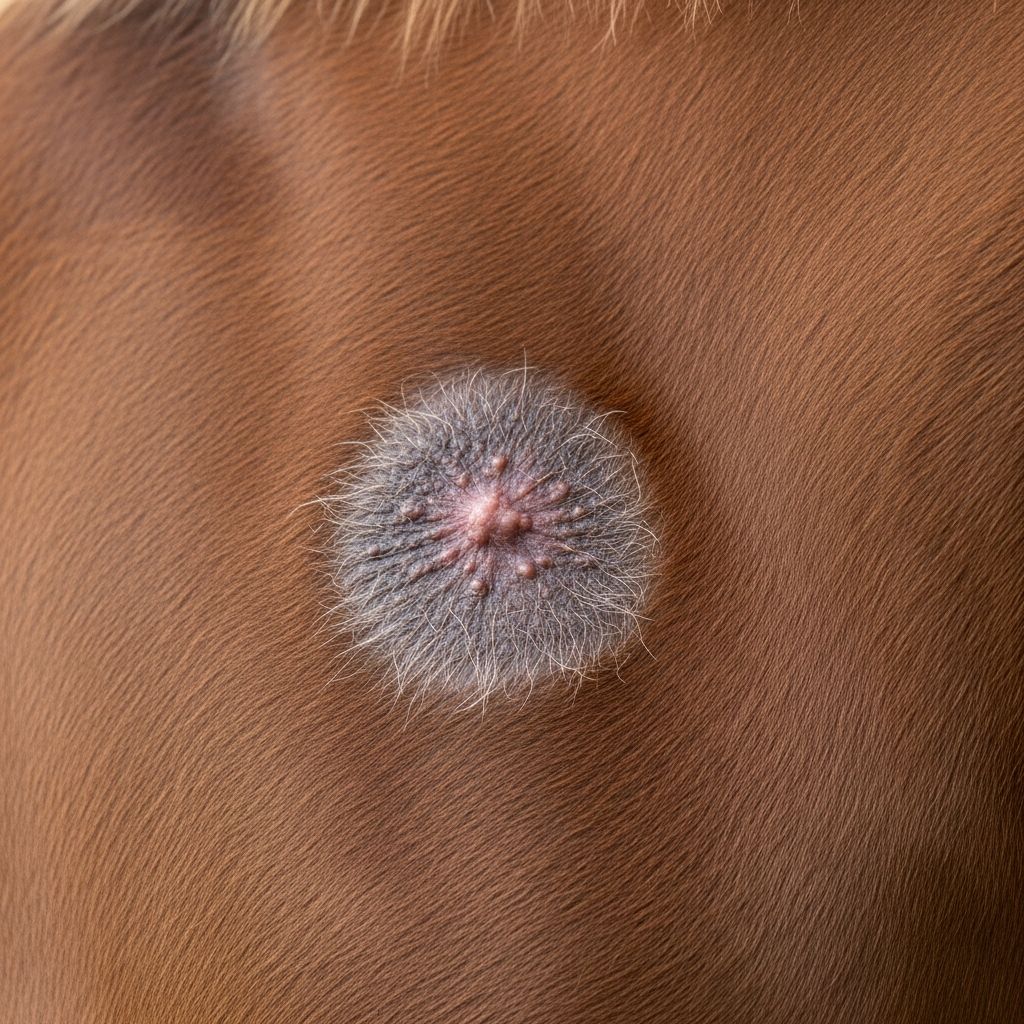
Raised, firm nodules on a horse’s skin, particularly along the back or saddle area, often signal eosinophilic granuloma, a prevalent inflammatory skin disorder in equines. This condition arises from an exaggerated immune response involving eosinophils, typically triggered by allergic reactions, leading to localized granulomatous lesions that may resolve spontaneously or require intervention.
Understanding the Pathophysiology
Eosinophilic granuloma represents an aberrant accumulation of eosinophils, histiocytes, and plasma cells within the dermis and subcutis, forming discrete nodules. The term “collagenolytic” sometimes applies due to collagen breakdown in chronic cases, resulting in mineralized or fibrotic centers. While the precise etiology remains multifactorial, hypersensitivity to insect salivary antigens or environmental allergens like pollen and mites predominates as inciting factors.
In susceptible horses, repeated exposure to these triggers prompts a type I hypersensitivity reaction, releasing inflammatory mediators that recruit eosinophils. Over time, lesions may calcify, complicating resolution and increasing recurrence risk. Unlike infectious dermatoses, these nodules lack pruritus or pain unless secondarily traumatized, distinguishing them from abscesses or sarcoids.
Common Clinical Presentations
Horse owners frequently notice solitary or multiple, well-circumscribed nodules measuring 0.5–5 cm in diameter, often alopecic with a firm, rubbery texture. Preferred sites include the thoracolumbar region (dorsum), gluteal area, neck, and face, correlating with saddle pressure or insect exposure. Acute lesions appear erythematous and raised, evolving to pale, scarred, or ulcerated forms if irritated.
- Single nodules: Often under saddles, causing discomfort during riding.
- Multiple lesions: Scattered along the back, signaling systemic hypersensitivity.
- Chronic forms: Mineralized, hardened masses resistant to medical therapy.
Seasonal exacerbation during insect-active periods underscores allergic underpinnings, with some horses exhibiting concurrent urticaria or pastern dermatitis.
Diagnostic Approaches
Definitive diagnosis hinges on cytologic evaluation and histopathology. Fine-needle aspiration reveals eosinophil-rich inflammation, while excisional biopsy confirms granulomatous dermatitis with flame figures—eosinophil degranulation artifacts. Rule out differentials like habronemiasis, squamous cell carcinoma, or bacterial granulomas via deep tissue culture.
For recurrent cases, intradermal allergen testing identifies Culicoides midges, mosquitoes, or dust mites as culprits, guiding hyposensitization. Serum IgE assays complement but lack specificity in equines.
| Diagnostic Test | Purpose | Key Findings |
|---|---|---|
| Cytology (FNA) | Initial screen | Eosinophils >20%, no bacteria |
| Histopathology | Gold standard | Granulomatous inflammation, collagenolysis |
| Allergy Testing | Identify triggers | Positive to insects/pollens |
| Culture | Exclude infection | Negative bacterial/fungal growth |
Management and Treatment Strategies
Conservative monitoring suits asymptomatic, non-mineralized lesions, as many regress within 3–6 months. Adjust tack with padded saddles to minimize friction.
Corticosteroid Therapy: First-line for responsive cases. Intralesional triamcinolone acetonide (3–5 mg per lesion, total ≤20 mg/session) yields rapid shrinkage, but laminitis risk mandates caution, especially in ponies. Systemic prednisolone (1 mg/kg PO q24h, taper over 2–3 weeks) addresses multifocal disease.
Surgical Intervention: Ideal for solitary, mineralized nodules via elliptical excision or biopsy punch, ensuring complete margins to avert regrowth.
Allergen-Specific Measures: Insect repellents, fly sheets, and stable fans reduce Culicoides exposure. Steaming hay and rubber matting curb mite loads. Immunotherapy post-testing desensitizes to identified allergens, offering long-term palliation.
Preventive Measures and Lifestyle Adjustments
Proactive environmental control prevents flares:
- Apply pyrethrin-based sprays daily during fly season.
- House horses in screened stalls with airflow.
- Opt for low-dust bedding and soaked feeds.
- Rotate pastures to dilute insect populations.
- Monitor saddle fit quarterly.
Horse owners should track lesion patterns via photos, correlating with seasonal changes for tailored prevention.
Prognosis and Long-Term Outlook
Benign and non-life-threatening, eosinophilic granuloma carries a good overall prognosis for equine welfare, though recurrence affects 50–70% of cases, particularly mineralized ones. Steroid efficacy wanes in fibrotic lesions, favoring surgery. Vigilant allergy management elevates remission rates.
Risks like steroid-induced laminitis (0.5–2% incidence) necessitate veterinary oversight, with alternatives like pentoxifylline explored in refractory cases.
Frequently Asked Questions (FAQs)
Is eosinophilic granuloma contagious?
No, it stems from immune hypersensitivity, not pathogens, so isolation is unnecessary.
Can my horse still be ridden with these nodules?
Yes, if padded appropriately and non-painful; avoid pressure points.
How long do treatments take to work?
Intralesional steroids resolve lesions in 1–4 weeks; systemic therapy 2–6 weeks.
What if lesions recur frequently?
Pursue allergy testing and immunotherapy for sustained control.
Are there breed predispositions?
Reported in Quarter Horses and Thoroughbreds, but any breed susceptible.
Case Studies and Real-World Insights
Consider Azzy, a horse with saddle-region nodules recurring post-triamcinolone. Biopsy confirmed eosinophilic granuloma with insect/mite hypersensitivity. Immunotherapy and environmental tweaks achieved remission. Such examples highlight multifactorial management success.
Another cohort showed 80% response to initial steroids, but 40% recurred, underscoring prevention.
References
- Eosinophilic Granuloma in Horses – Integumentary System — MSD Veterinary Manual. 2023. https://www.msdvetmanual.com/integumentary-system/eosinophilic-inflammatory-skin-diseases/eosinophilic-granuloma-in-horses
- Eosinophilic Granuloma in Horses – Integumentary System — Merck Veterinary Manual. 2023. https://www.merckvetmanual.com/integumentary-system/eosinophilic-inflammatory-skin-diseases/eosinophilic-granuloma-in-horses
- Equine Eosinophilic Granuloma – Azzy Case Study — Animal Dermatology Clinic. 2023. https://www.animaldermatologyclinic.com.au/case-studies/azzy-equine
- Protein Bumps on Horses (Eosinophilic Granulomas) — Mad Barn. 2023. https://madbarn.com/protein-bumps-on-horses/
- Equine allergic skin diseases: clinical consensus guidelines — Marsella R et al., Vet Dermatol. 2023-05-01. https://doi.org/10.1111/vde.13170
Similar Articles








Read full bio of medha deb


