
Enzyme Boost for Faster Dog Injury Healing
Discover how targeted enzyme supplements accelerate tissue repair, reduce inflammation, and speed recovery from injuries in dogs of all ages.
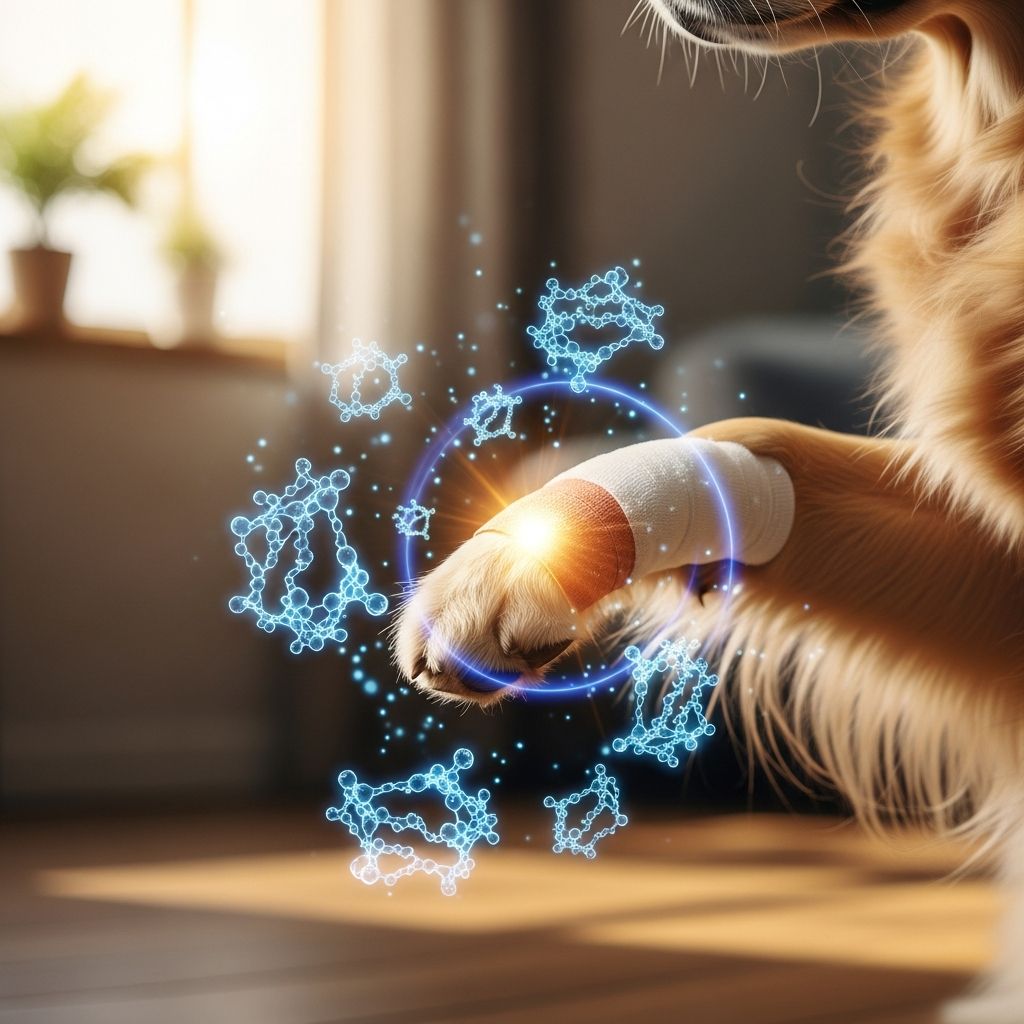
Enzyme therapy offers dogs a natural pathway to rapid recovery from injuries by breaking down damaged proteins, reducing swelling, and promoting new tissue growth. This approach leverages proteolytic enzymes like bromelain and pancreatin to support the body’s innate healing mechanisms, leading to faster mobility restoration and less pain.
Understanding Enzymes in Canine Healing
Enzymes are proteins that act as catalysts in biological processes, speeding up reactions without being consumed. In dogs, systemic enzymes—taken away from meals—circulate through the bloodstream to target inflammation and debris at injury sites. Unlike painkillers that merely suppress symptoms, these enzymes clear necrotic tissue, enhance circulation, and stimulate fibroblast activity for collagen production.
Proteolytic enzymes, such as those derived from pineapple (bromelain) and pancreas (pancreatin), excel at dismantling fibrin—a protein that forms scar tissue—and modulating immune responses. This results in cleaner wounds, diminished bruising, and accelerated granulation tissue formation, creating optimal conditions for regeneration.
Key Benefits for Injured Dogs
- Swelling Reduction: Enzymes inhibit pro-inflammatory cytokines, minimizing edema in sprains, contusions, and post-surgical sites.
- Enhanced Tissue Repair: By proteolyzing dead cells, they pave the way for healthy cell proliferation, vital for fractures and lacerations.
- Immune Activation: They boost macrophages and natural killer cells, aiding infection clearance and overall vitality.
- Pain Relief: Lower inflammation translates to natural analgesia, improving comfort without pharmaceuticals.
- Systemic Support: Benefits extend beyond the injury, improving digestion, coat quality, and stamina in aging or ill dogs.
Holistic veterinarians note that puppies produce ample enzymes naturally, but seniors and injured dogs often face deficiencies, making supplementation crucial for optimal recovery.
How Systemic Enzyme Therapy Works
When administered between meals, enzymes bypass digestion and enter the bloodstream intact, especially if enteric-coated. They modulate the fibrinolytic system, preventing excessive clotting while dissolving pathological fibrin buildup. Research on human athletes demonstrates bromelain’s efficacy in reducing trauma-induced swelling and hastening wound closure—effects mirrored in canine applications.
In veterinary practice, this therapy complements conventional care. For instance, dogs with intervertebral disc disease (IVDD) have shown walking recovery rates comparable to surgery when treated with chondroitinase injections, a targeted enzyme that degrades inhibitory scar tissue around spinal cords.
| Enzyme Type | Source | Primary Action | Canine Application |
|---|---|---|---|
| Bromelain | Pineapple | Anti-inflammatory, fibrinolytic | Sprains, bruises, arthritis |
| Pancreatin | Porcine pancreas | Proteolysis of proteins | Wound cleaning, surgery recovery |
| Chondroitinase | Bacterial | Cartilage degradation | Spinal injuries, IVDD |
Practical Dosing Guidelines for Dogs
Dosage varies by dog size, injury severity, and therapy goal. For digestive support, mix plant-based or pancreatic enzymes with food at label-recommended amounts. For systemic effects, administer 2-3 times daily on an empty stomach—up to 10x maintenance dose for acute trauma.
- Maintenance: 1-2 capsules (e.g., 500mg bromelain) per 50 lbs body weight, daily.
- Acute Injury: 5-10 capsules per 50 lbs, divided into 4-6 doses, for 3-5 days, then taper.
- Chronic Conditions: Consistent low-dose for months to manage arthritis or allergies.
Monitor for loose stools, indicating overdose; reduce accordingly. Products like Wobenzym or Prozyme are popular, with reports of weight gain as a benign side effect from better nutrient absorption. Avoid 7-10 days pre/post-surgery due to blood-thinning effects.
Real-World Recovery Stories
Consider Dee, a senior dog who plummeted from a bed, suffering paralysis. After starting maintenance enzymes, she walked miles within weeks, regaining vigor lost to age. Similarly, Milo, a dachshund with severe IVDD, received chondroitinase injections and rapidly resumed activity, bypassing surgery.
These anecdotes align with clinical observations: enzyme-treated dogs post-spay/neuter heal incisions faster, with brighter eyes and calmer demeanors. Laceration studies confirm enzymes’ role in environmentally safe wound debridement, releasing bioavailable oxyproline for collagen rebuild.
Supporting Evidence from Veterinary Research
Peer-reviewed trials underscore enzyme efficacy. A University of Cambridge study on 54 IVDD dogs found enzyme injections restored ambulation at rates matching surgical outcomes, at lower cost and invasiveness. Systemic oral enzymes outperformed or equaled drugs in dozens of human trials for inflammation, with veterinary parallels in digestion and immunity.
While more canine-specific RCTs are needed, holistic vets prescribe enzymes for cancer, autoimmunity, and heart disease, citing broad tonic effects.
Potential Risks and Considerations
Enzymes are generally safe, but hypersensitivities or GI upset can occur. Consult a vet, especially for bleeding disorders or concurrent meds. Not all digestive enzymes suit healthy dogs; pancreatic supplements benefit exocrine insufficiency primarily.
Combine with rest, physiotherapy, and nutrition for synergy. Proponents highlight immune boosts for multi-issue dogs, like those with CCL tears plus allergies.
Integrating Enzymes into Daily Care
Start with vet approval. For prevention, maintenance doses enhance resilience in active breeds. Post-injury, pair with cold therapy and braces for comprehensive rehab. Long-term, enzymes support joint health, reducing arthritis progression.
Frequently Asked Questions
Are enzymes safe for puppies?
Yes, in moderation; young dogs produce them well, but low doses aid growth and immunity.
Can enzymes replace surgery?
No, but for IVDD, they offer comparable non-invasive recovery.
How long until results?
Noticeable in days for acute issues; weeks for chronic.
What if my dog has allergies?
Nighttime dosing may alleviate food sensitivities.
Vegetarian options?
Bromelain and fungal enzymes provide plant-based alternatives.
Choosing Quality Supplements
Opt for vet-grade, third-party tested products with guaranteed potency. Avoid fillers; enteric coating ensures systemic delivery. Track progress via mobility scores and photos.
References
- Enzyme Therapy for Quicker Canine Injury Recovery — Whole Dog Journal. 2023. https://www.whole-dog-journal.com/health/enzyme-therapy-for-quicker-canine-injury-recovery/
- Enzyme therapy is a highly effective and environmentally safe method of treating lacerated wounds in dogs — Ukrainian Journal of Ecology. 2020. https://www.ujecology.com/abstract/enzyme-therapy-is-a-highly-effective-and-environmentally-safe-method-of-treating-lacerated-wounds-in-dogs-70442.html
- New enzyme treatment for severe canine spinal cord injury achieves exceptional success — Improve International / University of Cambridge. 2024. https://improveinternational.com/uk/news/new-enzyme-treatment-for-severe-canine-spinal-cord-injury-achieves-exceptional-success
- Effect of enzyme supplements on macronutrient digestibility by healthy adult dogs — PMC / PubMed Central. 2017-06-15. https://pmc.ncbi.nlm.nih.gov/articles/PMC5465853/
- Top 5 Benefits of Enzymes for Dogs and Cats — Nusentia (peer-informed). 2023. https://nusentia.com/blogs/pet-nutrition/top-5-benefits-of-enzymes-for-dogs-and-for-cats
Similar Articles








Read full bio of medha deb




