

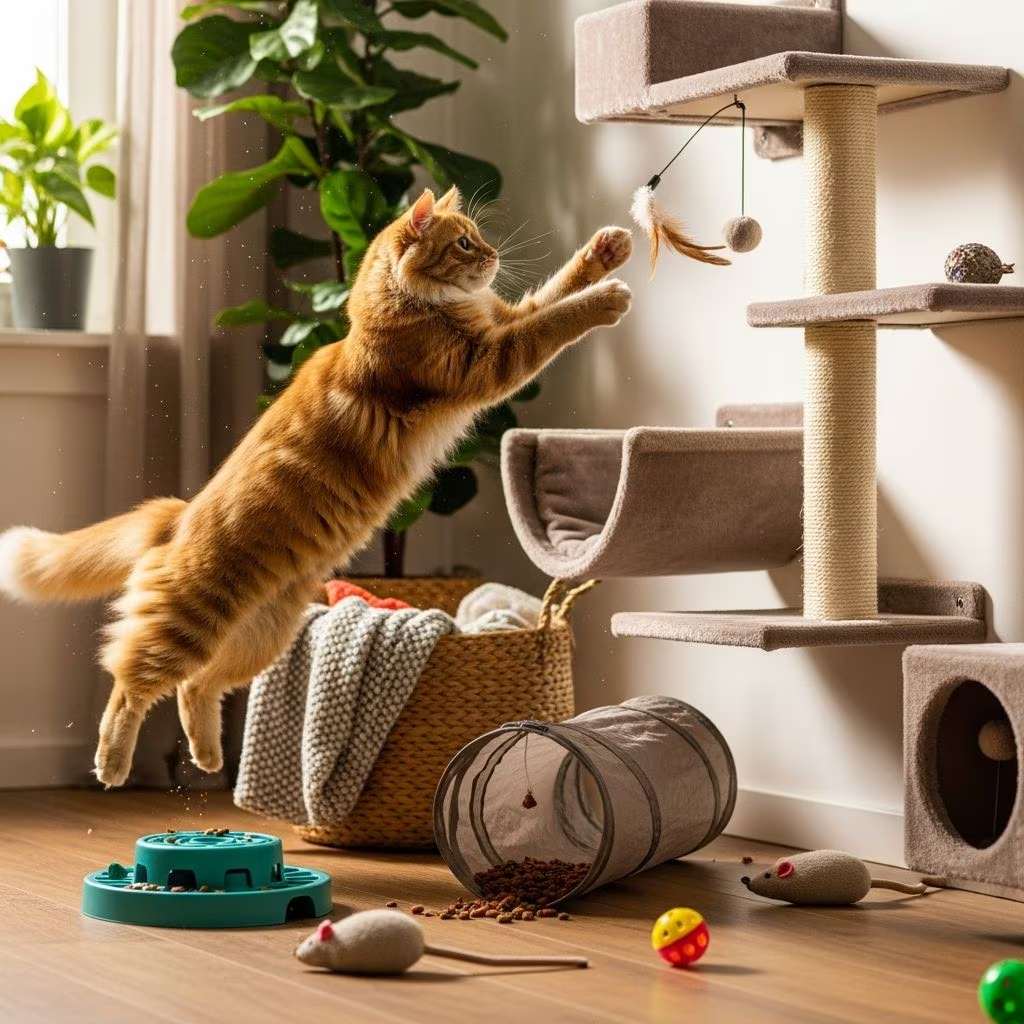
Environmental enrichment is the practice of creating a stimulating and engaging living environment that encourages cats to express their natural behaviors while improving their overall well-being. Many cat owners focus on providing food, water, and shelter, but overlook one crucial element: mental and physical stimulation. Without proper enrichment, indoor cats can develop behavioral problems and health issues that affect their quality of life.
What is Environmental Enrichment for Cats?
Environmental enrichment strengthens a cat’s living situation by providing opportunities for natural behaviors that support physical health and emotional well-being. Rather than being a luxury, enrichment is a necessity for indoor cats who lack the natural stimulation available in outdoor environments. When cats don’t have adequate outlets for their natural instincts, they often develop destructive or problematic behaviors as a way to cope with boredom and stress.
The goal is to create an environment of plenty for your cat—one that offers abundant room, multiple litter boxes, fresh water, and engaging activities. This comprehensive approach ensures your feline friend has everything needed to thrive mentally and physically.
Why Environmental Enrichment Matters for Your Cat
Physical Health Benefits
When cats engage in enrichment activities, they become more active and maintain better physical health. Regular activity strengthens muscles, keeps bones strong, and helps cats maintain a healthy appetite and weight. Active cats are less likely to develop obesity-related health problems, which plague many indoor felines.
Mental and Emotional Well-Being
Cats are intelligent, curious creatures that require mental stimulation. Without it, they can develop anxiety, depression, and stress-related behaviors. When provided with positive experiences in a stimulating environment, cats develop greater confidence and adaptability to life changes. Conversely, a stressful or boring environment contributes to an unhappy, anxious cat.
Stress Relief and Behavioral Prevention
Enrichment provides healthy outlets for energy release. Without these outlets, cats may develop destructive or self-injurious behaviors such as:
- Over-grooming and hair loss
- Inappropriate scratching and chewing
- Aggression toward other pets
- Inappropriate elimination outside the litter box
- Excessive meowing or vocalization
- Social withdrawal and isolation
- Compulsive behaviors
By providing appropriate enrichment, you give your cat something constructive to do, reducing the likelihood of these problematic behaviors.
Dopamine Release and Emotional Benefits
During playtime, cats experience a release of dopamine, a brain chemical associated with eager anticipation and pleasure. Play mimics hunting, providing both emotional and physical benefits. The good news is that cats can experience all the satisfaction of hunting through interactive play without requiring live prey.
Signs Your Cat Needs More Enrichment
Even if your cat seems fine, enrichment activities are beneficial for all cats. However, watch for these specific signs indicating your cat would particularly benefit from increased environmental enrichment:
- Fighting or aggressive behavior with other cats
- Destruction of furniture, especially scratching couches and other upholstery
- Urinating or defecating outside the litter box
- Being overweight but showing little interest in play
- Overgrooming to the point of visible baldness or skin irritation
- Excessive meowing or attention-seeking behavior
- Lethargy and lack of interest in surroundings
Essential Enrichment Strategies for Indoor Cats
Create Vertical Space
Cats are vertical creatures that naturally seek elevated positions for napping, security, and observation. In multi-cat households, vertical space also allows cats to escape from conflicts. Providing vertical enrichment increases the overall usable space in your home while satisfying natural cat behaviors.
Vertical enrichment options include:
- Cat trees and condos with multiple levels and hiding spots
- Wall-mounted shelves and catwalks
- Window perches for bird watching and sunbathing
- Cat furniture with lounging areas at varying heights
To encourage cats to use vertical spaces, try placing treats or portions of meals on the cat tree. Regularly moving perches and rearranging furniture mimics a changing outdoor environment and encourages exploration.
Window Perches and Bird Watching
Windows provide significant mental stimulation as cats observe outdoor activity. Set up bird feeders visible from your cat’s favorite window perches to create a living entertainment system. Ensure bird feeders are positioned where neighborhood cats cannot enter your yard, preventing stress to your own cat.
Scratching Surfaces and Vertical Scratchers
Scratching is a natural, essential behavior for cats. Rather than discouraging this behavior, provide multiple appropriate scratching surfaces throughout your home. Options include:
- Vertical scratching posts
- Horizontal scratching pads
- Corner scratchers
- Angled scratching ramps
- Cardboard scratchers
Interactive and Object Play
Cats benefit from both interactive play (with you) and solo play. Interactive play involves using fishing pole-type toys, feather wands, or laser pointers to engage your cat directly. These sessions mimic hunting and provide valuable bonding time.
Object play allows cats to entertain themselves with toys they can bat, chase, and pounce on. Rotate toys regularly to maintain novelty and excitement.
Tunnels and Hidden Spaces
Fabric tunnels provide enrichment through play and hiding opportunities. You can purchase commercial tunnels or create DIY versions by taping paper bags or boxes together. These confined spaces appeal to cats’ natural desire for security and concealment.
Food-Based Enrichment and Puzzle Feeders
Food-dispensing toys, also called puzzle feeders, transform mealtime into an enriching activity. Even basic puzzle feeders—plastic balls with holes where food randomly falls out as cats roll them—provide stimulation. This approach works whether you’re home or away and makes feeding time engaging rather than routine.
Water Enrichment
Many cats prefer moving water to still water in bowls. A cat water fountain provides multiple benefits: it encourages hydration, creates enriching sounds, and appeals to natural feline preferences. The trickling sounds and movement offer ongoing entertainment and mental stimulation.
Olfactory and Scent Enrichment
Cats are sensory-driven animals that respond strongly to scent. Provide olfactory enrichment several times weekly through:
- Catnip: High-quality catnip stored in sealed containers sparks playtime and engagement
- Silver vine: An alternative to catnip that appeals to cats who don’t respond to catnip
- Natural scents: Seasonal materials like fall leaves, winter snow, spring grass (pesticide-free), and bird feathers (washed) provide novel scents and textures
Cardboard Boxes and Paper Bags
The relationship between cats and boxes is legendary, and for good reason. Cardboard boxes and paper bags offer free enrichment that cats adore. These items provide security, comfort, and tactile stimulation. However, always remove handles from paper bags and avoid plastic bags due to choking and suffocation risks.
Cat Grass
Although obligate carnivores, cats benefit from grass, which aids digestion and elimination. Cat grass (specifically grown for felines) allows indoor cats to satisfy the urge to nibble on vegetation while gaining nutritional benefits. It also redirects cats away from houseplants you wish to protect.
Catios: Safe Outdoor Access
One of the best enrichment options is a catio—an enclosed outdoor space where cats safely enjoy fresh air, sunshine, and natural stimulation without exposure to cars, predators, diseases, or the ability to harm wildlife. Options range from small window boxes to elaborate custom structures.
Companionship and Social Enrichment
A second cat can provide social interaction and companionship in appropriate households. For single-cat homes, rotating toys and rearranging climbing spaces keeps the environment fresh and stimulating. Regular interaction and playtime with humans also provides essential social enrichment.
Customizing Enrichment to Your Cat
Environmental enrichment should be customized to fit your individual cat’s age, mobility, and health factors. Young cats may thrive with intense interactive play and climbing challenges, while senior cats benefit from lower-impact enrichment like window perches and puzzle feeders they can access easily.
Some cats naturally gravitate toward physical activity, while others prefer quieter mental stimulation. Observe your cat’s preferences and tailor enrichment accordingly. What excites one cat may not engage another, so experimentation and adjustment are key.
The Role of Indoor Living in Cat Safety
While environmental enrichment is essential, understanding why indoor living matters provides context for prioritizing enrichment. Indoor cats live two to three times longer than outdoor cats, protected from serious dangers including cars, predators, toxins, and diseases like FIV and FeLV. Beyond benefiting individual cats, keeping cats indoors protects wildlife from predation.
Given these facts, creating an enriched indoor environment becomes even more critical—it allows cats to live long, healthy lives while meeting their behavioral and psychological needs without the risks of outdoor life.
Frequently Asked Questions About Cat Enrichment
Q: What is the minimum amount of daily enrichment a cat needs?
A: While specific time requirements vary by cat, interactive play should occur multiple times daily. Most experts recommend at least 10-15 minutes of dedicated playtime with your cat, though more is generally better. Additionally, environmental enrichment should be constantly available through toys, scratchers, perches, and other stimulating elements.
Q: Can enrichment prevent destructive behavior in cats?
A: Yes, proper environmental enrichment significantly reduces or eliminates many destructive behaviors by providing appropriate outlets for natural instincts. When cats have adequate stimulation, scratching surfaces, climbing opportunities, and play, they’re far less likely to scratch furniture or develop other problematic behaviors.
Q: Is enrichment necessary for cats that seem content?
A: Absolutely. All cats benefit from enrichment regardless of whether they show obvious signs of boredom or stress. Enrichment promotes physical health, mental well-being, and allows cats to express natural behaviors. Many cats appear content due to learned helplessness but would thrive with increased stimulation.
Q: How often should I rotate toys and rearrange furniture?
A: Rotate toys every one to two weeks to maintain novelty. Rearrange climbing spaces and perches monthly or whenever it feels natural. This mimics environmental changes cats would experience outdoors and keeps the home interesting.
Q: Are there budget-friendly enrichment options?
A: Yes, many enrichment options are free or very inexpensive, including cardboard boxes, paper bags (handles removed), DIY tunnels from taped paper bags, natural items from outside (leaves, grass, bird feathers), and interactive play with household items. These options are just as enriching as expensive alternatives.
Q: Can enrichment help with aggressive behavior between cats?
A: Yes, providing abundant vertical space, multiple resources, hiding spots, and enrichment activities can reduce conflict. When cats have adequate space and outlets for energy, aggression typically decreases. Individual attention and play sessions also help manage tension.
Conclusion: Making Enrichment a Priority
Environmental enrichment is not a luxury—it’s a necessity for indoor cats to live full, healthy, and behaviorally balanced lives. By implementing comprehensive enrichment strategies tailored to your cat’s individual needs, you create an environment where your feline friend can thrive physically, mentally, and emotionally. From vertical spaces and interactive play to puzzle feeders and natural scents, the options are abundant and adaptable to any home or budget. Start implementing enrichment strategies today and watch your cat flourish.
References
- What is Environmental Enrichment and Why Does Your Cat Need It? — Cat Behavior Associates. https://catbehaviorassociates.com/what-is-environmental-enrichment-and-why-does-your-cat-need-it/
- Environmental Enrichment for Indoor Cats — The Drake Center. https://www.thedrakecenter.com/resources/materials/cats/environmental-enrichment-indoor-cats
- Ask the Vet – Indoor Cat Environmental Enrichment — CAMP LA. https://www.campla.org/post/ask-the-vet-indoor-cat-environmental-enrichment
- Environmental Enrichment for Cats — Danbury Animal Welfare Society. https://daws.org/environmental-enrichment-for-cats/
- Why Enrichment is Essential for a Happy, Healthy Indoor Cat — Atlanta Humane Society. https://atlantahumane.org/blog/cattopia/
- Environmental Enrichment for Your Cat — Meowbox. https://www.meowbox.com/blogs/news/environmental-enrichment-for-your-cat



