

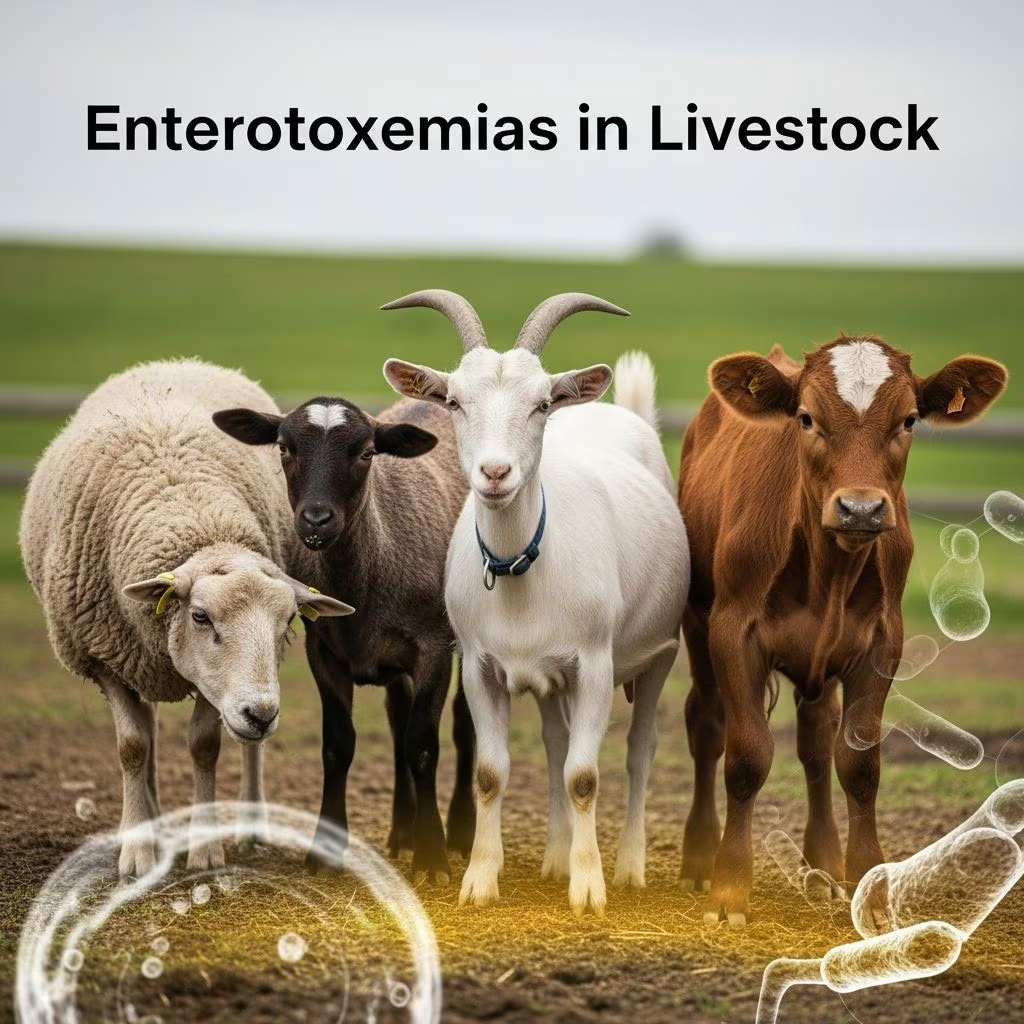
Enterotoxemias represent a group of rapidly progressing, often fatal diseases in livestock caused by toxins produced by Clostridium perfringens, a bacterium ubiquitous in soil and animal intestines. These conditions strike hardest in young animals, leading to high mortality rates if not prevented through targeted strategies. Understanding the distinct roles of toxin types A through E is essential for effective management in sheep, goats, cattle, pigs, and foals.
Bacterial Culprits and Toxin Mechanisms
Clostridium perfringens thrives in anaerobic environments, proliferating explosively when gut conditions favor it, such as sudden dietary shifts or reduced motility. Different types produce specific toxins: type A unleashes alpha toxin causing hemolysis; type B and C generate beta toxin, which destroys intestinal linings; type D’s epsilon toxin targets vascular endothelium leading to edema; and type E produces iota toxin for necrotic damage.
Predisposing factors include high-energy feeds promoting bacterial overgrowth, trypsin inhibitors in colostrum that protect beta toxin from breakdown, and stressors like parasitism or irregular feeding. In ruminants, carbohydrate overload bypasses rumen fermentation, delivering fermentable substrate to the lower gut.
Clinical Manifestations Across Species
Symptoms vary by type and host but share rapid onset. Peracute cases often result in sudden death without prior signs, while acute forms show neurological distress or enteritis.
Sheep and Goats
- Type D (Pulpy Kidney/Overeating Disease): Common in lambs and kids 3-10 weeks old on heavy-milking dams. Signs include excitement, convulsions, opisthotonos, frothing, and death within hours. Hyperglycemia and glucosuria reflect epsilon toxin’s systemic effects.
- Type C: Affects neonates with hemorrhagic diarrhea, colic, and shock. Subacute cases may lead to focal symmetrical encephalomalacia (FSE), causing ataxia, weakness, and weight loss.
Cattle and Calves
- Type A abomasitis features tympany, ulceration, and gas production causing dilatation. Type B/C cause bloody dysentery in neonates up to 10 days old.
- Adult ‘struck’ from type C presents with colic and rigidity.
Pigs and Foals
In piglets, type C beta toxin induces necrotic enteritis, exacerbated by sow colostrum inhibitors. Foals show similar hemorrhagic colitis.
| Toxin Type | Main Diseases | Affected Animals | Key Toxin Effect |
|---|---|---|---|
| A | Yellow lamb disease, abomasitis | Lambs, calves, pigs | Hemolysis, necrosis |
| B | Lamb dysentery | Lambs, calves, foals | Intestinal hemorrhage |
| C | Hemorrhagic enterocolitis, struck | Neonates (multi-species), adults (sheep) | Necrotizing beta toxin |
| D | Pulpy kidney, overeating | Lambs, kids, calves | Endothelial damage, edema |
| E | Necrotic enteritis | Goats, calves | Binary toxin disruption |
Risk Factors and Outbreak Triggers
Outbreaks cluster under specific conditions. Sudden feed changes, creep feeding initiation, or lush pasture access spike type D in rapidly growing lambs. Neonatal type C/D surges when dams lack immunity, leaving offspring vulnerable during colostrum’s trypsin-inhibiting phase. Heavy parasite loads or intermingled age groups at feeders compound risks by slowing gut transit.
In goats, type C more frequently causes diarrhea than in sheep, where neurological collapse predominates. Calves face compounded threats from poor milk quality fostering type A proliferation.
Diagnostic Approaches
Diagnosis hinges on history, necropsy, and lab confirmation. Gross findings include fluid-filled intestines, hemorrhagic mucosa, and pulpy kidneys (type D). Histology reveals necrosis, edema, and gram-positive rods. Toxin detection via ELISA on intestinal contents or fluorescence confirms type. Anaerobic culture supports but nonspecific due to commensal presence.
Differentiate from salmonellosis (fibrinonecrotic vs. hemorrhagic) or tetanus (rigidity without diarrhea). In peracute deaths, history of recent feed changes is telling.
Treatment Challenges and Protocols
Treatment success is low due to toxin’s speed. Early intervention may stabilize:
- Hyperimmune antitoxin (C/D specific, 5mL SC) to neutralize circulating toxins.
- Penicillin or broad-spectrum antibiotics targeting bacteria.
- Symptomatics: antacids, anti-bloat, analgesics, thiamine for encephalomalacia.
- Fluids and NSAIDs for shock/dehydration.
In outbreaks, treat all at-risk neonates with antitoxin at birth if dams unvaccinated. Most cases progress too fast for efficacy.
Prevention: Vaccination as Cornerstone
Vaccination of pregnant dams provides colostral antibodies lasting months. Protocols:
- Last trimester: Two doses 4-6 weeks apart, then annual boosters pre-lambing/kidding.
- Neonates from unvaccinated dams: Antitoxin at birth + vaccinate at 6-8 weeks with booster 3-4 weeks later.
- Combine with tetanus toxoid for broader clostridial coverage.
Management complements: gradual feed introductions, deworming, ample bunk space, avoid mixing sizes. Limit creep feed to prevent gorging.
Species-Specific Management Strategies
Sheep Flocks
Monitor for sudden deaths post-weaning. Vaccinate ewes 30 days pre-lambing; booster lambs pre-feedlot.
Goat Herds
Kids prone to diarrhea-heavy type C; emphasize dam vaccination and monitor milkers.
Cattle Operations
Focus on neonatal colostrum quality; vaccinate cows for types B/C in endemic areas.
Emerging Insights and Research Gaps
Associations like type A with hemorrhagic bowel syndrome in cattle remain unproven; stasis may favor overgrowth rather than causation. Ongoing studies refine toxin pathogenesis and vaccine efficacy across breeds.
Frequently Asked Questions (FAQs)
What is the most common enterotoxemia in lambs?
Type D, or pulpy kidney disease, triggered by overeating high-energy feeds.
Can enterotoxemia be treated successfully?
Rarely in advanced cases; antitoxin and antibiotics work best early.
How do I vaccinate for prevention?
Dams get two doses late pregnancy, annual boosters; kids/lambs at 6-8 weeks + booster.
What causes sudden death in weaned lambs?
Often type D epsilon toxin causing cerebral edema after gorging.
Is enterotoxemia contagious?
No, it’s toxin-mediated from endogenous bacteria, not spread animal-to-animal.
References
- Enterotoxemias in Animals — Merck Veterinary Manual. 2023. https://www.merckvetmanual.com/infectious-diseases/clostridial-diseases/enterotoxemias-in-animals
- Enterotoxemia in Sheep and Goats — University of Georgia College of Veterinary Medicine. 2022-10-15. https://vet.uga.edu/enterotoxemia-in-sheep-and-goats/
- Enterotoxemia in Sheep and Goats — Texas A&M Veterinary Medical Diagnostic Laboratory. 2023. https://tvmdl.tamu.edu/case-studies/enterotoxemia-in-sheep-and-goats/
- Clostridial Abomasitis and Enteritis in Ruminants — PubMed Central (PMC). 2020-03-15. https://pmc.ncbi.nlm.nih.gov/articles/PMC7127689/
- Enterotoxaemia — Veterinary Handbook. 2024. https://www.veterinaryhandbook.com.au/Diseases.aspx?diseasenameid=78
- Clostridial Diseases — Cornell University Animal Health Diagnostic Center. 2023. https://www.vet.cornell.edu/animal-health-diagnostic-center/programs/nyschap/modules-documents/clostridial-diseases



