

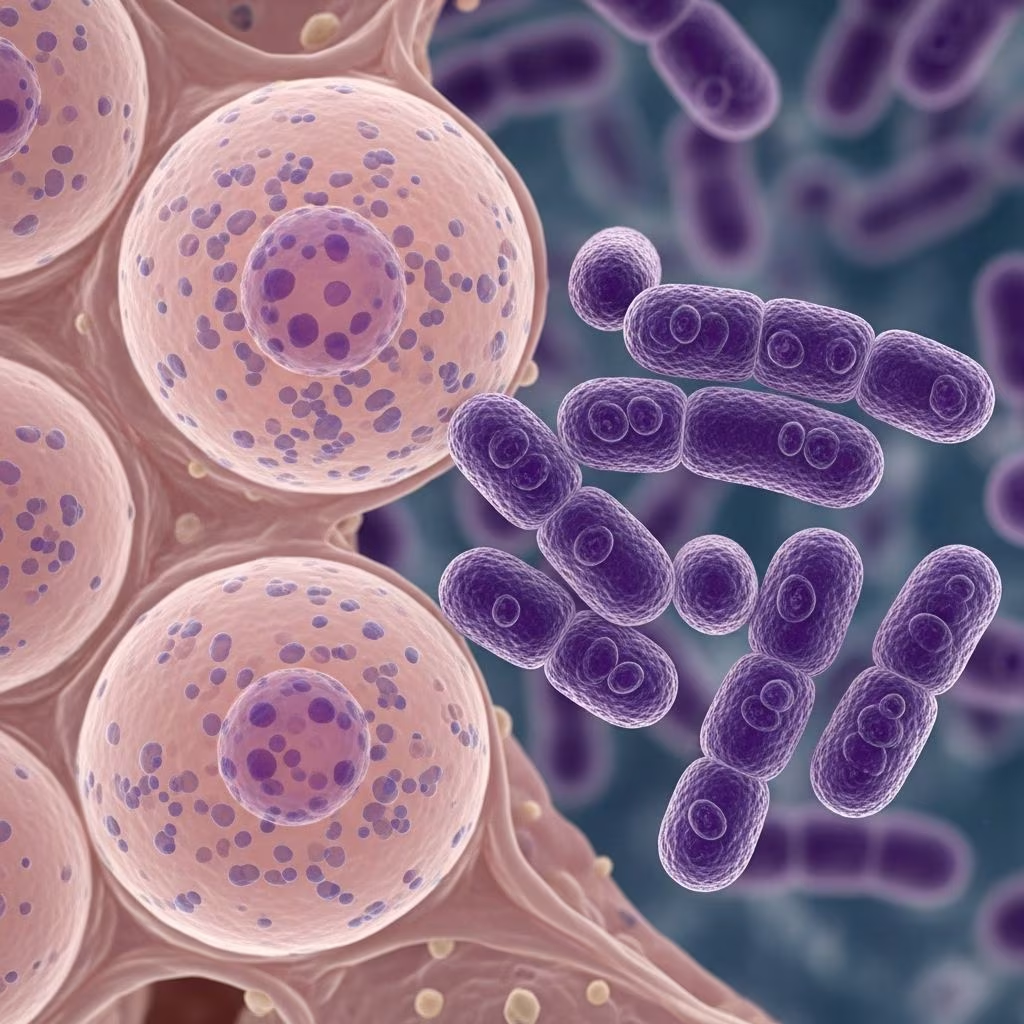
Enterococcus faecium serves as a key probiotic ingredient in many dog foods and supplements, promoting gut balance and overall wellness in canines. This bacterium, naturally present in animal intestines, withstands harsh conditions to deliver targeted health advantages.
The Fundamentals of Enterococcus Faecium as a Probiotic
Probiotics like Enterococcus faecium are live microorganisms that confer health benefits when administered in adequate amounts. In dogs, this strain populates the gastrointestinal tract, aiding in the maintenance of a healthy microbial environment. Its resilience to extreme temperatures and salinity makes it ideal for inclusion in commercial pet products, ensuring viability through processing and storage.
Found naturally in the intestinal flora of both humans and animals, Enterococcus faecium thrives as a facultative anaerobe. Pet food manufacturers incorporate it to support digestion, particularly during dietary transitions or after disruptions like antibiotic therapy. By fostering beneficial bacteria growth, it helps prevent common stomach issues and promotes regular bowel movements.
Primary Health Advantages for Dogs
One of the standout benefits of Enterococcus faecium is its ability to normalize fecal consistency. Studies indicate that supplementation leads to firmer stools and reduced diarrhea incidence, crucial for dogs experiencing stress or diet changes.
Immune system enhancement represents another critical area. Research on young dogs shows that dietary inclusion of Enterococcus faecium SF68 stimulates specific immune functions, potentially offering protective effects against pathogens. This is particularly valuable during vulnerable growth phases.
- Digestive Support: Balances gut flora, eases transitions to new foods, and counters antibiotic-induced imbalances.
- Immune Boost: Enhances immune responses, as evidenced in controlled trials with puppies.
- Stress Relief: Mitigates gastrointestinal upset from environmental changes or travel.
Scientific Evidence Supporting Efficacy
Clinical investigations provide robust backing for Enterococcus faecium’s role in canine nutrition. A study examining its effects on healthy dogs found no adverse impact on liver function, with noted changes in lipid profiles including decreased cholesterol and elevated triglycerides. These shifts suggest metabolic influences worth monitoring in long-term use.
In dogs with food-responsive diarrhea (FRD), synbiotics containing Enterococcus faecium showed subtle shifts in fecal microbial diversity. While not dramatically altering overall composition, there was a modest increase in species variety, hinting at stabilizing effects on dysbiotic guts. Importantly, these changes were not solely due to dietary modifications, pointing to the probiotic’s independent contribution.
Taxonomic analyses from such trials reveal increased Enterococcus genus presence in treated FRD dogs, contrasting with Clostridia elevations in placebo groups. No major phylum-level disruptions occurred with synbiotic use, unlike diet-alone interventions that reduced Actinobacteria and Bacteroidetes.
Potential Drawbacks and Side Effects
Despite its benefits, Enterococcus faecium carries risks, notably antibiotic resistance. This strain’s survival prowess extends to resisting multiple antibiotics, potentially fostering resistant populations in a dog’s gut. Over time, repeated exposure via food could complicate treatment of infections, as pathogens might evade standard therapies.
Initial probiotic introduction may trigger transient digestive upset, including diarrhea, vomiting, or gas. These symptoms typically resolve as the gut adapts, but monitoring is essential, especially in sensitive dogs.
| Benefit | Evidence | Potential Risk | Mitigation |
|---|---|---|---|
| Gut Balance | Normalizes stools | Resistance buildup | Use intermittently |
| Immune Support | Enhances functions | Digestive upset | Start low dose |
| Microbiome Stability | Increases diversity | Lipid changes | Vet monitoring |
When and How to Use in Dogs
Incorporate Enterococcus faecium via probiotic supplements or fortified kibble. Dosages vary, but high-strength formulas deliver billions of colony-forming units per serving to effectively colonize the gut.
Ideal scenarios include post-antibiotic recovery, weaning puppies, or seniors with irregular digestion. Consult a veterinarian before starting, particularly for dogs with chronic conditions or on medications.
- Assess your dog’s needs: Digestive issues or immune challenges?
- Select vet-approved products with stable strains like SF68 or NCIMB 10415.
- Introduce gradually over 7-10 days.
- Observe for 2-4 weeks; adjust based on response.
Distinguishing Strains: Faecium vs. Faecalis
Enterococcus faecalis, a related species, also inhabits dog guts but poses higher pathogenic risks. Normally benign, it can cause UTIs, wound infections, or systemic issues in immunocompromised pets. Unlike faecium’s probiotic focus, faecalis often requires management in clinical settings due to its opportunistic nature.
Probiotic applications prioritize faecium for its safety profile and documented benefits, avoiding faecalis strains linked to resistance in hospital environments.
Integrating with Broader Canine Wellness
Combine Enterococcus faecium with prebiotics like FOS for synbiotic effects, enhancing microbial shifts without fiber overload. Hydrolyzed diets pair well, maintaining low fiber while supporting recovery in FRD cases.
Regular veterinary check-ups ensure no unintended lipid or resistance developments. For healthy dogs, routine inclusion in balanced diets suffices without excess supplementation.
Frequently Asked Questions
Is Enterococcus faecium safe for all dogs?
Generally yes for healthy dogs, but those with compromised immunity or antibiotic histories need veterinary oversight due to resistance concerns.
How long until benefits appear?
Improvements in stool quality often emerge within 1-2 weeks, with immune effects building over months.
Can it replace antibiotics?
No; it supports prevention but doesn’t treat active infections, and overuse may hinder antibiotic efficacy.
What if my dog shows side effects?
Pause supplementation and consult a vet; symptoms like prolonged diarrhea warrant professional evaluation.
Are human probiotics suitable for dogs?
Avoid them; canine-specific formulas like Enterococcus faecium match dog gut flora better, reducing risks.
Expert Recommendations for Pet Owners
View Enterococcus faecium as a supportive tool, not a cure-all. Prioritize diet quality, exercise, and stress reduction alongside probiotics for holistic health. Track changes via fecal scoring and vet visits to optimize outcomes.
References
- Enterococcus Faecium in Your Dog’s Food — WagWalking. Accessed 2026. https://wagwalking.com/wellness/enterococcus-faecium-in-your-dogs-food
- 7 Probiotics Side Effects in Dogs — Honest Paws. Accessed 2026. https://www.honestpaws.com/blogs/probiotics/dog-probiotic-side-effects
- Administration of a Synbiotic Containing Enterococcus faecium… — NIH/PMC. 2019-10-01. https://pmc.ncbi.nlm.nih.gov/articles/PMC6735529/
- How Dogs Get Enterococcus faecalis | Risk Factors — Sustainable Vet. Accessed 2026. https://www.sustainablevet.org/blog/how-dogs-get-enterococcus-faecalis
- Enterococcus faecium for dogs and cats — Nutravet. Accessed 2026. https://www.nutravet.co.uk/enterococcus-faecium-for-dogs-and-cats/
- Probiotics in cats and dogs Fact Sheet — Davies Veterinary Specialists. Accessed 2026. https://www.vetspecialists.co.uk/fact-sheets-post/probiotics-use-in-cats-and-dogs-fact-sheet/



