

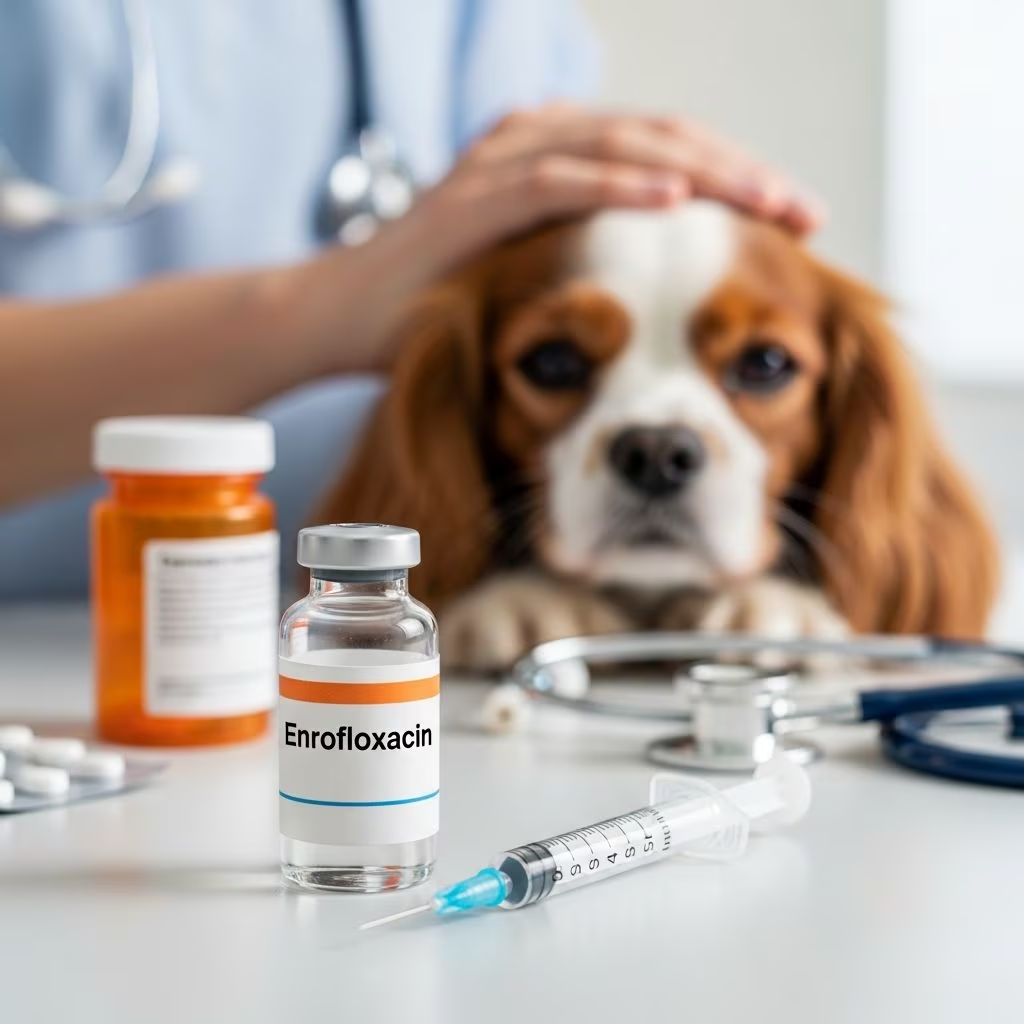
Understanding Enrofloxacin: An Overview
Enrofloxacin, commonly known by its brand name Baytril, is a broad-spectrum antibiotic belonging to the fluoroquinolone class of medications. This powerful antimicrobial agent is widely used in veterinary medicine to treat bacterial infections in various animal species, including dogs, cats, cattle, horses, swine, and other animals. As a fluoroquinolone antibiotic, enrofloxacin works by inhibiting bacterial DNA gyrase, an enzyme essential for bacterial DNA replication, thereby effectively stopping bacterial growth and eliminating infections.
Enrofloxacin is FDA-approved for veterinary use and is considered a valuable tool in the veterinarian’s arsenal, particularly for treating infections that do not respond to first-line antibiotics or when broad-spectrum coverage is necessary. Understanding how this medication works, its appropriate uses, dosing guidelines, and potential side effects is crucial for pet owners whose animals may require this treatment.
What is Enrofloxacin Used For?
Enrofloxacin is prescribed for a variety of bacterial infections across different animal species. Its broad-spectrum nature makes it effective against numerous gram-positive and gram-negative bacteria, as well as some atypical organisms.
Common Uses in Dogs
In dogs, enrofloxacin is FDA-approved to treat bacterial infections including:
– Urinary tract infections (UTIs)
– Skin and soft tissue infections (pyoderma)
– Respiratory tract infections and pneumonia
– Gastrointestinal infections
– Orthopedic infections and sepsis
Veterinarians typically reserve enrofloxacin for more serious infections or cases where other antibiotics have proven ineffective, helping to minimize antibiotic resistance development.
Use in Cats
Cats can also be treated with enrofloxacin for bacterial infections, though this species requires careful consideration due to potential adverse effects. Feline infections treated with enrofloxacin include respiratory infections, urinary tract infections, and skin infections. However, special precautions must be taken with cats, as discussed in the safety section below.
Use in Other Animals
Enrofloxacin is also utilized in cattle, horses, swine, and other livestock for treating respiratory infections, gastrointestinal disorders, and other bacterial conditions. The dosing and administration routes vary significantly between species based on their metabolism and the specific condition being treated.
Dosage Guidelines for Different Species
Proper dosing is critical for ensuring treatment efficacy while minimizing the risk of adverse effects and antibiotic resistance. Dosage varies considerably based on the species being treated, the type of infection, severity of the condition, and individual animal factors.
Dosage in Dogs
For dogs, the typical dosage range is 5 to 20 mg/kg administered once daily via oral, intravenous, or subcutaneous routes. The specific dose depends on several factors:
– For mild skin or urinary tract infections: 5-10 mg/kg once daily
– For deep infections, lower respiratory infections, or complicated UTIs: 5-20 mg/kg once daily
– For sepsis or orthopedic infections: 10-20 mg/kg once daily
Treatment duration typically ranges from 7 to 30 days, with most infections resolving within 7-14 days when responding well to therapy. The higher end of the dosage range is often preferred for infections caused by Pseudomonas aeruginosa, a particularly challenging pathogen.
Dosage in Cats
Cats require a more conservative dosing approach due to their sensitivity to fluoroquinolones. The recommended dose for cats is 5 mg/kg administered once daily via oral, intravenous, or subcutaneous routes. This should not exceed a maximum daily dose of 5 mg/kg. For dosing flexibility, some protocols allow 2.5 mg/kg twice daily, which maintains the same total daily dose. Treatment duration should not exceed 30 days, with most infections improving within 7-14 days. It is crucial that enrofloxacin be used in cats only when other antimicrobial options are unavailable, due to the risks discussed in the safety section.
Dosage in Other Animals
Livestock and other species have their own established dosing protocols. For cattle, the typical dose is 2.5 to 5 mg/kg administered subcutaneously for 3 to 5 days. Horses receive 5 to 7.5 mg/kg orally or 5 to 6 mg/kg intravenously once daily. Swine typically receive a single dose of 7.5 mg/kg via intramuscular or subcutaneous injection. Young foals and growing animals require special consideration due to the risk of cartilage damage from fluoroquinolones.
Administration Guidelines
Proper administration of enrofloxacin is essential for optimal therapeutic outcomes. The medication can be administered through multiple routes, each with specific considerations for effectiveness and practicality.
Oral Administration
Oral administration is the most common route for both dogs and cats. The medication is best absorbed on an empty stomach, ideally given 1 to 2 hours before or after meals. However, if gastrointestinal upset occurs, a small amount of food can be given with the medication. Importantly, high-calcium foods such as cheese, dairy products, and calcium supplements should be avoided, as they can significantly interfere with the absorption of enrofloxacin and reduce its effectiveness.
Injectable Administration
When intravenous or subcutaneous administration is necessary, the medication should be administered as directed by the veterinarian. Injectable forms are often used in hospitalized animals or when rapid drug levels are needed for serious infections. For subcutaneous injections, the injection site volume should not exceed recommended limits (typically 15-20 mL depending on the species) to minimize tissue irritation.
Treatment Duration
Following the prescribed treatment duration is critical. Pet owners should complete the full course of antibiotics as prescribed, even if the pet appears to improve before the medication runs out. Discontinuing treatment prematurely can lead to incomplete infection resolution and contribute to antibiotic resistance.
Potential Side Effects and Safety Concerns
While enrofloxacin is generally well-tolerated at appropriate doses, several important safety concerns must be considered, particularly in specific animal populations.
Retinal Degeneration in Cats
The most significant concern with enrofloxacin use in cats is the potential for retinal degeneration and blindness. This adverse effect is particularly concerning because it may be irreversible. Due to this risk, the maximum daily dose in cats must not exceed 5 mg/kg, and the medication should only be used when no suitable alternative antibiotics are available. Cat owners should monitor their pets for any vision changes during treatment.
Cartilage Damage in Young Animals
Enrofloxacin should not be used in young, growing animals due to its adverse effects on cartilage development. This is a class effect of fluoroquinolone antibiotics. Young foals, puppies, and kittens are particularly vulnerable to this complication, which can result in permanent joint damage and lameness. Special caution is advised when considering fluoroquinolone use in any animal under one year of age.
Gastrointestinal Effects
Some animals may experience gastrointestinal upset, including nausea, vomiting, or diarrhea when taking enrofloxacin. If gastrointestinal upset occurs, administering the medication with a small amount of food may help alleviate symptoms. However, pet owners should contact their veterinarian if severe or persistent gastrointestinal signs develop.
Other Considerations
Other potential side effects, though less common, may include neurological effects, tendon problems (though rare in veterinary species compared to humans), and photosensitivity in some animals. Pets receiving enrofloxacin should be monitored for any unusual changes in behavior or health status.
When Enrofloxacin is Recommended
Enrofloxacin is most commonly recommended in specific clinical situations rather than as a first-line antibiotic for all bacterial infections. Understanding when this medication is appropriate helps optimize treatment outcomes and reduces unnecessary antibiotic use.
Resistant Infections
Enrofloxacin is particularly valuable for treating infections that have failed to respond to standard first-line antibiotics such as amoxicillin or amoxicillin-clavulanate. When routine antibiotics prove ineffective, enrofloxacin’s broader spectrum often provides effective treatment.
Severe or Complicated Infections
Serious infections such as sepsis, deep tissue infections, orthopedic infections, or complicated urinary tract infections may require the potent antimicrobial activity provided by enrofloxacin, particularly at the higher end of the dosing range.
Pseudomonas Infections
Pseudomonas aeruginosa is an important pathogen that can cause difficult-to-treat infections in soft tissues and other body systems. Enrofloxacin is one of the few oral antibiotics with reliable activity against Pseudomonas and is often chosen for these infections.
Drug Interactions and Precautions
Pet owners should be aware that enrofloxacin can interact with certain other medications and substances. High-calcium supplements, antacids containing aluminum or magnesium, and iron supplements can reduce enrofloxacin absorption if given simultaneously. These should ideally be separated by at least 2 hours from enrofloxacin administration.
Pets with severe liver or kidney disease may require dose adjustments, as these organs are responsible for metabolizing and excreting enrofloxacin. Pet owners should inform their veterinarian of any other medications their pet is receiving before starting enrofloxacin therapy.
Monitoring During Treatment
While receiving enrofloxacin, pets should be monitored for treatment response and any adverse effects. Improvement in clinical signs typically occurs within 48-72 hours for most bacterial infections. If no improvement is noted after several days, or if the infection appears to worsen, pet owners should contact their veterinarian for reassessment.
Regular monitoring is especially important in cats receiving enrofloxacin due to the risk of retinal degeneration. Any changes in the pet’s vision, such as reluctance to move around in dim lighting or bumping into objects, should be reported immediately to the veterinarian.
Frequently Asked Questions About Enrofloxacin
Q: Is enrofloxacin safe for all pets?
A: While enrofloxacin is generally safe when used appropriately, it requires special precautions in cats due to the risk of retinal degeneration, and should be avoided in young, growing animals due to potential cartilage damage. It is best used under veterinary supervision.
Q: Can I give enrofloxacin with food?
A: While enrofloxacin is best absorbed on an empty stomach, a small amount of food can be given if gastrointestinal upset occurs. However, avoid high-calcium foods like cheese and dairy products, as they interfere with absorption.
Q: How long does enrofloxacin take to work?
A: Most pets begin showing clinical improvement within 48-72 hours of starting enrofloxacin therapy, though complete resolution may take 7-14 days depending on the infection severity.
Q: What should I do if I miss a dose?
A: If a dose is missed, give it as soon as remembered unless it is almost time for the next scheduled dose. Never double-dose to make up for a missed dose.
Q: Are there alternatives to enrofloxacin?
A: Yes, many alternative antibiotics exist for treating bacterial infections. Your veterinarian will recommend enrofloxacin when other options are unavailable or ineffective, or when the infection severity warrants its use.
Q: Can enrofloxacin be used long-term?
A: Enrofloxacin is typically used for 7-30 days depending on the infection type and response to therapy. Long-term use is generally avoided unless specifically directed by your veterinarian.
Q: What are signs of serious side effects?
A: Contact your veterinarian immediately if your pet experiences vision changes, severe vomiting or diarrhea, lethargy, or any other concerning symptoms during enrofloxacin treatment.
Conclusion
Enrofloxacin represents an important tool in veterinary medicine for treating serious bacterial infections, particularly those resistant to first-line antibiotics. When used appropriately under veterinary supervision, with proper dosing for each species, and with awareness of potential side effects, enrofloxacin can provide effective treatment for dogs, cats, and other animals. Pet owners should work closely with their veterinarians to ensure this medication is used appropriately and that their pets receive proper monitoring during treatment. Understanding the uses, benefits, and limitations of enrofloxacin helps ensure optimal outcomes and responsible antibiotic stewardship in veterinary medicine.
References
- Dosages of Quinolones — Merck Veterinary Manual. 2024. https://www.merckvetmanual.com/multimedia/table/dosages-of-quinolones
- Enrofloxacin [Companion] – OSU VMC Antimicrobial Use Guidelines — Ohio State University College of Veterinary Medicine. 2024. https://ohiostate.pressbooks.pub/osuvmcabxuse/chapter/abx_enrofloxacin-companion/
- Enrofloxacin (Baytril®) for Dogs and Cats — PetMD. 2024. https://www.petmd.com/pet-medication/enrofloxacin-baytril-for-dogs-cats
- Enrofloxacin for Dogs: Uses, Dosage, Side Effects — GoodRx Pet Health. 2024. https://www.goodrx.com/pet-health/dog/enrofloxacin-for-dogs
- Baytril® (enrofloxacin) Antibacterial Tablets for dogs, cats — Elanco Animal Health. 2024. https://my.elanco.com/us/baytril



